Art
Art in Conversation is generously sponsored by the Helen Frankenthaler Foundation.
The Irving Sandler Essay is generously sponsored by an anonymous donor.
July/August 2026In Conversation
CRISTINA IGLESIAS with Brooke Kamin Rapaport
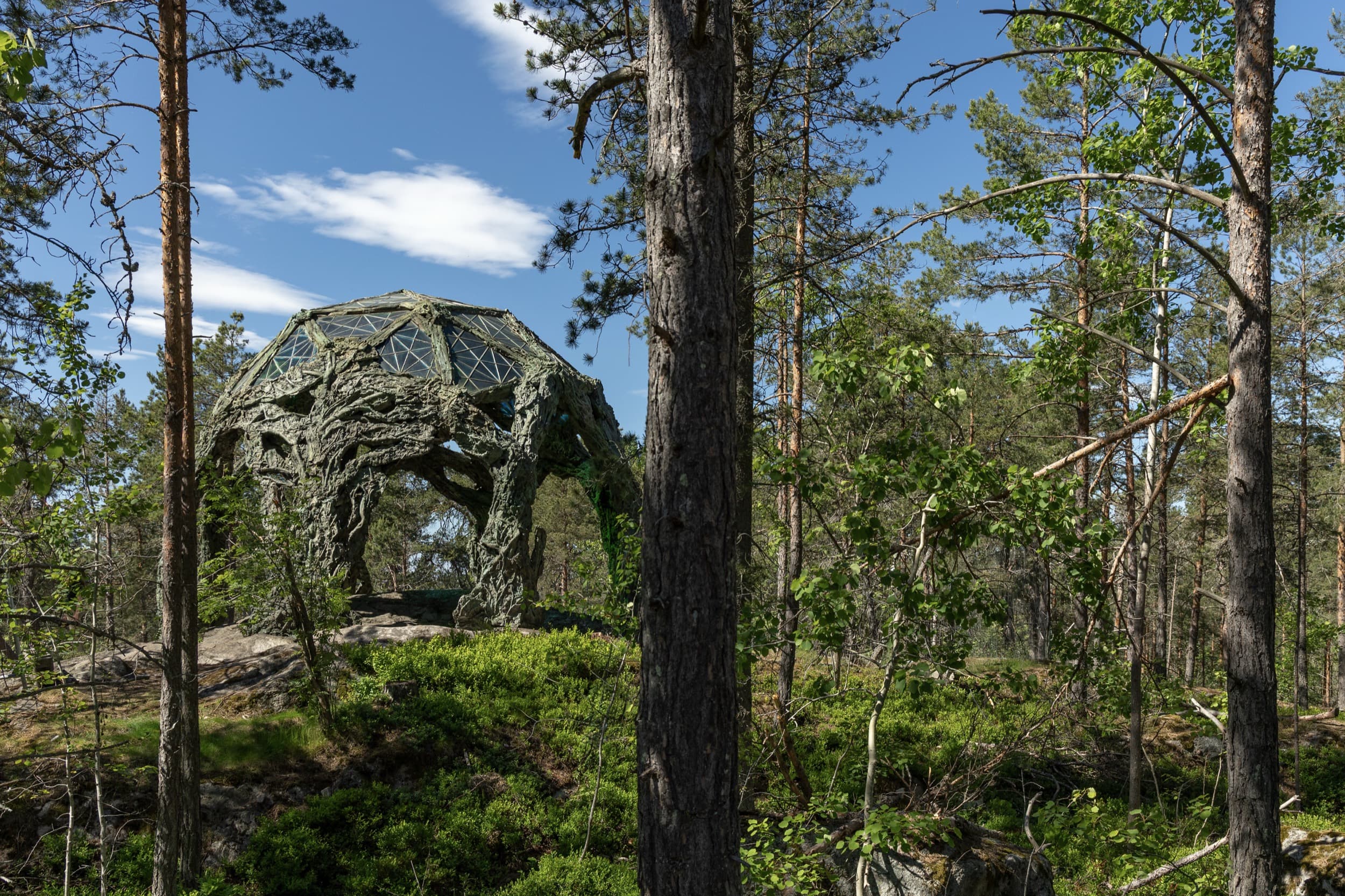
In a clearing within a vast forest in Stockholm, Cristina Iglesias’s cast aluminum and colored glass work, Aurora Borealis Star Dome (2026) emerges. The sculpture appears to rise from bedrock at the highest point of the Princess Estelle Sculpture Park, part of the 2,500-acre Royal Djurgården. Iglesias described the newly installed commission as an “intimate moment of stillness and wonder.” Its inauguration prompted this conversation with curator and writer Brooke Kamin Rapaport about Iglesias’s project in Northern Europe, the practice of discovery, and the intensity of research that informs her creativity.
July/August 2026In Conversation
ANICKA YI with Christopher Y. Lew
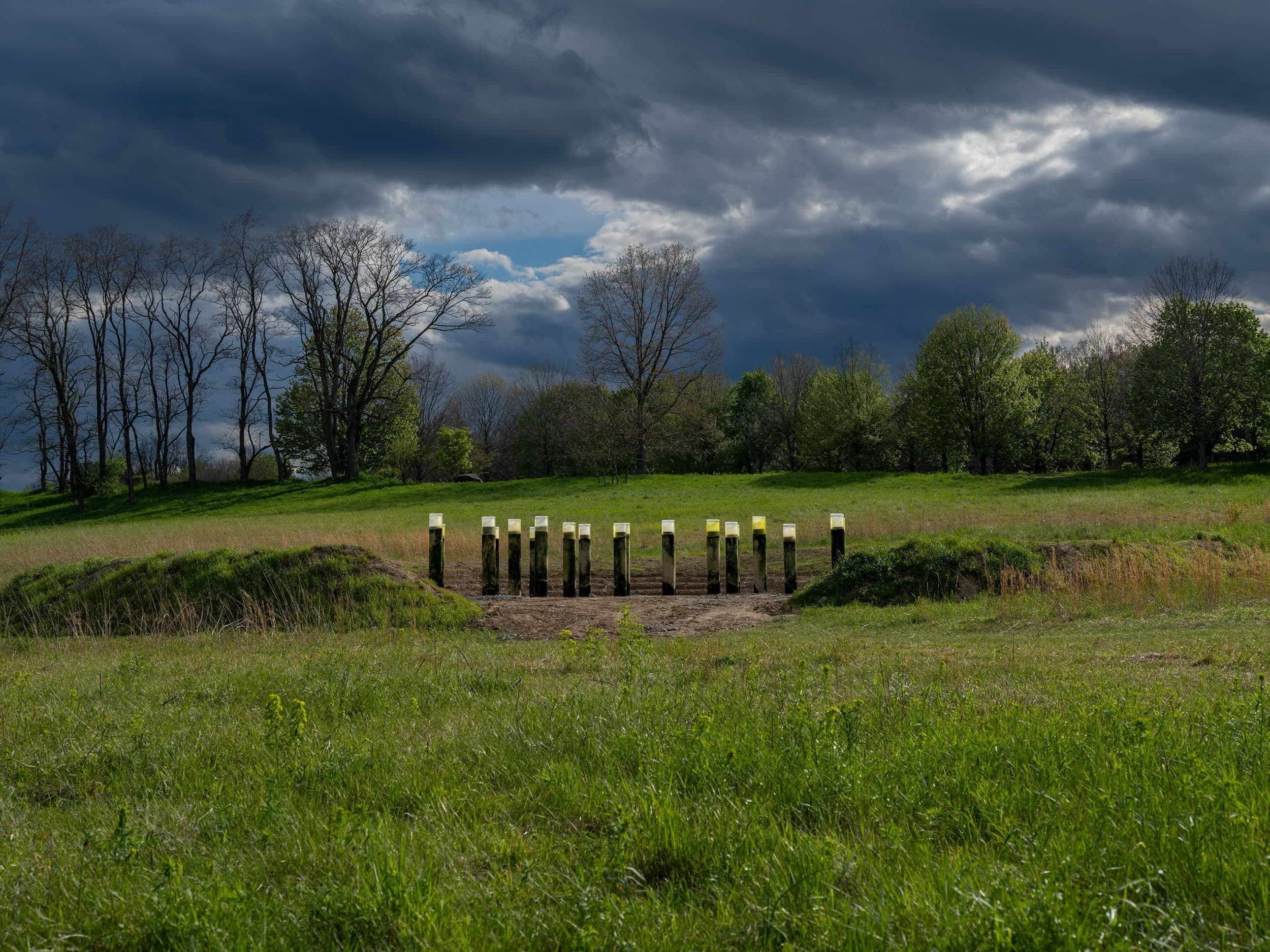
Anicka Yi wants her audience to be active participants, not passive viewers. Drawing on scientific processes and establishing multi-temporal relationships that dynamically extend the experience of her artwork, Yi is not an ocular-centric artist. Instead, Yi's work engages senses often disregarded, and activates relationships outside the realm of aesthetics. On the occasion of her installation at Storm King Art Center, Yi spoke with the curator Christopher Y. Lew on the New Social Environment (Episode #1360).
July/August 2026In Conversation
NANCY RUBINS with Neil Baldwin
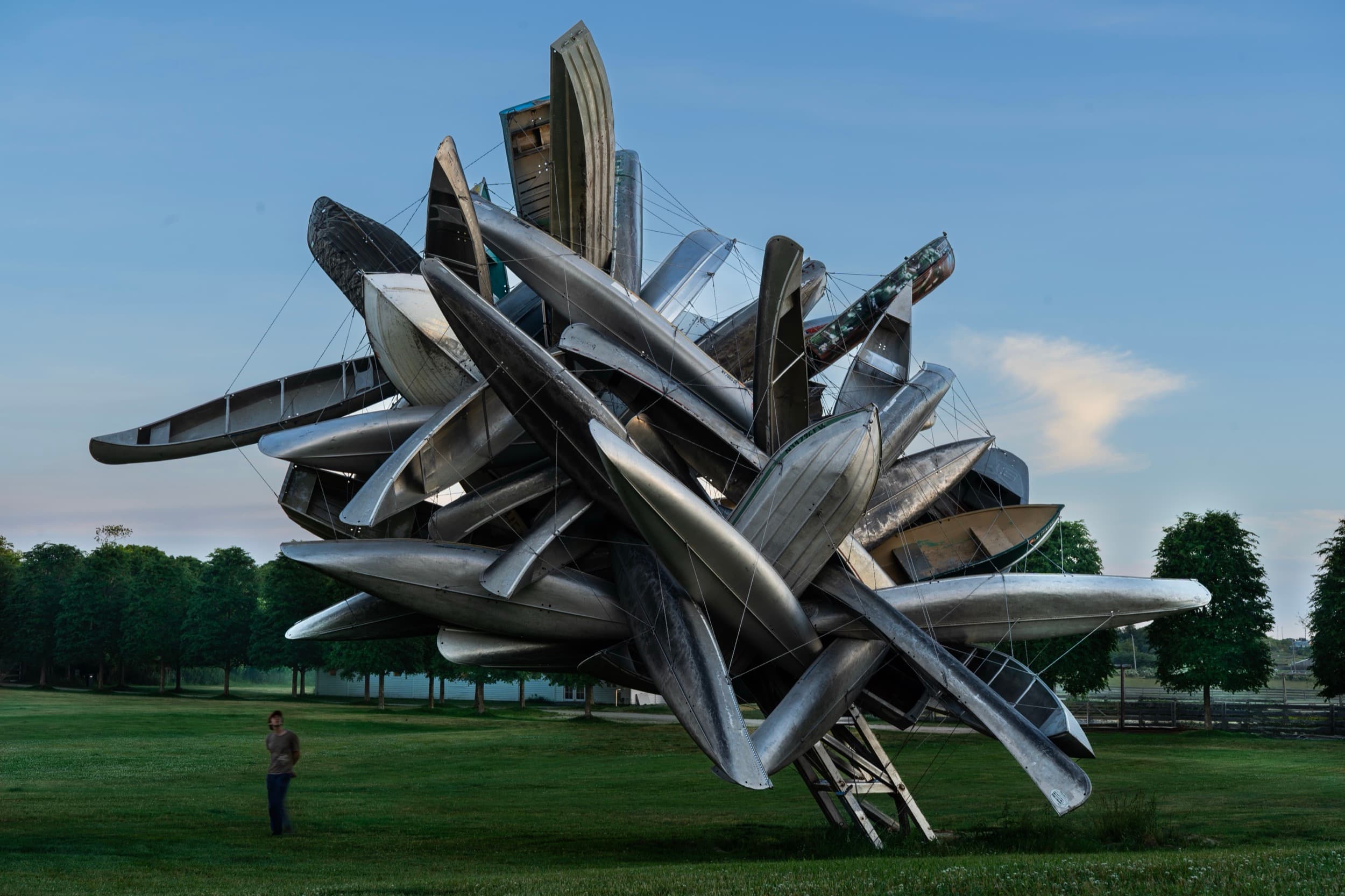
If you ask her about discipline, Nancy Rubins will tell you she is extraordinarily determined. That sense of determination comes through in her monumental sculpture. Rubins works with objects such as airplane parts and hot-water heaters, lashing them into formations that radiate outward. On the occasion of her exhibitions at The Ranch, where Rubins installed a gargantuan sculpture in a field as well as an indoor presentation of drawings, the artist spoke with the art historian, Neil Baldwin. In the conversation that follows they discuss how Rubins calibrates the monumentality of her work, the importance of flexibility in her decision-making process, and the qualities of boundlessness she sees in the cross-hatching techniques of one of her favorite artists, Albrecht Dürer.
July/August 2026In Conversation
MARY ELLEN CARROLL with Chloe Stagaman
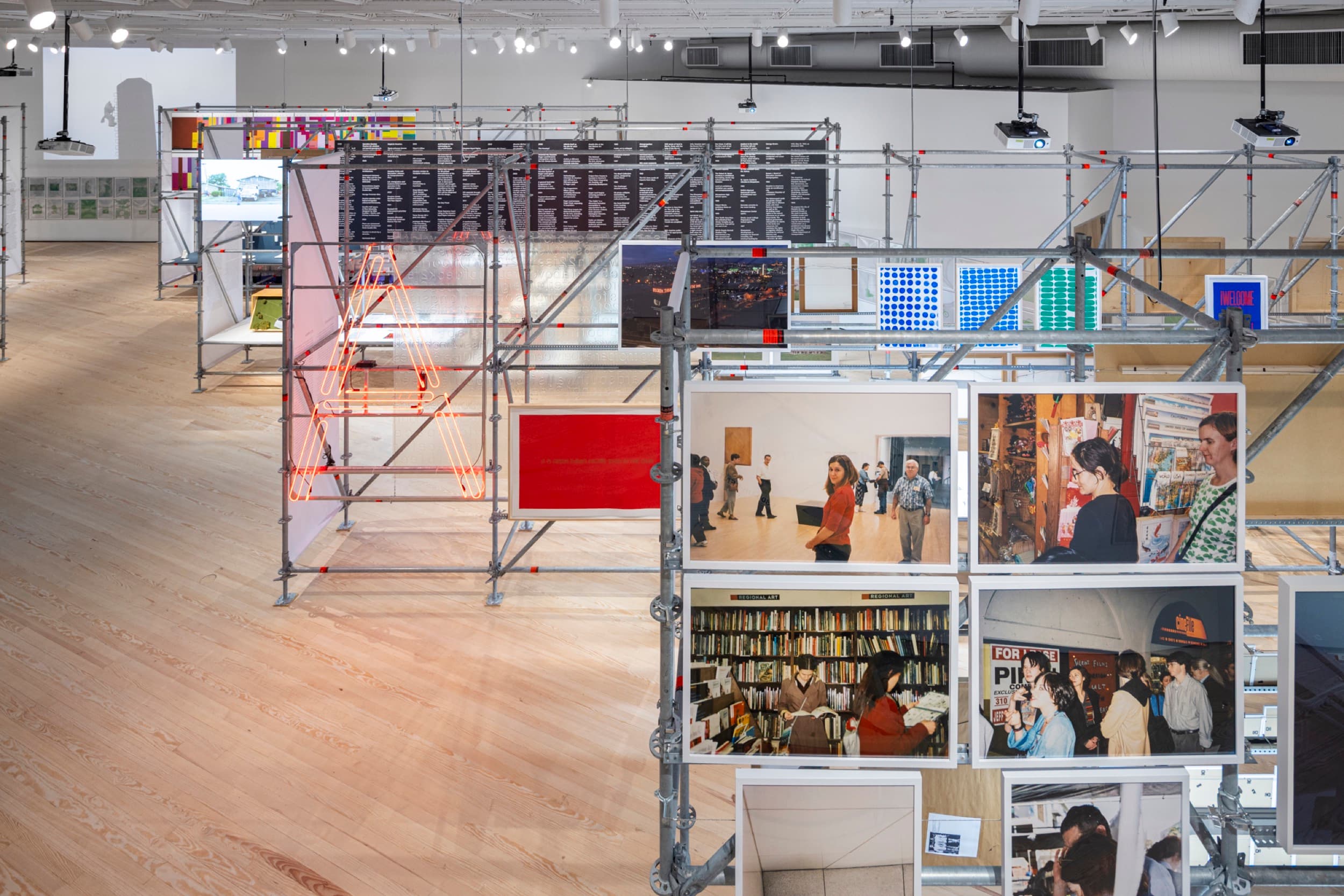
For four decades, the artist Mary Ellen Carroll has asked with a wry smile: what do we consider to be a work of art? Is crashing a 1985 Buick Riviera into the Staatliches Museum für Völkerkunde München a “suitable” artist commission for a group exhibition titled wir arbeiten immer noch daran, nicht mehr zu arbeiten [we keep working, to no longer work]? Is craning a stolen red car into the center of the woods at Art Omi, so that it appears as if it’s always been there, “furthering the field?” Or what about climbing a smokestack in Memphis, dressed in a polar bear mascot costume, to pour some of the artist’s father’s cremation remains from an Illy espresso can down its chimney? The artworks described above, and many more, are currently on view in Carroll’s first survey How To Talk Dirty and Influence People at the Contemporary Arts Museum in Houston.
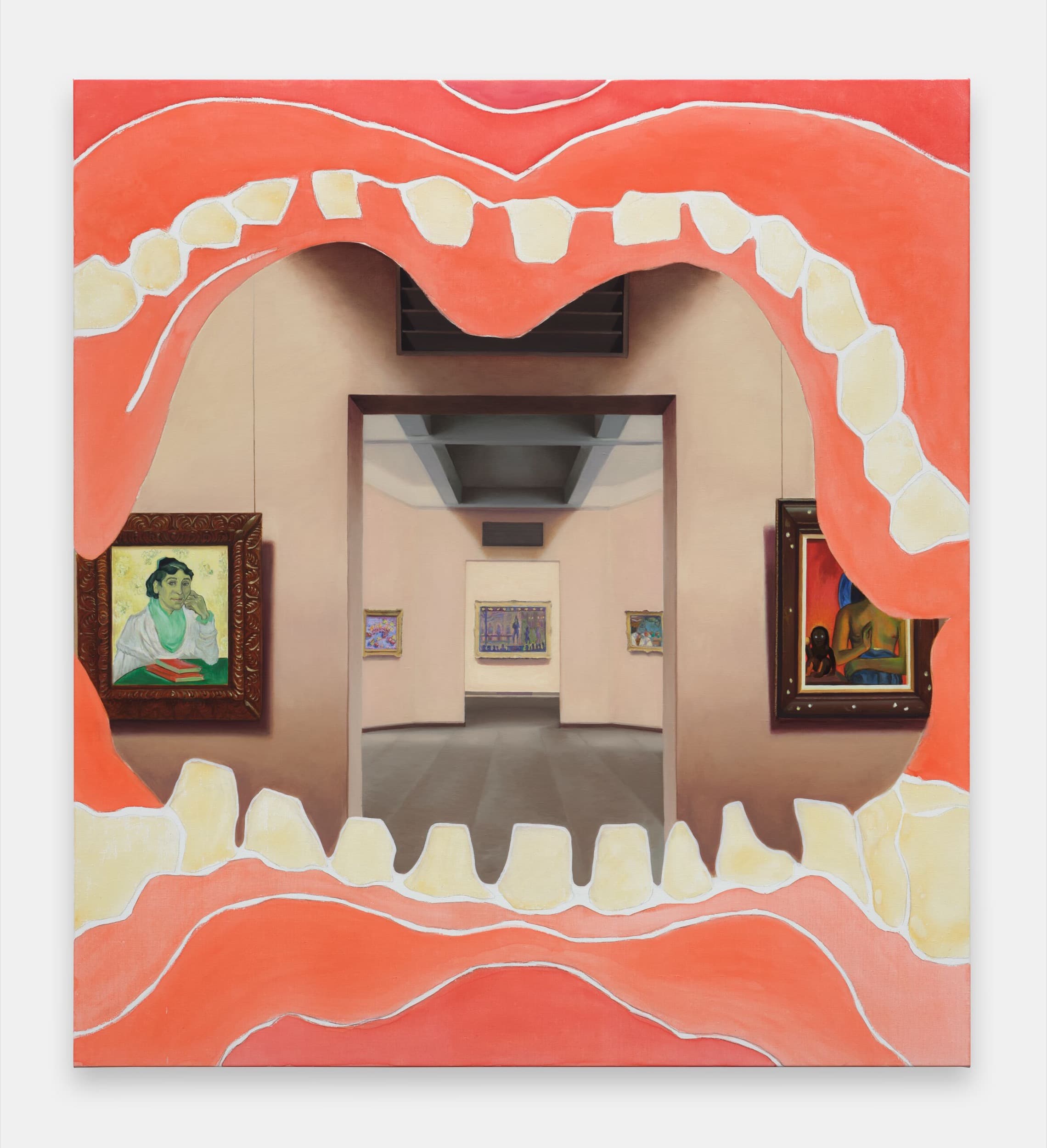
When a photograph features a painting, one pictorial medium depicts another. How is this situation to be perceived? How does it differ from a painting depicting a painting, or a photograph incorporating a photograph?
June 2026In Conversation
CELIA PAUL with Dian Parker
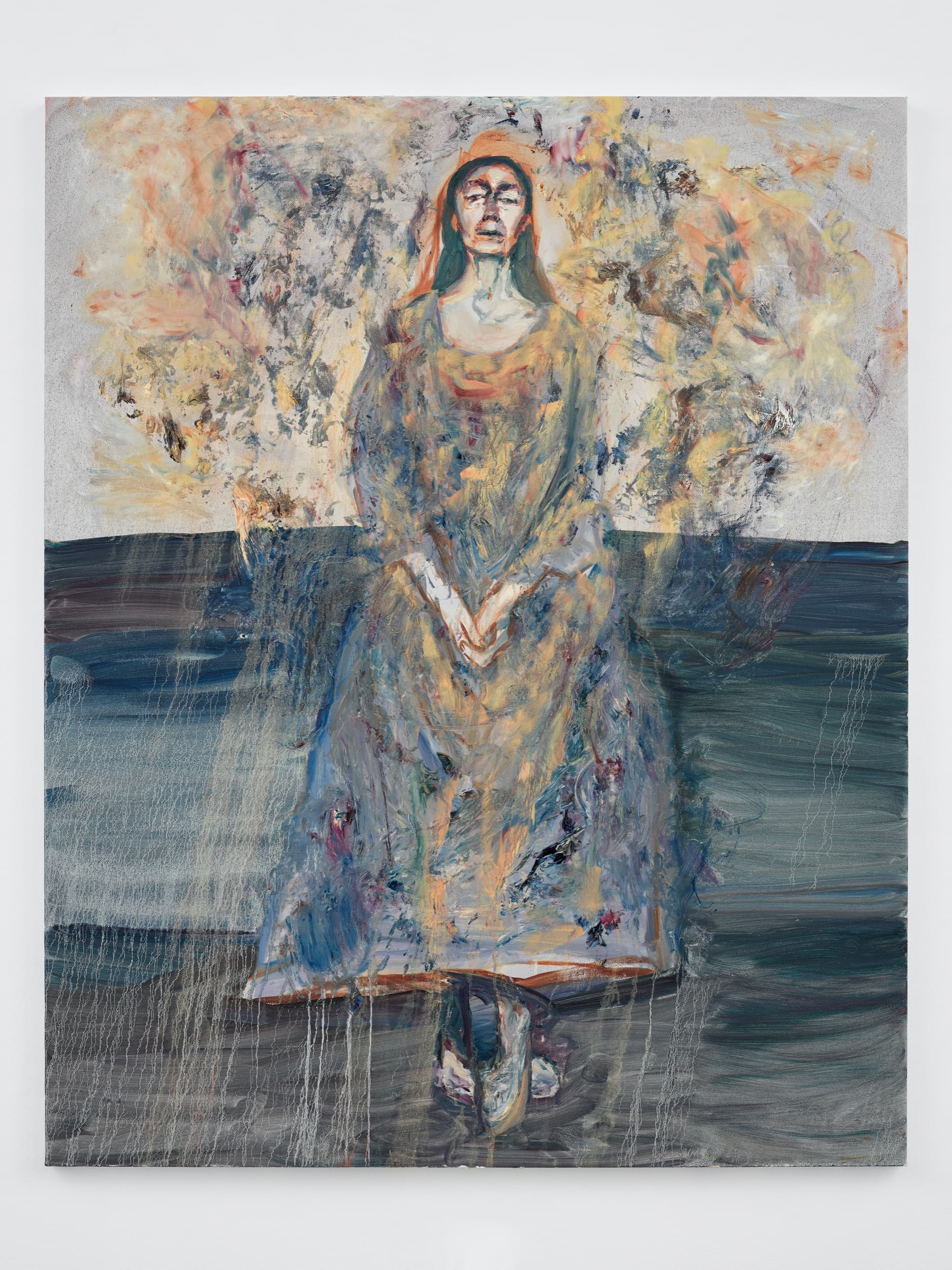
There are photographs of the painter Celia Paul standing in her paint-coated London studio, in a paint-encrusted long dress, standing in front of a mirror. She has painted her reflection in that mirror, and written, "The glass of the mirror, in my painting and in reality, is like a doorway in which I’m standing, my head turned away towards a mysterious interior.” Our recent conversation took place on Zoom.
June 2026In Conversation
THOMAS DEMAND with Jurriaan Benschop
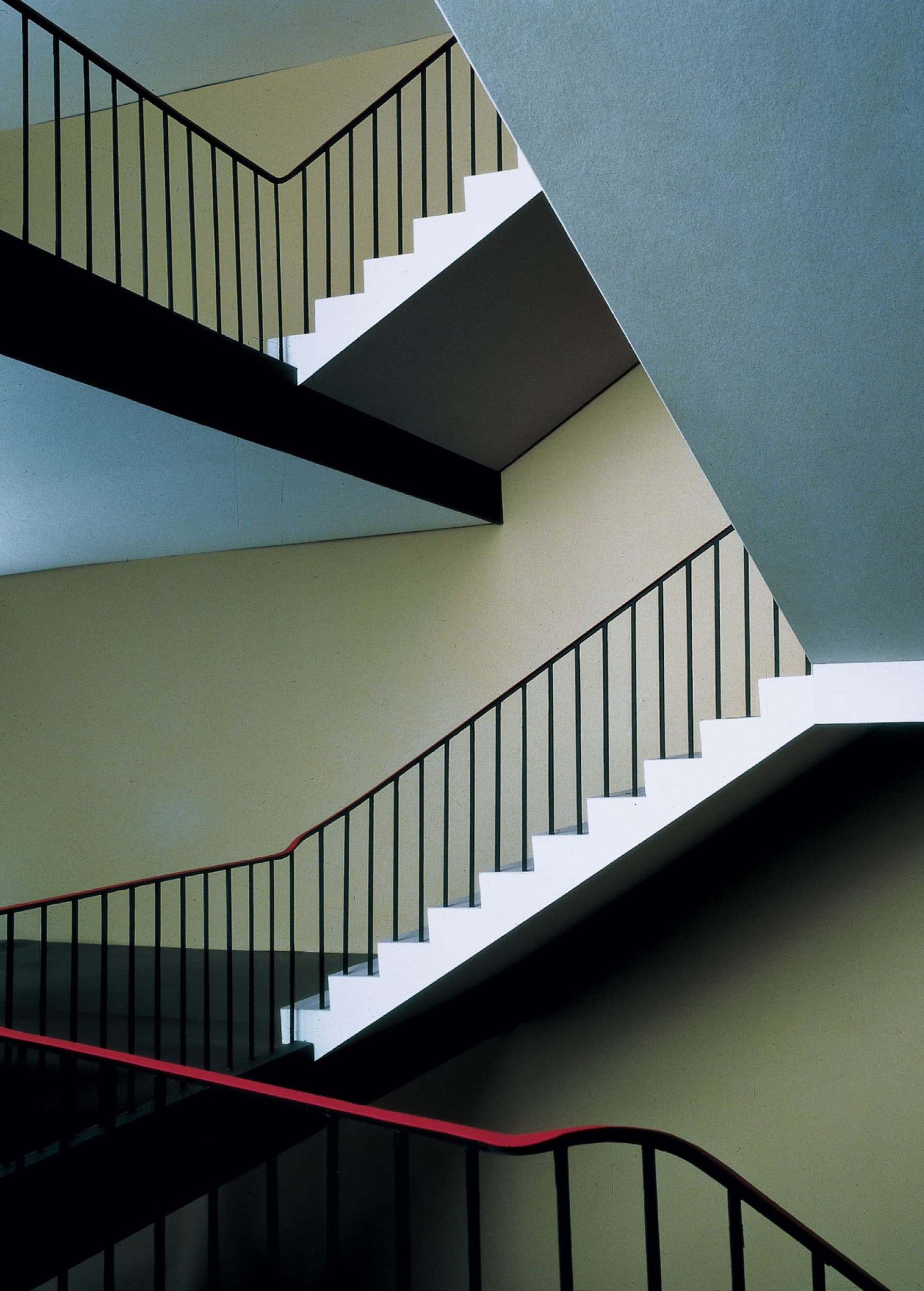
Who is in control of the image? This question is at home in the work of Thomas Demand (1964). The German artist spends meticulous attention to the execution of his sculptural and photographic work. But also as a viewer, while looking at the public images in news- and other feeds, he is interested in the decisions that have been made before we get to see a photo. The two worlds are not unrelated.
July/August 2026THE IRVING SANDLER ESSAY
When Art is Art: A Discursive Theory
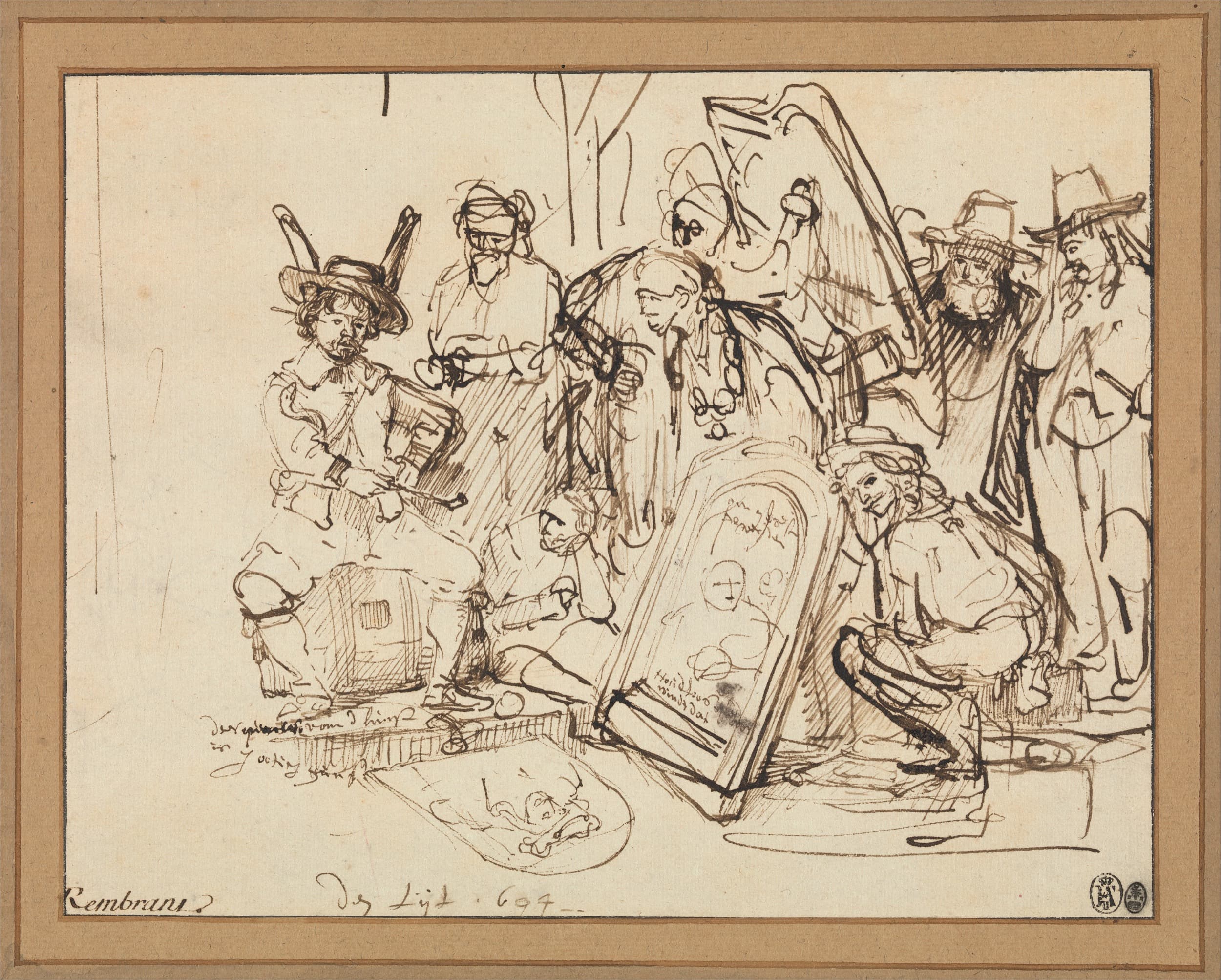
Philosophers’ longstanding debates about art’s nature and definitions may have their roots in nothing more than an accident of nomenclature. It’s just a mistake to think that any object is inherently—even ontologically, as some claim—a “work of art.” Its status as that is entirely dependent on the use, the specifically discursive use, the object is put to.
June 2026In Conversation
ALLISON KATZ with Amanda Gluibizzi
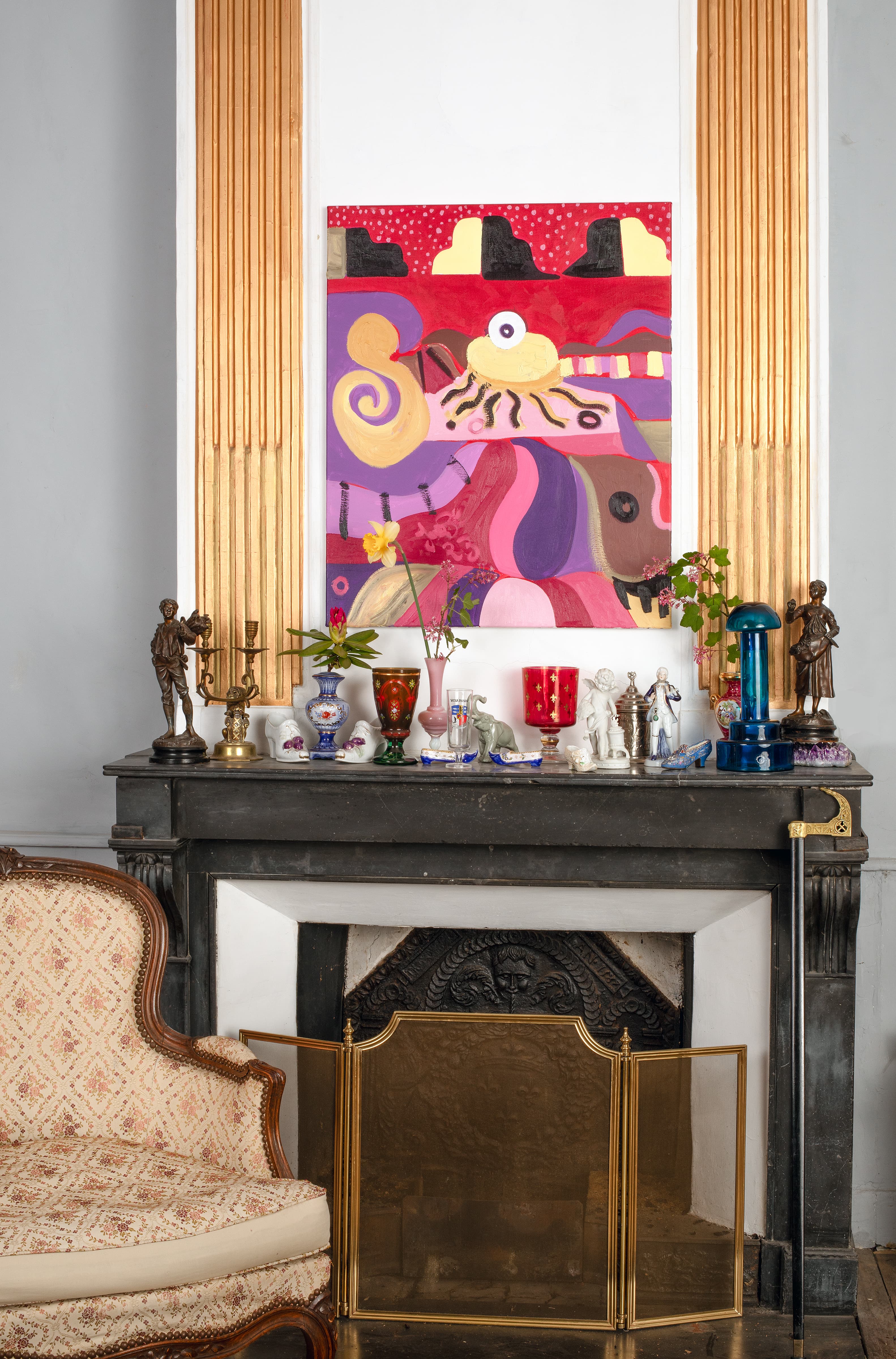
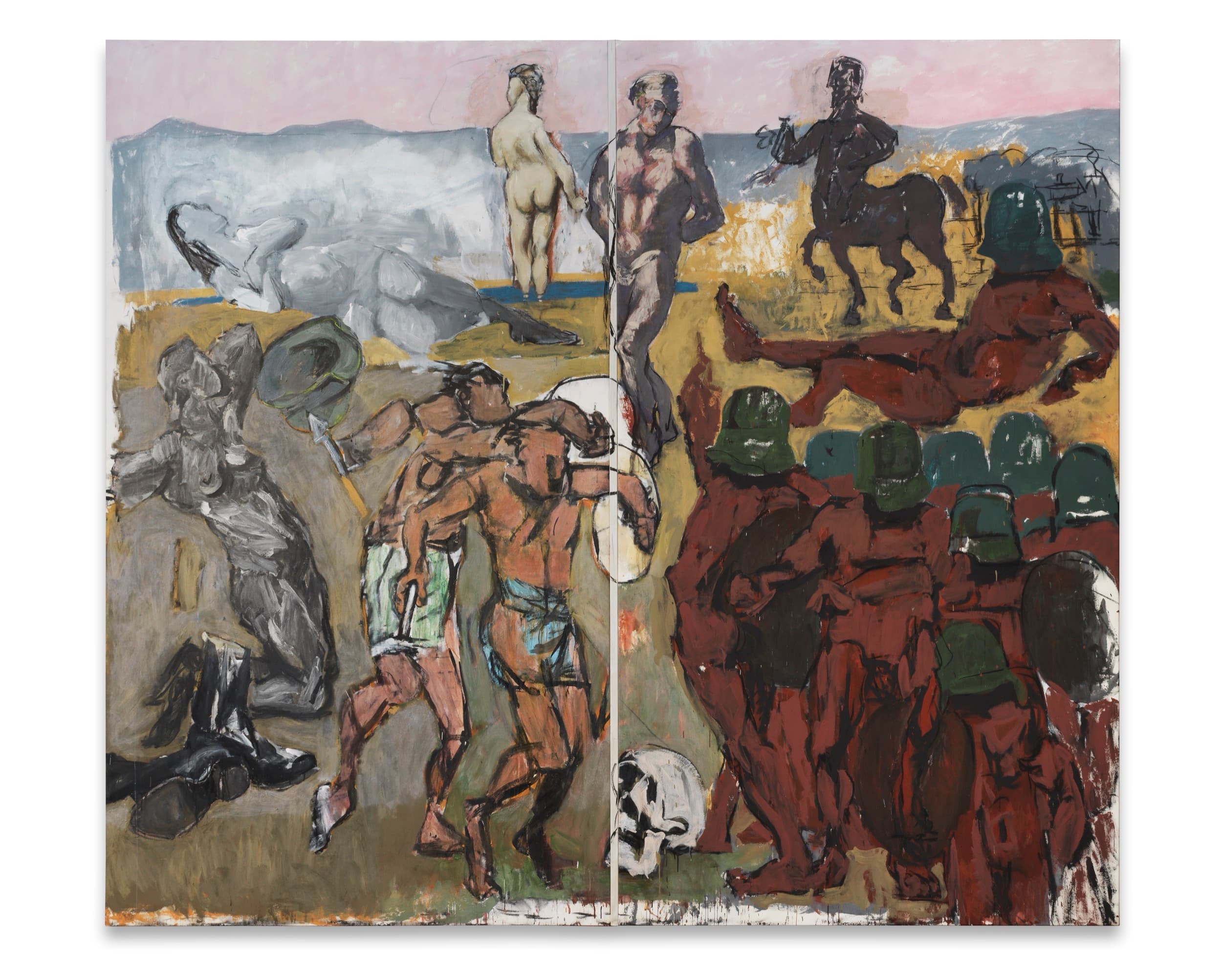
From the first moment we see Allison Katz’s new exhibition at Hauser & Wirth’s SoHo location, we’re ushered into the world she has established for her work, encompassing in one glance all the different tactics she deploys. The show’s title, Outta the Bag, activates a pun on her name (the “Katz” is implied). Katz walked me through the exhibition a day before its official opening, generously speaking about each painting in turn.
June 2026In Conversation
MARKUS LÜPERTZ with Andrew Paul Woolbright
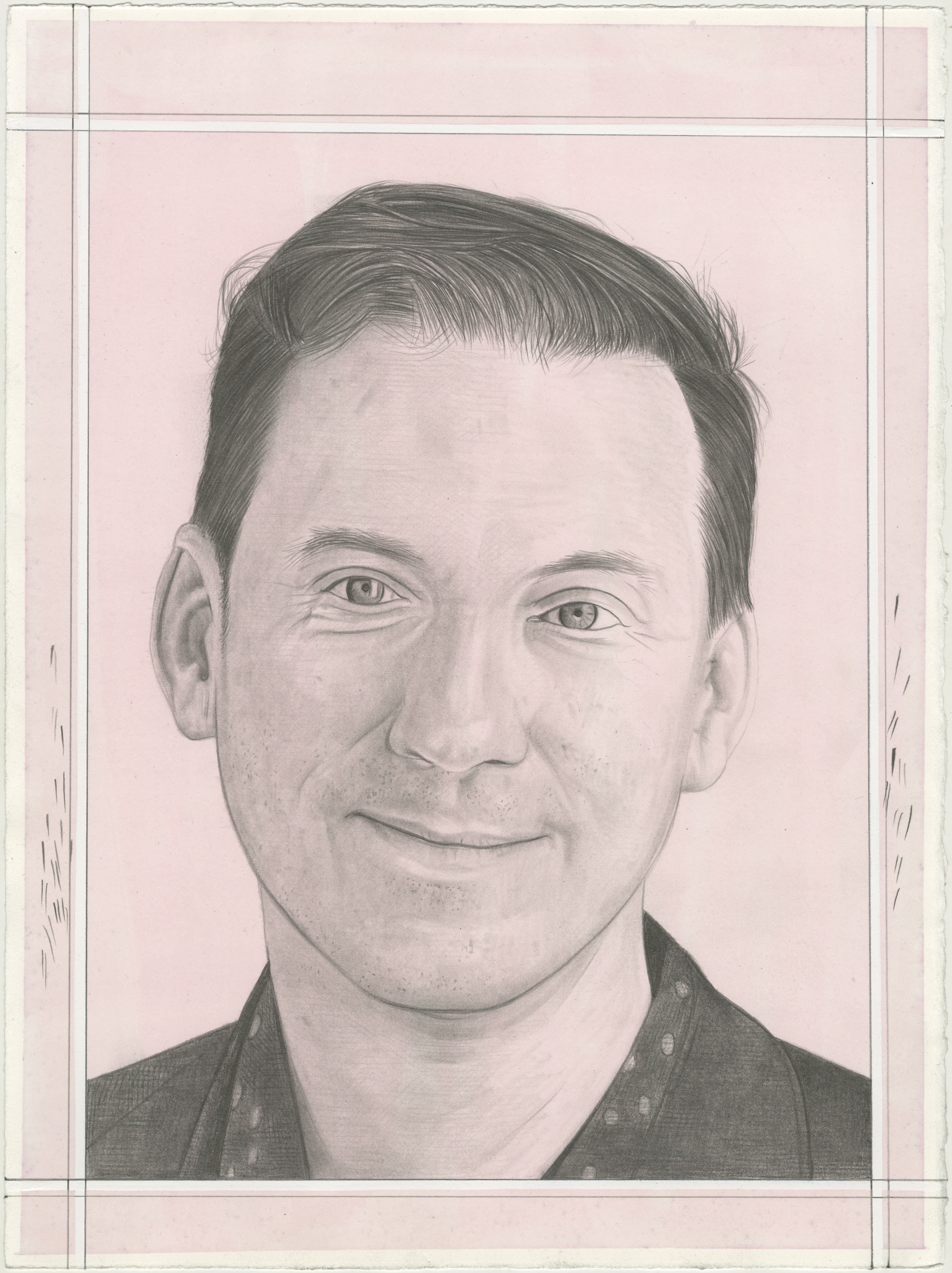
Markus Lüpertz is a legend of German painting. A member of the Neue Wilde, Lüpertz was a part of a generation that brought expressionist painting back into global relevance, and his time as rector of the Düsseldorf Art Academy has become its own lore. Our interview was conducted over several sessions, with the help of our interpreter Christopher Lochmann.
June 2026Director’s Series
ROD BIGELOW with Joachim Pissarro & Jennifer Stockman
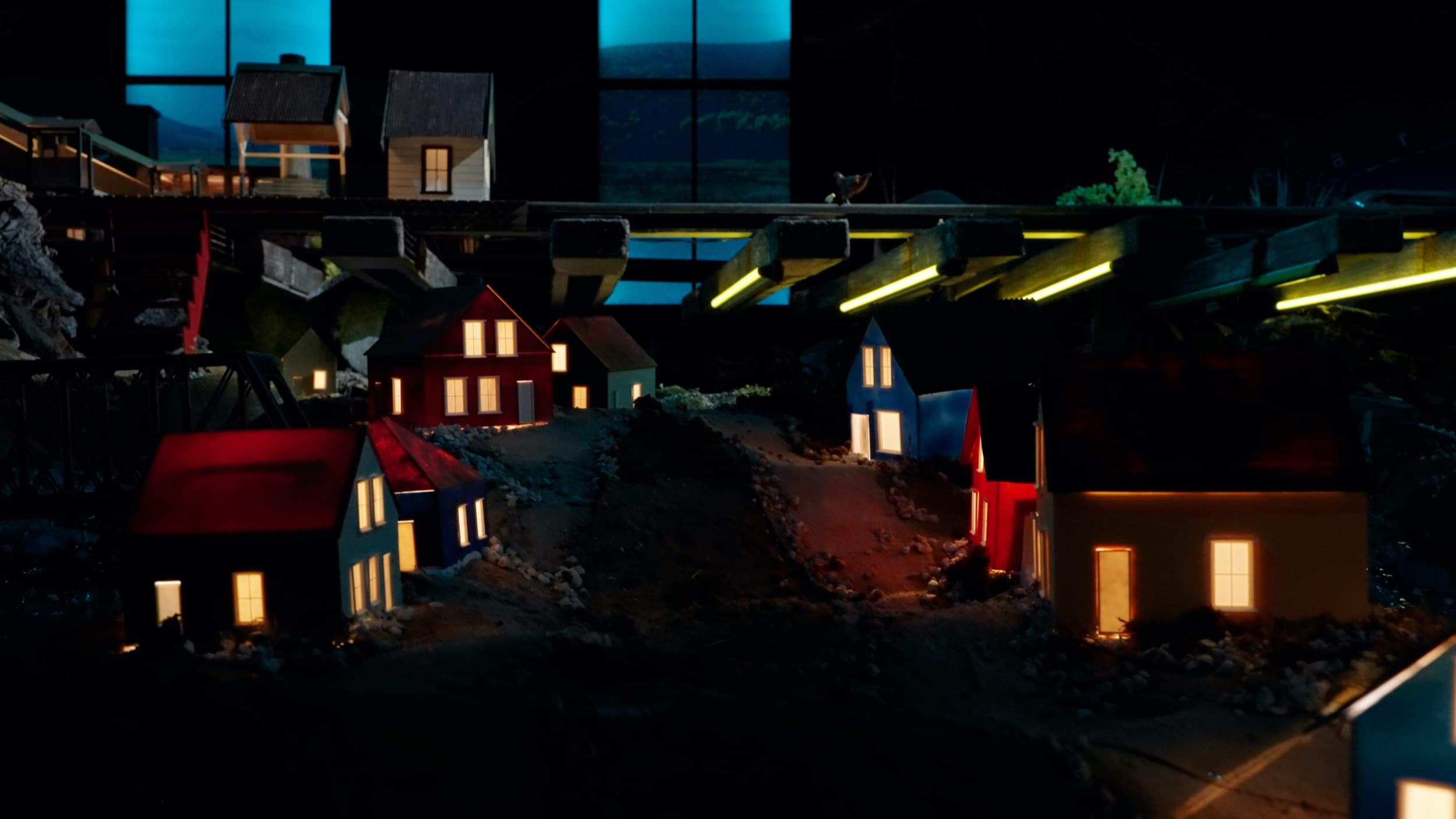
Crystal Bridges Museum of American Art is a nonprofit museum in Bentonville, Arkansas, founded by the philanthropist Alice Walton in 2011. The museum sits on 134 acres of Ozark forest, and in June will open 114,000 square feet of new galleries, studios, and visitor spaces, designed by the architect Moshe Safdie. Rod Bigelow has been the Executive Director of Crystal Bridges since 2013. Bigelow joined Guggenheim President Emeritus Jennifer Stockman and Rail Consulting Editor Joachim Pissarro to discuss the importance of public access to the arts, how a museum can act as a disruptor, and the three pillars of Crystal Bridges: art, nature, and architecture.
May 2026In Conversation
JOANNE AKALAITIS with Tom McGlynn
Six-time Obie Awards–winner JoAnne Akalaitis has made it her work to reshape the syntax of the stage. In January 2026, Mabou Mines presented a radical new production of All That Fall, originally written as a radio play by Samuel Beckett, and directed by Akalaitis. Tom McGlynn spoke with Akalaitis about her development and approach to the theatrical process, returning to Beckett, and the subtle resonance of “the inward yes.”
May 2026In Conversation
SKY HOPINKA with Chenoa Baker
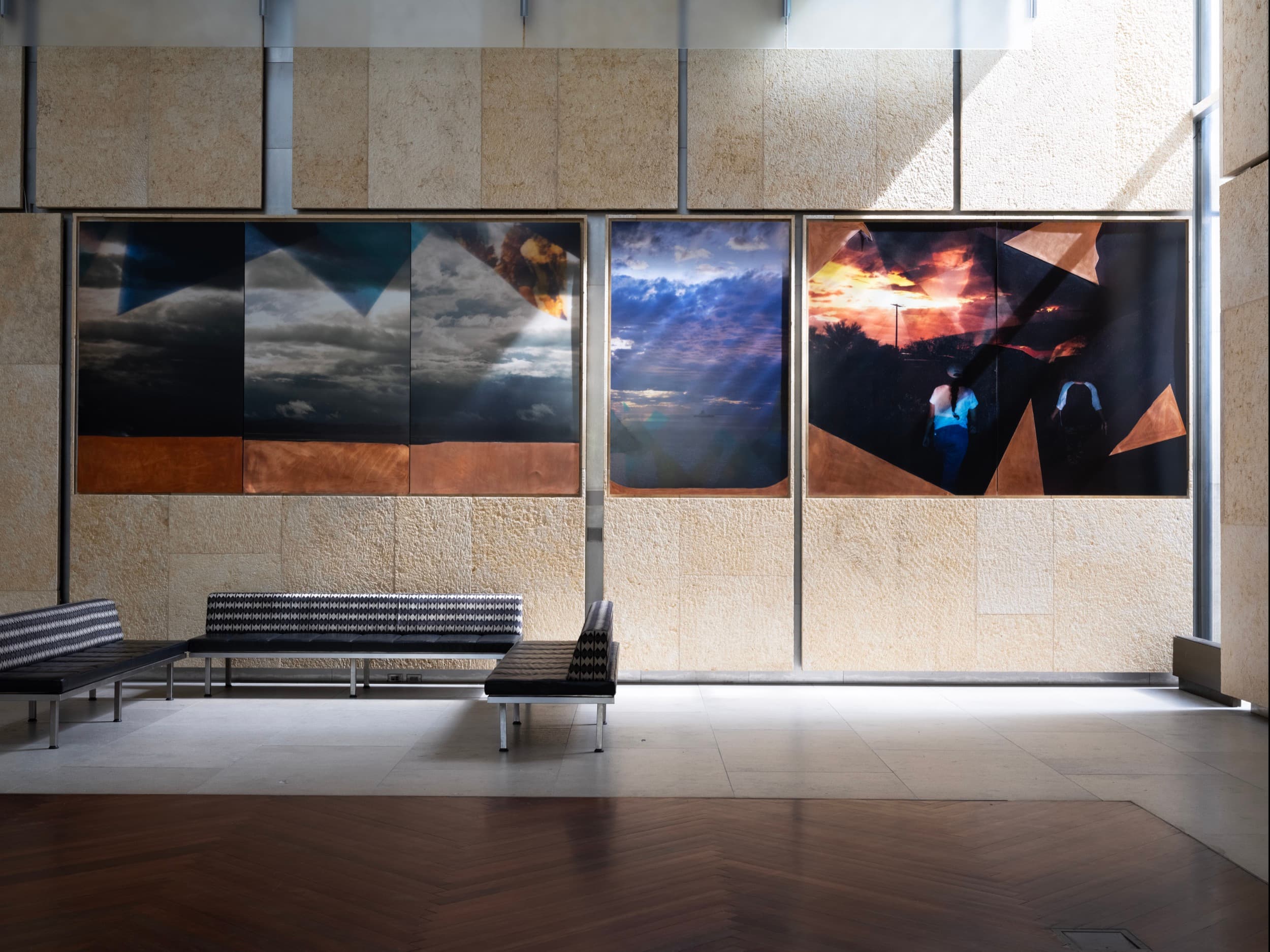
Sky Hopinka is from the Ho-Chunk Nation and Pechanga Band of Luiseño Indians. His video, photo, and text work centers around personal positions of Indigenous homeland and landscape designs of language as containers of culture expressed through personal and non-fictional forms of media. On the occasion of Hopinka’s commission for the Barnes Foundation’s Annenberg Court, Red Metal Dust, the artist joined Chenoa Baker on the New Social Environment (Episode #1334).
May 2026In Conversation
SEDRICK CHISOM with Ginevra de Blasio
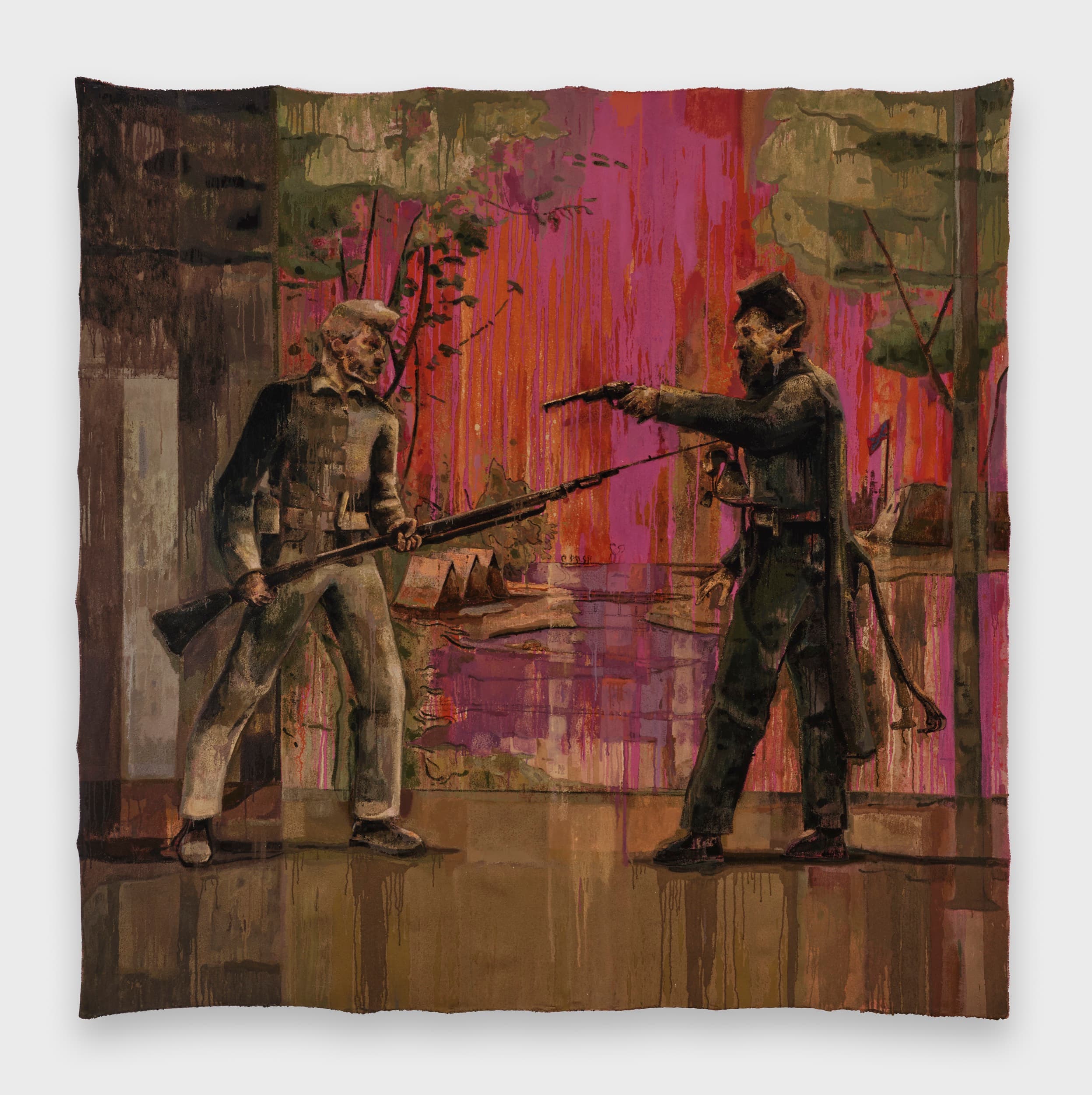
While many artists borrow from the past, very few collapse historical timelines with the raw, unsettling energy of Sedrick Chisom. He merges the iconography of the American Civil War, medieval mythology, and speculative sci-fi into a single, distorted world-building project. His canvases function as an ongoing catastrophe where history returns like a persistent ghost, blending a deep, daunting seriousness with a neurotic, unhinged humor.
On the occasion of his new exhibition at Matthew Brown, Chisom spoke with curator and writer Ginevra de Blasio. They delve into a practice that treats the canvas as a physical skin, exploring how the “Russian doll” layering of the past simultaneously produces and constrains our present agency. The dialogue touches upon his latest body of work, exploring how a recent shift to London and the spatial constraints of the theater have informed his newly staged, apocalyptic compositions.
May 2026The Irving Sandler Essay
How Else Could You Get Out: William Kent and the Zipper
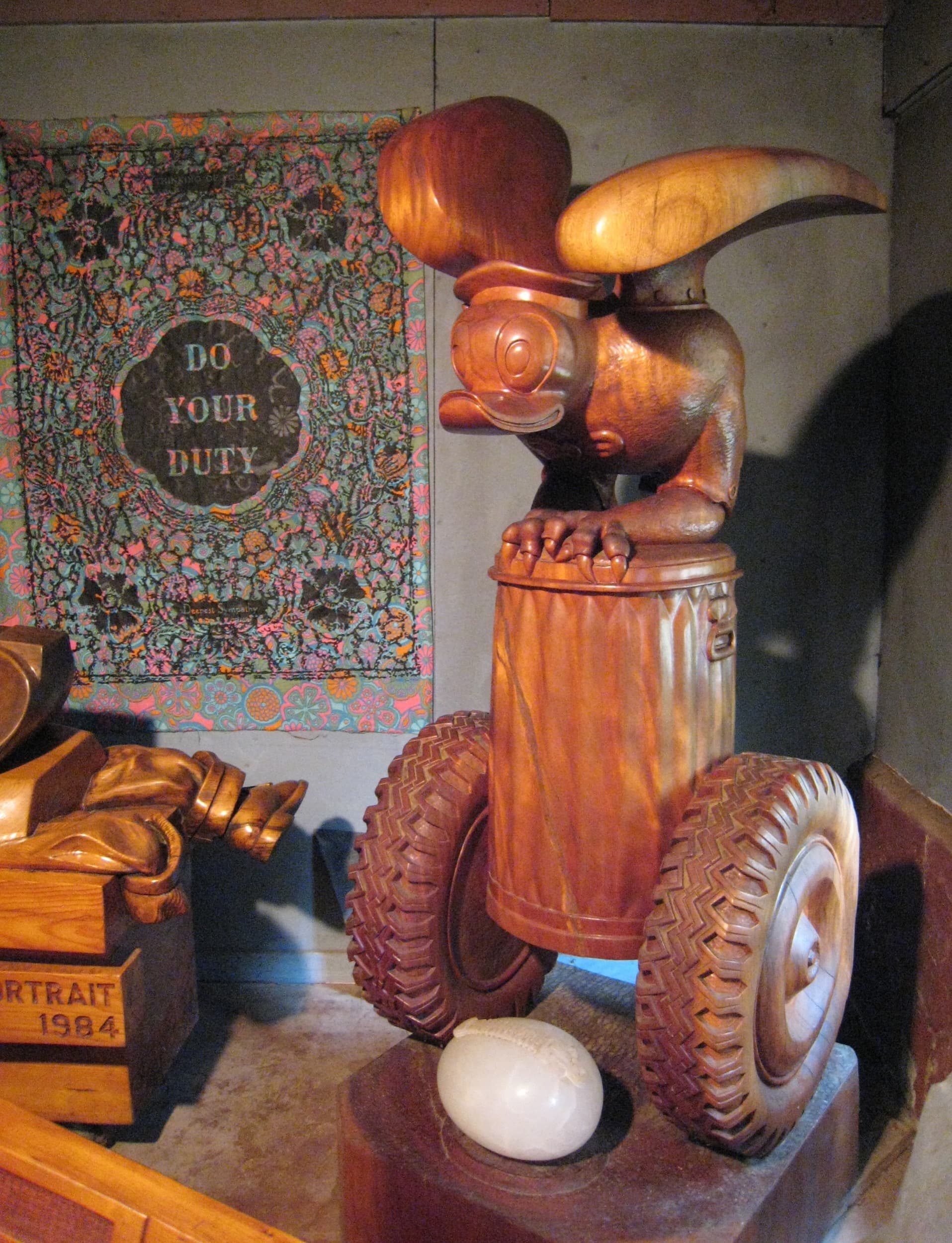
William Kent has been on my mind for the better part of fifteen years. I have lived with many of his artworks and tried in various ways to draw attention to his art. But the occasion for me writing about him now is the marvelous show of his work that was mounted at the Ricco/Maresca gallery earlier this spring—the first gallery show Kent has had in New York since the 1960s.
May 2026In Conversation
HAYES GREENFIELD with Harry Cooper
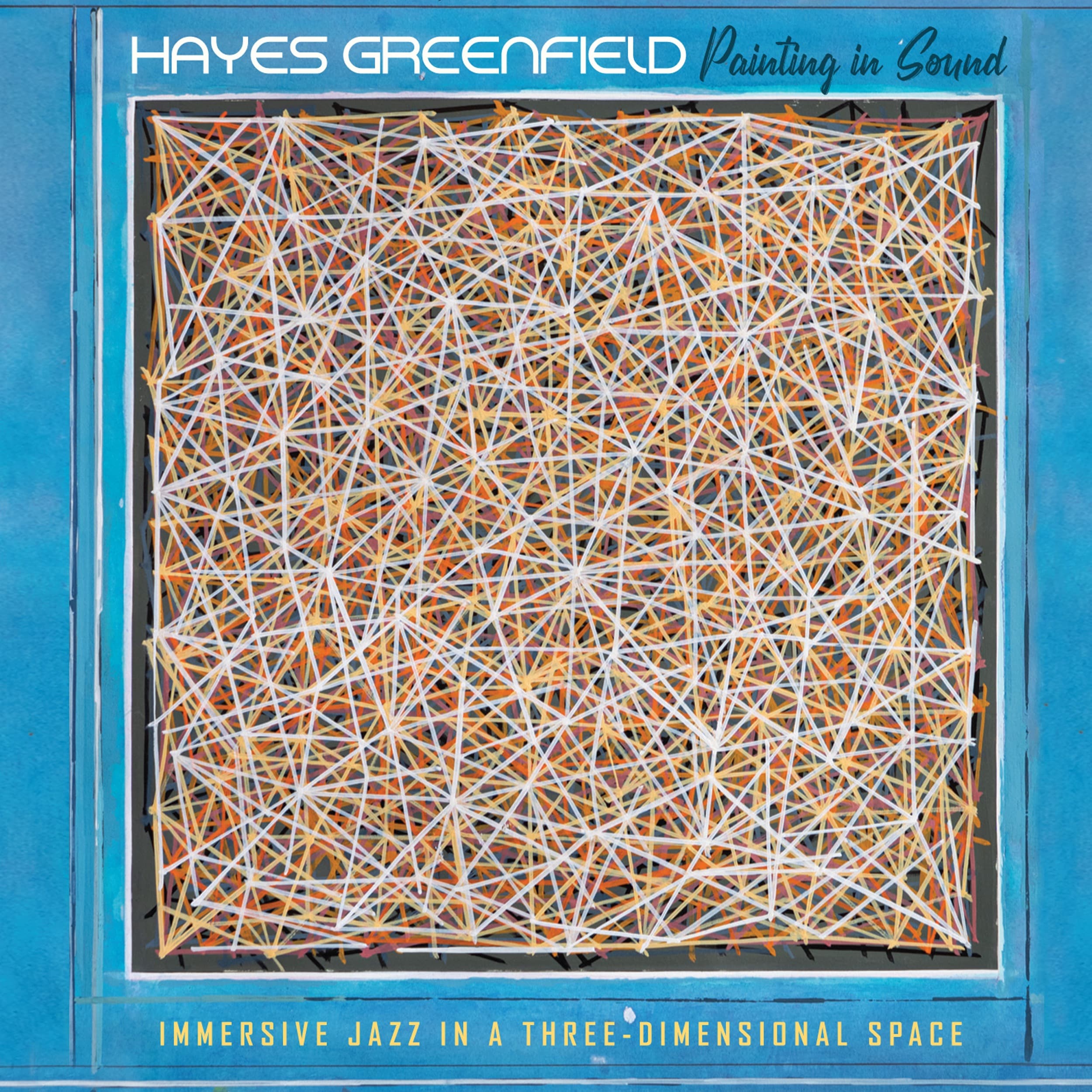
The release of Painting in Sound, Hayes Greenfield’s beautiful new CD on Sunnyside Records, his first solo outing provides the occasion for a freely improvised look at Hayes’s life to date in music sound. Sound is indeed the thread he has followed, from his early explorations of his family’s piano to his duets and conversations with Ornette Coleman towards the end of that master’s life.
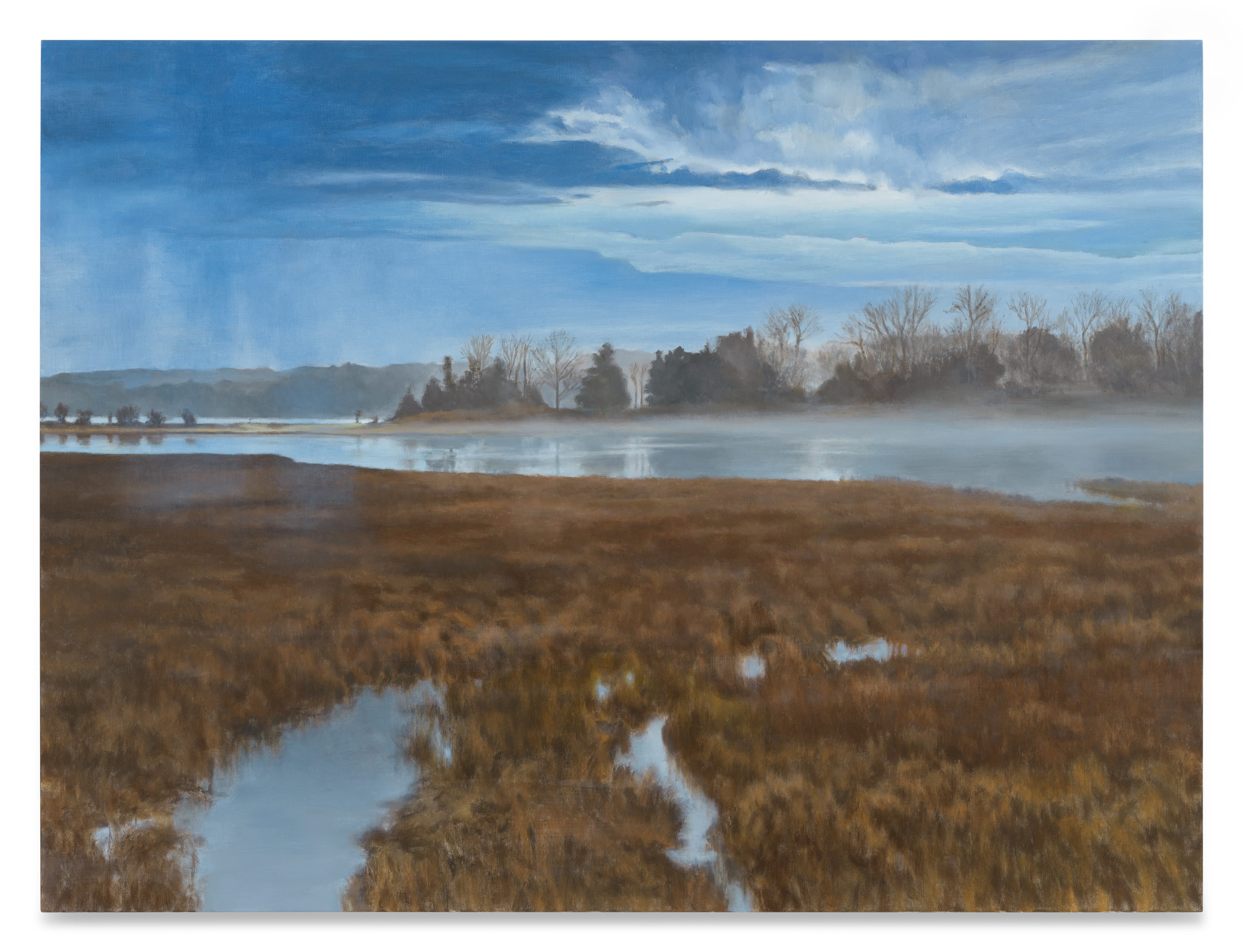
April 2026In Conversation
APRIL GORNIK with Hearne Pardee
Hearne Pardee talks with painter April Gornik about her latest show at Miles McEnery Gallery. Under the title Liminal States, her new work generates clouds and skies that viscerally engage viewers in cosmic turning points—an eclipse or the Annunciation—rooted intuitively in the scale of her body.
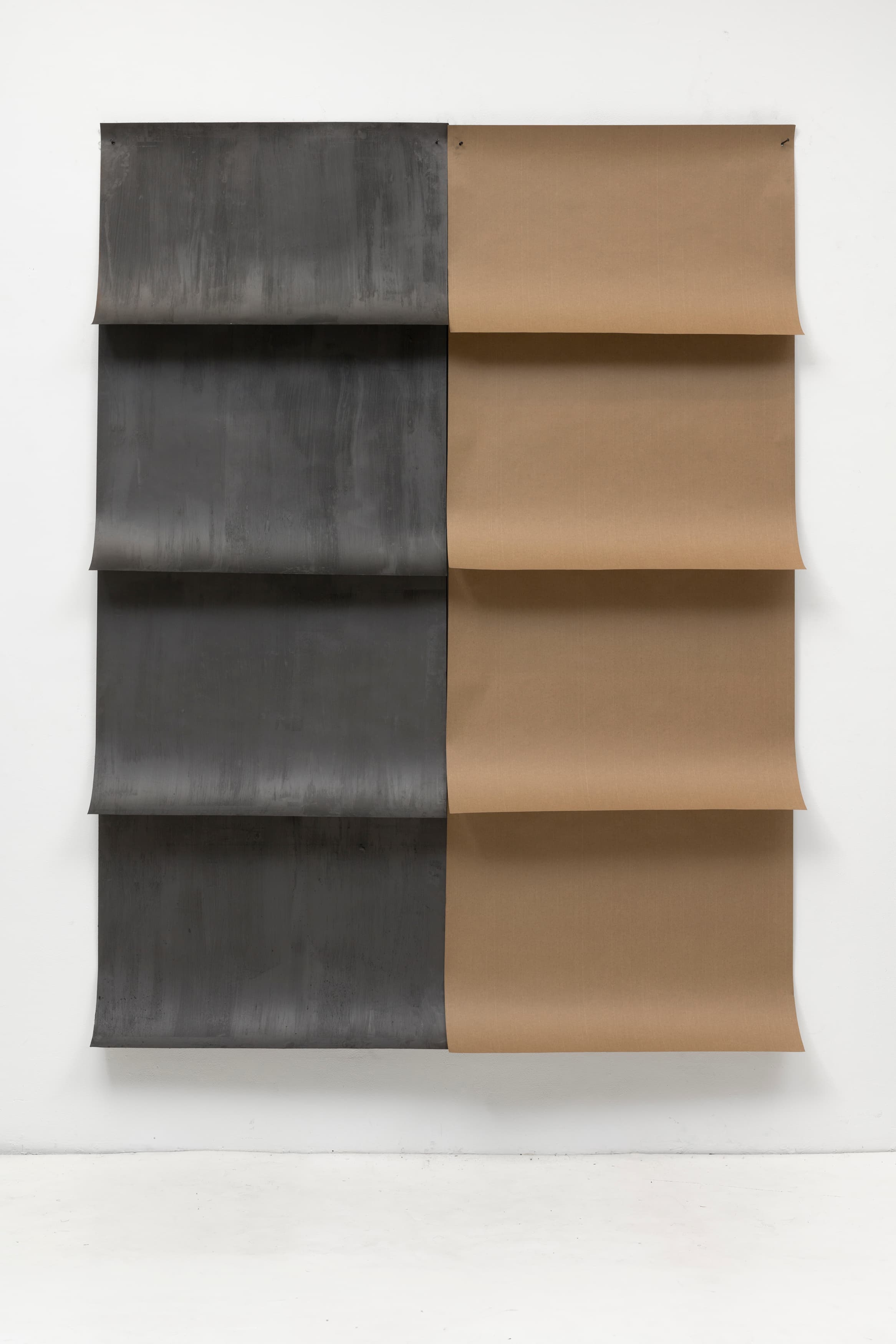
April 2026In Conversation
DOROTHEA ROCKBURNE with Charles M. Schultz
If one were to make a tally of artists who have the longevity to work for more than half a century, it would be a short list. Dorothea Rockburne would be on it. She’d also be the first to say, “Who cares?”
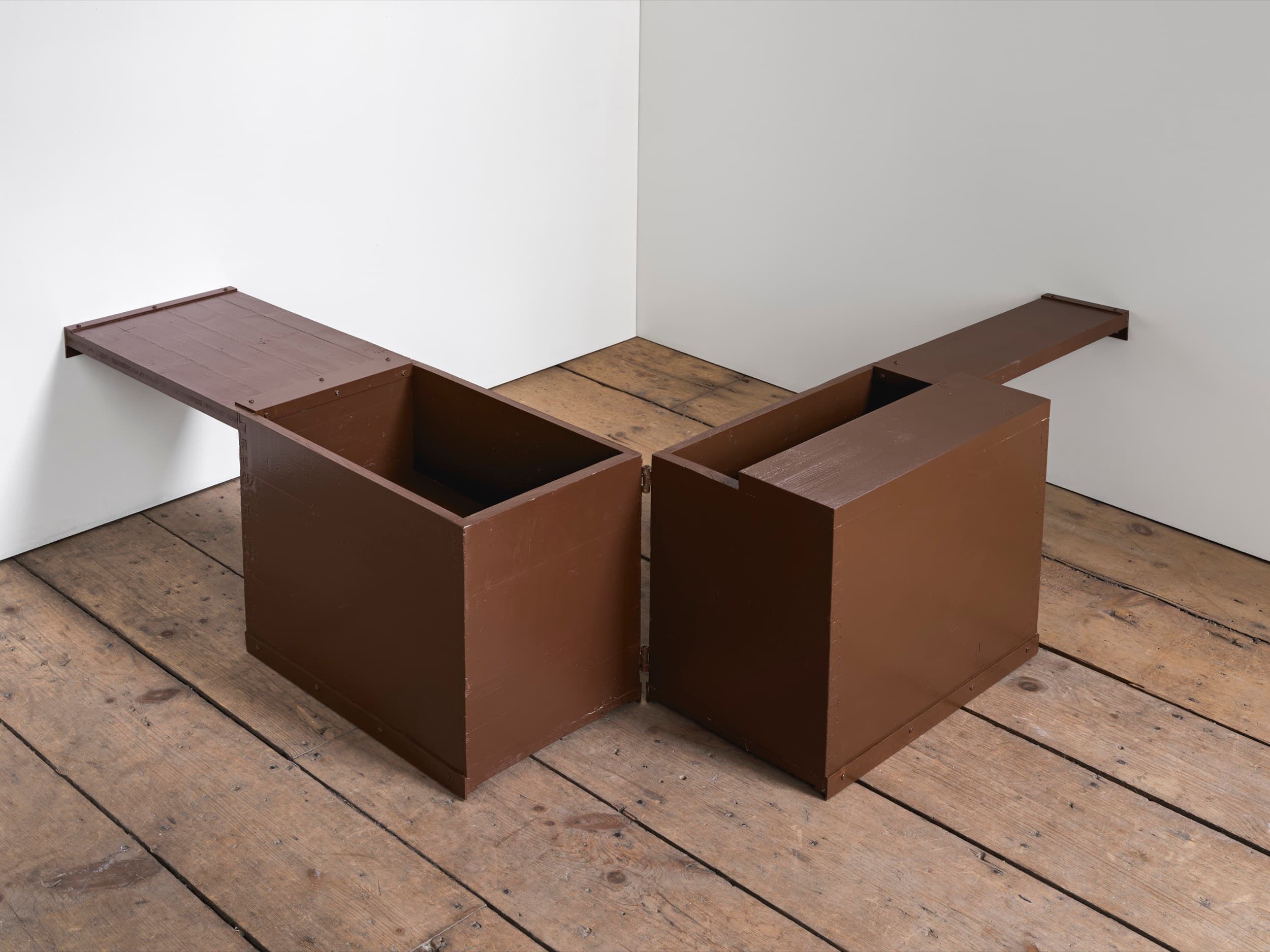
April 2026In Conversation
VÁCLAV POŽÁREK with David Rhodes
On the occasion of his exhibition at 15 Orient, David Rhodes met with Požárek to discuss the evolution of his artistic practice, the importance of material to his works, and his insistence that the work speak for itself. Susanne Bieri provided interpretation during the conversation.
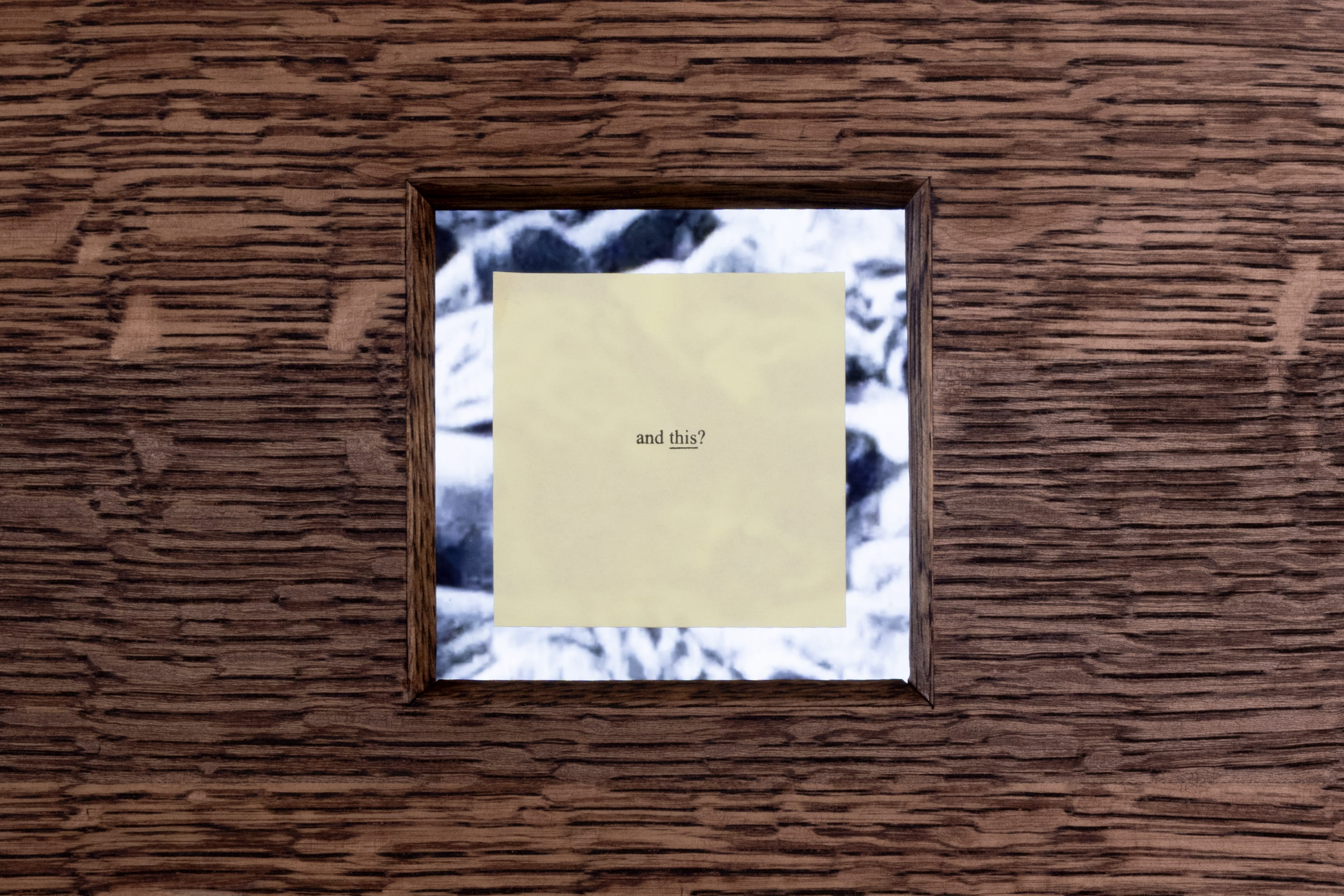
April 2026In Conversation
MIKE CLOUD & NYEEMA MORGAN with William Corwin
Nyeema Morgan is a conceptual artist. Mike Cloud is a painter. They are married and live in Chicago. Their collaborative exhibition, Mike Cloud & Nyeema Morgan: Story Structure, Pt. 2, at the Neubauer Collegium at the University of Chicago, offers a fascinating test case to explore more deeply the push and pull and intellectual exchanges that take place within the dyad of two artists in a matrimonial partnership.
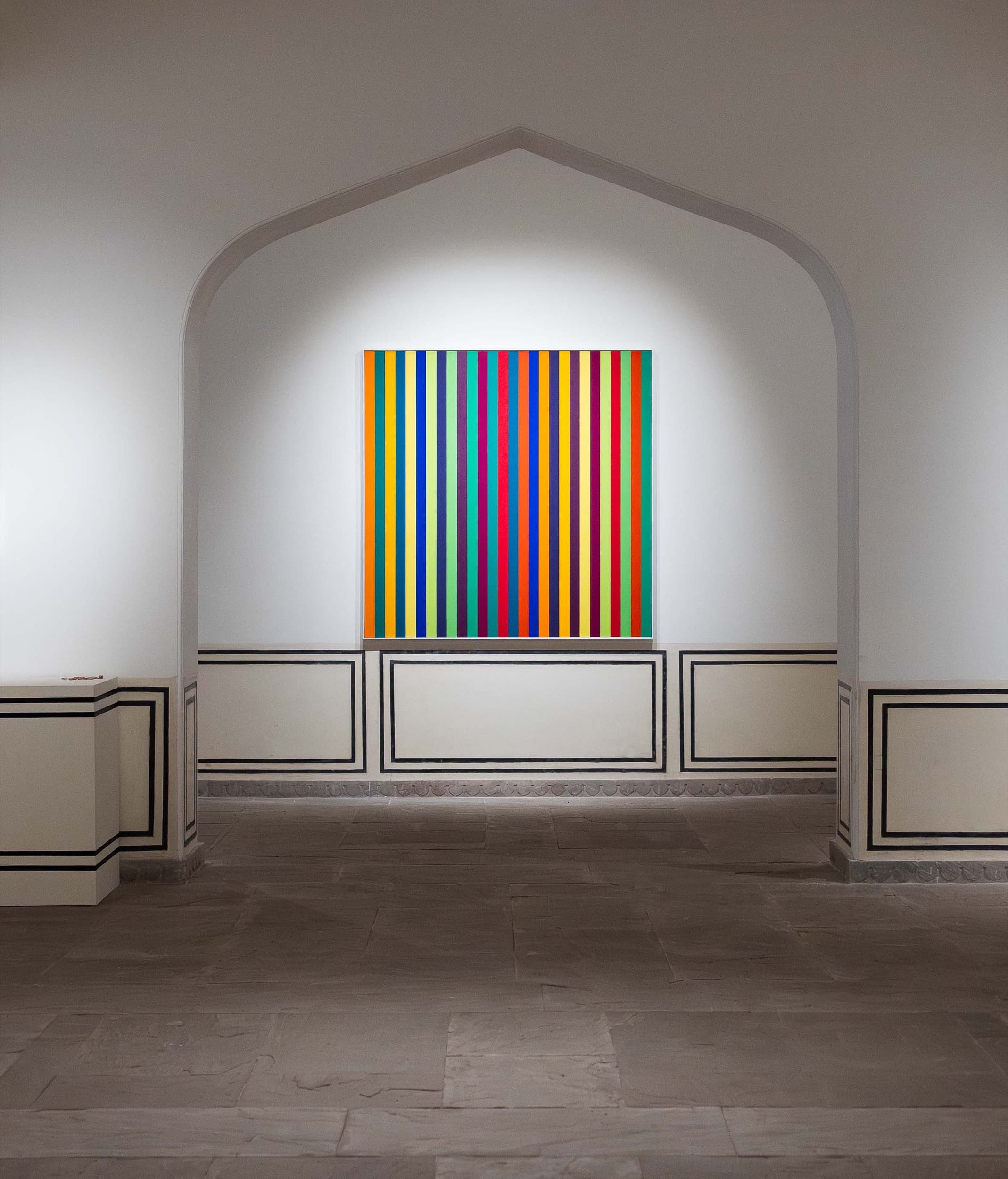
Padmanabh Singh and Noelle Kadar are at the forefront of an effort to invigorate public interest in contemporary art in Jaipur, India. Recently, they joined Guggenheim President Emerita Jennifer Stockman and Rail Consulting Editor Joachim Pissarro to discuss The Jaipur Centre for Art, the unique history of arts patronage in Jaipur, the importance of color to the city and its culture, and their exhibition now on view, Annotations of Colour.
March 2026In Conversation
DIKE BLAIR with Nancy Princenthal
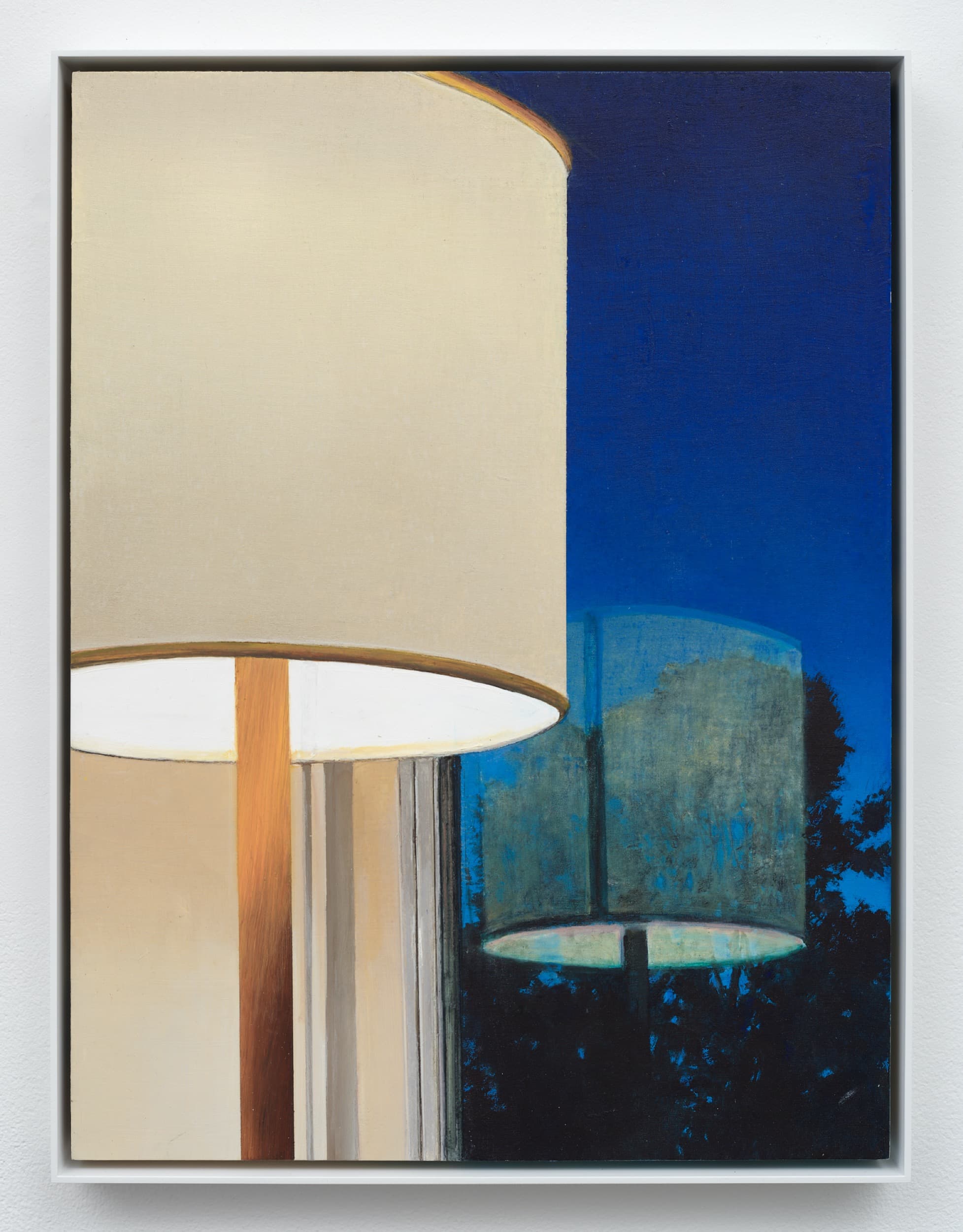
Dike Blair’s art is thoroughly cosmopolitan—deeply informed, intensely considered, and visually impeccable. Working at small scale, Blair attends closely to relations among his paintings, sequencing them in what he sees as snippets of conversation rather than extended narratives. We met on a cold January day in a backroom at Karma’s new Chelsea gallery, where the paintings for his current exhibition were temporarily hung, aptly enough, on sliding screens.
March 2026In Conversation
JOHN AKOMFRAH with Sabo Kpade
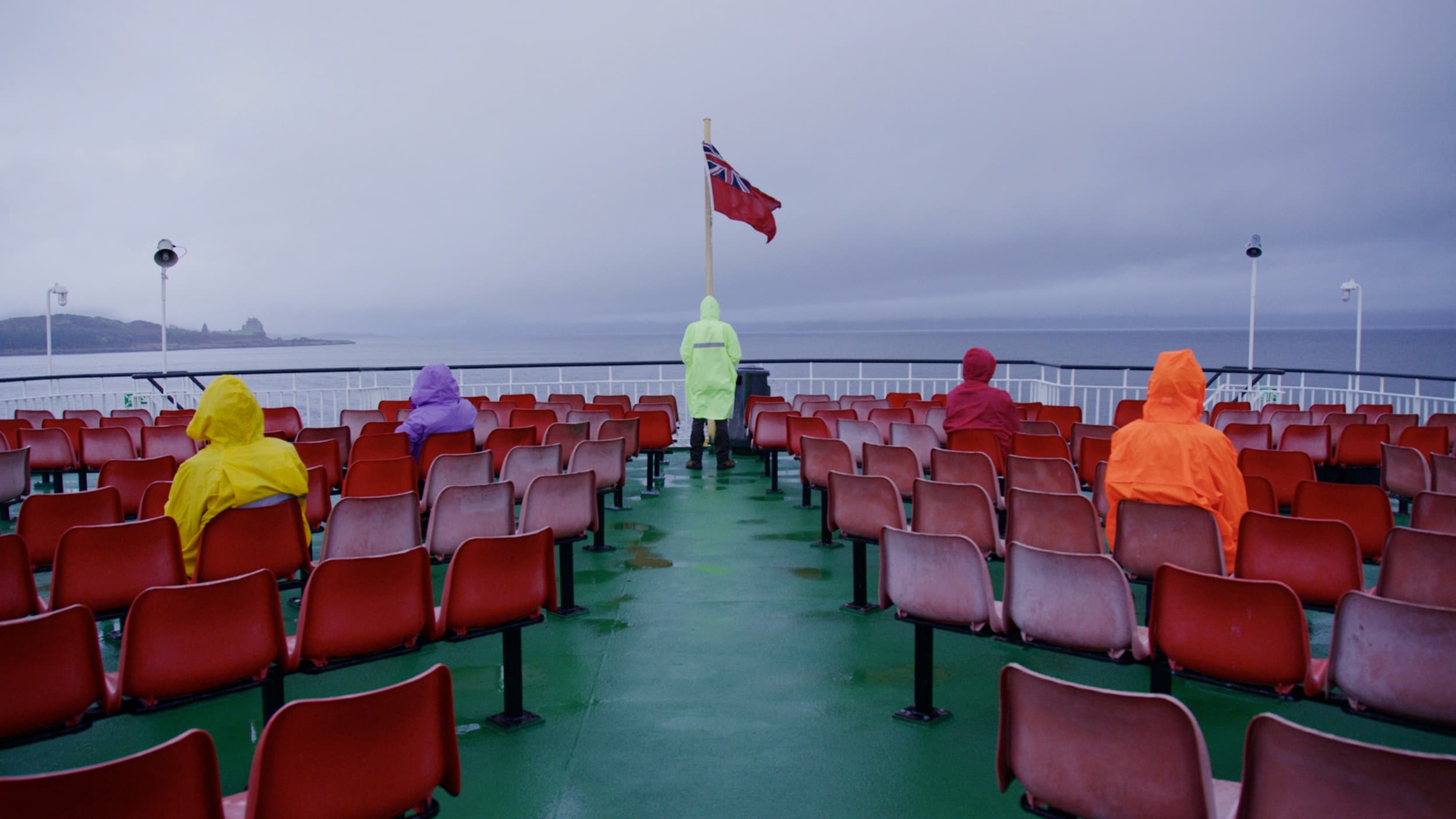
In Listening All Night To The Rain, Sir John Akomfrah presents the US premiere of the critically acclaimed eight-canto work first unveiled at the British Pavilion during the sixtieth Venice Biennale. For its New York presentation, Akomfrah introduces a focused iteration of the project, debuting the central multi-channel film, Canto VI (2024), and reshaping the work’s structural inheritance into a cinematic experience tailored to this context. Here, the canto becomes an audiovisual vessel organizing colonial archives, diasporic memory, Black Atlantic and climate histories.
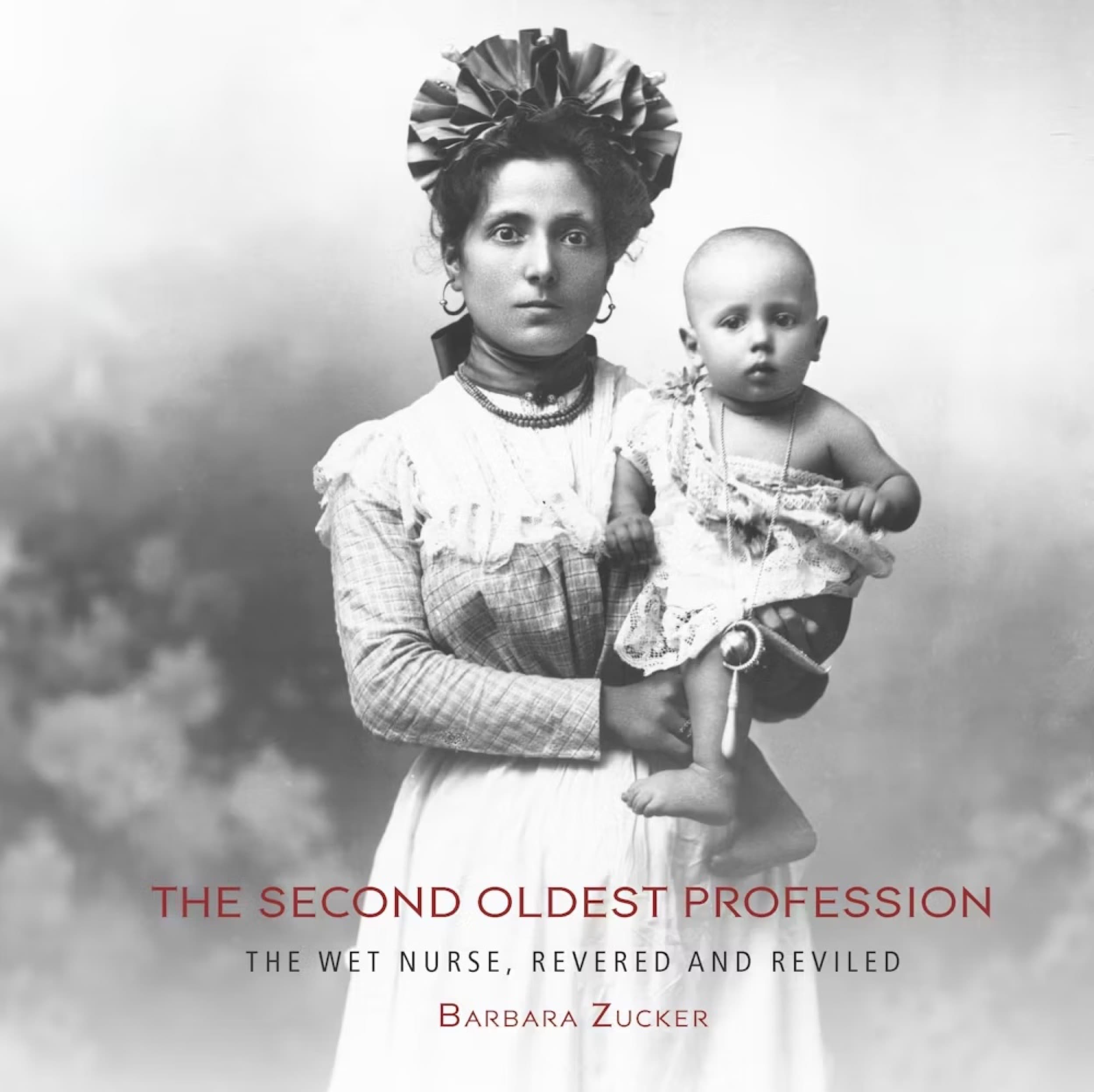
This conversation with Barbara Zucker took place in anticipation of the publication of her book The Second Oldest Profession: The Wet Nurse Revered and Reviled, in February 2026. Decades in the making, the work is a social history, economic case study, cross-cultural art-historical investigation, travelogue, memoir, and quest with a surprising twist at the end.
March 2026In Conversation
KATHY BUTTERLY with EJ Hauser
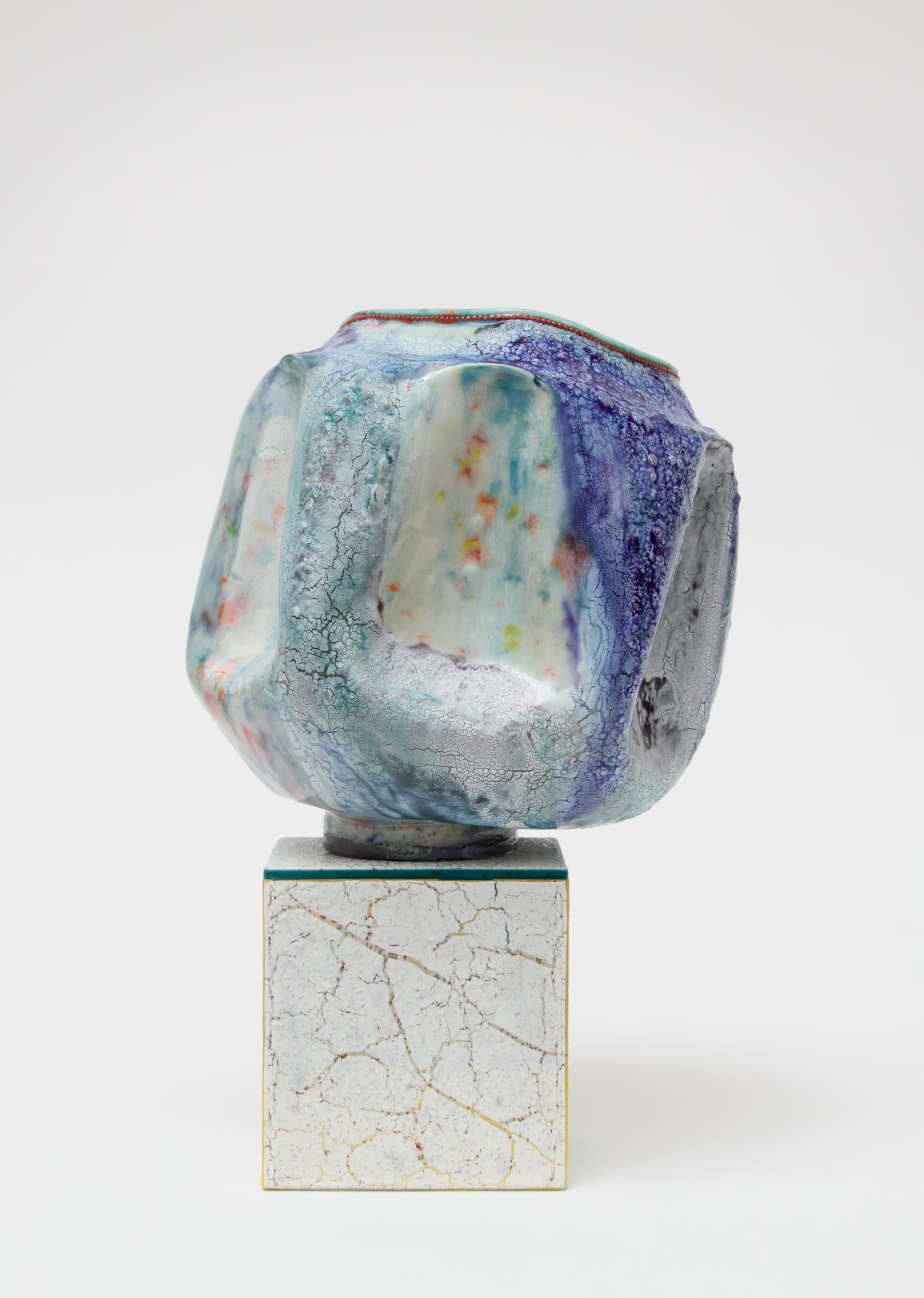
Kathy Butterly has been making artworks using the vessel form since 1986, when she was an undergraduate student at the Moore College of Art. Since then, her vessels have been shown in more than thirty solo exhibitions—most recently High Vibration at James Cohan Gallery, and currently at the Frances Young Tang Teaching Museum and Art Gallery in Saratoga Springs. On the occasion of these exhibitions, Butterly sat down for a conversation with the artist EJ Hauser. Here they discuss the trajectory of Butterly’s practice, finding beauty in reality and destruction, and the artist’s newfound mantra in art and life: “see me now.”
March 2026In Conversation
PAT OLESZKO with Dan Cameron
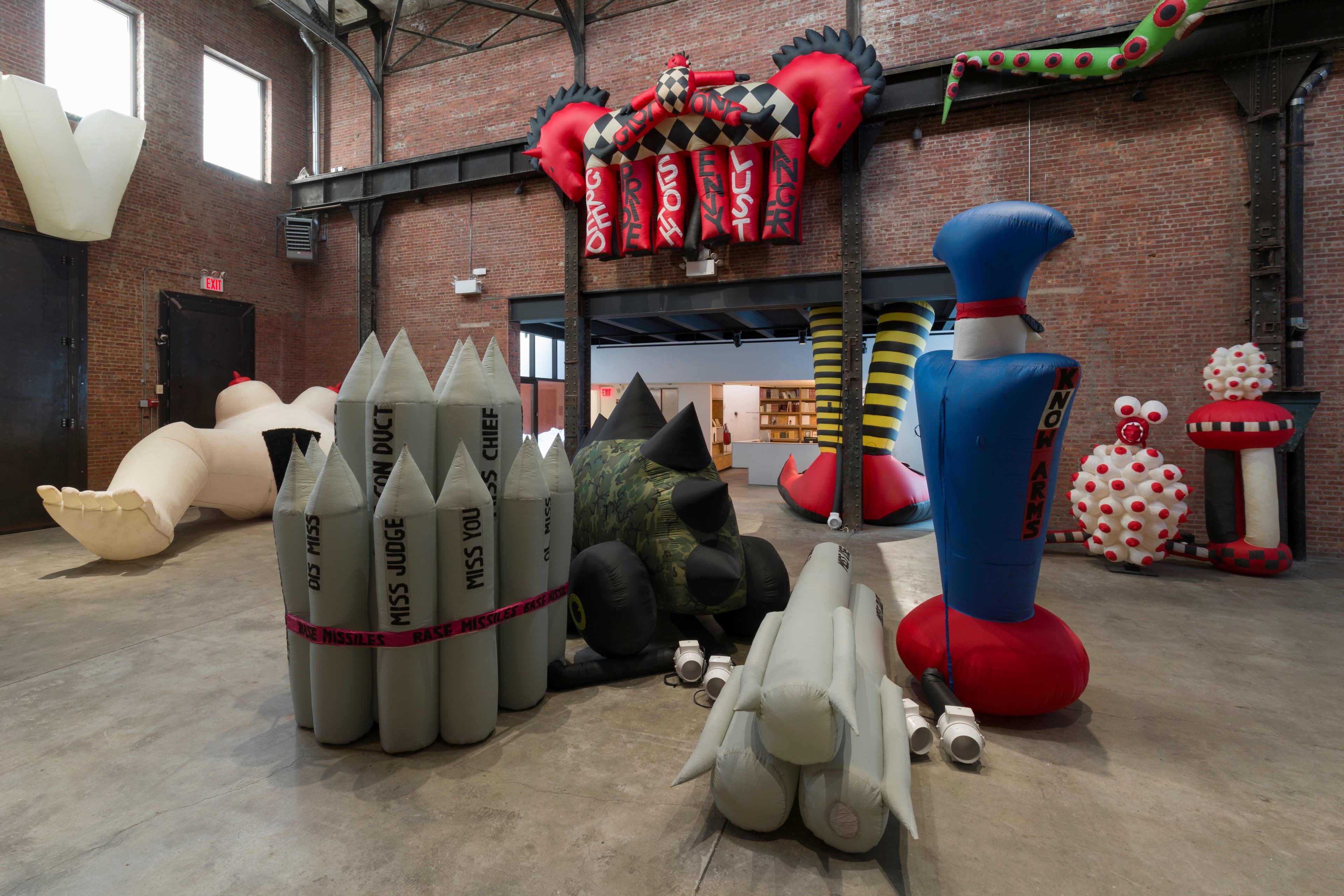
Pat Oleszko was born on May 19, 1947. At the age of seven, she dreamed of “being a puppeteer, or maybe Ferdinand the Bull.” Those dreams came true: she has created puppets, elaborate costumes, props, larger-than-life inflatables, and more public spectacles than an archivist can count. As she discussed with Rail Editor-at-Large Dan Cameron on the New Social Environment in early February, everybody has a thing, and hers is sculpture. Hers just happens “to walk and talk and fart and fuck.”
March 2026In Conversation
RONA PONDICK with Barbara MacAdam
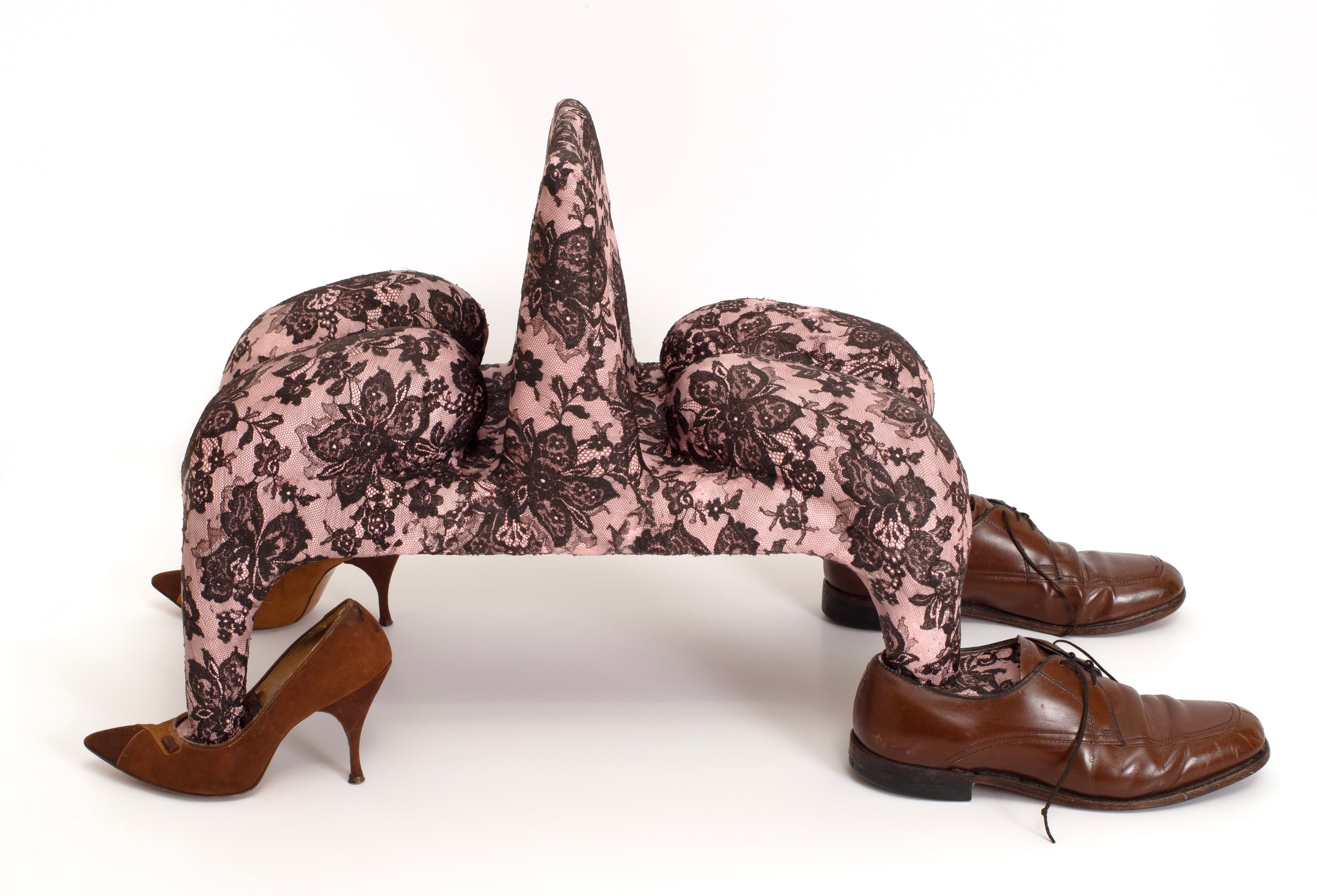
Rona Pondick and I have spent many hours pondering the complexity of her work and the bravery of her approach with her often shocking relationship to nature, in particular with the human, animal, and material body. What stands out as especially uncomfortable are her forthright expressions of sex and private emotions. In the process of assembling her work, she has said she has learned to live in the past, the present, and even the future, materially and mentally.
March 2026The Irving Sandler Essay
The Monster’s Monster
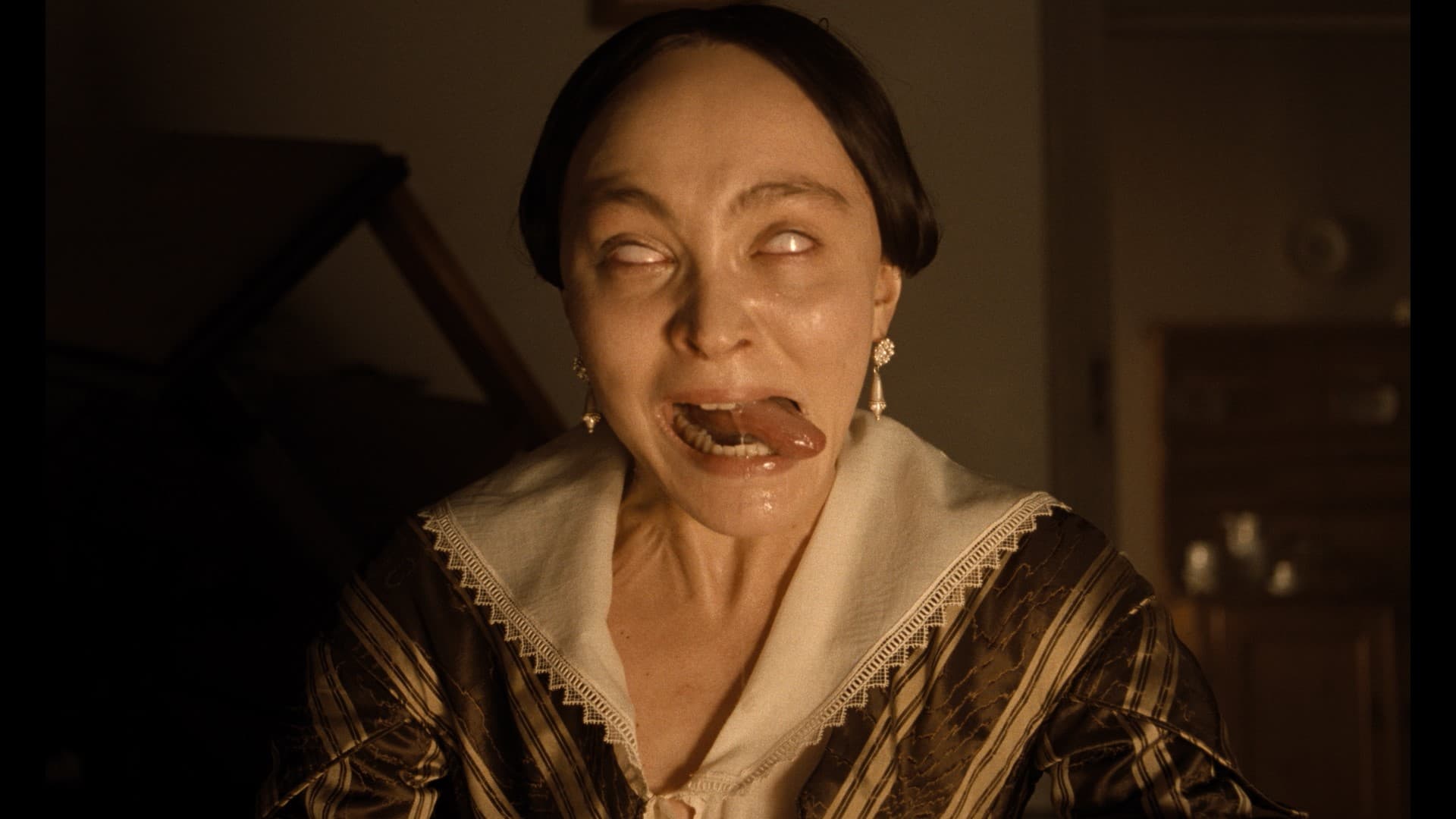
In the wake of the COVID pandemic, rapid technological change, and the fast-moving political situation in the United States, where immigrants and people of color have been cast as threats to a white American body politic, the power of horror films is easy to understand. Monsters inhabit social fault lines, growing in number as the faults widen. Horror’s shock effects and visceral charms not only continue to draw young audiences seeking thrills and chills to movie theaters, they have also bled into more serious drama and popular culture.
February 2026In Conversation
MANDY EL-SAYEGH with Chloe Stagaman
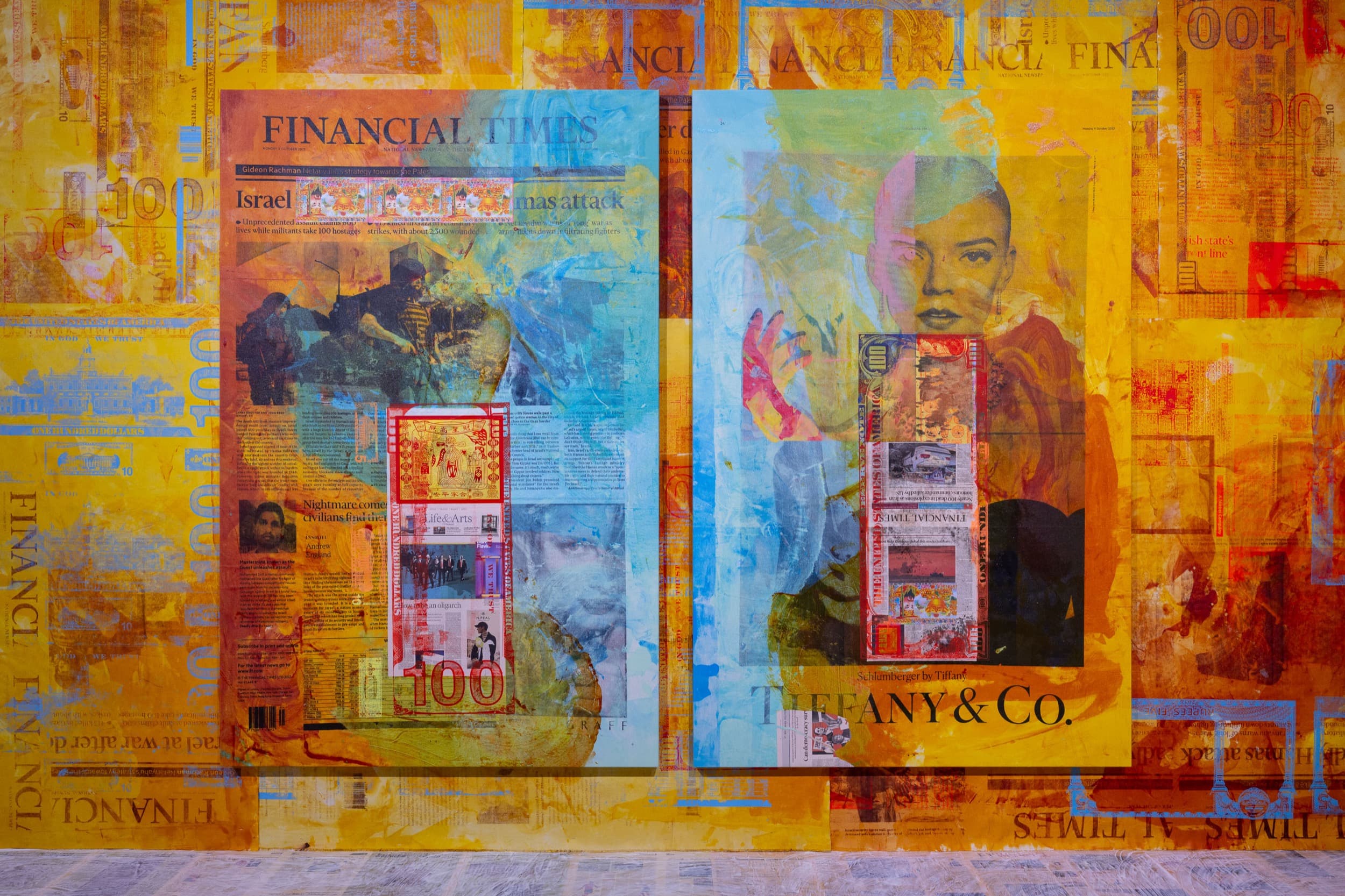
This winter, curator Amira Gad commissioned Mandy El-Sayegh to make her first solo exhibition in the Netherlands, a site-specific survey at Rotterdam’s The Depot titled Figure, Field, Grid that layers years of the artist’s projects across the institution’s third-floor gallery. El-Sayegh’s exhibition feels like entering the wound of our violent present. Images of atrocity, war, mass death, and torture are layered with headlines of political upheaval and paintings and drawings from the museum’s collection.
February 2026In Conversation
PAUL PAGK with Phong H. Bui
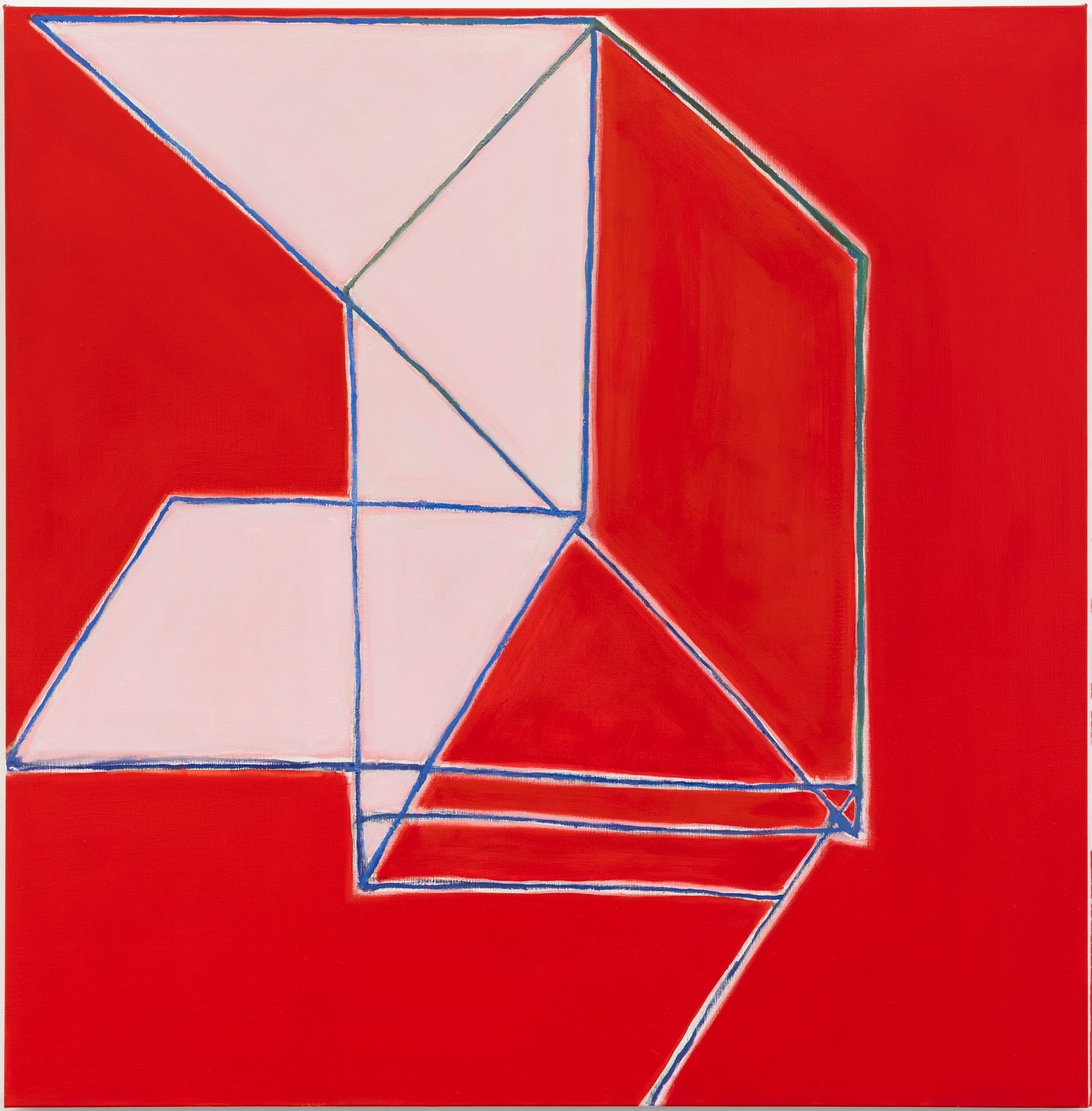
I first met the painter Paul Pagk in the fall of 1990, and soon was introduced to his work the following year at Thread Waxing Space. Ever since then, I’ve followed his work as frequently as I could in different contexts—from seeing Paul’s paintings in various one-person or group exhibitions, to making occasional studio visits and even once having a conversation before a live audience at the site of his last exhibit at Miguel Abreu in 2023—I’d never had a lengthy conversation in the studio with Paul until recently, just the day before this new body of work were brought to the gallery to be installed for Paul’s current exhibit Inscriptions in a Shade of Color (January 16–February 28, 2026), dedicated to the memory of Franz Dahlen (1938–2025).
February 2026In Conversation
ROB PRUITT with Andrew Woolbright
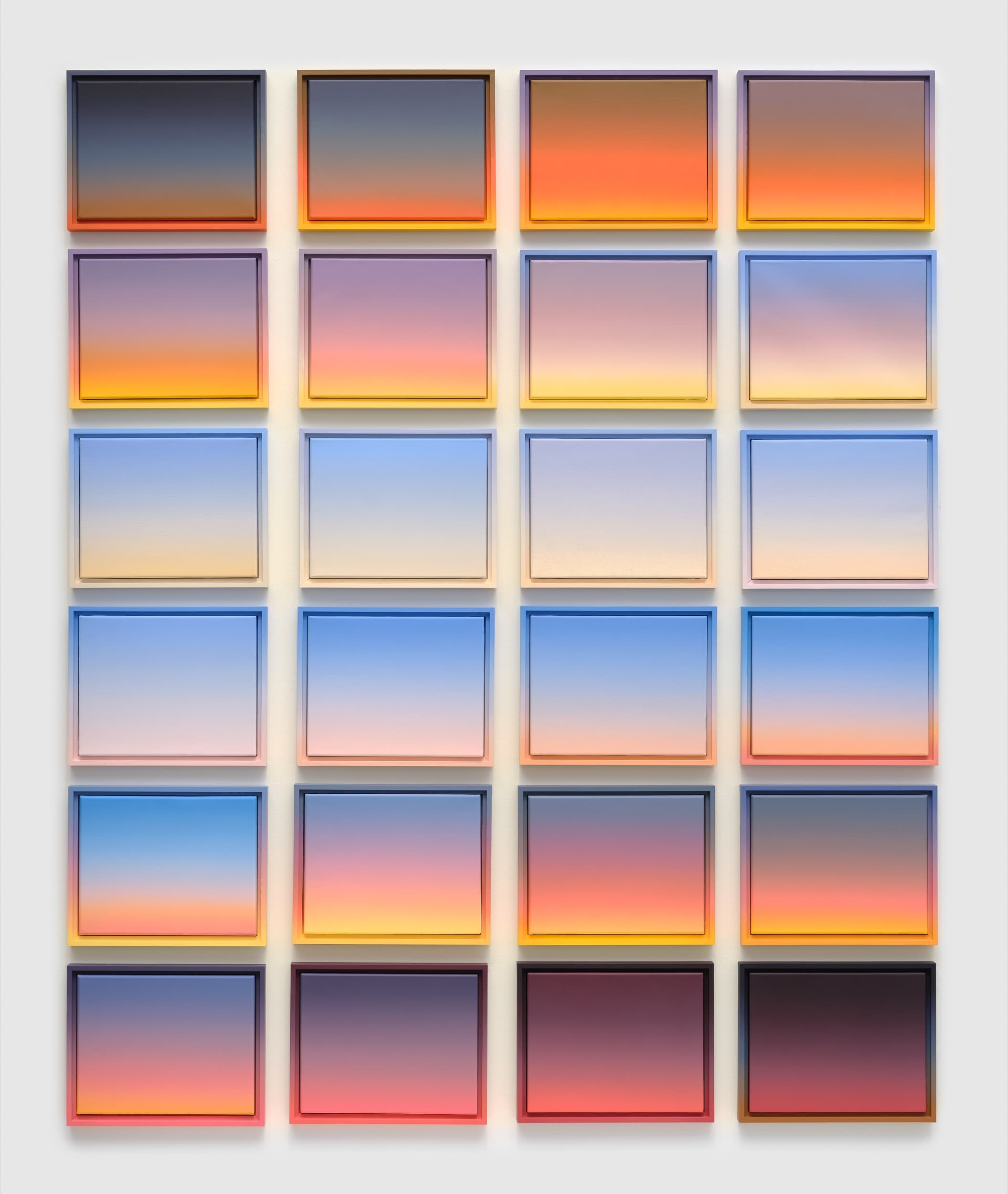
Rob Pruitt began making work as a rebellious art student in the mid-eighties, beginning a professionally successful, albeit brief, collaboration with his then-partner Jack Early. Together the two made sculptures and paintings that in turn interrogated and showcased the masculinity which had policed and persecuted them each throughout young adulthood. After a controversial exhibition and a subsequent hiatus from the art world, Pruitt returned solo in 1998 with Cocaine Buffet—a 16-foot-long mirror laid flat on the floor of the exhibition space with a coordinating 16-foot-long line of cocaine down the middle. Since then, his career has run the gamut from daily portraits of Obama to his trademark panda paintings. The artist spoke with Rail Editor-at-Large Andrew Woolbright to discuss his latest exhibition at 303 Gallery—a series of spectral watercolor gradients that deal in time past and passing, constantly in flux.
February 2026In Conversation
AYOUNG KIM with Eana Kim
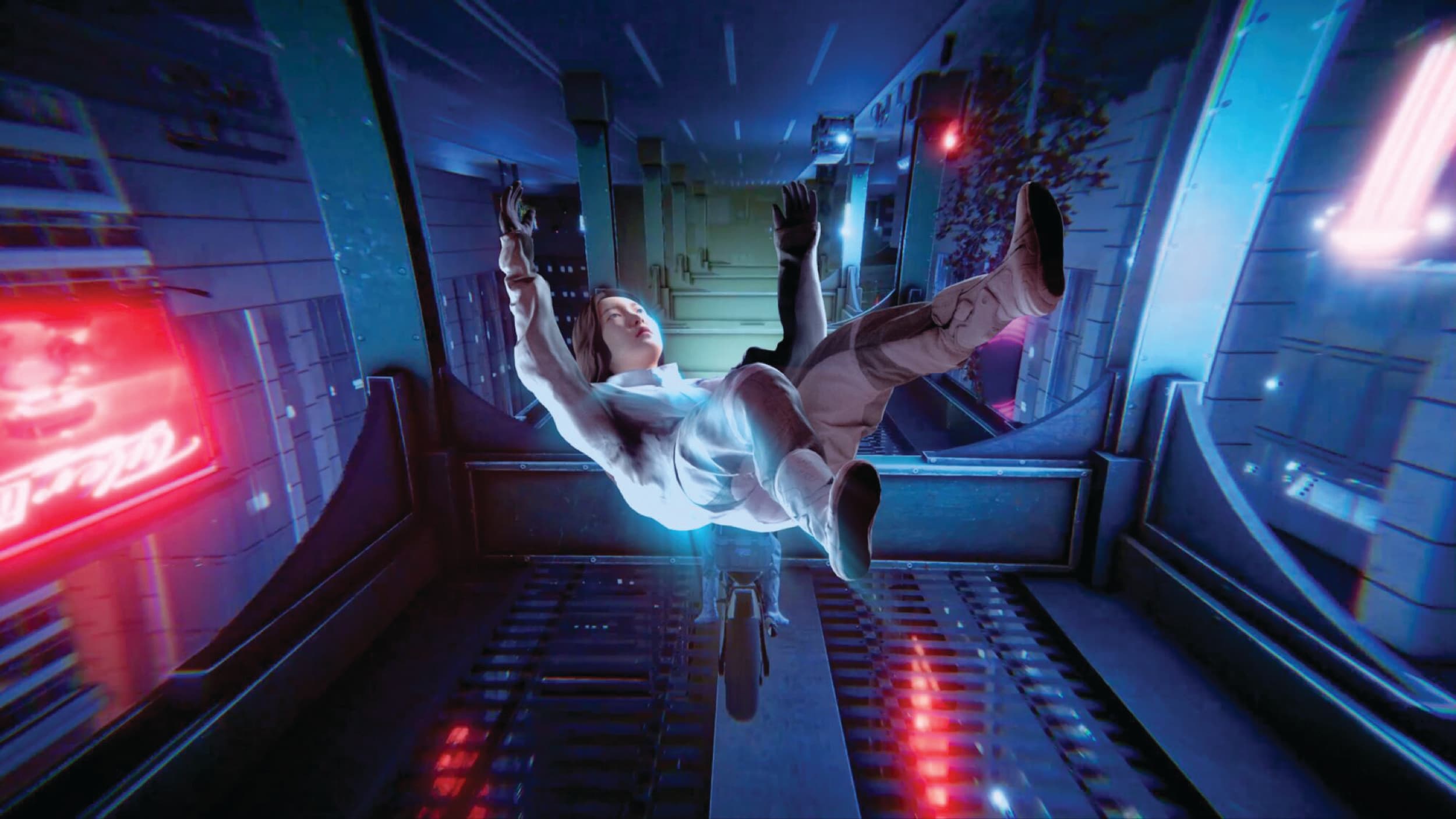
I met Ayoung Kim at the start of this year in her studio in central Jongno, Seoul, following a fall season in which her work drew significant attention in New York. After a whirlwind of exhibitions and international visibility, encountering the artist at Nakwon Arcade—one of Seoul’s most unassuming yet historically layered sites—felt unexpectedly grounding. I arrived at her compact studio almost by chance, alongside a delivery courier. We pressed the same elevator button, walked the same corridor, and rang the same doorbell. The courier disappeared immediately; when the door opened, I alone stepped inside. The studio’s walls and tables were densely layered with handwritten notes, sketches, and project plans—evidence that beneath the spectacle of recent success, everything still begins here.