Phong H. Bui
Phong H. Bui is the Publisher and Artistic Director of the Brooklyn Rail.
However much we may assume of the relationship between painting and film, with the former having been created in the Upper Paleolithic period (40,000-60,000 years ago), and the latter merely 138 years ago, one thing we generally take for granted is that technical images, be them still or moving, are products of mediated processes, hence have deeper roots in made images, from either painting or sculpture.
When we acknowledge that never before in human history have there been two political powers of similar size, scale, and economic and military capabilities confronting each other as the US and China now are, we realize the special relevance of George L. Kennan’s most enduring concept—his policy of containment.
Between Fingers and Skin
For Matt Dillon
As those with virtuous attributes rarely seek power for themselves—in contrast to those who prey on fear and resentment to gain dominance and wealth—how can the culture of selfishness, egoism, and lust for power be replaced by altruism, generosity, and honor?
April is poetry month, and as we celebrate it we surely miss how former President John F. Kennedy offered such beautiful words in his 1963 eulogy for Robert Frost at Amherst College: “When power narrows the areas of man’s concern, poetry reminds him of the richness and diversity of his existence.”
Having witnessed the killings two weeks apart by the US Immigration and Custom Enforcement (ICE) agents in the Twin Cities of our two decent and productive fellow American citizens Renee Nicole Good, a writer and poet of three children, on January 7th and Alex Jeffrey Pretti, an intensive care nurse for the United States Department of Veteran Affairs, on January 24th, both were 37 years of age (b. 1988)
The ethos of tolerance and diversity has been a driving force not only behind the emergence of the United States of America as a moral exemplar, but also an important element of its economic prosperity. The end of such tolerance would severely damage the moral esteem with which the United States has long been regarded. Immigrants and refugees should not be used as political pawns, as we’ve experienced with unrelenting aggression under the Trump administration. To do so is in fact un-American.
As our world has become increasingly more mechanized by technological speed and its inherent coldness, we can easily be subjected to behavior in response to algorithms, and so we urgently need to consider the essential differences between freedom being negative and positive.
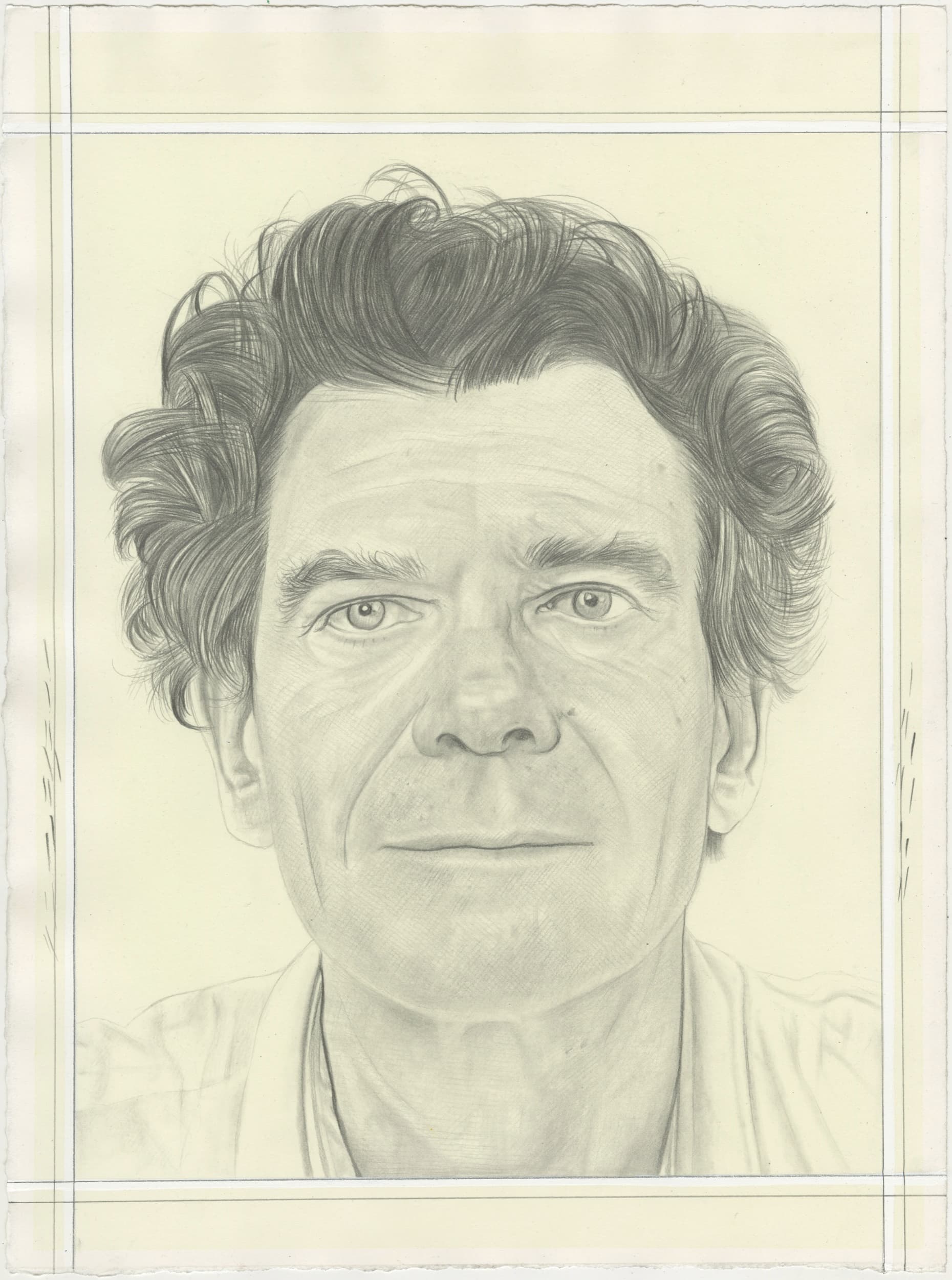
I first met the painter Paul Pagk in the fall of 1990, and soon was introduced to his work the following year at Thread Waxing Space. Ever since then, I’ve followed his work as frequently as I could in different contexts—from seeing Paul’s paintings in various one-person or group exhibitions, to making occasional studio visits and even once having a conversation before a live audience at the site of his last exhibit at Miguel Abreu in 2023—I’d never had a lengthy conversation in the studio with Paul until recently, just the day before this new body of work were brought to the gallery to be installed for Paul’s current exhibit Inscriptions in a Shade of Color (January 16–February 28, 2026), dedicated to the memory of Franz Dahlen (1938–2025).
As we think of our journey toward this historic milestone, let us take this time as an opportunity to pause and reflect on our nation’s past, honor the contributions of all Americans, and look ahead toward the future we want to create for the next generation and beyond.
Though we know that every human idea that ever came into existence is open to various interpretations, and vulnerable to distortions that could lead to endless unexpected perverse consequences, we also know that as long as we can hold the space that lies in-between for ourselves, our worldviews and our observations of human behavior can be explored endlessly and lead to broader thinking.
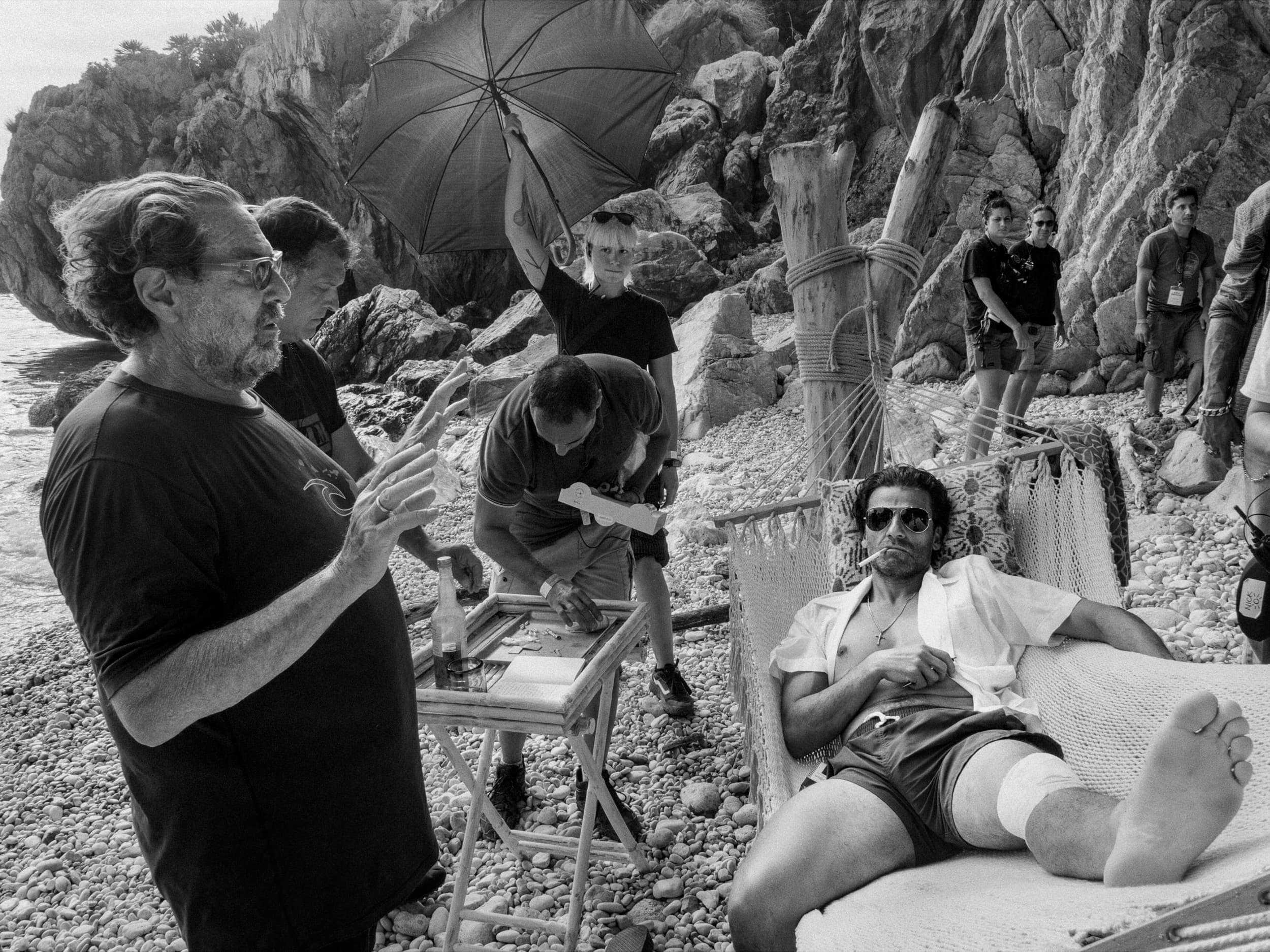
The Guy Who Got Cut Wrong is fluidly and brilliantly depicted both on behalf of the subject and the filmmaker in a rare mutual human comfort, unpretentiousness, and deep empathy.

As we celebrate our twenty-five-year anniversary of the Rail this month, I’ve come to recognize it as a new social environment—not a conventional printed matter or a magazine created for artists, but rather a living organism, filled with inspiring expressions of artists and other creatives for our various communities
Those who have followed Ann Craven’s work would broadly acknowledge that in her lifelong commitment to painting, she has created an ongoing dialogue about the made factum that lies between guilty pleasures that have been constantly and firmly sheltered, and pictorial invention that thrives in-between the seen and the unseen, impression and memory.

As we come to terms with our current geopolitical crisis, we have little or no choice but to either surrender to or resist the coexistence of globalism and nationalism, knowing that while the former embraces interconnectedness and global partnership, the latter insists on national interest and national identity.
Now may be a good time for us to reassess where we have been, and how we got where we now are in this weird and wonderful place called America: a place that we have always called free and open, but where the back-and-forth swings of our social and political pendulums are more extreme than anywhere else on earth.
In entering this extraordinary exhibition, Caravaggio 2025 at the Palazzo Barberini in Rome, brilliantly co-curated by Francesca Cappelletti, Maria Cristina Terzaghi, and Thomas Clement Salomon, I found myself wondering why the works of certain artists, and not others, arouse our admiration and viewership only long after their deaths.

Stanley Kubrick once said, “To see a film once and write a review is an absurdity.” One might respond that to see a film once and not write a review is pretty normal. But every once in a while we see a film that compels us to see it again for its hidden subtleties—and to write a review. This is the case with Jane Weinstock’s latest film, Three Birthdays.

Having recently read Nathaniel Hawthorne’s The Scarlet Letter again, I began to think about how young America is. It only began with the Pilgrims and the Puritans who migrated from England to North America, primarily New England, during the first Great Migration between 1620 and 1640. And the formal creation of the United States of America came only after the Declaration of Independence in 1776, less than 250 years ago.
On a rainy morning, sometime in May of 1851, Herman Melville wrote a long letter to Nathaniel Hawthorne with an apologetic yet remarkable excuse for his failure to visit his friend as he had promised for quite some time. It was in this very letter that he described his “ruthless democracy,” implying what had prevented him to take his “pine-board chariot” from his home in Pittsfield to Hawthorne’s home in Concord, Massachusetts—the distance between the two locations could have required days by horse then, though it would take only two and a half hours by car today.
On the occasion of Graham Nickson’s solo exhibition In Black and White at Betty Cuningham Gallery in 2022, art historian Jack Flam and Rail Publisher and Artistic Director Phong H. Bui engaged in two extended conversations with the artist about his long career as a painter and an educator. In addition to a distinguished career as an artist, Graham was a legendary and deeply committed faculty member and Dean of the New York Studio School for thirty-four years.

In his 2016 best-selling memoir Hillbilly Elegy, JD Vance proudly shared how he went from being a Marine to attending college on the GI Bill at Ohio State University, then went on to Yale Law School, and asserted how it was education that lifted him out of poverty. By 2021, however, during a speech titled “The Universities are the Enemy” at the National Conservatism Conference, Vance said, “We have to honestly and aggressively attack the universities in this country.”
We must once again be as inventive, resilient, and courageous as urgently needed in mediating the following impending issues—what Philip Roth refers to as “The indigenous American berserk,” by which he meant America is a nation of extreme contradictions, capable both of losing its mojo by self-effacing identity and of demonstrating its own arrogance and narcissism.
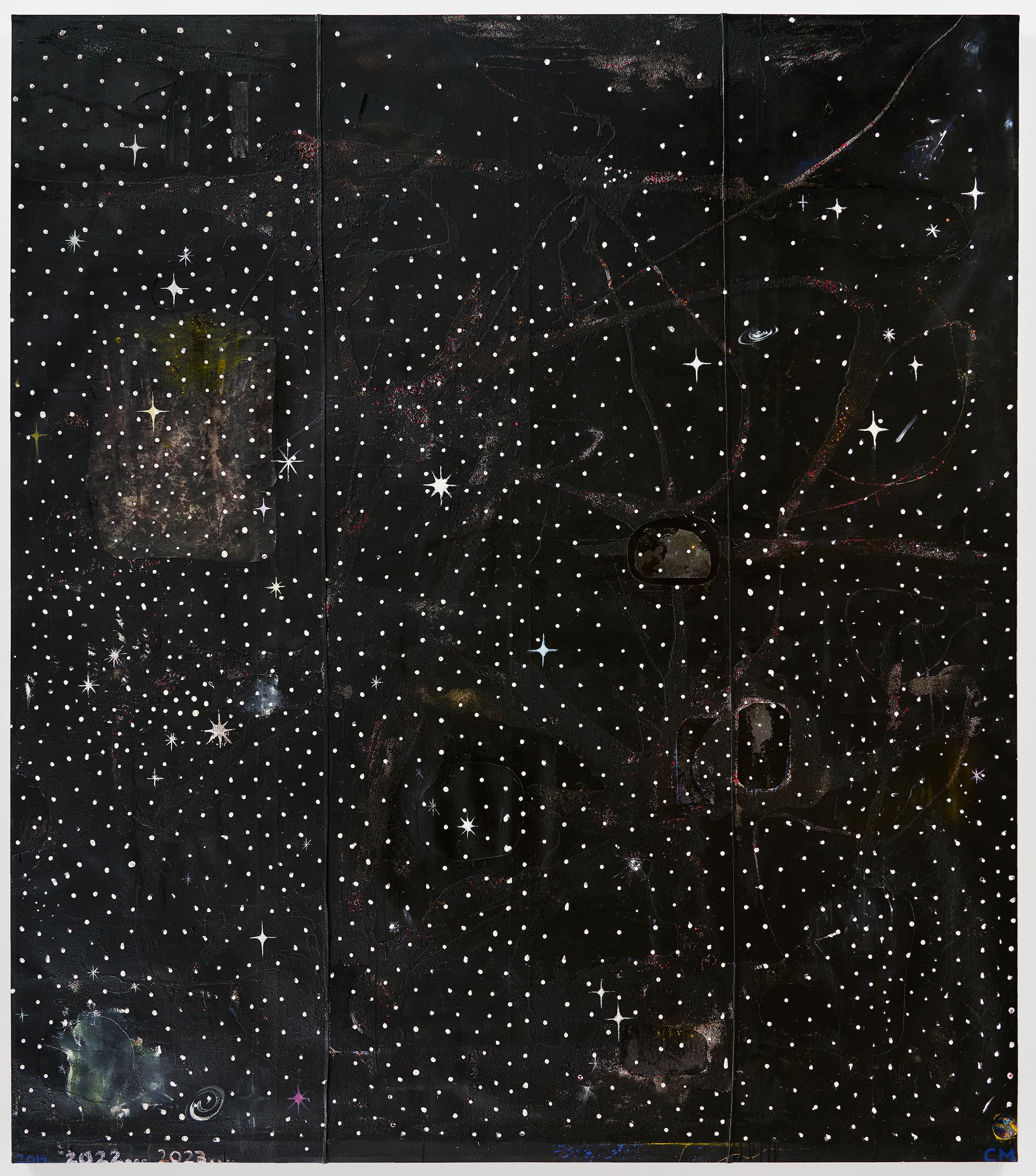
What is it that compels us to recognize the arrival of an artist who has finally reached his, her, or their hard-won unity of late? It may be because this artist has already achieved it long ago though we’ve failed to see it. Chris Martin, who recently turned seventy, comfortably belonged to either or both categories.
How can we forget the 2016 election of Donald J. Trump, Brexit, the rise of populism in the West, while in the East China’s fierce ambition altered the global balance of power? As we now come to acknowledge that we had taken liberal democracy for granted in the last few decades, we have to remind ourselves how its miracle is also its fragility.
Written as a panacea of short poems, haiku, essays, quotes along with original and mesmeric illustrations by Mariano Chavez, this small, handsome book is the author’s personal synthesis of sustaining self-introspection from which nature is a mirror of human nature, and it can be read at any place and time without specific order.

After having spent a whole afternoon absorbing the extraordinary exhibition David Smith: The Nature of Sculpture, remarkably conceived and curated by Suzanne Ramljak at Frederik Meijer Gardens & Sculpture Park, I was delighted to be once again reminded of Smith’s early formation as a painter.

At the Rail, we have just celebrated our twenty-fourth anniversary in October by launching a brand new and dynamic website, through which we want to deploy the imminent slowness and warmth of our made thoughts, made objects, among other acts of creation, as counter-frictions against technology’s speed and algorithmic coldness.
This issue is dedicated in loving memory of our friends Alicia Henry (1966–2024), Richard Mayhew (1924–2024), Robert C. Morgan (1947–2024), and Lillian Schwartz (1927–2024), all of whom have significantly contributed to our visual culture in their respective works of art, teaching, and writing.
There have been many artists who made important contributions to their discipline and to a specific medium, but only a very few have changed how we think and feel about their discipline or their medium. Undoubtedly Richard Serra is one of those few.

This issue is dedicated to the remarkable lives and works of our mentors and friends, David Anfam (1955–2024), Rebecca Horn (1944–2024), Fredric Jameson (1934–2024), Steve Silberman (1957–2024), and Jacqueline Winsor (1941–2024), all of whom our critical culture is indebted to, in their fearless, inventive, and agile thinking.
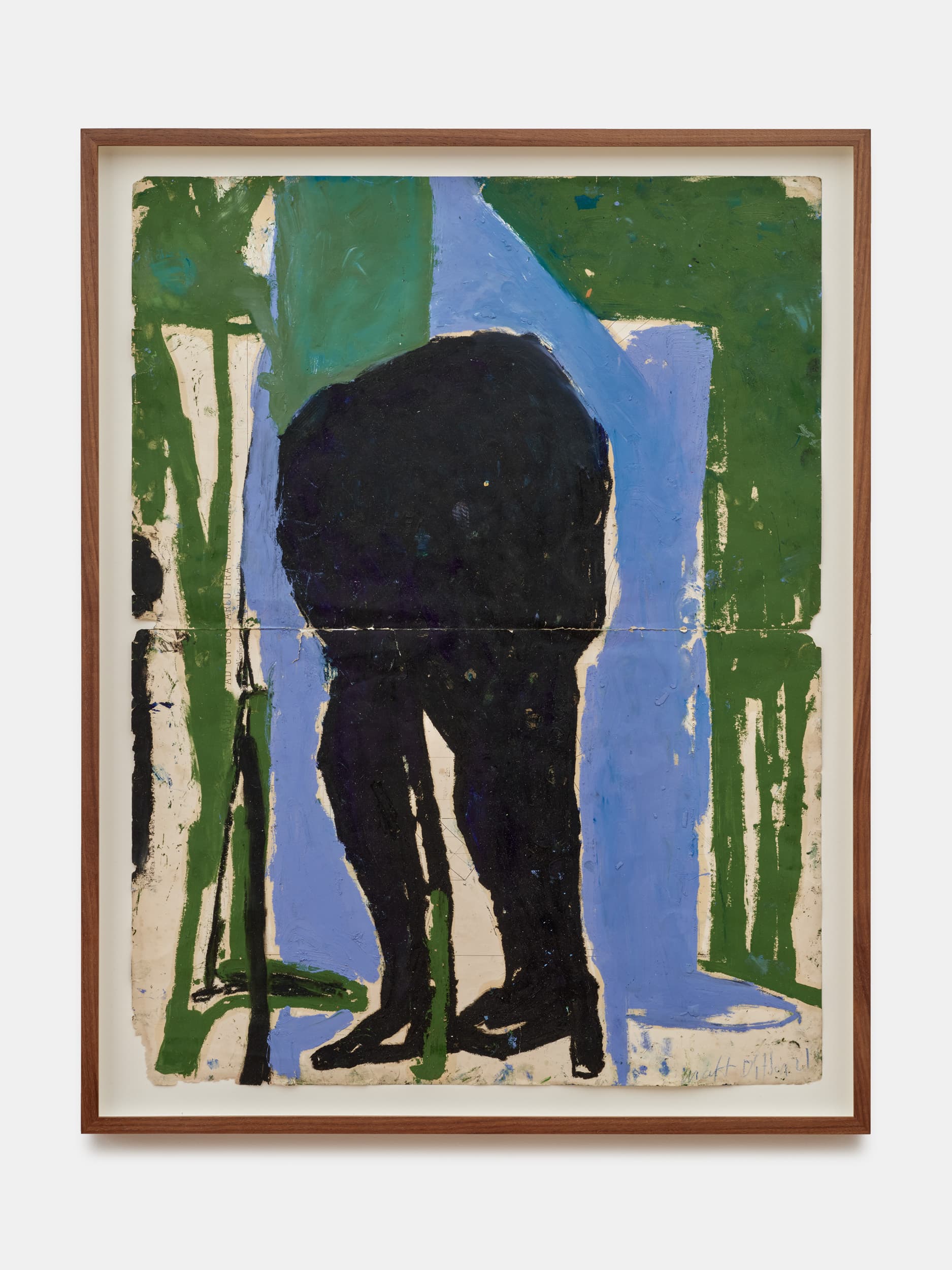
On the occasion of his first solo exhibit, Rascals and Saints, at Ruttkowski;68 in Paris, I paid Matt a lengthy visit to his Upper West Side studio in late July to see what he was making, then Matt came to Rail headquarters in mid-August to have this lengthy conversation about his life and work as an artist of all colors.

We human beings, who inhabit seven continents across the world, stretching across Asia, Europe, Africa, North America, South America, Antarctica, and Australia, with a total population of 8.2 billion, have always to some extent have accepted the fact that accidents, also known as asymmetrical occurrences, are abundant and real.




His idea of impermanence and transcendence.


What if L’Atalante was the best film ever made, and Jean Vigo was a true anarchist


He’s amazed by constellations of dots as conduits./
Bilateral symmetry, troweling, spraying, framing/
As a total necessity.


