Lyle Rexer
Lyle Rexer is the author of many books, including How to Look at Outsider Art (2005), The Edge of Vision: The Rise of Abstraction in Photography (2009) and The Critical Eye: 15 Pictures to Understand Photography (2019). The Book of Crow, his first work of fiction, parts of which first appeared in the Brooklyn Rail, has recently been published by Spuyten Duyvil Press.
A famous artist, who was briefly married to a friend, also an artist, once labelled the kind of work her partner liked “kitchen art.” Nice to look at, maybe a little overelaborate but harmless, formally obvious, and conceptually undistracting.
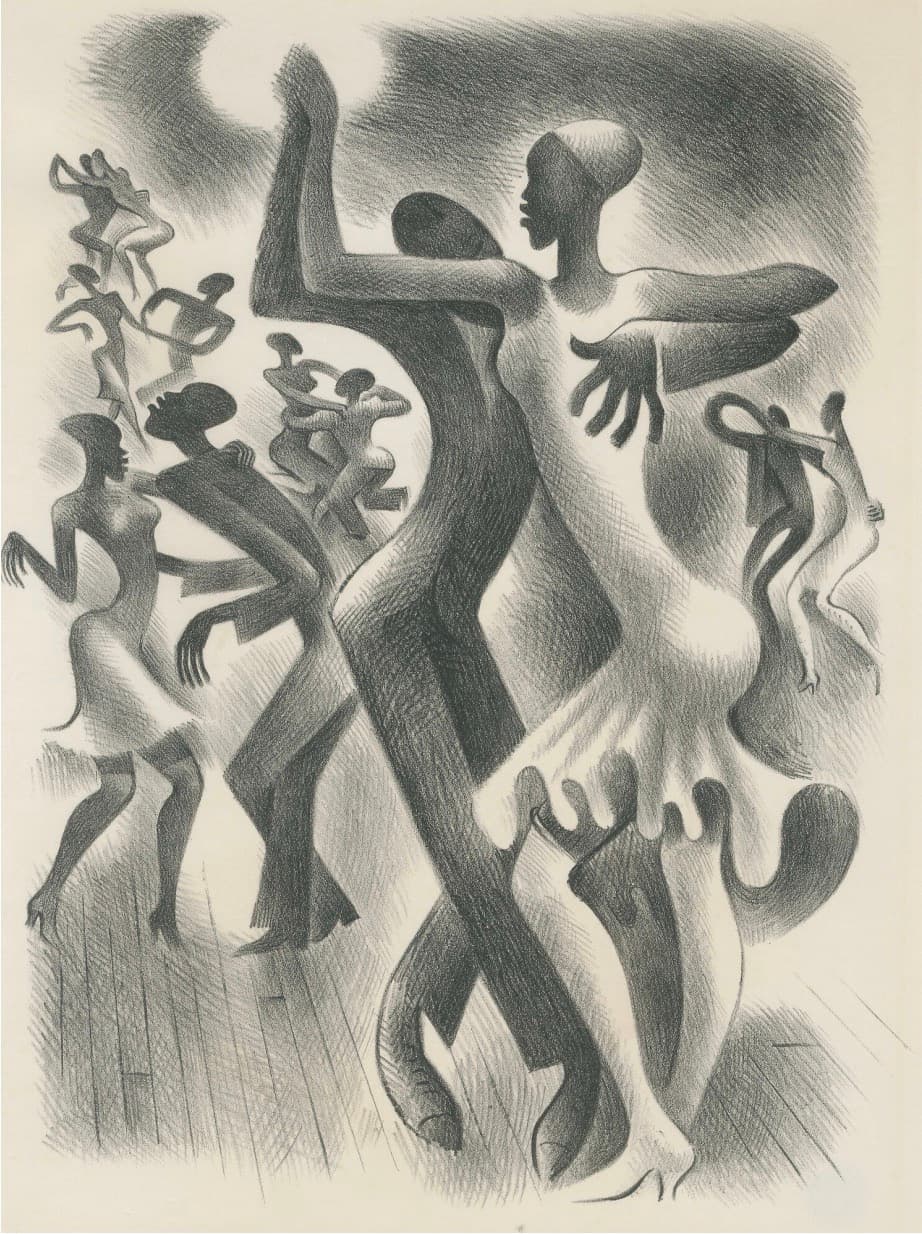
Contracorrientes brings together two Mexican artists of different generations who might easily be discounted as mere illustrators, but are revealed here in a common and compelling exploration of cultural indebtedness. The work of Miguel Covarrubias and Jerónimo López Ramírezdoes not run against the main current of modern Mexican art but rides it, celebrates it, and globalizes it.
Call it approach-avoidance syndrome, but artists in the West have long been engaged in separating themselves from the work of art, indulging what must be a deep-seated fantasy of simply not making anything at all.
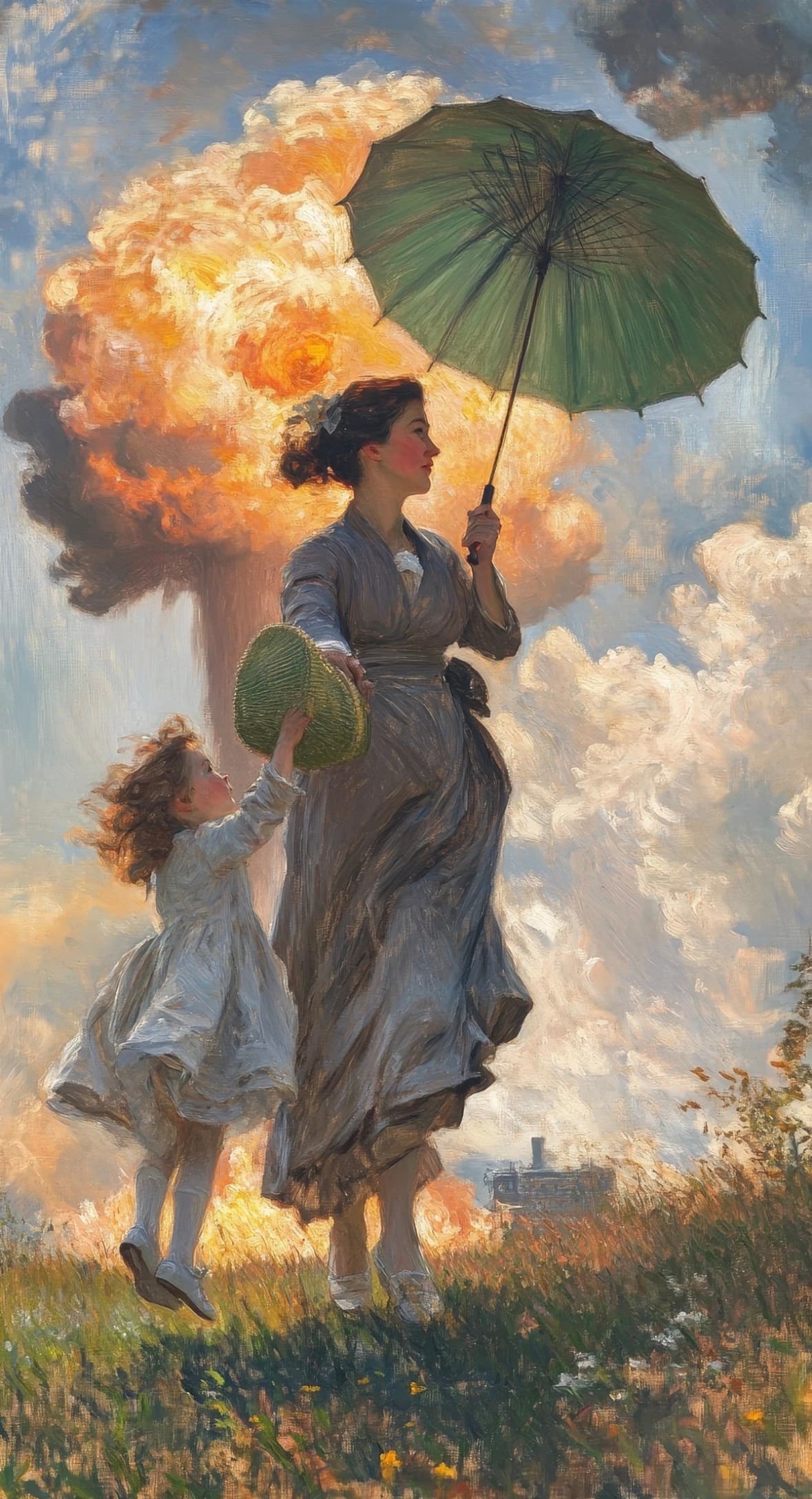
For me, Gober’s art works best when the associations it provokes are intimate and uncomfortable but not obviously so.
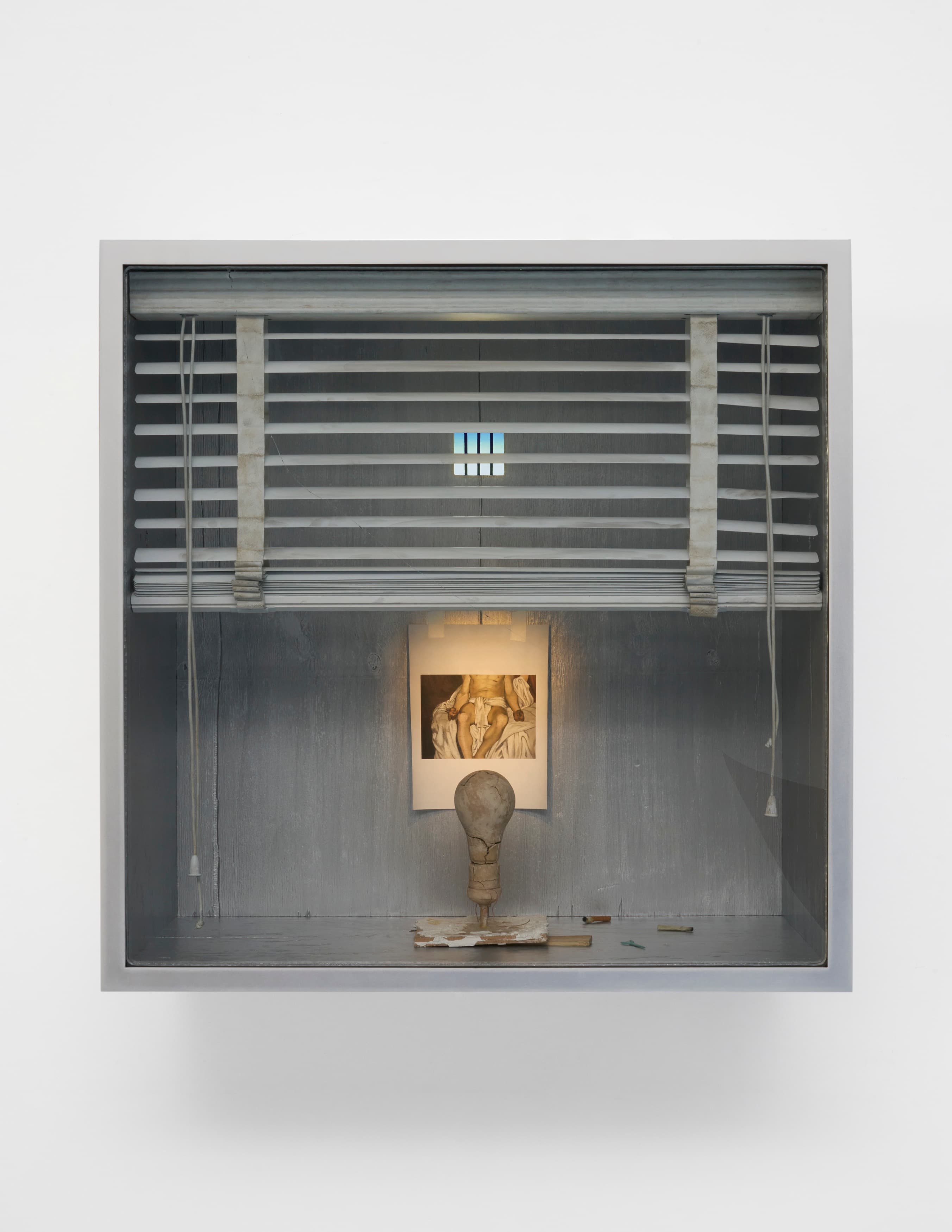
I never saw my father clearly until he was dead. My mother woke me in the middle of the night, and I looked at him, just deceased, with a mixture of dispossession and utter clarity.
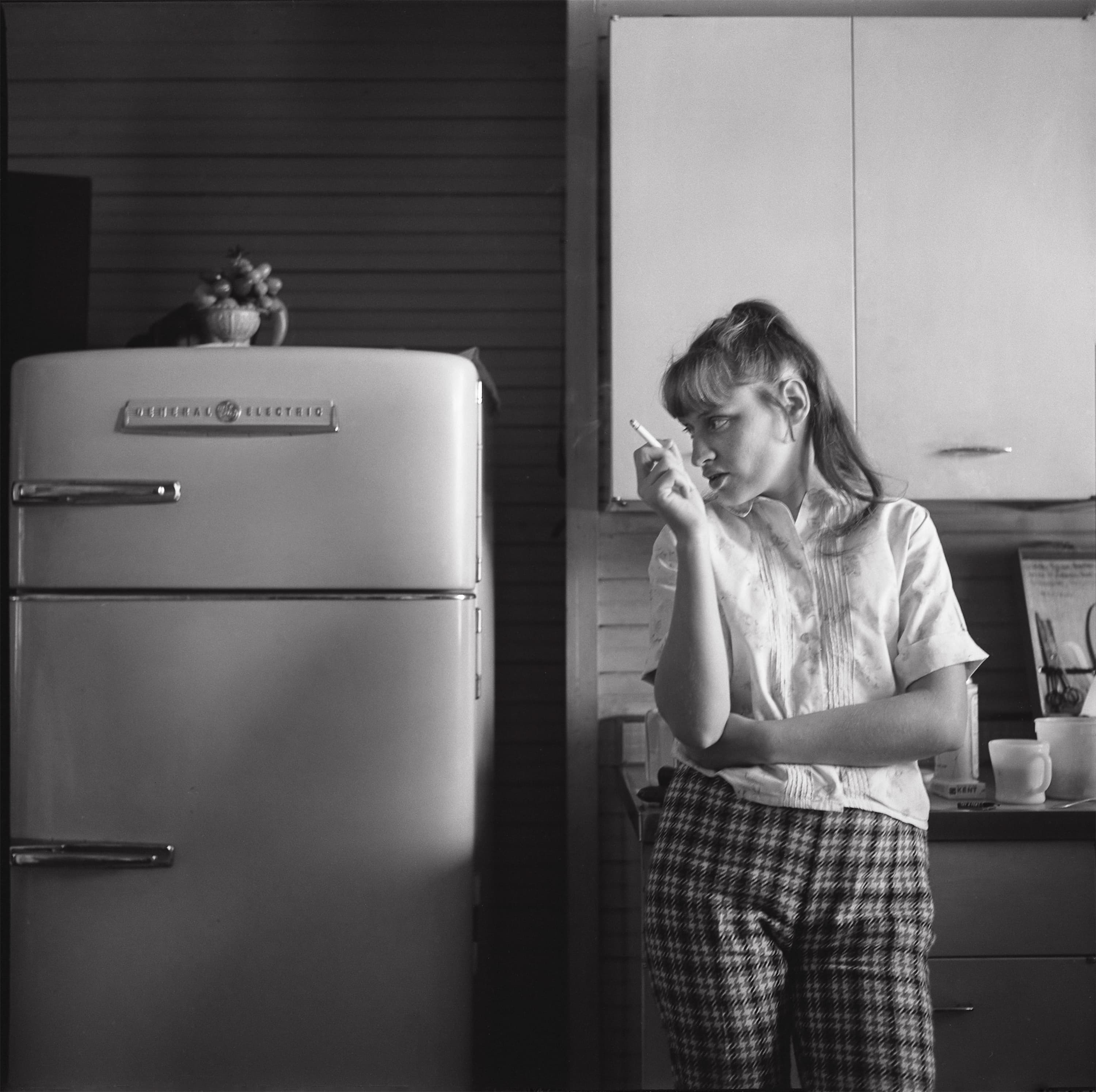
A city, any city, is the sum of its representations. If I say the word Naples, no discussion of its municipal budgets, housing scarcity, and overtourism can displace the folklore, urban legends, lies, scabrous historical half-truths, and fictions that gather in the word.
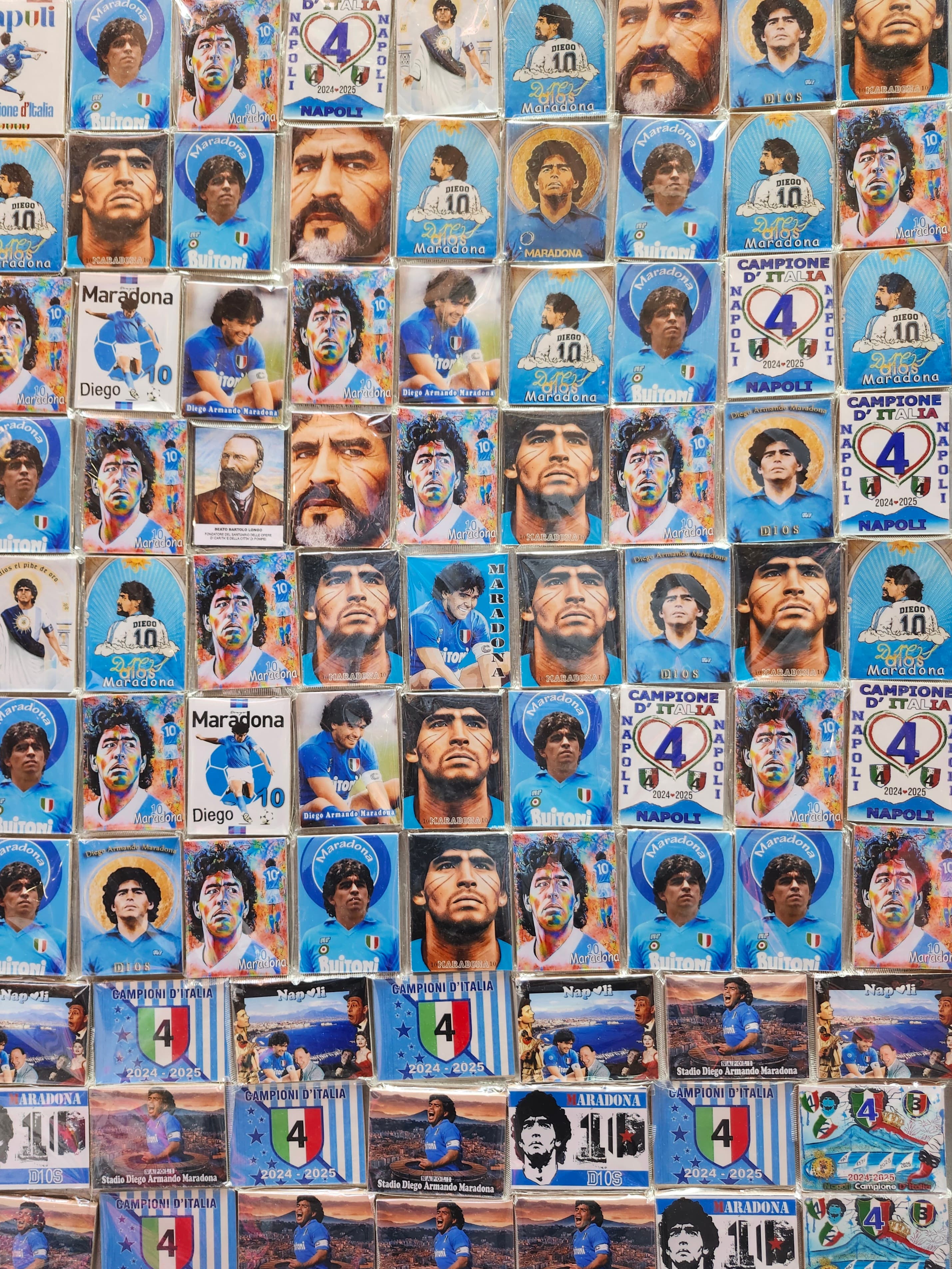
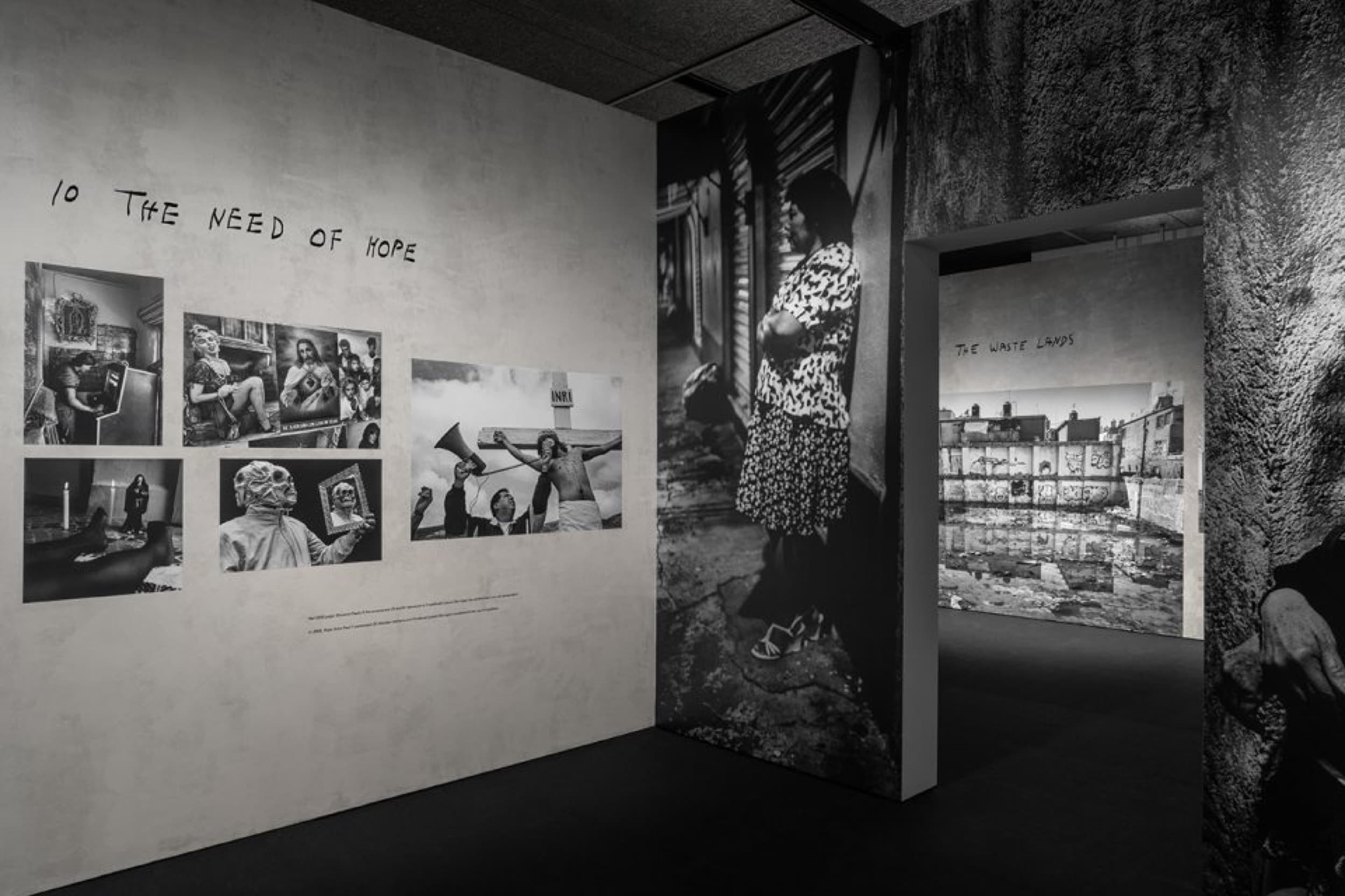
In six rooms at Prada, Iñárritu arranged anywhere from one to three 35-millimeter film projectors, running footage he had spliced together and given new soundtracks, often ambient or other soundscapes.
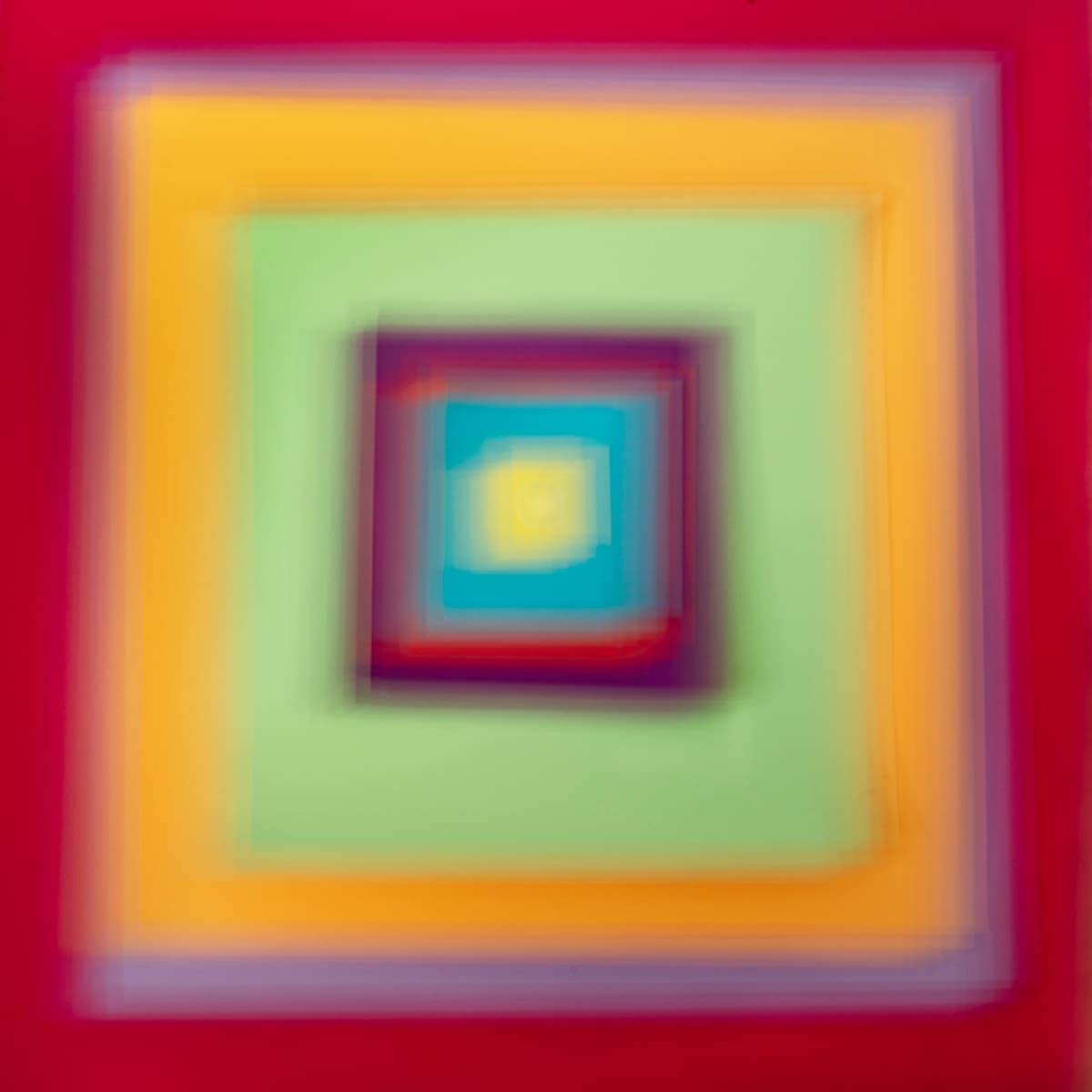
To appreciate what Bill Armstrong has done in this luminous mini-retrospective, we need to geek out a bit on the origins of photographic blur.
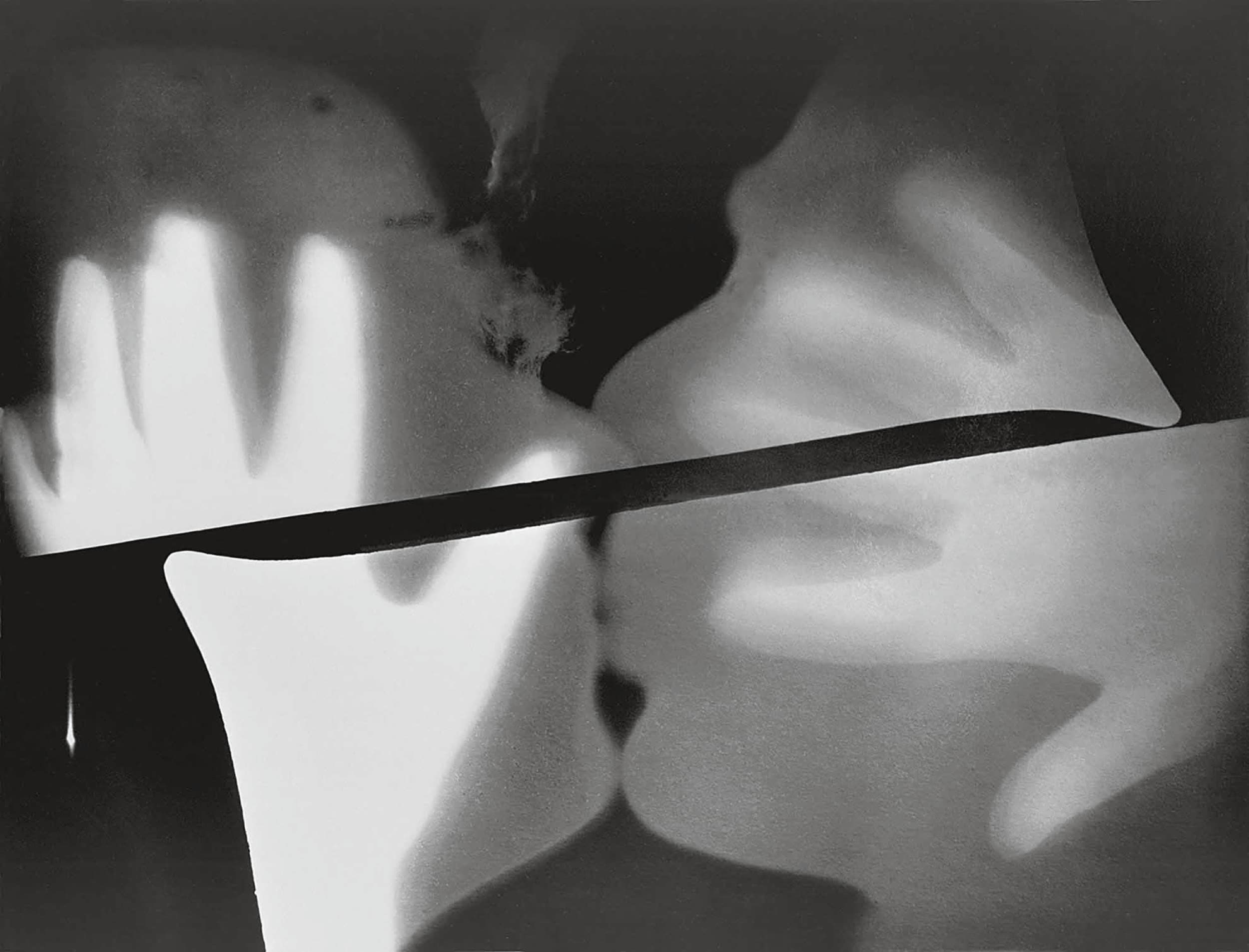
“Many so-called tricks of today become the truths of tomorrow,” wrote Man Ray (1890–1976) in his autobiography. Indeed they do, and nowhere more than in the domain of photography, whose practitioners are constantly coming up with new ways (and reasons) to do old things.
As Welsh writer and novelist Arthur Machen (1863–1947) related long after the fact, when he sat down to write the novel The Hill of Dreams, he had already published two works of fiction that had repelled some critics for their “decadent” and supernatural themes, but had earned him at least a following, including praise from Oscar Wilde.

Isaac Wright’s first exhibition in New York City introduced dramatic photographs into the white cube that usually have no place there but are tremendously popular, for a variety of reasons.

Hal Hirshorn (1965–2025) was probably better known for his presence in the art world than for his work. He was a photographer and painter, a thinker and a raconteur. Isaac Aden, who knew him well toward the end of his life, when he passed away suddenly, organized this exhibition at Ethan Cohen’s two New York galleries.

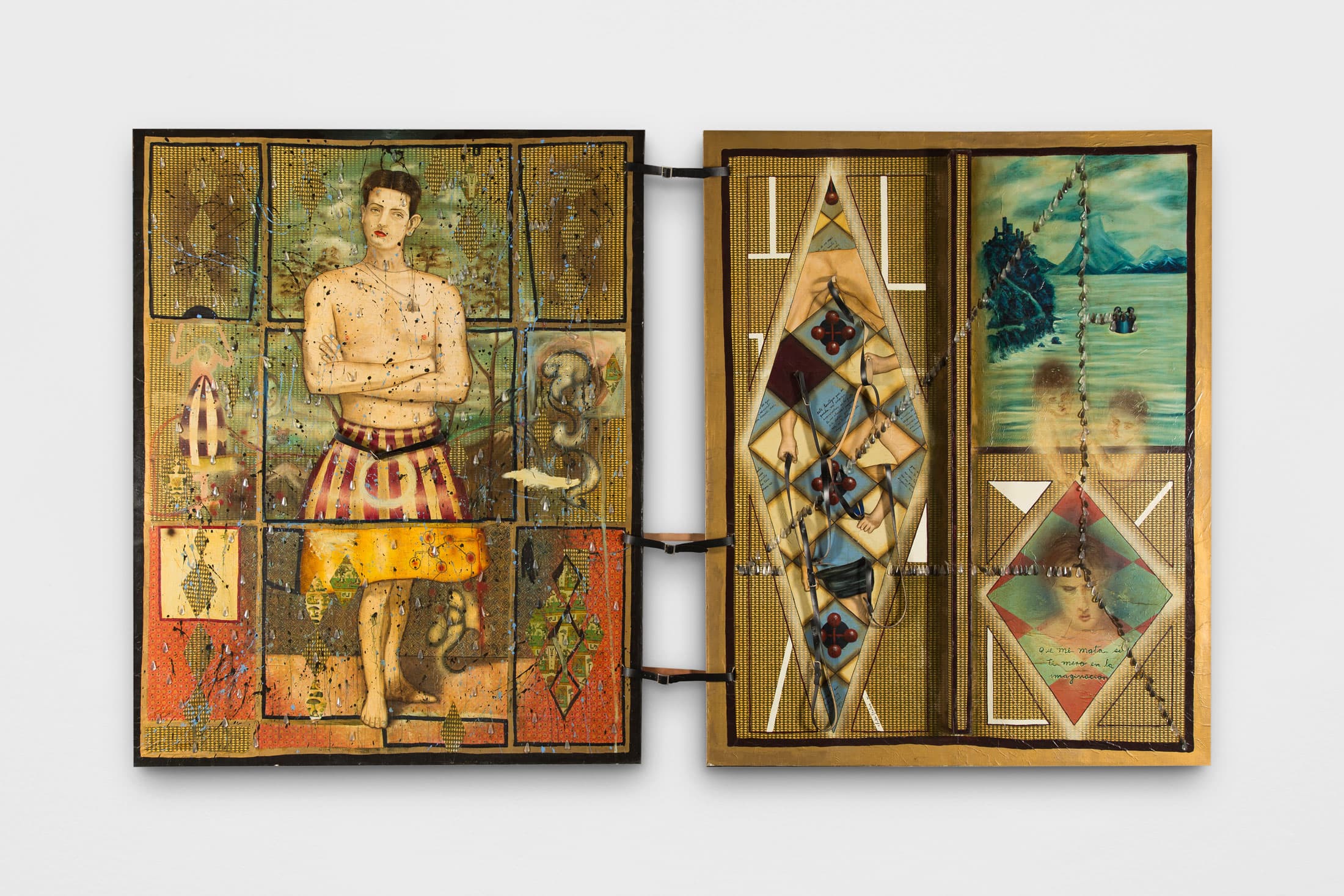
For reasons that should be obvious, Galán came to New York from Mexico in the early 1980s and became a figure in the downtown scene, mingling with Basquiat, Warhol, and Clemente, among others. I vaguely remembered his name from Annina Nosei Gallery, where he had several shows, but Galán left New York to return to Monterrey and did not leave a significant trace.
From the book, we might expect a love letter steeped in nostalgia, “mi Buenos Aires querido,” as the tango goes. Or a nationalistic reprise of ambition and expansion. But Alfredo Srur’s own photographic practice of stark realism impels him to give us what Olds saw, unlaundered.

Cleared of visitors, the small space at Ethan Cohen gave me the strangest of sensations. I felt that I had been transported into the Greek and Roman wing of the Metropolitan but that it had become a dream version of itself. Something was being deeply channeled through Emil Alzamora’s exhibition, Dulce Compañía (Sweet Company), and it was not simply a matter of the references these superb sculptures made to embalmed traditions.

Lyle Rexer writes about Franne Davids known as Franne, who was born in Connecticut in 1950. By the late seventies, she was diagnosed with paranoid schizophrenia. The basement of her parents' house became her studio, and she immersed herself in painting. At her death in 2022, Franne Davids left behind forty-two large paintings on canvas and some 550 works on paper. By happenstance or providence, depending on your view of the universe, this legacy came to the attention of Frank Maresca, an expert and dealer in outsider art.
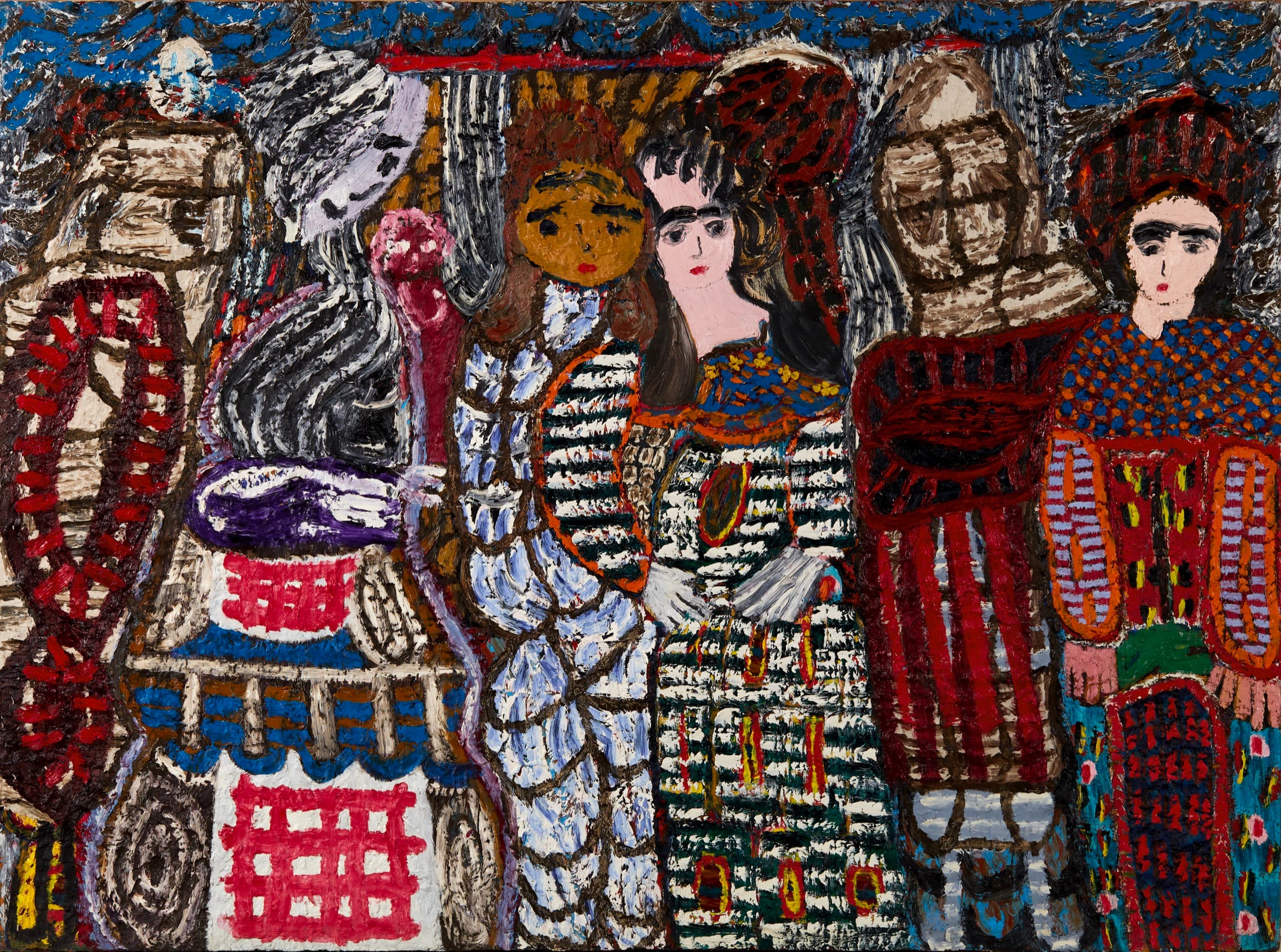
In this single room, it was possible to grasp how he could work this meager material for so many years. The variety was potentially infinite. Contrary to the title of the exhibition, time was not suspended in that room; it was constructed and explored, a medium like the paint itself.
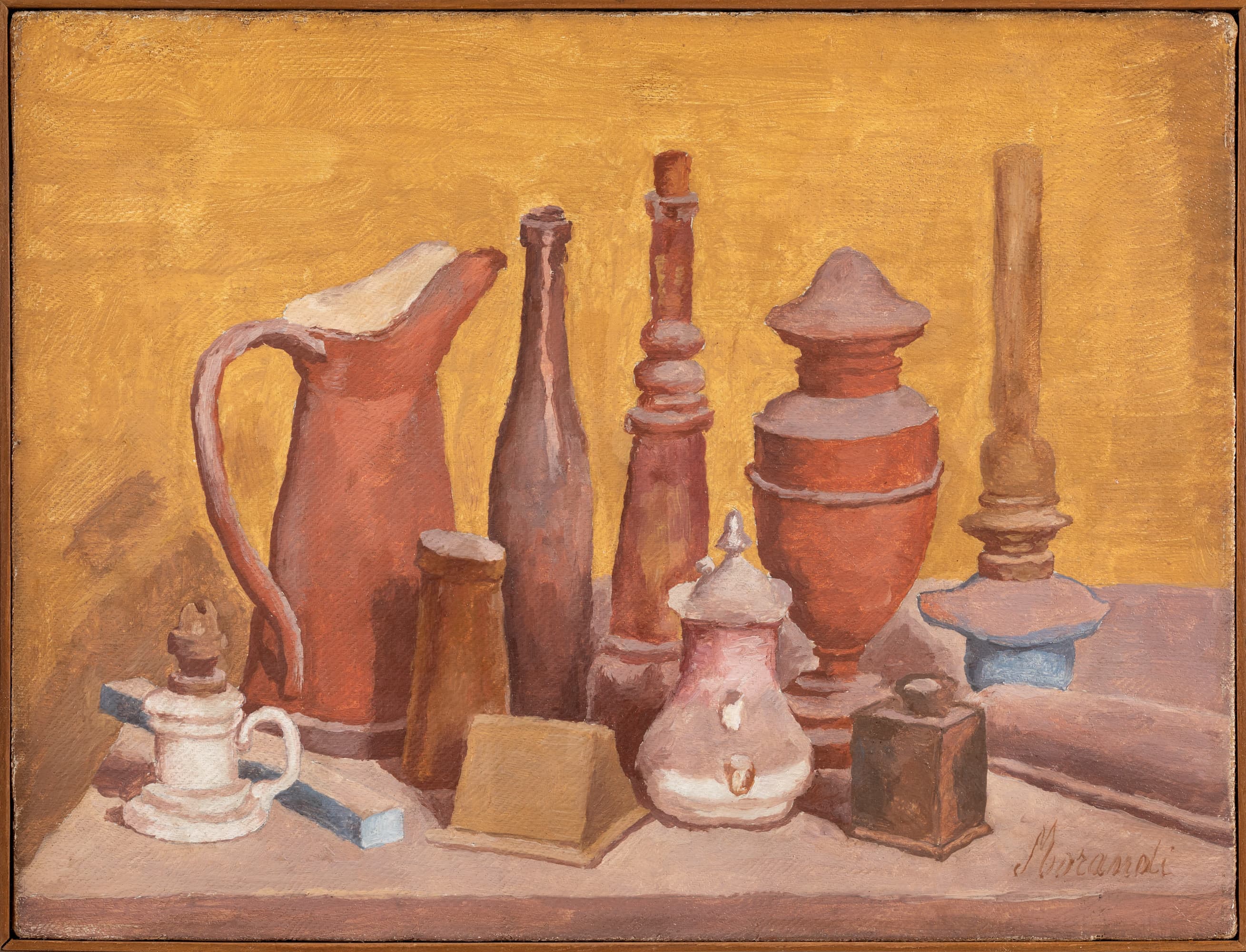
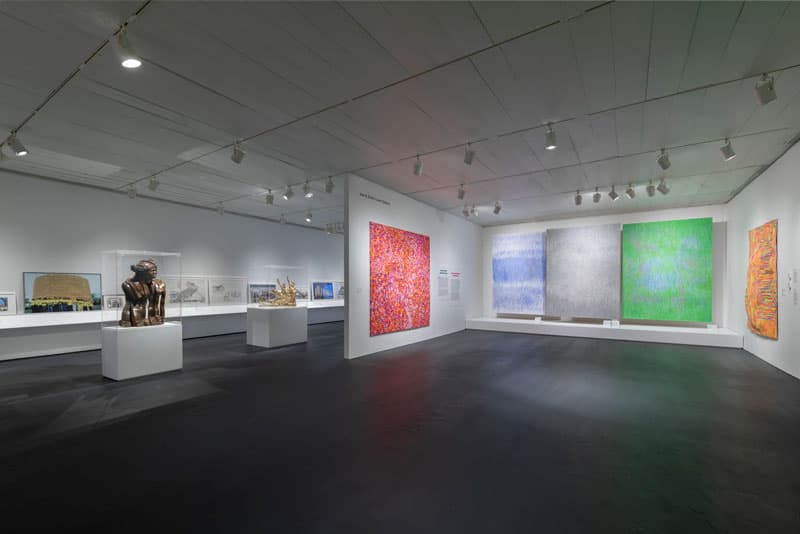
It's a fifty-four year retrospective that is as eye-popping as it is anomalous. It leaves out the entire torso of Way’s career and leaps from the feet to the head, so to speak, from the early 1970s directly to now.
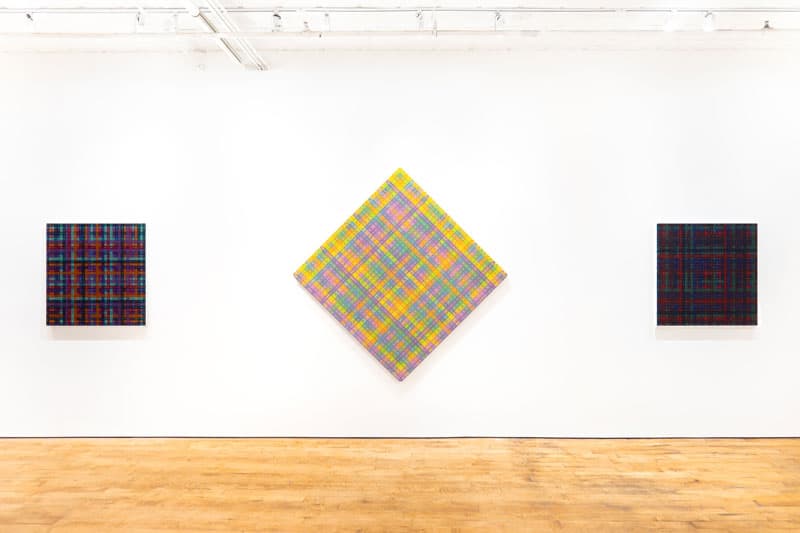
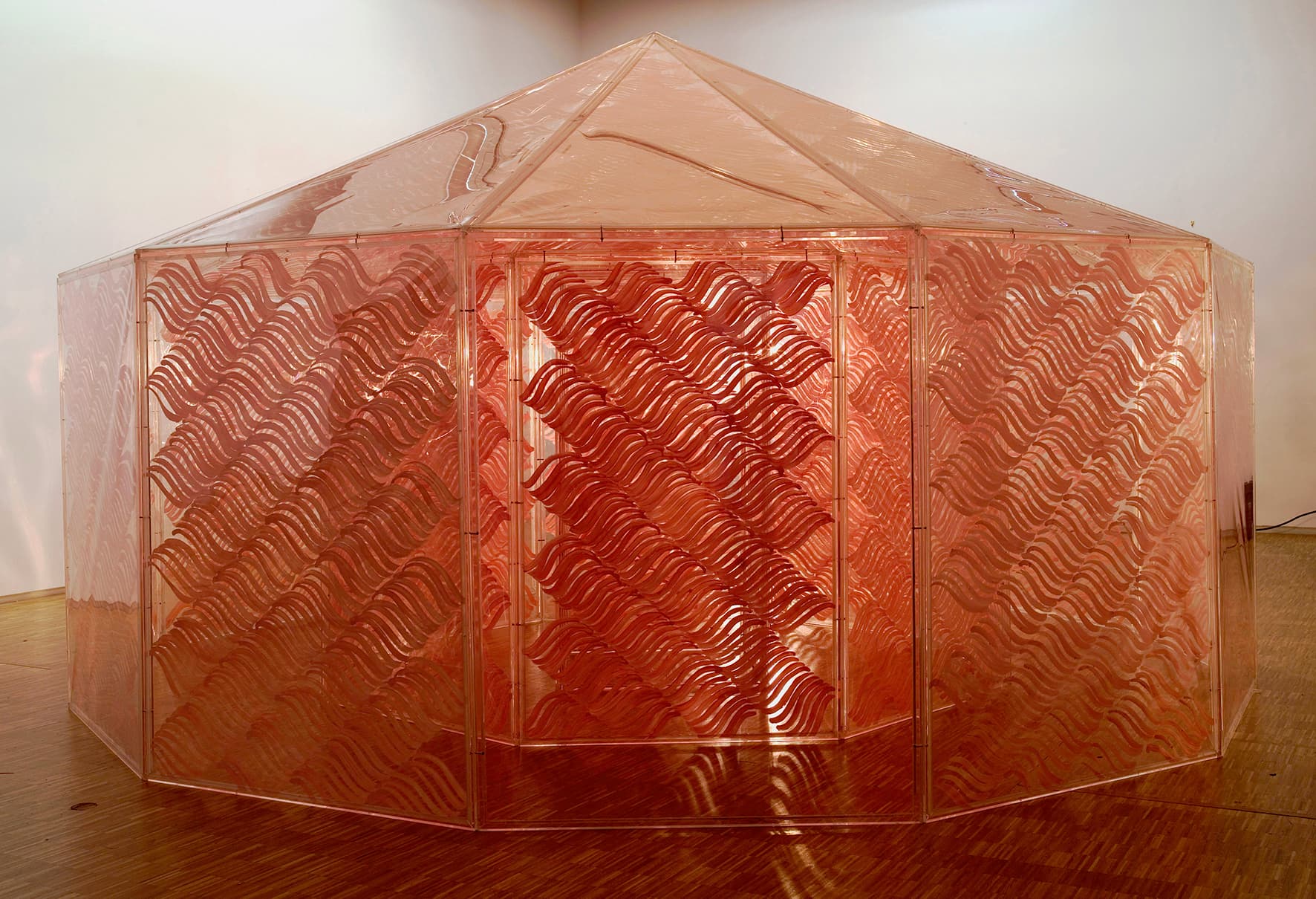
A retrospective of work by Italian artist Carla Accardi (1924–2014) is making the old bones dance in Rome. Accardi stayed fresh and curious throughout her career, and Triplice Tenda (1969–71), the tent-like, Plexiglas structure, was only the most obvious example.