Alfred Mac Adam
Alfred Mac Adam is Professor of Latin American literature at Barnard College-Columbia University. He is a translator, most recently of Juan Villoro’s Horizontal Vertigo (2021), about Mexico City.
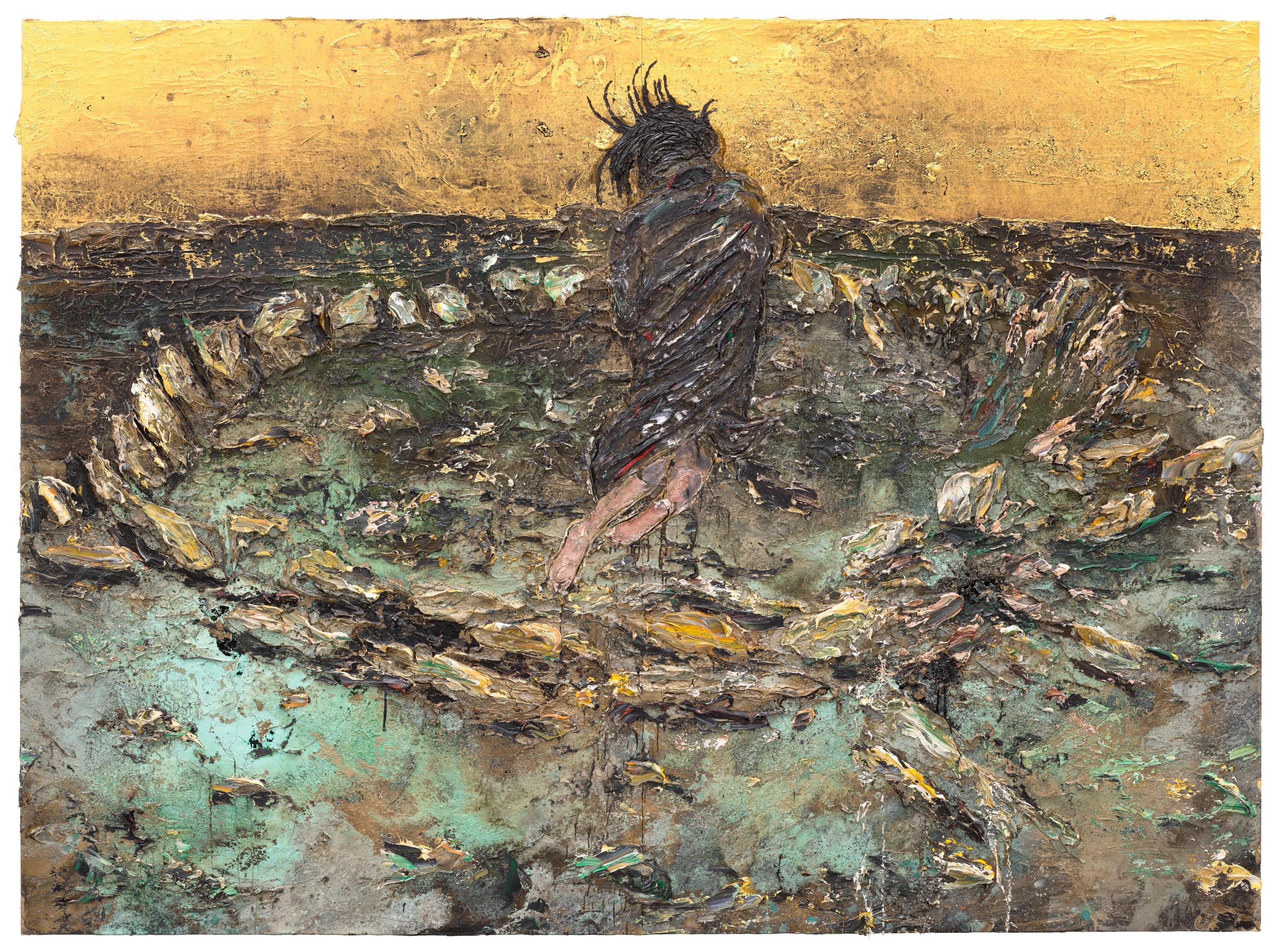
Elusive and allusive, Anselm Kiefer (b. 1945) requires us to learn a new pictorial language with each new show.
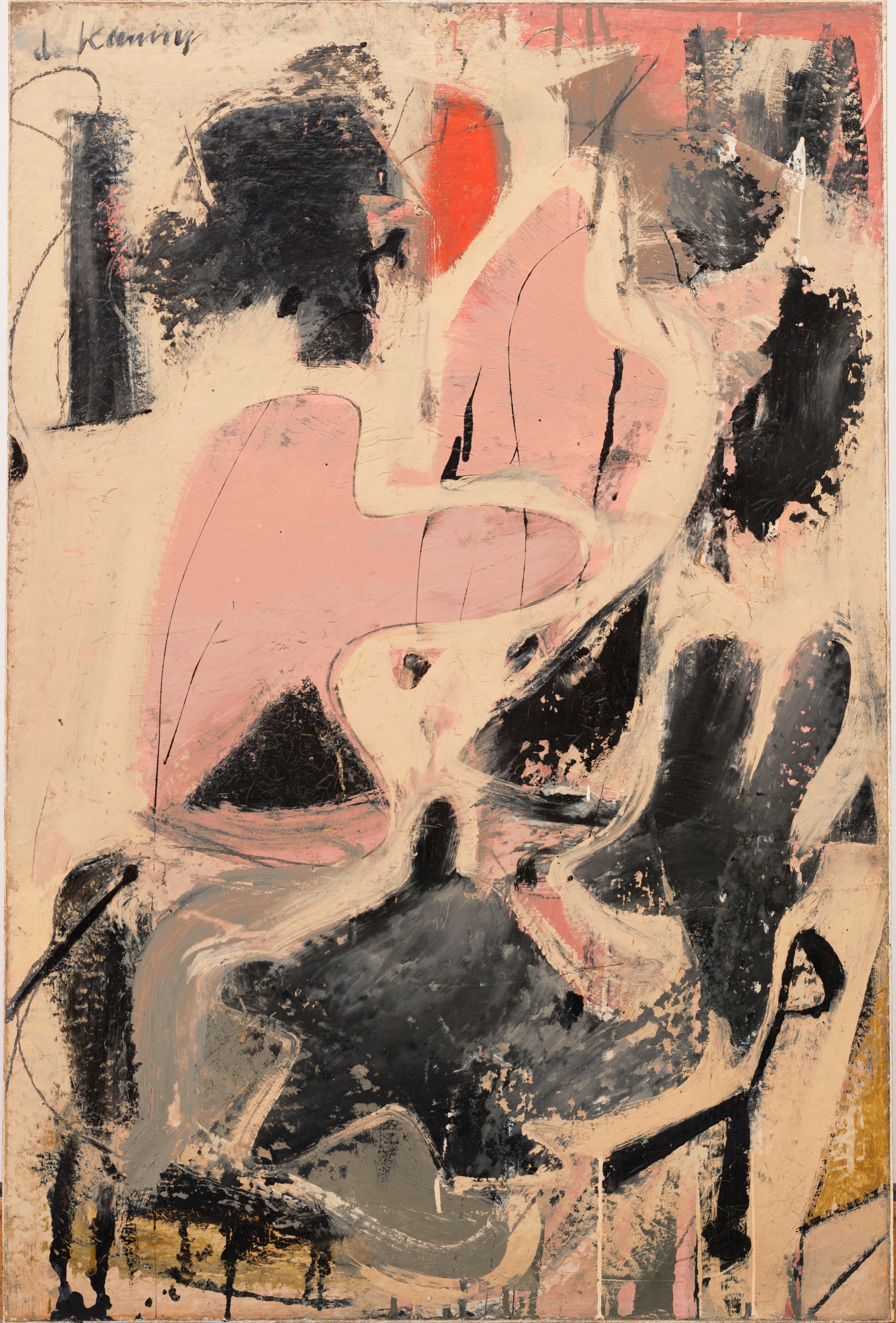
Before seeing a single painting in this terrific eighteen-painting show, the museum visitor encounters Harry Bowden’s 1946 photograph of Willem de Kooning (b. 1904; d. 1997) standing in his studio. The photo is in fact an icon.
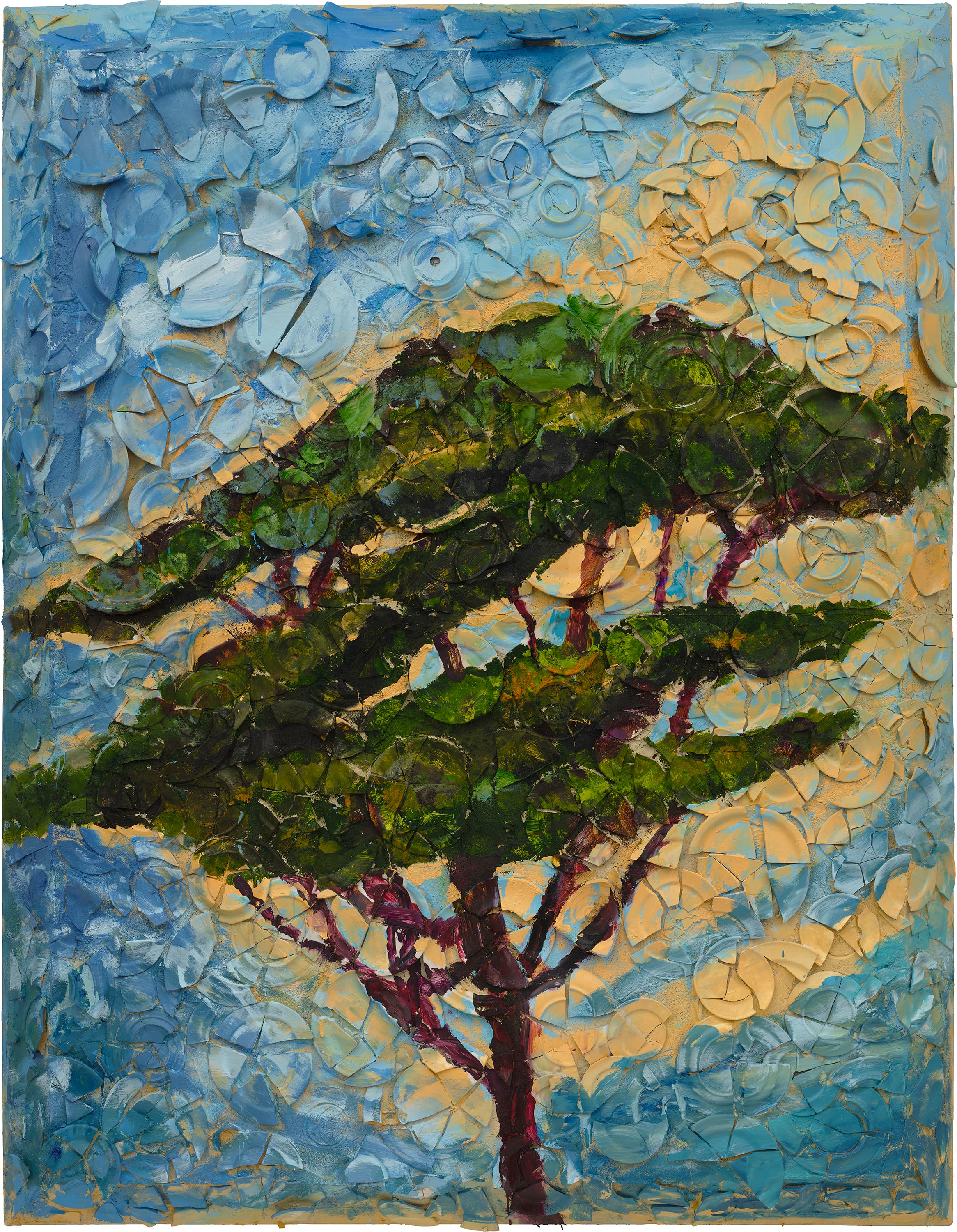
The old saw “you can’t see the forest for the trees” provides a useful way to understand Julian Schnabel’s superb seventeen-piece show now on view at Pace.
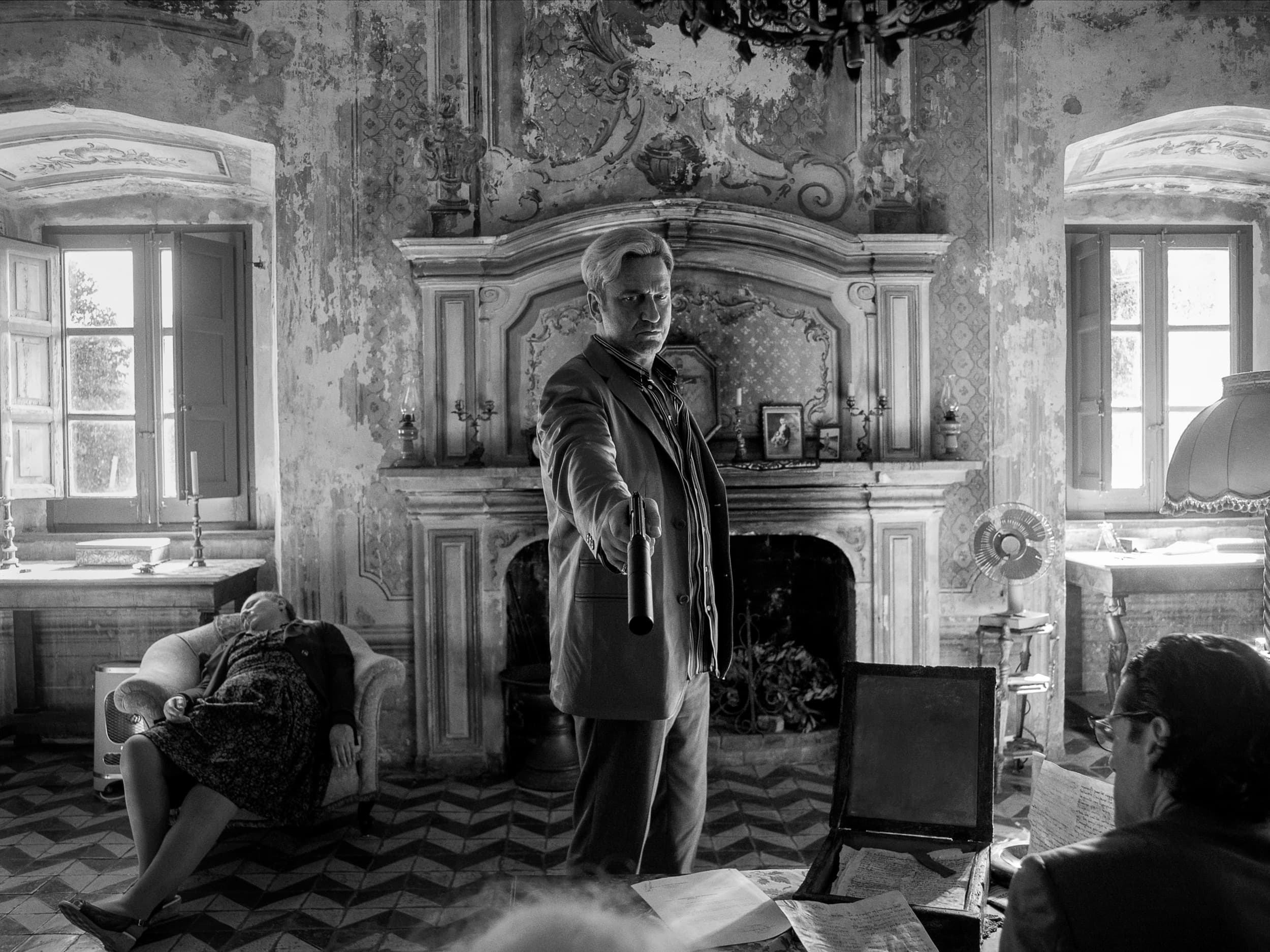
Julian Schnabel’s new film, based on Nick Tosches’s 2002 novel of the same name brings into existence something critics have wondered about since antiquity: a tragicomedy.
In 1947, Ellsworth Kelly (b. 1923, d. 2015) painted a self-portrait in oil on tar paper showing a barefoot, confident young man holding a bugle in his right hand. His short jacket and jeans make him look vaguely like a young James Dean.
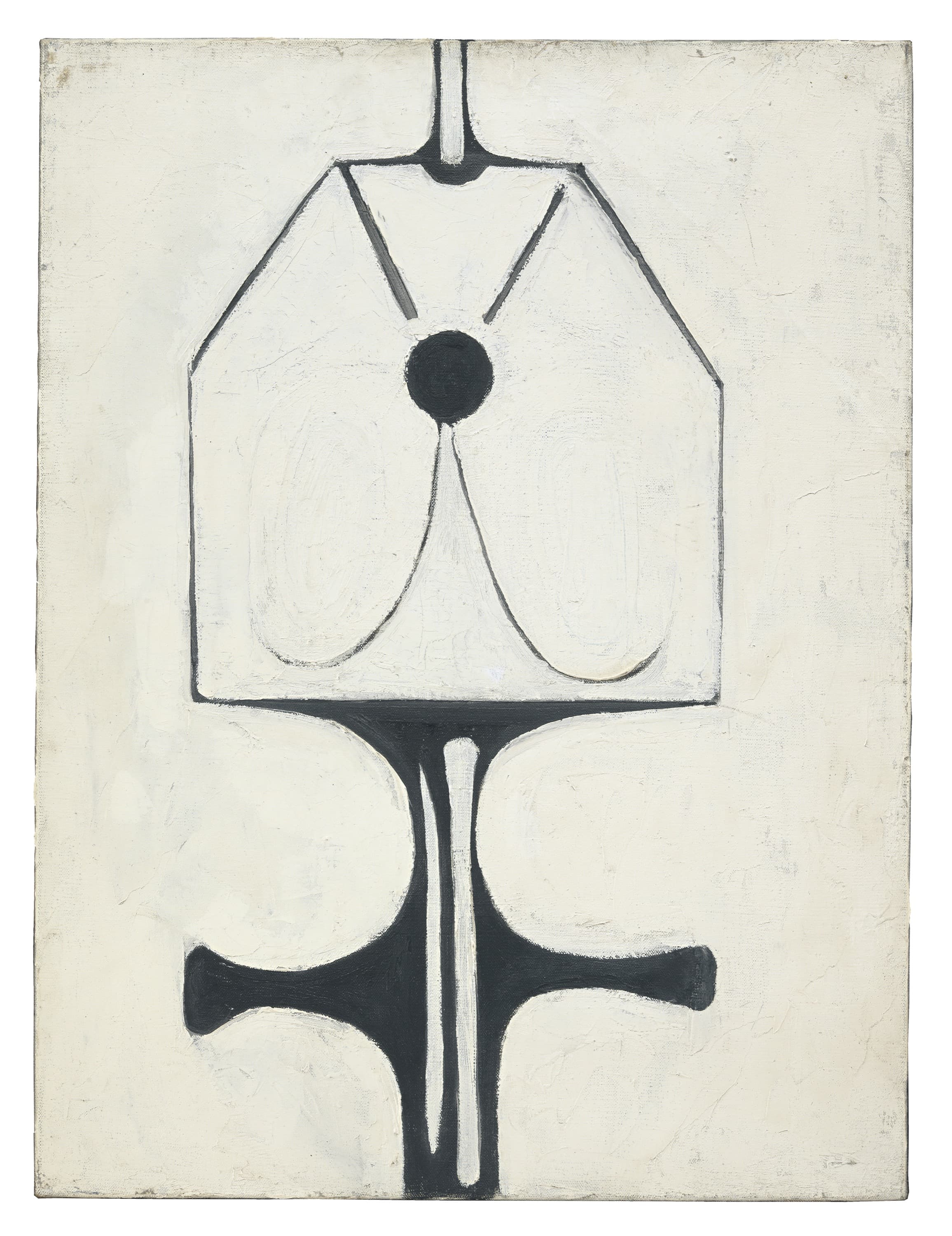
Henri Matisse (b. 1869; d. 1954) was the star of the Museum of Modern Art’s first solo show in 1931. The exhibition comprised more than 130 works and was visited by thousands. Close to a century later, Acquavella’s current Matisse exhibition includes only fifty works, but the lines outside the gallery prove that Matisse’s popularity has not waned.
![Henri Matisse, Nu de dos, 4e état [The Back IV], conceived 1930–31, cast 1965. Bronze, edition of 10. 74 ¾ × 45 ½ × 6 ¼ inches. © 2026 Succession H. Matisse / Artists Rights Society (ARS), New York.](/_next/image/?url=https%3A%2F%2Fstudio.brooklynrail.org%2Fassets%2Fa1be2f53-7449-410c-b322-08a2603e8d93.jpg&w=3840&q=75)
When artists find their style, something like a religious conversion takes place. David Zwirner’s superb exhibition of Merrill Wagner’s work shows us the history of such a mystical marriage.
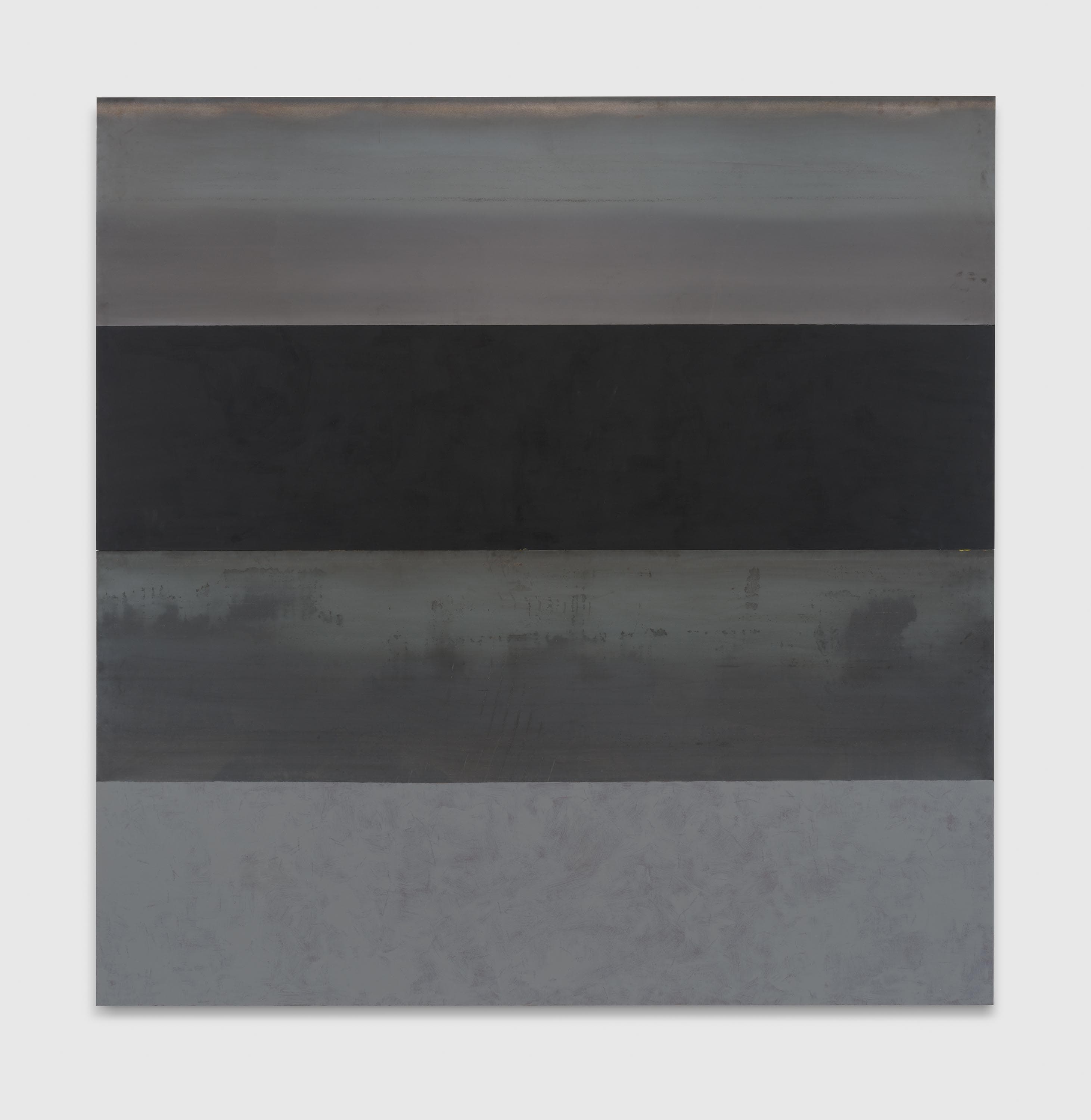
Édouard Vuillard is hardly a household name these days. To counter Vuillard’s relative obscurity, Skarstedt has decided to present nineteen of his paintings, all small and all produced between 1890 and 1905.
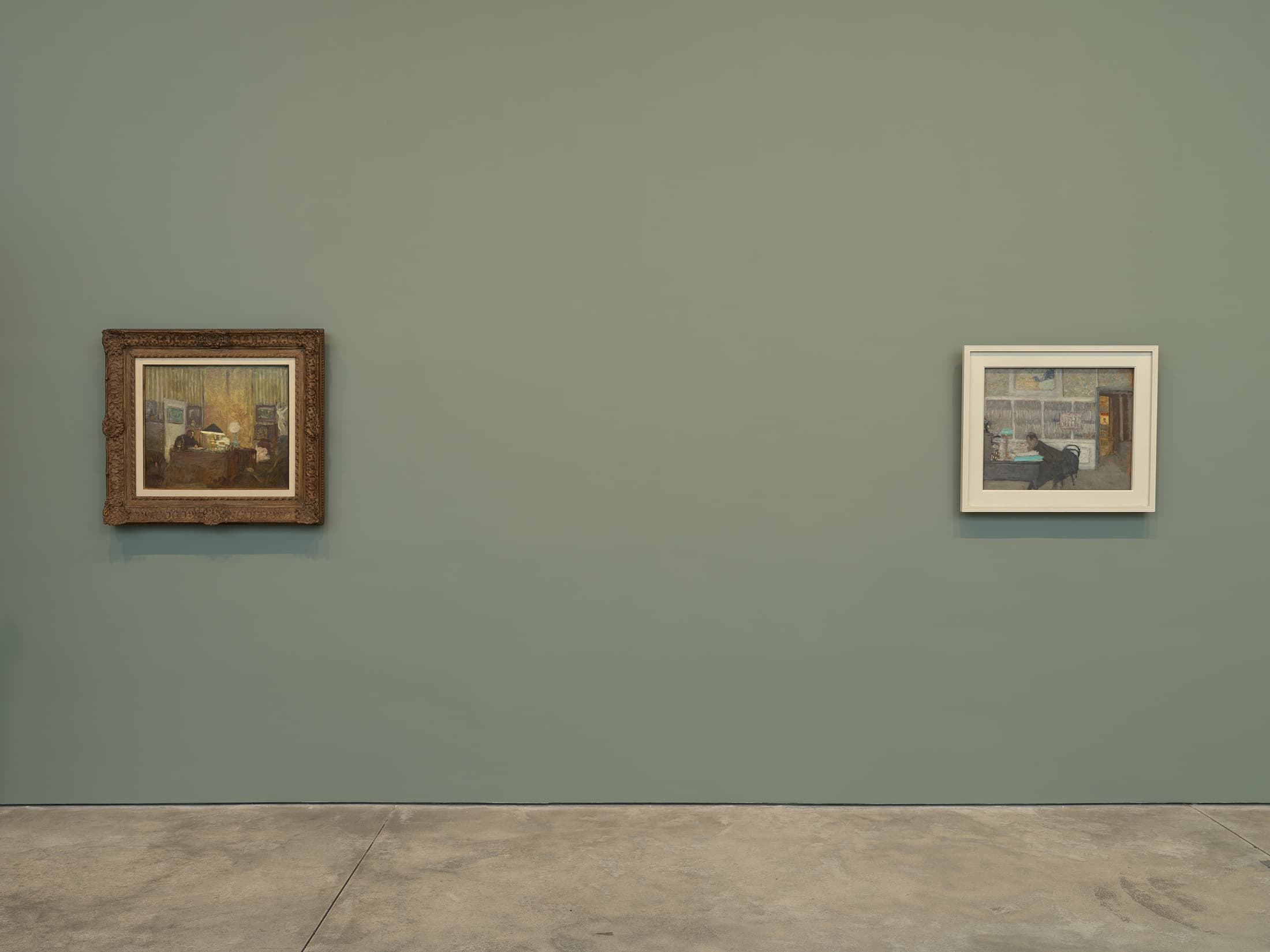
Olney Gleason has compressed twenty-five years, roughly 1950–75, of Motherwell’s career in a dense show of sixteen lithographs, drawings, and paintings, augmented by a vitrine filled with photographs and documents.
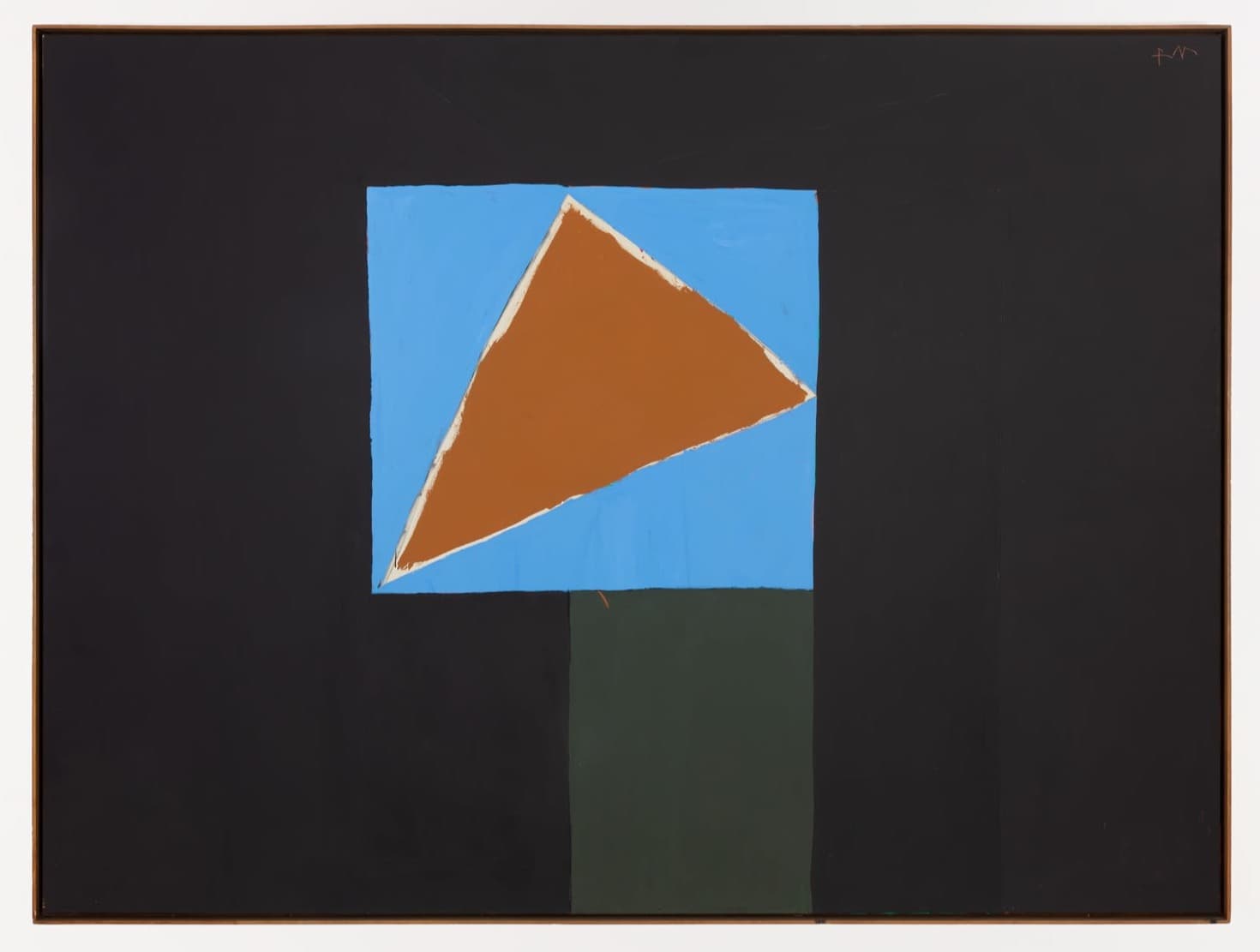
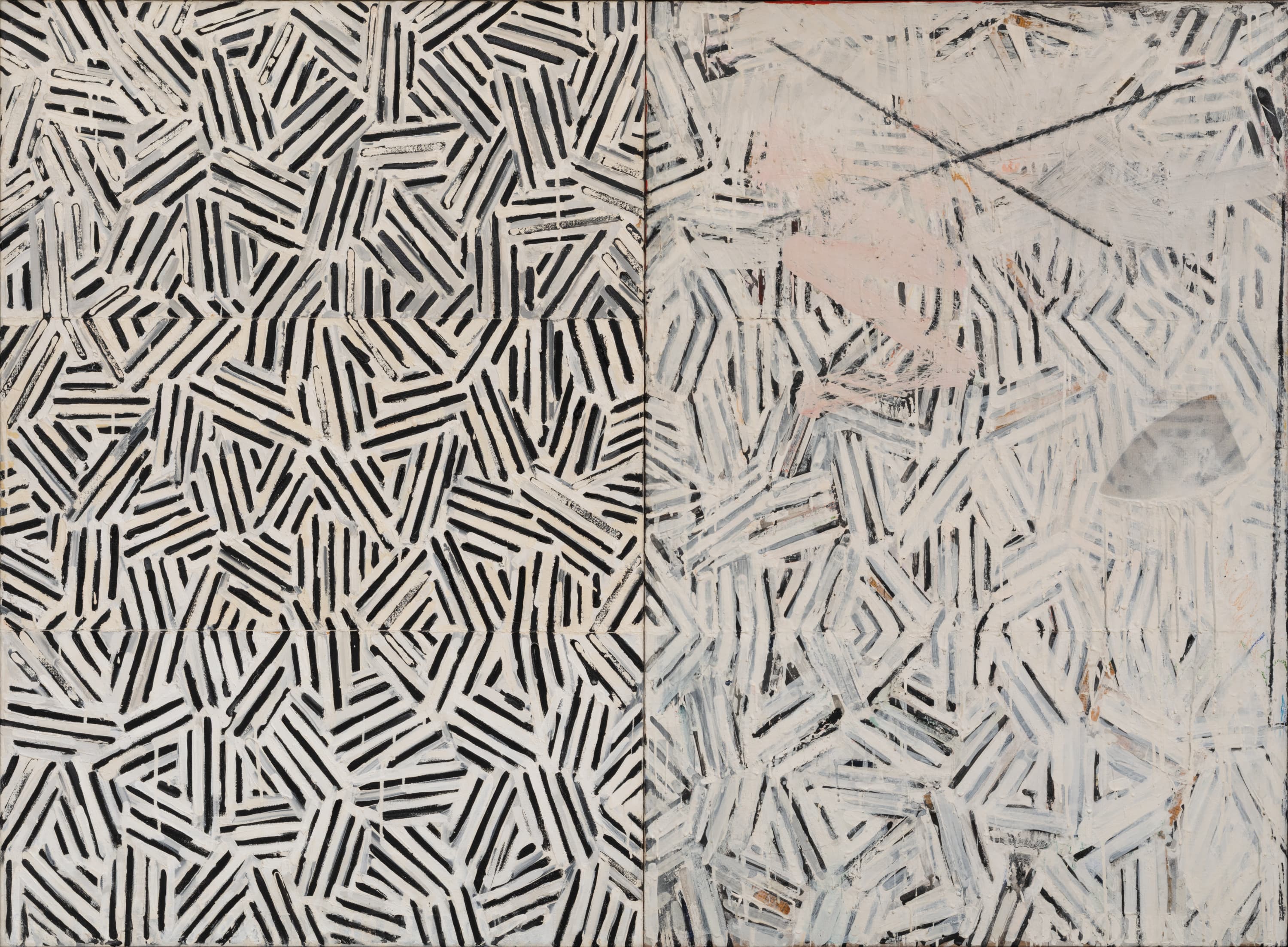
Between the Clock and the Bed is a commemorative show: it both honors the fiftieth anniversary of Johns’s exhibit of crosshatch paintings at the Castelli Gallery in 1976 and also marks the closing of Gagosian’s space on Madison Avenue, which opened in 1989 with the artist’s “Map” paintings.
The new Princeton University Art Museum, brilliantly designed by Sir David Adjaye of Adjaye Associates and led since 2009 by James Steward, opened on Halloween, October 31, 2025 in a special 24-hour session: it overflowed with visitors on that day, and continues to draw crowds.
Wifredo Lam’s tremendous When I Don’t Sleep, I Dream (1955), takes us back to the image of the artist himself.
![Wifredo Lam, La jungla [The Jungle], 1942-43. Oil and charcoal on paper mounted on canvas, 94 ¼ × 90 ½ inches. © Succession Wifredo Lam, ADAGP, Paris / ARS, New York 2025. Courtesy the Museum of Modern Art, New York.](/_next/image/?url=https%3A%2F%2Fstudio.brooklynrail.org%2Fassets%2Fcdb12d9a-d3b5-44c2-be95-7110222463cf.jpg&w=3840&q=75)
Nicolas Party, in this voluminous, multifarious show, has gone to great lengths to invent equivalents, equations, and translations, but each time he does so, he reminds us that no translation can ever be the equivalent of the original.
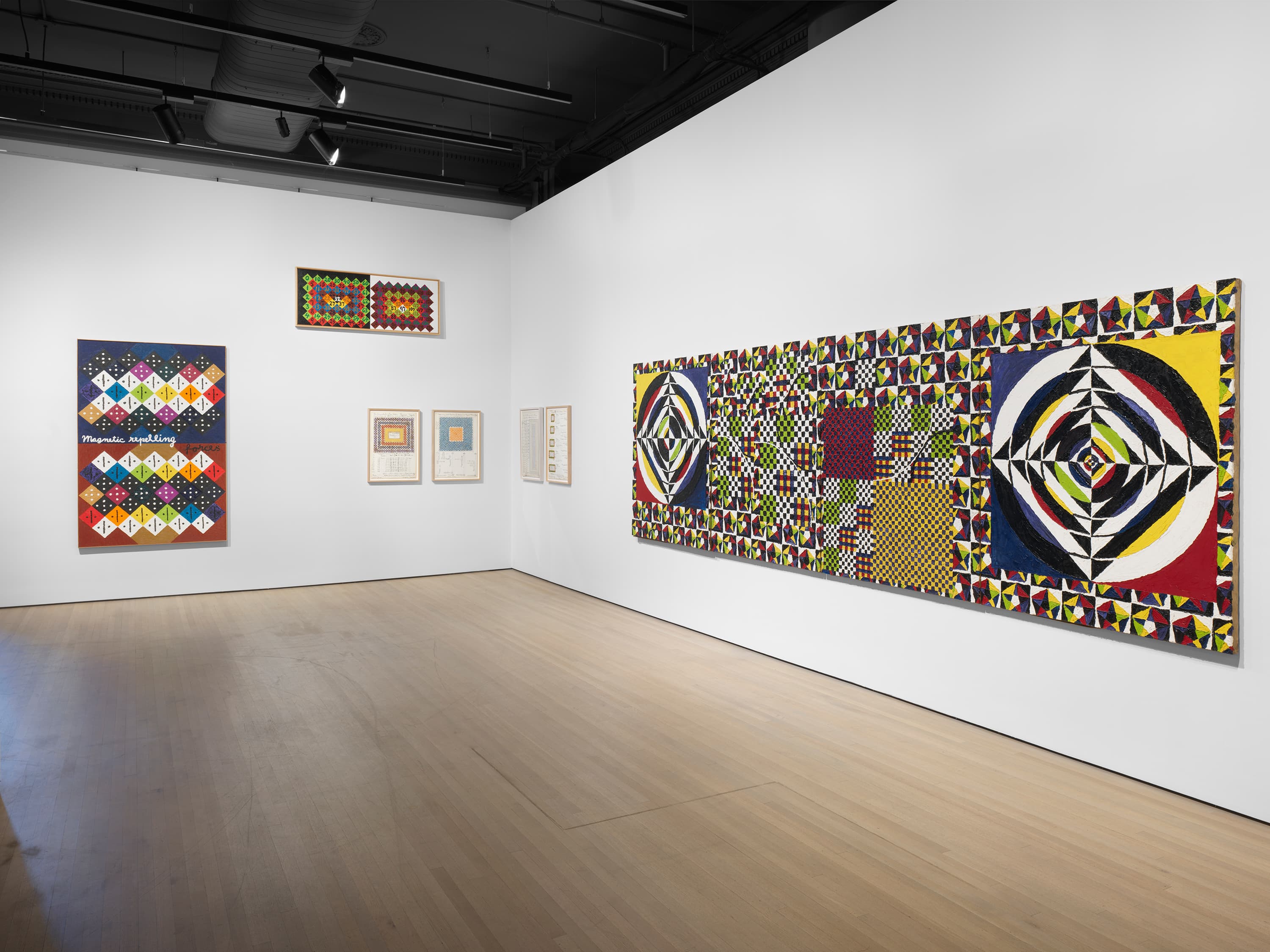
Alfred Jensen (b. 1903, d. 1981) is like one of those unsolvable puzzles. Just when you think you may have cracked his code, you find there’s either a piece missing or a piece extra. Whatever Jensen’s relationship with numbers and color was, that relationship died with him.
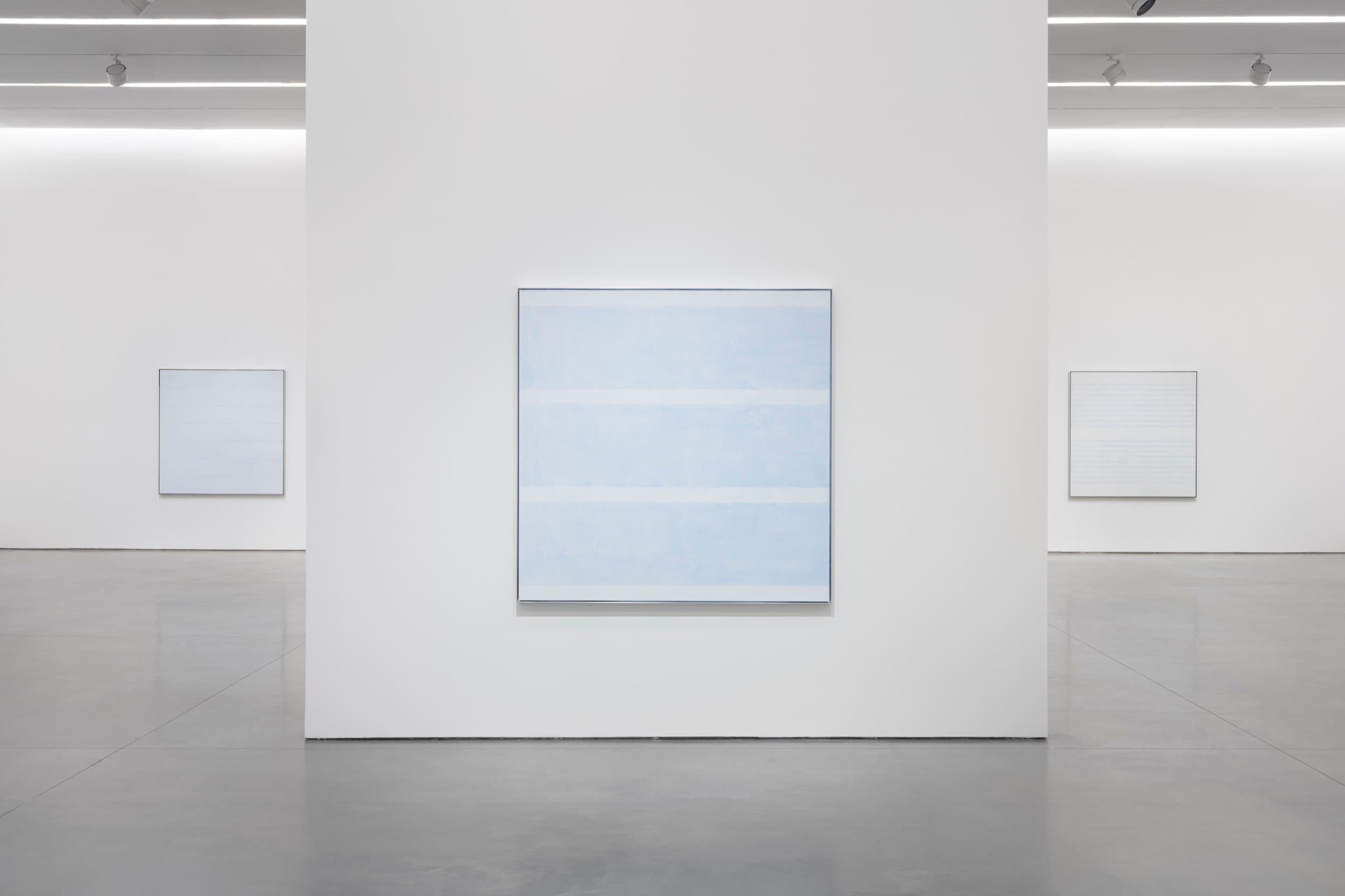
In 1999, Agnes Martin (1912–2004) showed eight Innocent Love paintings at the Dia Art Foundation, which had commissioned them. They are late works, a kind of aesthetic culmination. The exhibition at Pace is an extrapolation of that series: thirteen paintings created between 1999 and 2002.
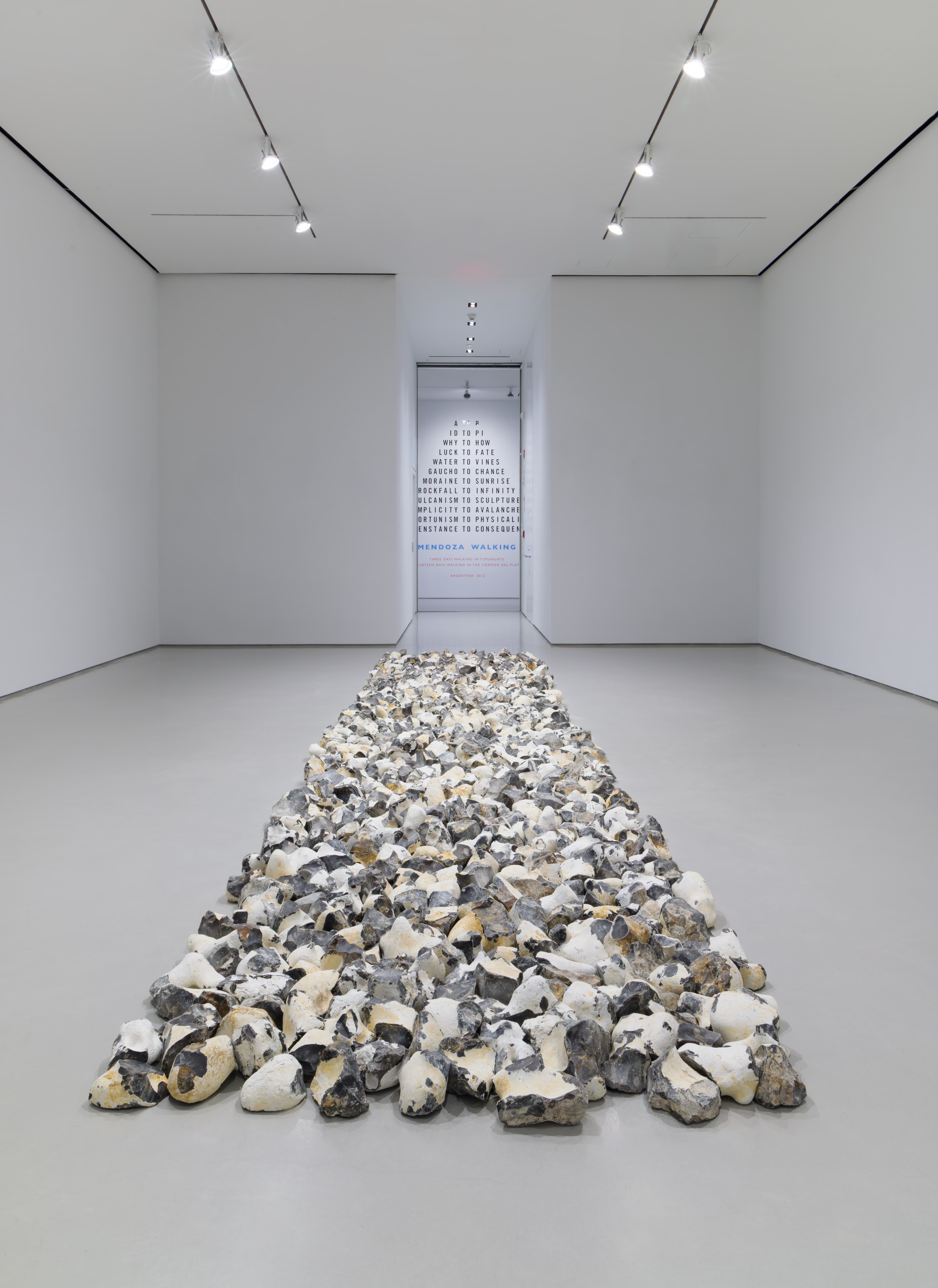
A grand finale: Richard Long’s show will be the last for Sperone Westwater, closing after fifty years of prominence in the New York art world. Long has shown seventeen times with the gallery, beginning in 1976, so this colossal exhibit is a fitting end point.
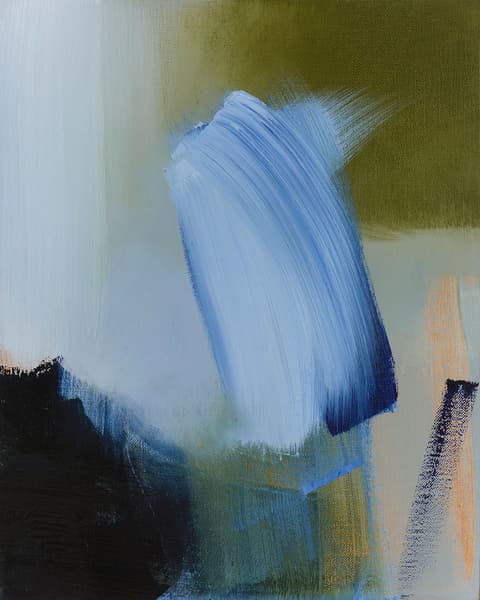
Throughout her career, Karen Davie has flirted, especially in her trompe-l’oeil paintings of drapery, with the curious relationship between painting and dancing, as if the motions she makes during the act of creation were somehow reflected in the work.

Saul Ostrow, who curated this wonderful show, has single handedly vindicated the concept of connoisseurship, a term generally held in contempt. But connoisseurship, we should remember, entails discernment, taste, and long experience with myriad forms of art.

We invariably associate translation with language, with saying in one what has been said in another. Translation also takes place in the visual arts, in painting specifically, calling into question “originality”: an idea troubling all forms of artistic expression since nineteenth-century Romanticism.
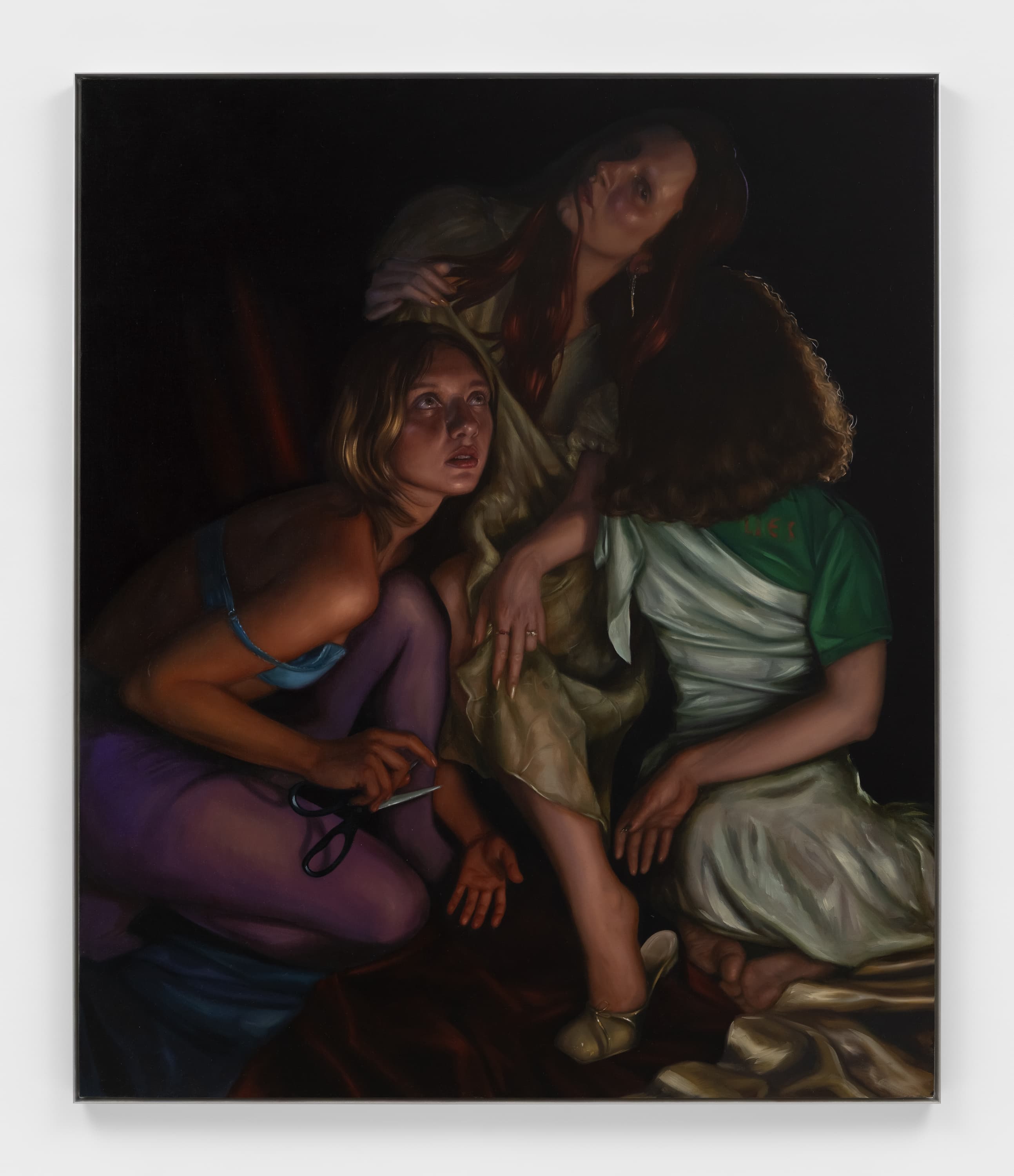
Mystery in Chloe Wise’s work reaches its highest degree in a seemingly modest rectangular piece measuring 71 by 24 inches: Body Amnesia (2025).
In the third paragraph of James Joyce’s Finnegans Wake, the confused, confusing narrator asks, “But waz is?” Joyce succinctly packs “But what’s this?” and “What was is” into three words. Jane Dickson does something similar in Wonder Wheel, making us wonder if, as in Joyce, time may be cyclical or circular rather than linear. She does this by deliberately evoking the art of the past, specifically the art of the Ashcan School.

The great pleasure the paintings in Cosmic Repair confer derives from the dynamism she captures in the tension between process and finality, the work of art as a conjunction of contrary energies held in stasis.

The success of Sean Nash’s first solo New York show is predicated on his ability to invert traditional commonplaces.

So arch, so witty, so guided by ideas is Alexis Ralaivao: Éloge de l’ombre (In Praise of Shadows) that it might be construed as a revival of the anti-realist Mannerism of Pontormo or Rosso Fiorentino.

In celebration of his centennial, Ian Hamilton Finlay (1925–2006) is currently the subject of an exhibition at the National Galleries of Scotland in Edinburgh and eight other venues, including David Nolan Gallery.

The Mnuchin Gallery has gathered twenty-four paintings and drawings made between 1950 and 1960, the greatest decade in Kline’s brief career. This is a unique opportunity to see exactly what Kline’s contribution was and, simultaneously, to experience stages in the gestation of two important pieces.

Taryn Simon is a didactic artist. In all her work, as photographer, performance artist, or sculptor, she seeks to inform viewers about their world. Previous projects have included “The Innocents” (2000–03), a series of photographs of people wrongfully convicted. Her show at Gagosian is overtly political.

The current modestly sized show at Hauser & Wirth, predominantly made up of graphic work, covers roughly a decade of Dieter Roth’s production, from 1962 to 1974. Its title, Islandscapes, refers to Iceland, where Roth moved in 1957 with the artist Sigríður Björnsdóttir. But any resemblance between Roth’s experiments with Icelandic landscape and a prototypically romantic quest for the picturesque in nature is purely coincidental.

The secret to the success of Gagosian’s exhibition is that it presents Twombly in small doses, enabling us to isolate specific moments in his production and not have them swamped in some retrospective extravaganza. Yes, Twombly is an artist best enjoyed in short spurts where we can see the diversity of his creative powers.

When is a car not a car? Better put, when does any object lose its identity and become something else? It may be reborn as decoration, or as a fetish imbued with supernatural powers, or, in the case of Robert Grosvenor, metamorphosed into a work of art.

The last time we had a chance to be disquieted by Erwin Pfrang’s phantasmagoria was back in 2002. We who remember 2002 have missed him; younger people now have the enviable chance to see his work for the first time.

Kate Shepherd is teasing us with narrative possibilities where no narrative exists. She knows the human eye will organize whatever it perceives into something recognizable. Just as she makes us see mass and depth where neither exists in ABC and sometimes Y, she tricks us into creating a fiction where no fiction is necessary.

If the modernistas of the twenties defined themselves through an act—deglutition—Yuli Yamagata defines herself through interrelated processes: eating, sex, digestion, and death. Metamorphosis, usually at a dizzying speed, lies at the center of her esthetic.

A modest show of prints and drawings by Terry Adkins (1953–2014) at Paula Cooper Gallery is a belated homage to the artist. Adkins worked in myriad mediums—sculpture, music, film, and installation—but regardless of the material he used, he always employed synesthesia.

The spirit of Narcissus haunts the lonely territory of painting, where the canvas is, inevitably, a blank mirror solitary artists fill in with images that emanate from within. Ovid’s Narcissus, personification of mad love, literally consumes himself in self-contemplation, and this is where Spencer Sweeney’s version of narcissism diverges from the classical model: he can reroute that self-absorption, transforming Narcissus’s gaze into a creative quest.

Seventeenth-century Dutch still lifes were fraught with allegorical messages: cut flowers signaled the transitory nature of human life, rotting vegetables the inevitability of death. Richard Tuttle inverts these allegories. Like an alchemist, he takes objects that time has consumed and destroyed, and redeems them.

Horror vacui, esthetic kenophobia, obsessive, minute detail, exclusion of color: these are a few of the traits we have come to think of as Jacob El Hanani’s stock-in-trade. His career consists in a deployment of a very limited suite of resources, akin to Samuel Beckett’s single-adjective description of Bram van Velde’s paintings: “inexpressive.”


The telephone was ringing
That’s when I handed it to Liz
She said, “This isn’t who it would be
If it wasn’t who it is”


Dec/Jan 22–23ArtSeen
Guillermo Kuitca: Graphite Paintings from The Tablada Suite (1992) and Poema Pedagógico (1996)


October 2022ArtSeen
Eric Fischl: Towards the End of an Astonishing Beauty: An Elegy to Sag Harbor, and thus America


September 2021ArtSeen
Tacita Dean: The Dante Project • One Hundred and Fifty Years of Painting • Pan Amicus • Significant Form • Monet Hates Me


