Tom McGlynn
Tom McGlynn is an artist, writer, and independent curator based in the NYC area. His work is represented in the permanent collections of the Whitney Museum, the Museum of Modern Art, and the Cooper Hewitt National Design Museum of the Smithsonian. He is currently Adjunct Assistant Professor at Parsons/ The New School.
The painter James Howell developed his very particular style over a series of formal and geographic changes that together shaped his unique vision.
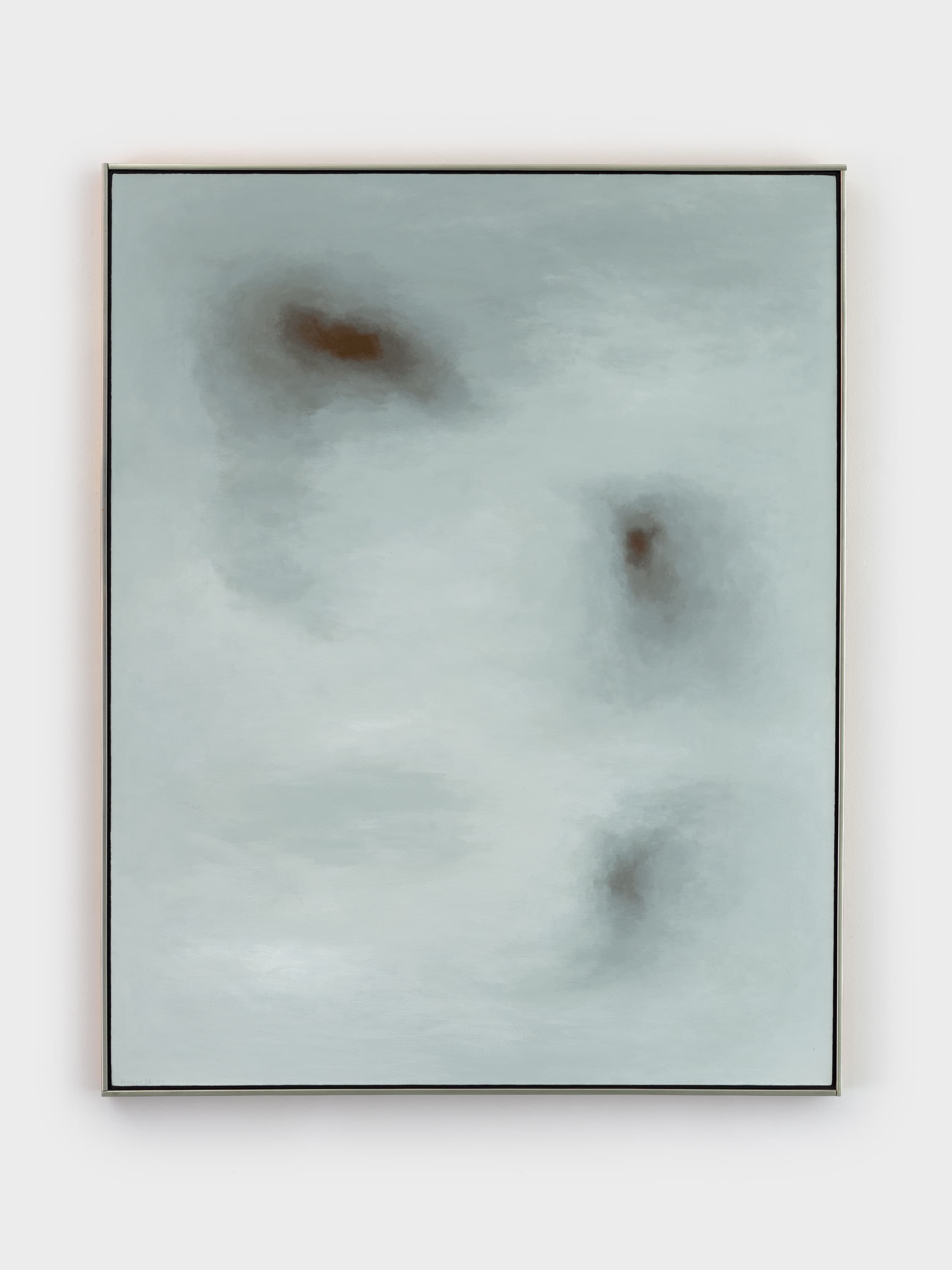
The consistency of his vision of the offhand everyday is explored in this exhibition and attendant book, both titled Early Work.
Perhaps the show’s title, Housing Development, is meant to be read in duplex fashion: referencing both the basic box-and-gable structure of a house and the esoteric notion of abstract constructs that “house” themselves. Therein is niched the animus of Korman’s abstract symbolism.

I had the pleasure to get to know Thornton Willis on the occasion of his one-person show, A Painting Survey: Six Decades, held at David Richard Gallery in an expansive space in uptown Manhattan. The scale and breadth and striking color of his paintings were a revelation to me. Yet what struck me most was their attitude of direct address.

Mira Dayal’s second solo exhibition at Spencer Brownstone is understated in a sharply inventive way. Entering the gallery, one encounters what appears to be an ensemble of steel templates arrayed across the expansive concrete floor space that together form an arcana of post-industrial hieroglyphs. The show’s barely descriptive title, Steel Model of Paper Copy of Desk Top with Pencil Groove, is a kind of conceptual feint.

In the artist’s fourth solo exhibition at Peter Freeman, Inc., sharply curated by Susanne Walther, a large-scale installation of one of his signature fabric works anchors the presentation

What becomes a “painter’s painter” most? Alternatively, what becomes a painting-painted most? An expansive indeterminacy exists between these relative ideas raising the question as to which may hold more significance.

On the occasion of Mara De Luca’s upcoming exhibition at TOTAH, artist and Rail Editor-at-Large Tom McGlynn paid a visit to De Luca’s studio. They engaged in a wide-ranging conversation about the “critical core” of De Luca’s work, the influence of the West Coast on her practice, and by what means the painting can invent itself.

Chuck Webster’s kaleidoscopic imagination contains multitudes of experience sieved through a very specific abstract syntax of colors, forms, gestures, and texts toward a grand, totalizing encounter.

Mark Bloch engaged in the elastic back and forth of a worldwide community of like-minded practitioners of what might also be called postal performance art, the “props” of which he carefully archived (between 1978-2013). These were then collected by the Fales Library of New York University which occasioned the current exhibition, Panmodern! The Mark Bloch Postal Art Network Archive.

This most recent collation of the Ad Reinhardt's works at Zwirner surveys his late involvement in printmaking, and its attendant processes, and so offers some clues as to the artist’s image development, placing technical emphasis on art-in-the-making, prior to its precipitation down to “art-as-art.”

All illusions of the call of the pastoral aside, the (now decades long) escalation of artists decamping from New York City for the Hudson Valley is more of a desperate search for solace, paradoxically, from urban marginalization and market pressures than a sentimental relation to the land. It makes complete sense that institutions would take their hint and follow suit.


