George Grella
George Grella is the Rail's music editor. He is the author of Minimalist Music and Miles Davis' Bitches Brew (Bloomsbury).
Forty years after Morton Feldman's death, he seems to be as little understood as when he was alive. This is strange because he has his fans, more now than when he was prolifically making new pieces.
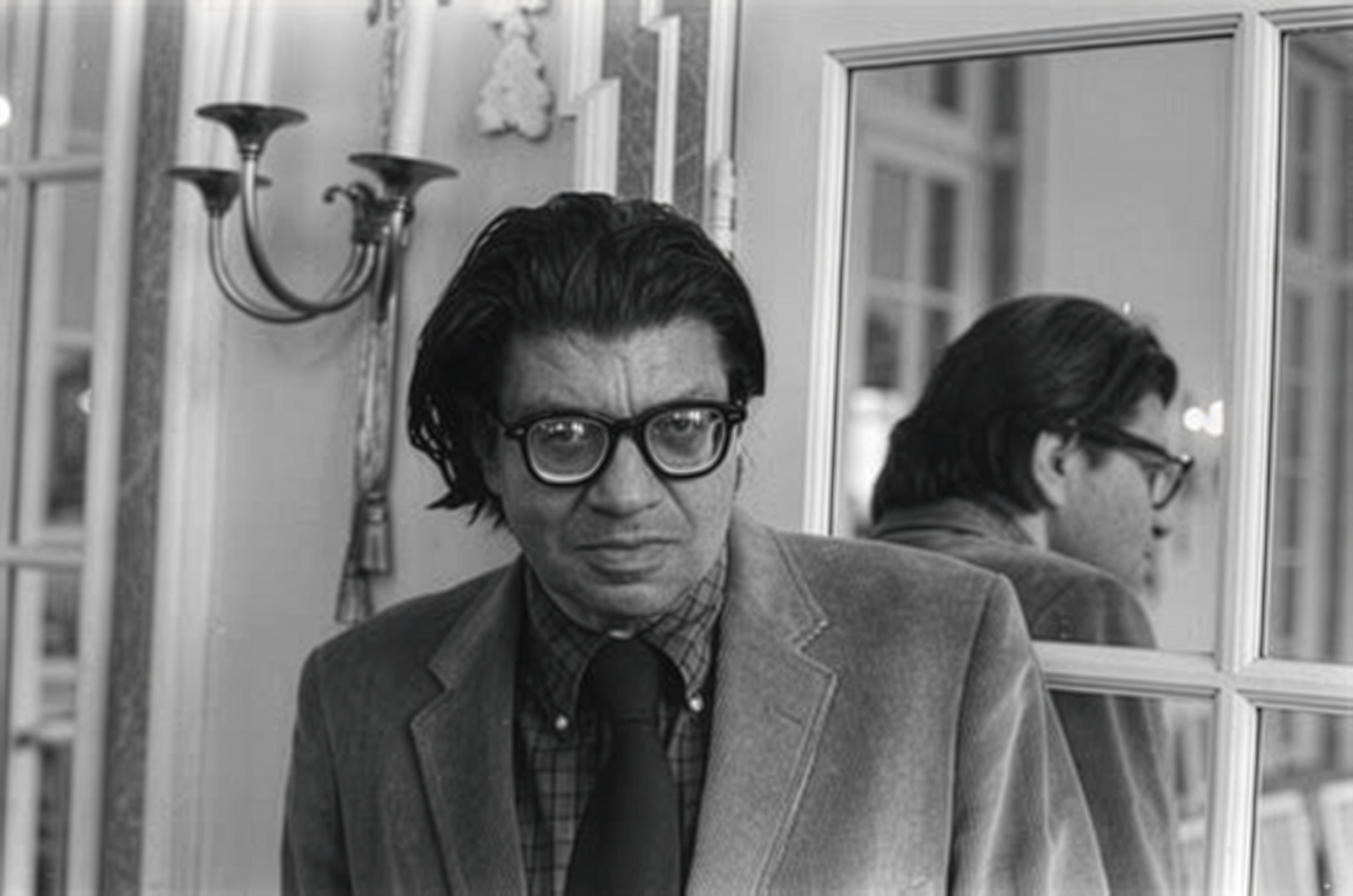
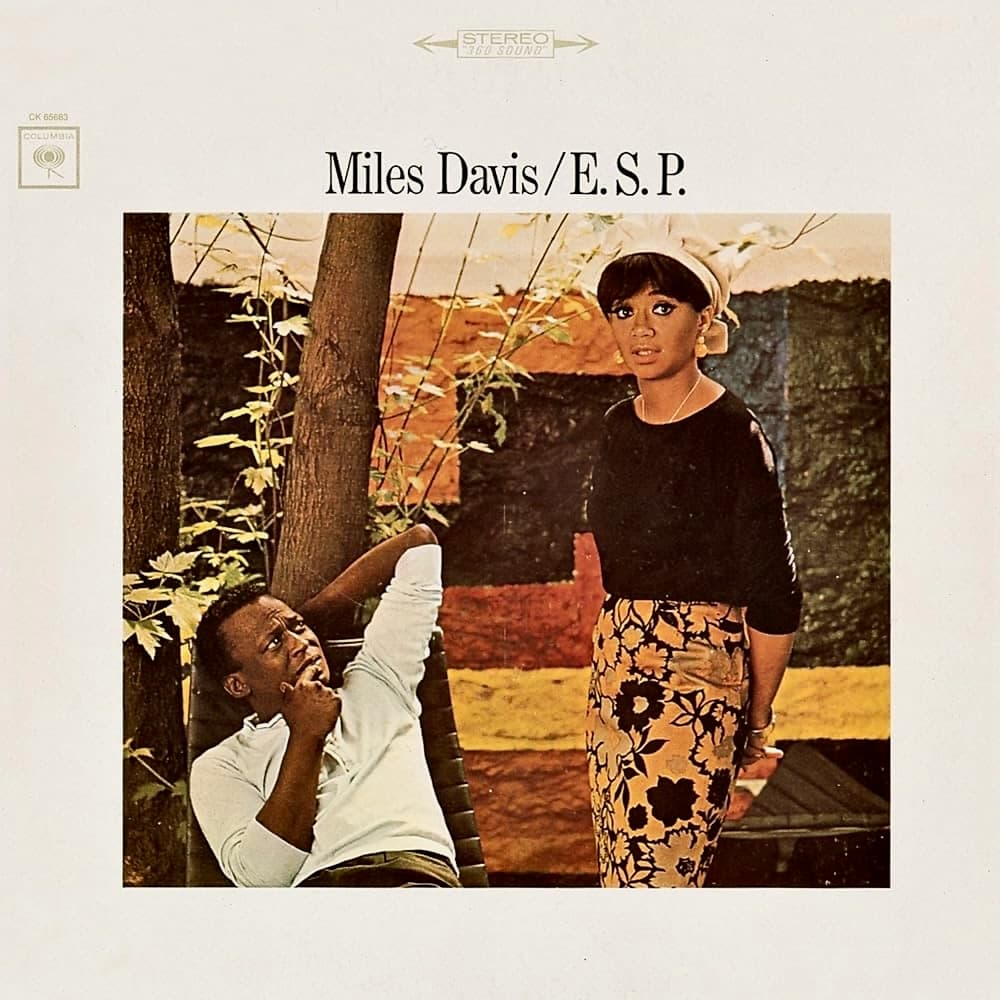
With sufficient resolution, a snapshot of any object moving through time and space at even the highest velocity will make it look like it’s standing still. A record album is that kind of snapshot. An object with finite dimensions and duration, it freezes music in time and mostly outside of context of the musicians’ contemporary circumstances, even the session itself.
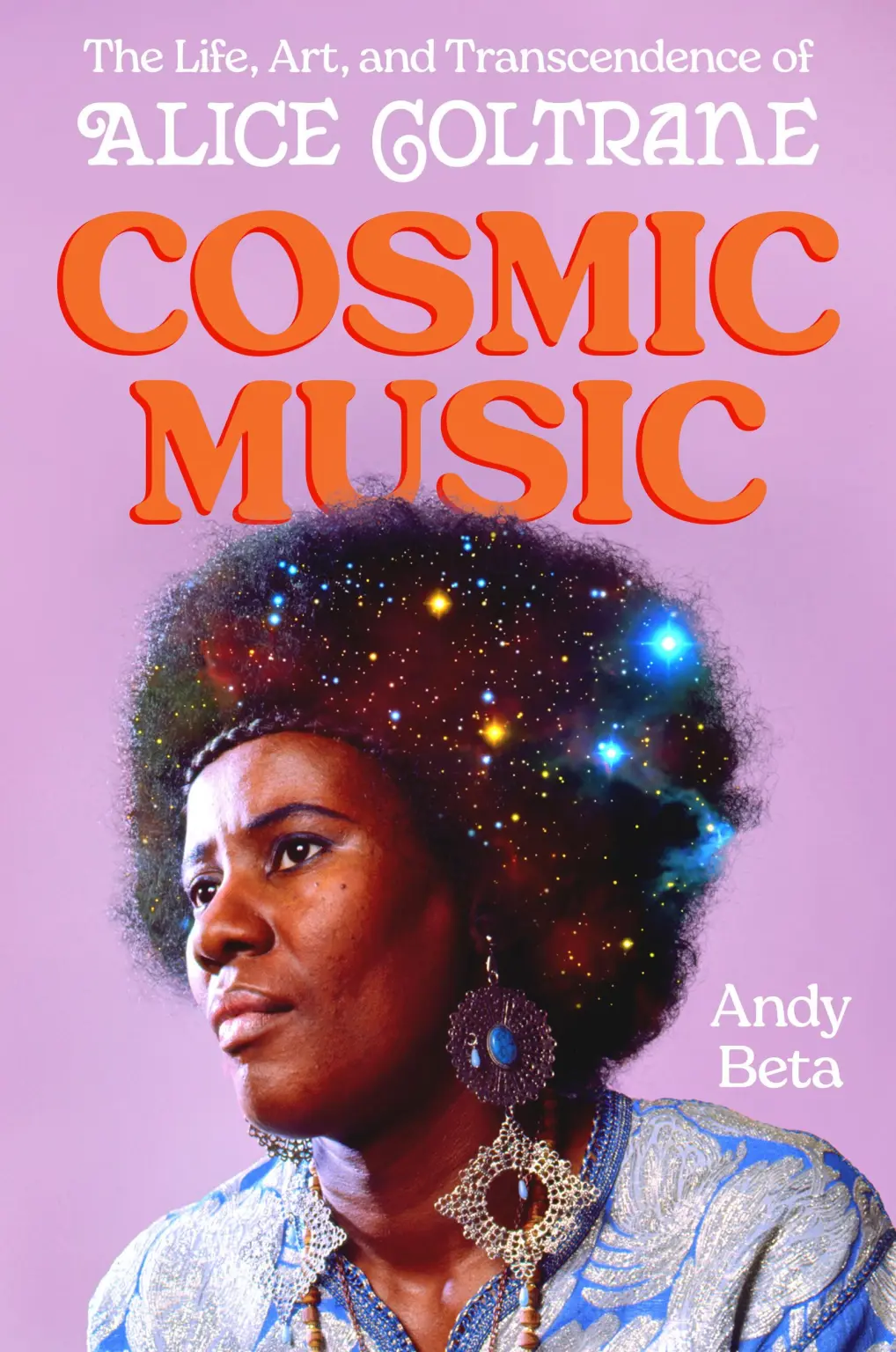
A biography is the story of how a person came to be their true self. That’s often a compelling journey, particularly in the case of an artist, and the value in telling it goes up exponentially when the subject is someone who has been too little known in their life and legacy.
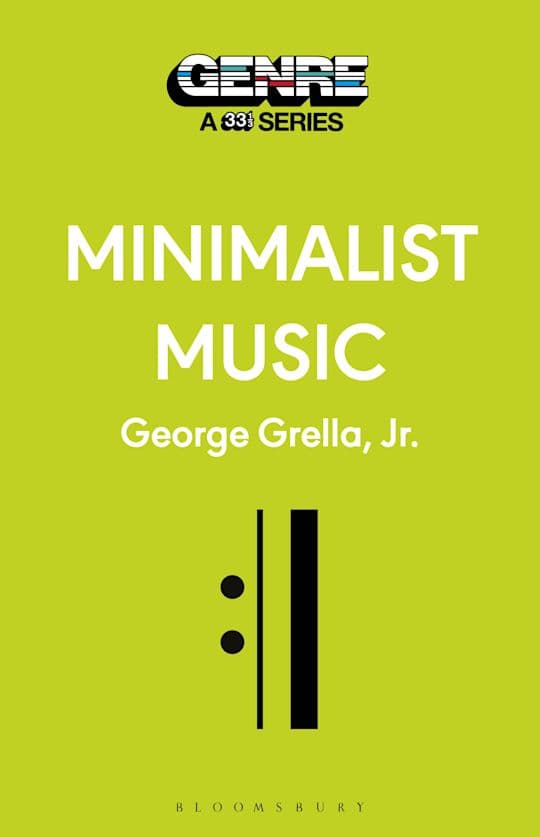
Music is repetition and change, within each piece and in the overall course of music. Having only time with which to work, music lays out sequences of organized sonic events through linear time.
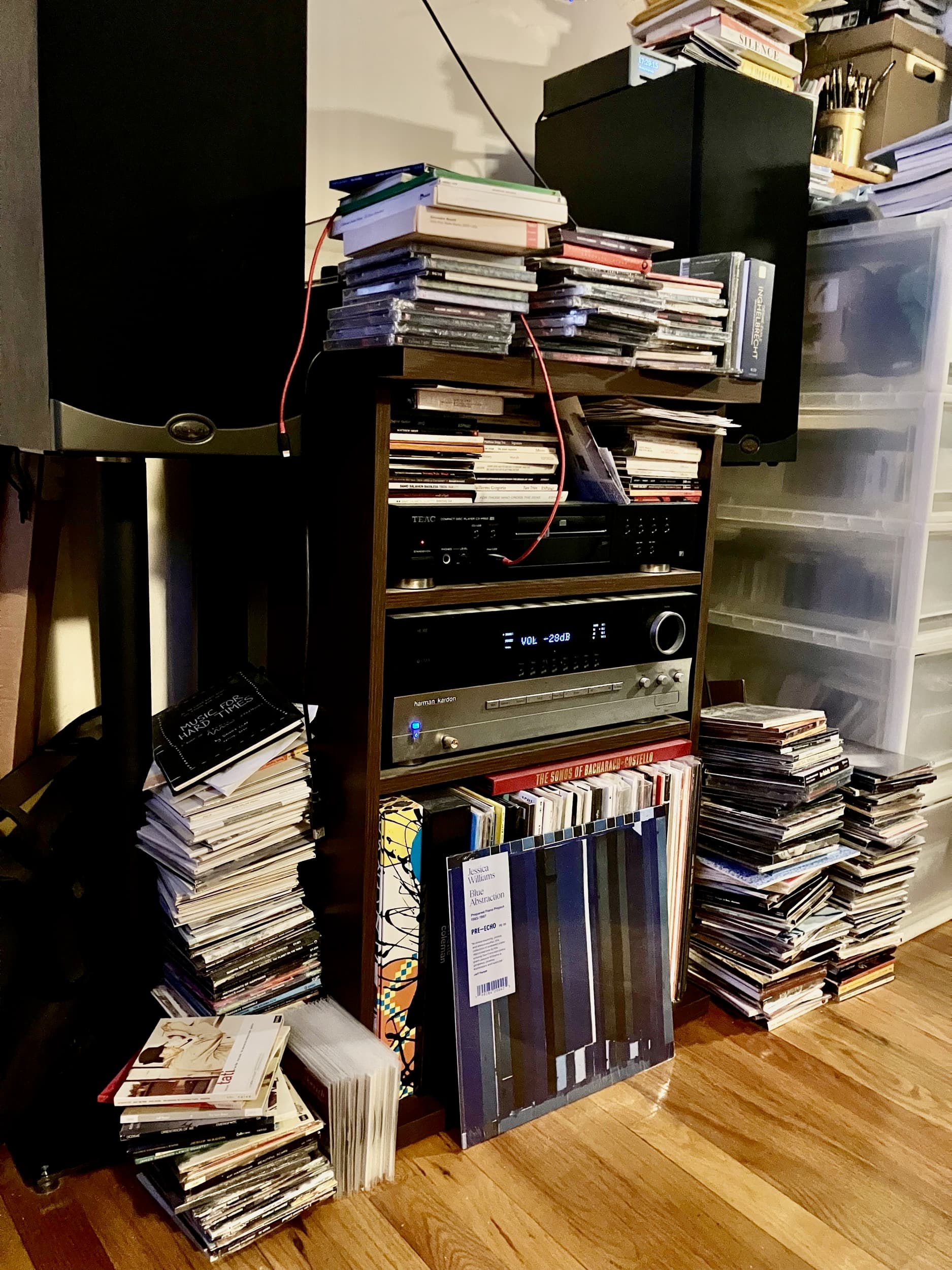
Streaming means hunting in an endless cycle of killing, consuming, and excreting. While the concept has room for valuing music and reducing the amount of sheer stuff, the practice is inseparable from human nature and capitalist economies. And not all stuff is created equal, there’s lots of it worth collecting.
Gene Scheer is a songwriter, stage performer, and a lyricist for other composers. Expand that last in every way, and he’s also one of the major opera librettists in contemporary music. He’s tackled the adaptation of major literary works for the stage, now including The Amazing Adventures of Kavalier & Clay, premiering at the Metropolitan Opera on September 21.

The post-minimalist Bang on a Can organization’s 2025 Long Play Festival honored Terry Riley with it’s concluding concert, with the Bang on a Can All-Stars, guitarist Gyan Riley (his son) and guest musicians playing In C, preceded by an arrangement of A Rainbow in Curved Air.

Drawing on paper does have a corollary with Zorn’s composing. He has made himself into a notable composer in the classical tradition, and the meaningful details in his music—especially given not just speed (tempos) but his hairpin-turn structures—demand absolute clarity and precision in a symbolic language that’s just as much drawing as it is writing. The drawings seem a natural extension of his compositional skill.

Failing: A Very Difficult Piece for Solo String Bass is one of the greatest works of music as both practice and philosophy in that it turns the former into the latter, and vice versa. It uses reason and logic to find a way into mystery and even unreason—the impossibility of rationality at the extreme edge of both technique and expression.

I know there’s beauty and chaos, but I try to find some kind of playful balance between all of this—where I find pleasure, and composition is where I find pleasure, improvisation as well. Sort of defining free improvisation as a genre away from, say, jamming.

There certainly was a valedictory edge to the Jazz at Lincoln Center Orchestra concerts at Rose Hall the first weekend after the election. The band, with trombonist Vincent Gardner as music director with trumpeter Wynton Marsalis, featuring guest vocalist Ashley Pezzotti and percussionists Bobby Allende and Isaiah Bravo, played a concert titled “Bebop Revolution,” a celebration of both the music and the bebop inspired art of the great Jean-Michel Basquiat.

Freeman writes about music—this is his fourth nonfiction book after Running the Voodoo Down: The Electric Music of Miles Davis and Ugly Beauty: Jazz in the 21st Century—he previously published the Burning Ambulance magazine and now has a record label and newsletter under that imprint, and has recently started administering the back catalogue of the Leo Records label on Bandcamp. This biography came out of Freeman’s coverage of the Whitney Museum’s Open Plan: Cecil Taylor retrospective and performances in the spring of 2016, two years before Taylor’s death.

As the parable of the blind men and the elephant has noted, it’s best to go piece by piece, and even then there’s way too much Allen to fit into one article in one section of a journal. This one is ostensibly about Brendan Greaves’s invaluable biography of Terry Allen, which in five hundred-plus pages of text and extensive notes tells Allen’s story up to this point—he turned eighty-one in May—but demands a critical companion to the artist.


June 2023Music
Henry Threadgill and Brent Hayes Edwards’s Easily Slip Into Another World: A Life in Music


July/August 2021Music
Jessica Hopper’s The First Collection of Criticism by a Living Female Rock Critic


October 2019In Memoriam
A Tribute to Steve Dalachinsky


