Joseph Akel
Joseph Akel is a New York-based freelance writer and editor. His non-fiction writing and criticism have appeared in the New York Times, the Paris Review, Frieze, and Vanity Fair, among others. Additionally, he has penned several artist monographs, most recently for artist Doug Aitken. Akel is currently working on his first novel. He holds a master’s degree in Art History from Oxford University.
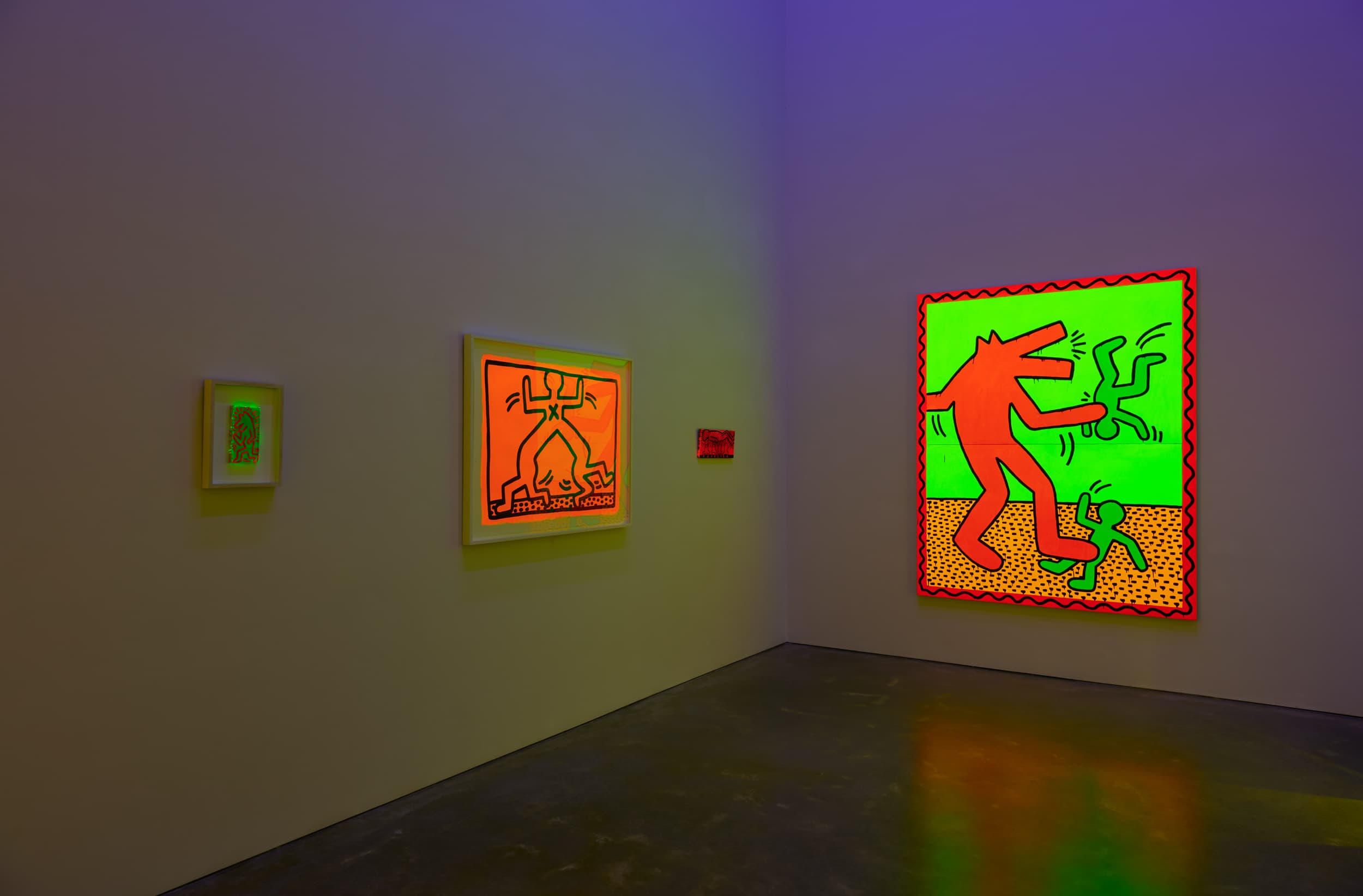
Of the Brant Foundation’s Keith Haring exhibition, one Puck critic remarked, “Does the world need another Keith Haring show?” The answer—yes.
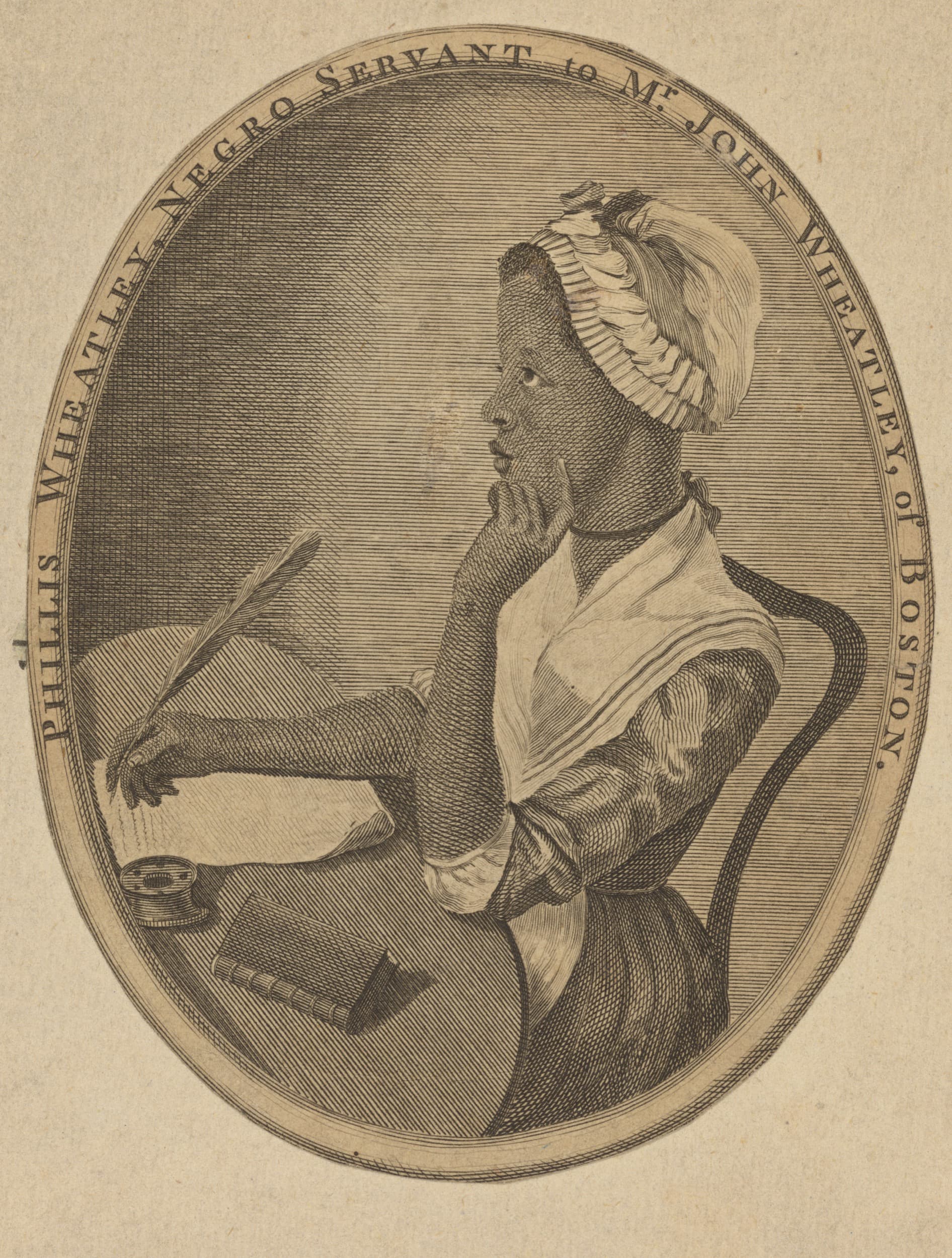
“In a revolution, as in a novel,” Alexis de Tocqueville wrote, “the most difficult part to invent is the end.” Marking the 250th anniversary of the Declaration of Independence, the Metropolitan Museum’s compact exhibition Revolution! lays bare the fiction that is the American war for independence.
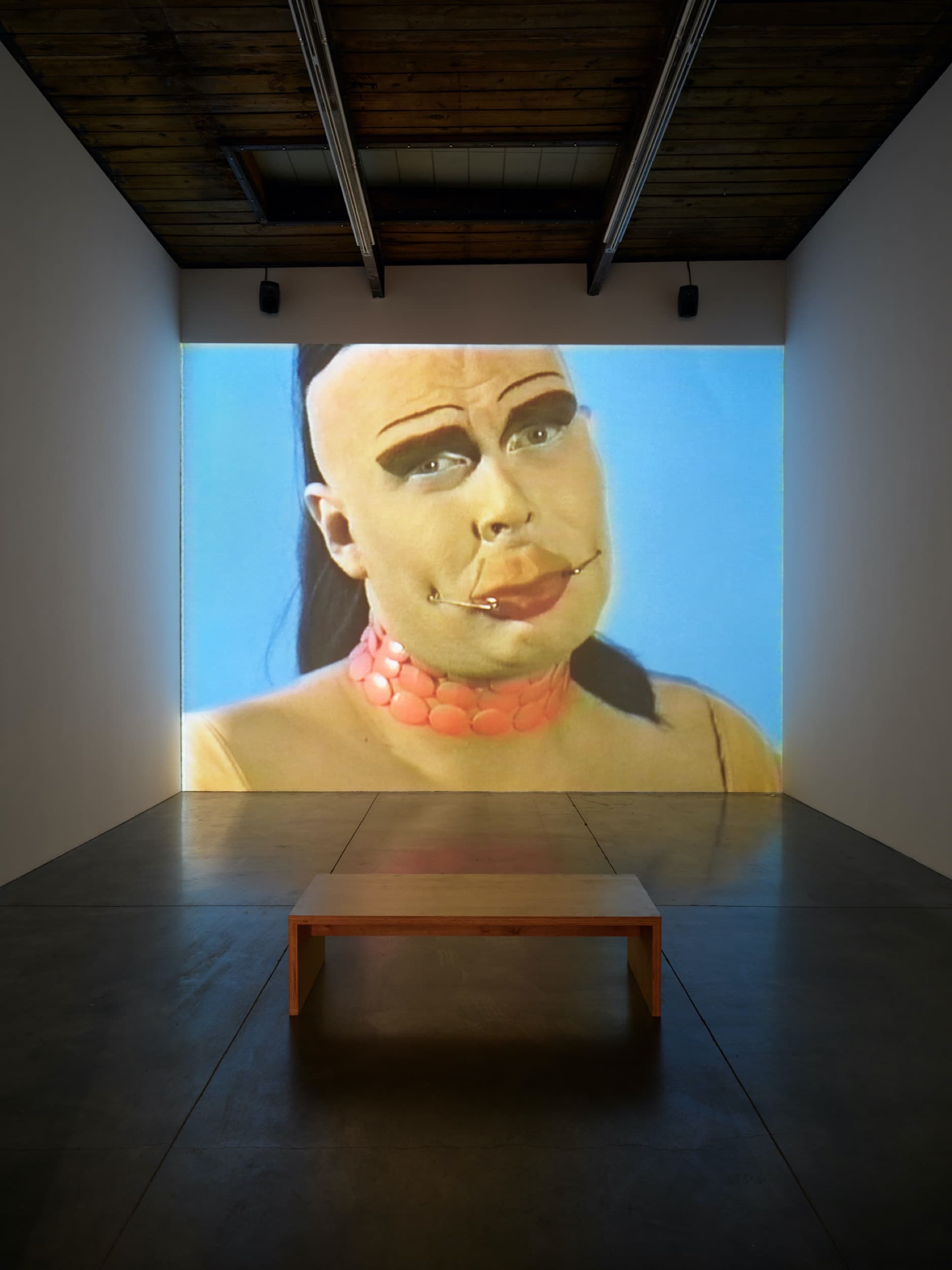
Here’s the thing about spectatorship: at the end of the day, it’s about power. More acutely, it’s a display of authority. In the charged dynamic between seeing and being seen—between who controls the look and who is reduced to spectacle—viewers have historically held the power. And what of spectatorship’s parasitical twin, voyeurism?
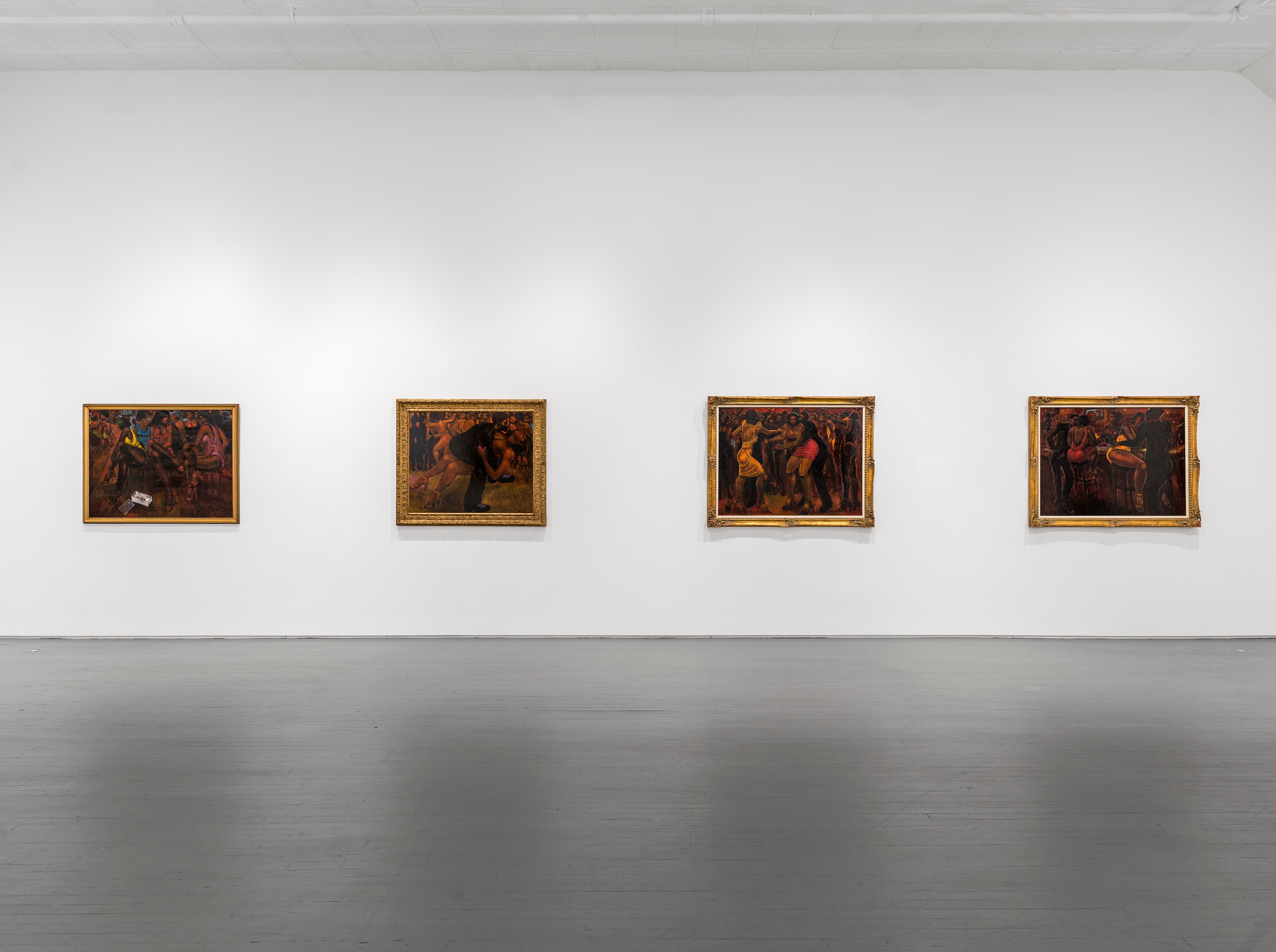
Need a sign of the times? Look no further than what’s happening in nightlife. Saturday Night, a tightly curated show of twelve oil paintings made by the late Geoffrey Holder, captures a vibrant era in the history of New York’s Black nightlife scene, a world of dimly lit dancehalls, sublime style, and dancing—lots of it.
Ghost Fires, Kahraman’s latest show, is a searing meditation upon the lasting deprivations of war and the elemental forces of natural disaster. Kahraman knows a thing or two about the many guises violence and dislocation wear. When she was eleven, her family fled the febrile abyss of America’s occupation of Iraq.

Flag Pillow (1989) is one of Hugh Steers’s most stridently political works. A small oil sketch on paper, the work’s central focus is a figure laying on a wooden floor, naked body exposed save for a pillow patterned with the US flag, draped over the subject’s face as would a death shroud. Alongside the body, a kneeling figure holds the hand of the departed—a comforting clasp, the way a mother assures a child. In the background, two suited figures loom over the scene, hands in pockets. Steers portray the “suits” from the neck down—the pair survey the scene from beyond our vantage, all-seeing but unmoved to act. One could imagine the look shared between them, apathy bound with resignation: What could we do about it?

A group show curated by Club Rhubarb’s founder Tony Cox in partnership with CANADA Presents, “Hubba Hideout” possesses all of the vitality and vivre of a good-old downtown house party (a walk-up Soho apartment serves as the exhibition space, natch).

With Bill Jensen’s latest show, A Room of Wisdom, it’s what’s not on the walls that transcends. But don’t confuse absence with emptiness. Like tantric mandalas activating meditation on phenomena’s true essence, Jensen’s paintings summon deep reflection, his “room of wisdom” filled with an abundance of sublime nothingness.

There’s more to Erotic City than just cheap thrills. Bringing together over forty artists whose work collectively spans some seventy years, this is that rarest of group shows, at once compelling in its “take on things” and seemingly unconcerned with theoretical correctness. This is made all the more remarkable given its focus on erotic art, a subject that never ceases to arouse both fury and delight.

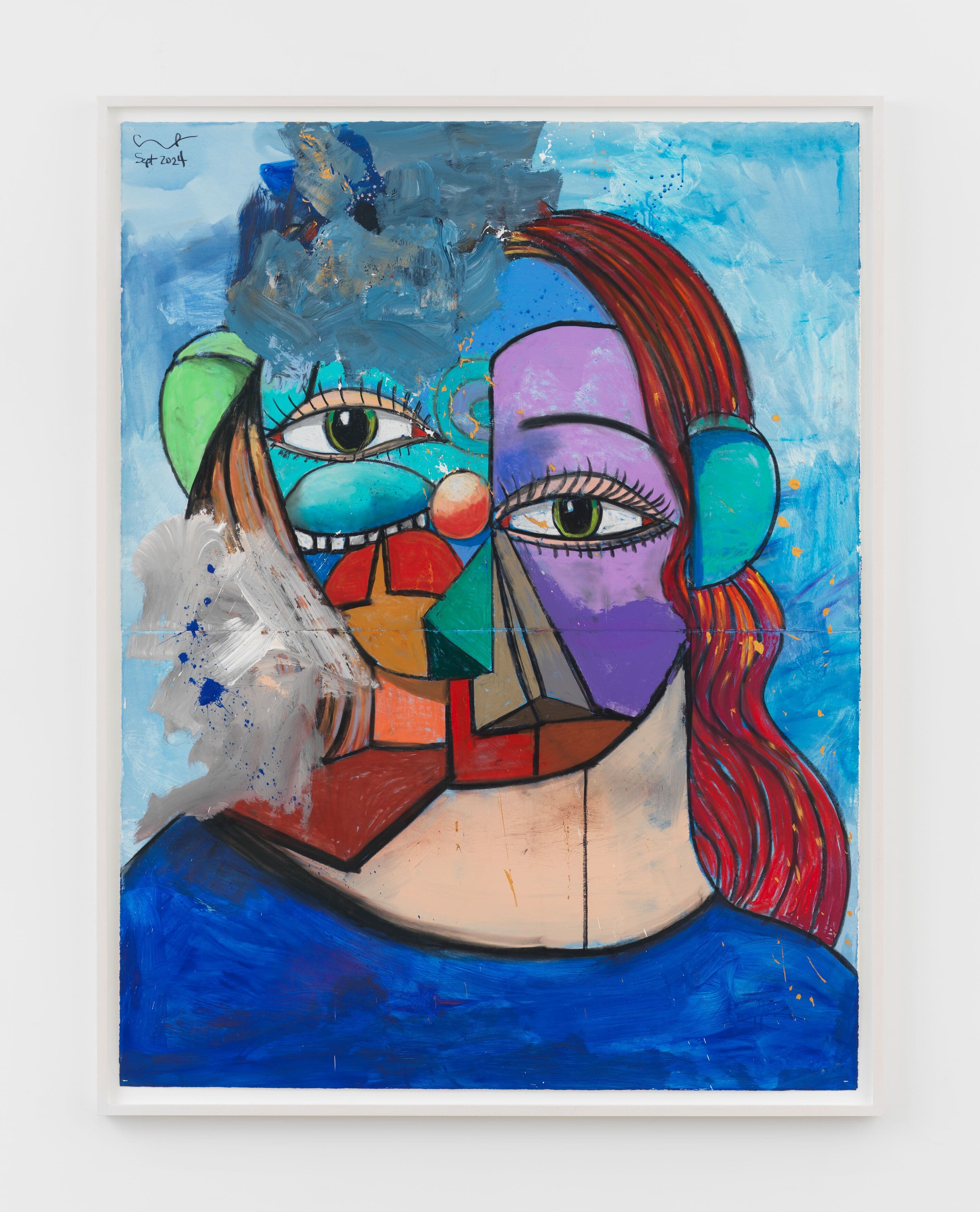
Pastels, George Condo’s latest show, is a knockout. A muscular display of Condo’s gestural physicality, matched only by his febrile dance with color, Pastels hits you smack over the head with a revelatory new body of work from one of our greatest living artists.
Rebels, saints, and martyrs. Soundwalk Collective and Patti Smith’s collaborative show Correspondences has them all.

In our current era of digital socialization, where disappearing photographs and headless torsos traded on hook-up apps define a new code of queer erotics, McGough’s Alphabet is a prescient reflection upon photography’s role in the construction and visibility of gay identity and desire.

With his latest solo show, The beat of life, artist Oscar yi Hou presents an electrifying new body of work that, by the sheer vitality of the ideas it contains and the urgency of its subject matter, enthralls and eludes in the same breath.

Anthony Cudahy’s parallel solo shows, Fool’s gold and Fool’s errand are, collectively, a mesmerizing meditation upon the nature of love.

Bringing together sixty-three prints and studies Ford donated to the Morgan Library Museum, several of the artist’s large-scale watercolors, alongside historical pieces by other artists held in the Morgan’s collection, Birds and Beasts of the Studio is a compact whirlwind of a show, brimming with Ford’s work while also deftly touching upon complex issues such as colonialism’s legacy, ongoing species extinction, and threats from climate change.


