Barbara A. MacAdam
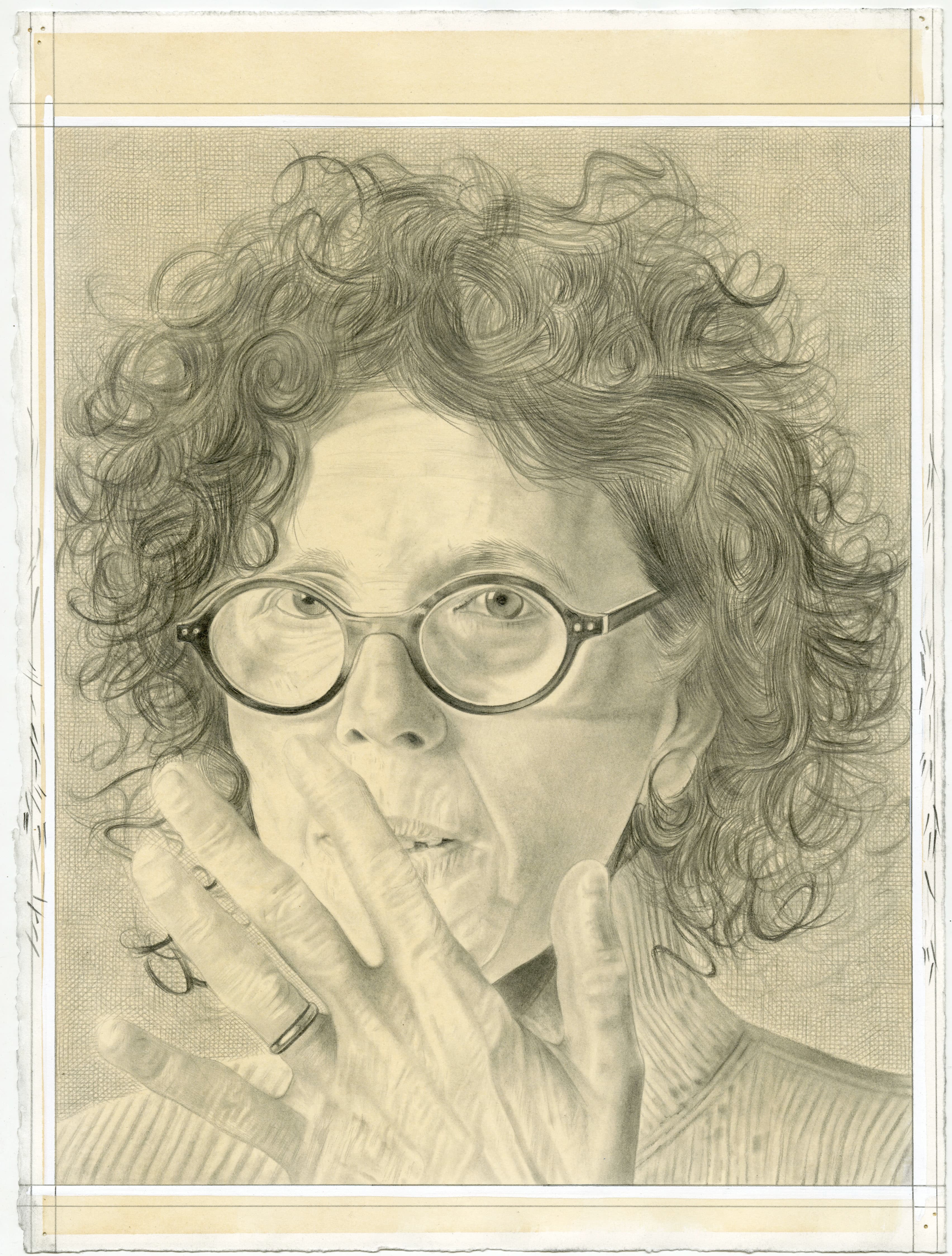
Barbara A. MacAdam is a New York-based freelance arts writer.
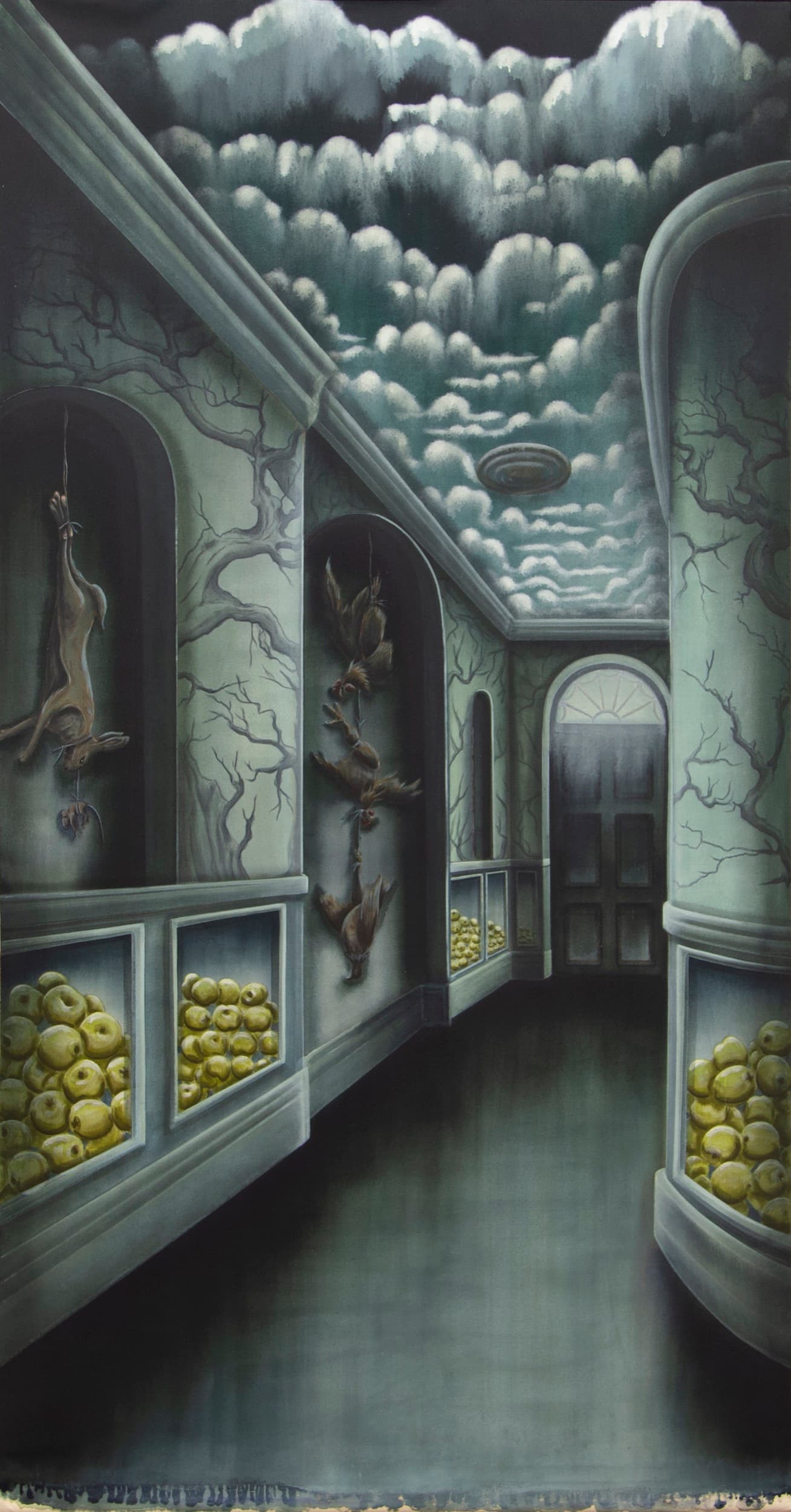
Kati Henning’s rather chilling show is understatedly titled An Unquiet House, setting the tone for an autobiographical roundup. Many stories are being told in these paintings, wrapped in a scruffy web of fathomable and more obscure symbols. Henning does a cinematic take on both realism and fantasy, letting her imagination thrive in the realm of the decidedly real and the charmingly supernatural.
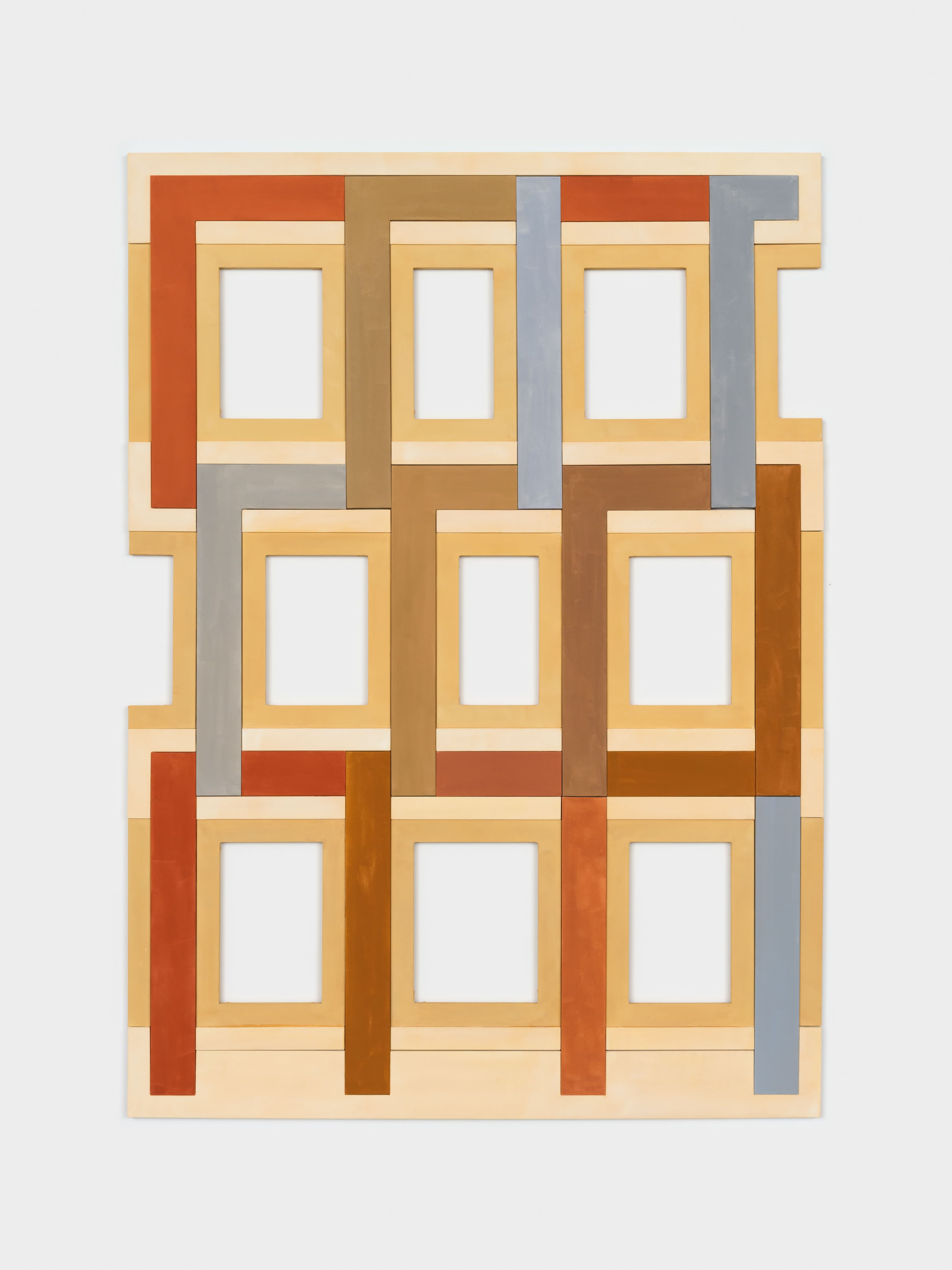
David Novros cunningly creates a kind of 3D fresco. The longtime fresco-inspired minimalist, bred in the company of Donald Judd and in the chapels of Italy, adds depth and a bit of texture to Juddian flatness and precision. He sometimes builds with what seem to be solid blocks of space.
Rona Pondick and I have spent many hours pondering the complexity of her work and the bravery of her approach with her often shocking relationship to nature, in particular with the human, animal, and material body. What stands out as especially uncomfortable are her forthright expressions of sex and private emotions. In the process of assembling her work, she has said she has learned to live in the past, the present, and even the future, materially and mentally.
Paula Cooper has been activating the currently uneasy New York art scene with a number of ambitious and inventive exhibitions, such as this presentation of the late Post-Minimalist sculptor Joel Shapiro.

While working and excelling in the most elegant and formal styles of international modernism, the Cuban-born high-abstract artist Carmen Herrera distinguished herself by demonstrating the weight and strength of drawing as a device for building two-dimensional structures as well as for showing the power of the line as a means of connection. We see her in this expansive show as a striking geometric colorist, an architectural painter, a consummate theoretician, as well as a designer.

Limbs, clothes, light reflected off of them, the tables and beds for sleeping and eating, desks for working—these are among the compelling ingredients of Catherine Murphy’s exacting and affecting paintings and drawings.

Thomas Scheibitz builds with opposites—abstraction and figuration, two and three dimensions, past and present, and everything else—and we, his audience, try to force, conceal, and reveal connections among them.

What is an art critic today, then? What is the role of art criticism, and how do critics survive? What is criticism’s (and the critic’s) impact on the work and career of artists and the culture at large? And, shifting to the perspective of the critics and a question much less often asked, what impact does their choice of career have on their lives, and why choose such a non-lucrative vocation/avocation that is ironically, tauntingly so privilege-adjacent?

The late prints in this show, titled Room, Sea & Sky, on view through October 26, take us inside Guston’s head as, in the last year of his life, 1980, he reworked and concentrated themes and obsessions. In these lithographs, created with his print collaborator Gemini G.E.L., we find his dreams and fears documented.

Brie Ruais’s medium is her own—it’s herself and it’s the earth, the soil, the sand, the sea, the sky, the atmosphere, and the wind. Her exhibition, Bone Dice, possesses an enigmatic beauty conveyed by electrifying colors and a rhythmic sense of motion.


