Steven Pollock
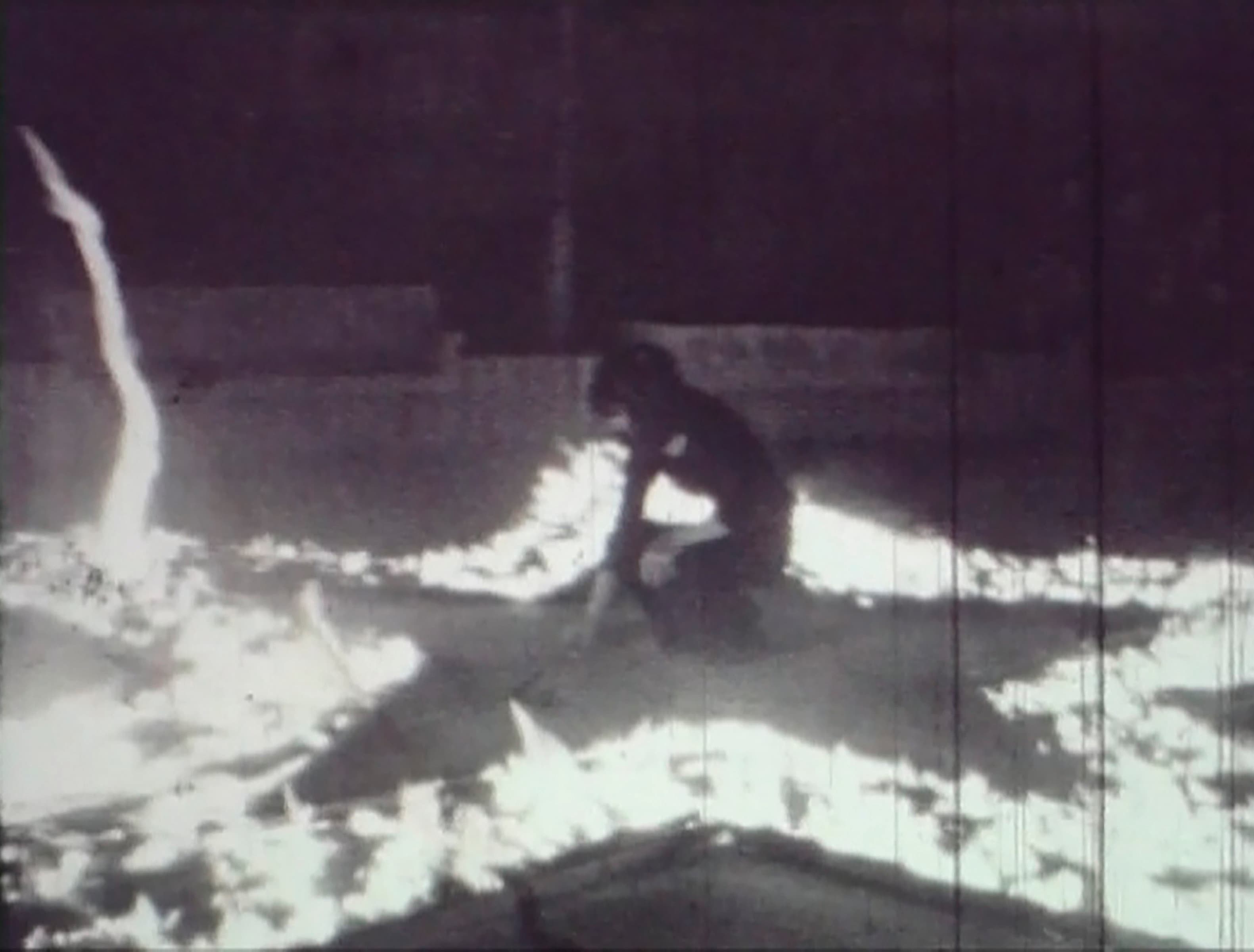
Marina Abramović’s Rhythm 5 (1974) is a video documenting a performance in which she lost consciousness after smoke inhalation and is a highlight of curator/painter Mari Otberg’s sprawling exhibition of over forty-five artists at Kunsthaus Muerz.
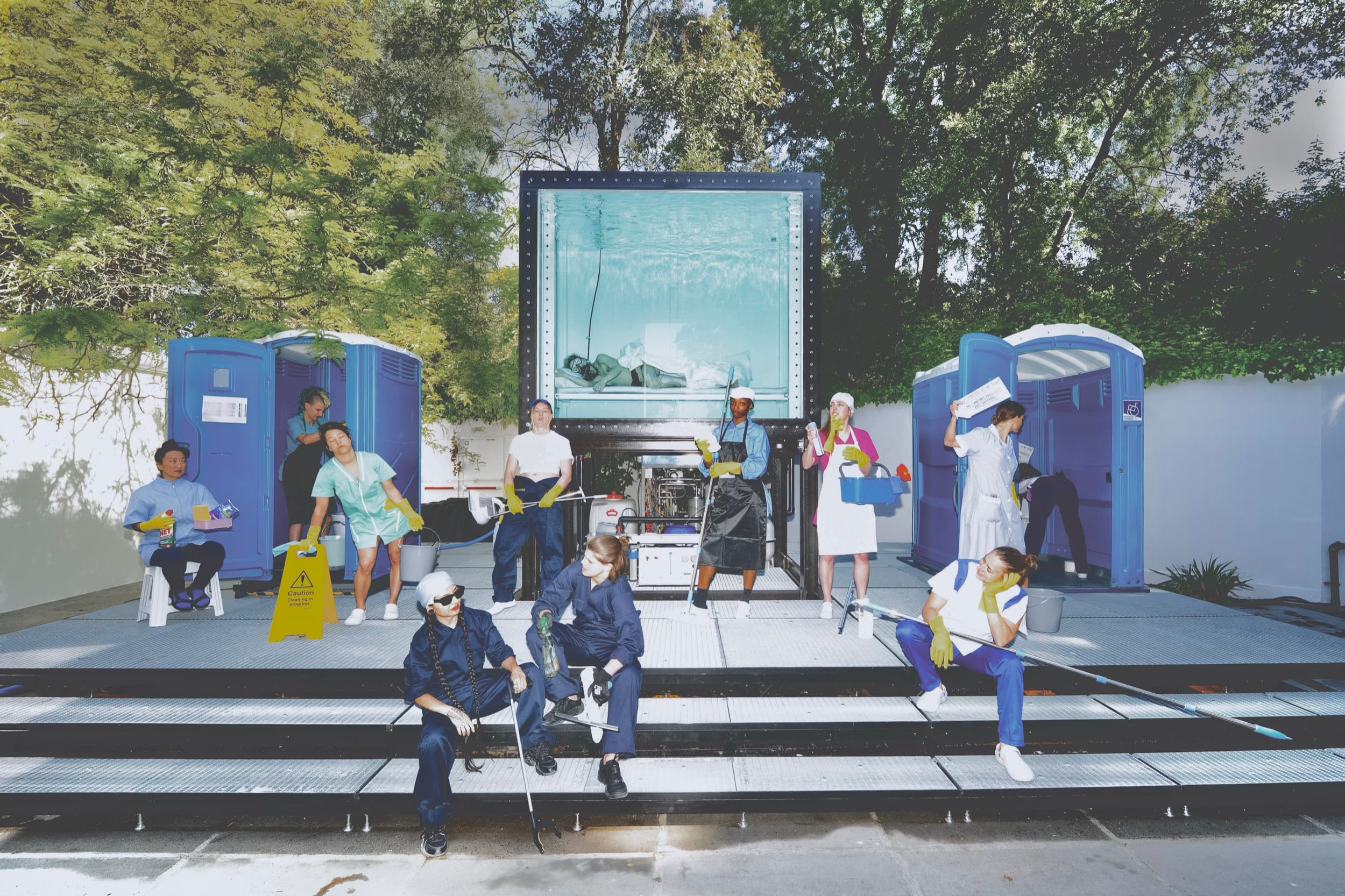
In the span of a week, Florentina Holzinger opened the Austrian Paviliona at Venice; put on a nine-hour, two-venue performance at Vienna Ice-Skating Club and Hermann Nitsch’s castle in Prinzendorfl; and flew to Australia to open A Year Without Summer.
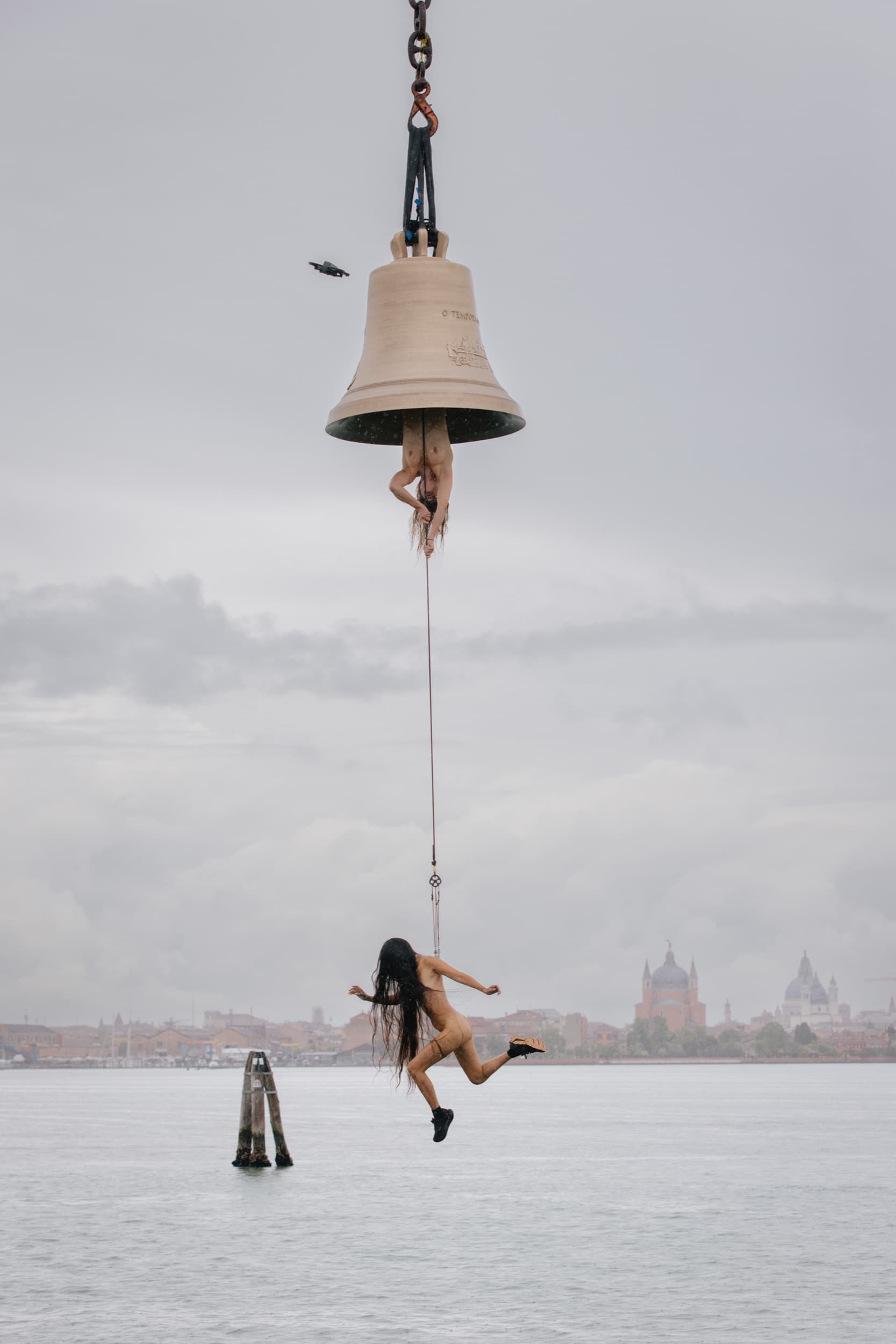
Florentina Holzinger’s SEAWORLD VENICE transformed the Austrian Pavilion through ascendant movement and sonic force—mirroring Kouoh’s theme—launched by performances that repurpose the bell, freshly drawn from the lagoon in an Étude, reframing its canonical function as a radical feminist Maenad’s call to action.
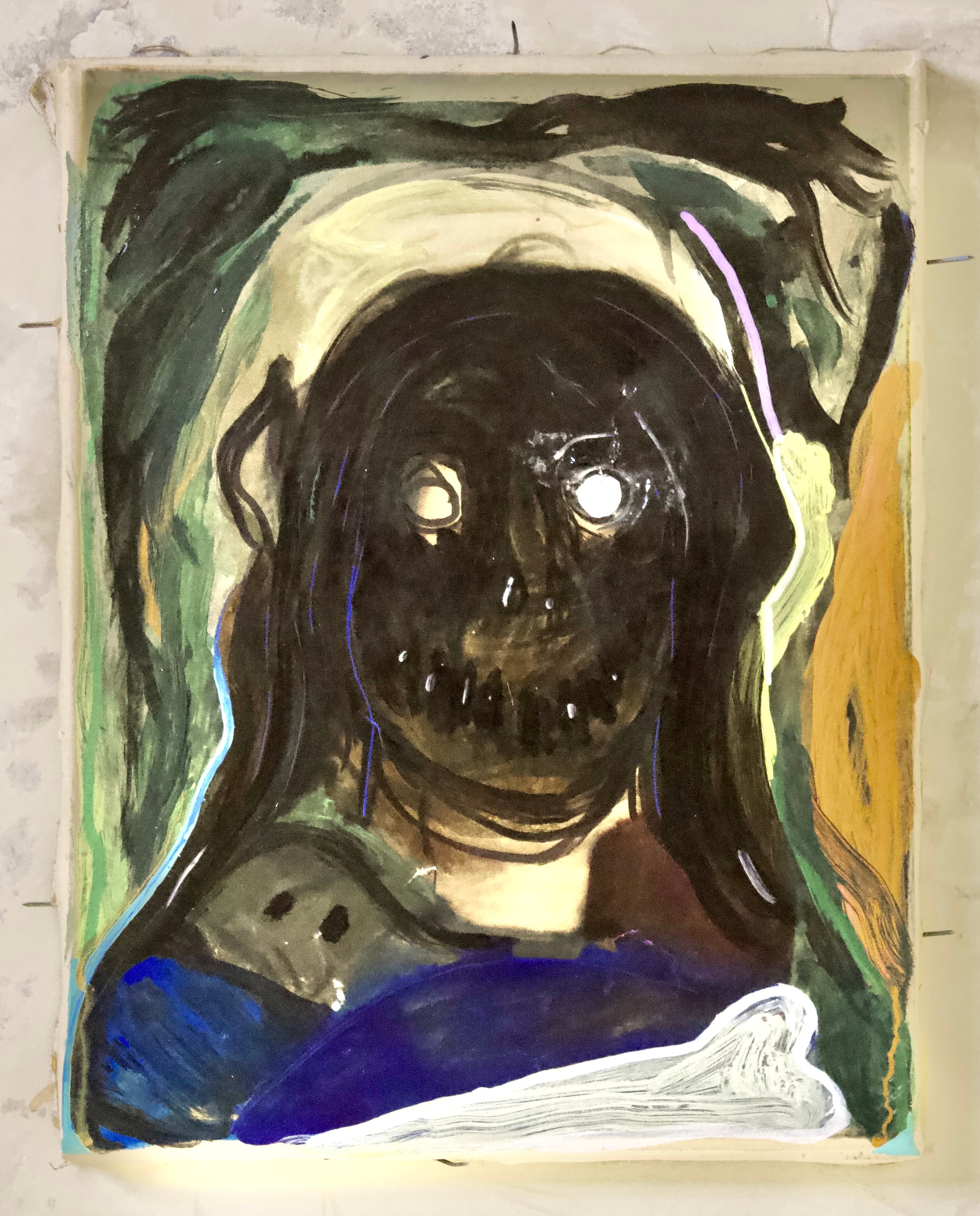
In a text accompanying Christian T. Norum’s curatorial installation at No Institute, Edvard Munch tells his interlocutor he must “learn to fall.”
After premiering A Year without Summer, Florentina Holzinger’s trajectory is as assured as her seven-syllable name, echoing the alliteration and assonance of the equally divisive Pier Paolo Pasolini.

The Albertina, one of Austria’s premiere cultural institutions, has appointed Ralph Gleis as its new director, succeeding Klaus Albrecht Schröder. Previously the head of the Alte Nationalgalerie in Berlin, Gleis conveyed his vision for the Albertina, the Albertina Modern, and the Albertina Klosterneuburg to the Rail’s Editor-at-Large Steven Pollock.

When viewing the 23 paintings, masks, and costumes that comprise Eva Beresin’s exhibition OffStage, one navigates intersecting characteristics of theatre and painting.

Italian sculptor Medardo Rosso (1858–1928), a self-described “European anarchist born on a train,” is the subject of a long-overdue retrospective at mumok—Museum moderner Kunst Stiftung Ludwig Wien. Around fifty of Rosso's sculptures—variants from his thirty-nine proto-original subjects cast in the archaic lost-wax method—are installed over two museum floors. These multiples, each unique in color, finish, material, and scale, are produced over numerous series that constitute his entire output.

At the Albertina, one can examine the metamorphosis from Robert Longo’s 1980 black and white charcoal drawings, each of which are Untitled (and named parametrically Eric, Cindy, Frank, and Gretchen) leading to 1989’s multi-media Combine, Now Everybody (For R.W.Fassbinder).

October 2024Art History Meditations
Visionary Spaces: Walter Pichler meets Frederick Kiesler
Regarding the arts, the nation of Austria is known for punching above its weight. At Belvedere 21 the stage was set for a double act, when the curators chose an undocumented 1963 meeting that took place in Frederick Kiesler’s New York studio with Walter Pichler.

