Scott Gutterman
Scott Gutterman has written about art and music for Artforum, GQ, the New Yorker, Vogue, and other publications. His most recent book is Sunlight on the River: Poems about Paintings, Paintings about Poems (Prestel, 2015). He is deputy director of Neue Galerie New York and lives in Brooklyn.
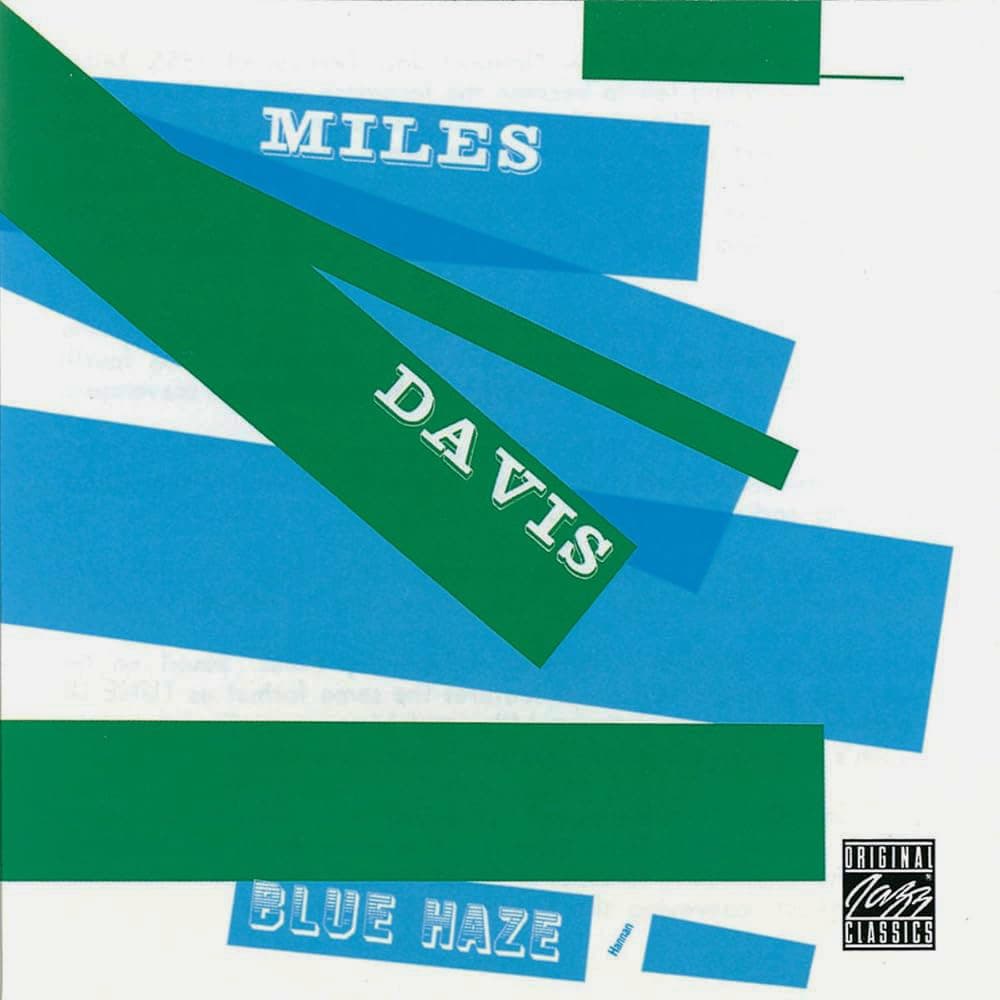
In 1990, I had the opportunity to work on a book project with Miles Davis. During the weeks leading up to my first interview with him, I gave myself the exhilarating task of immersing myself in his music. I figured I’d start with the early recordings and work my way forward, but I never made it out of the 1950s.
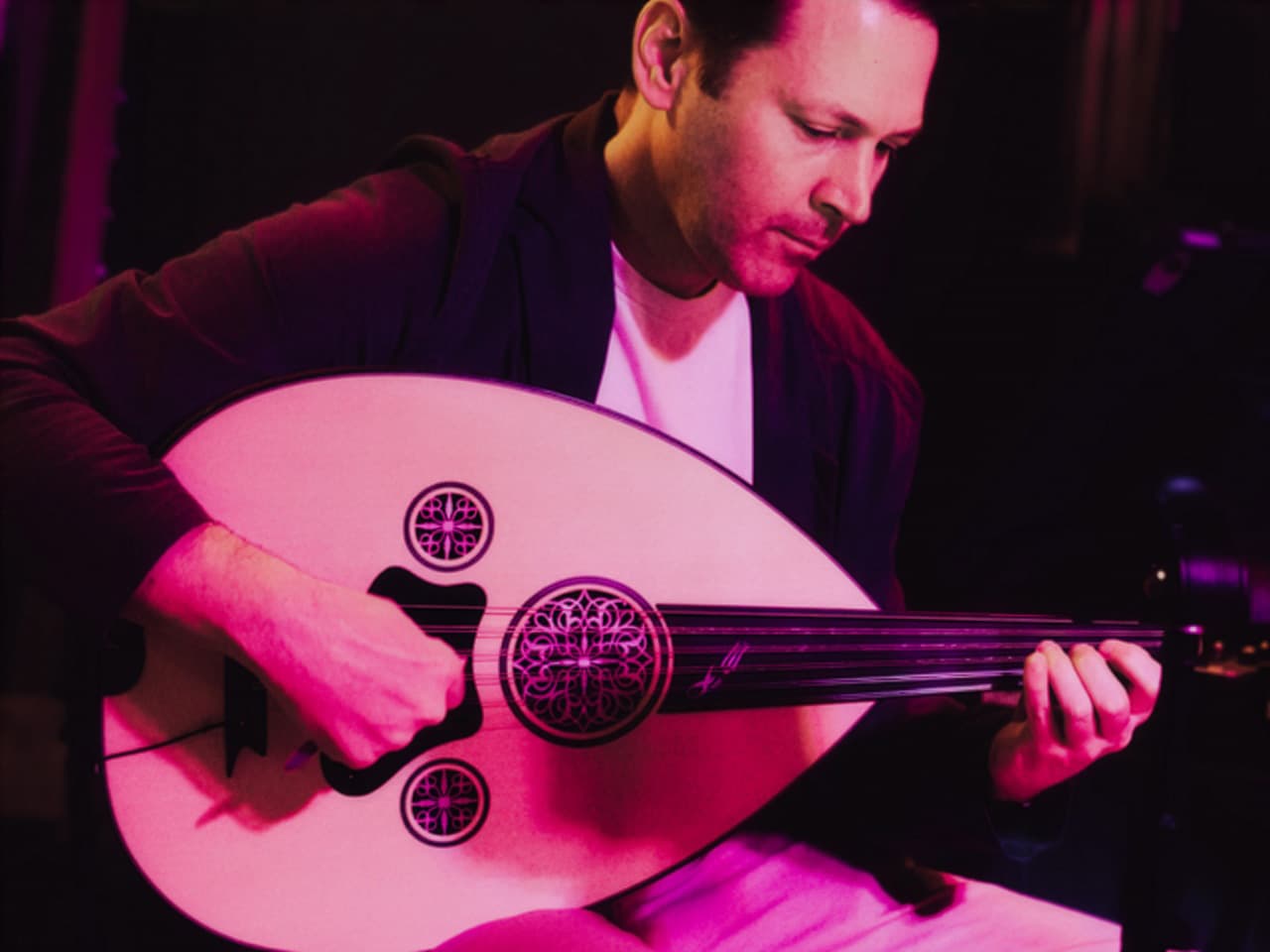
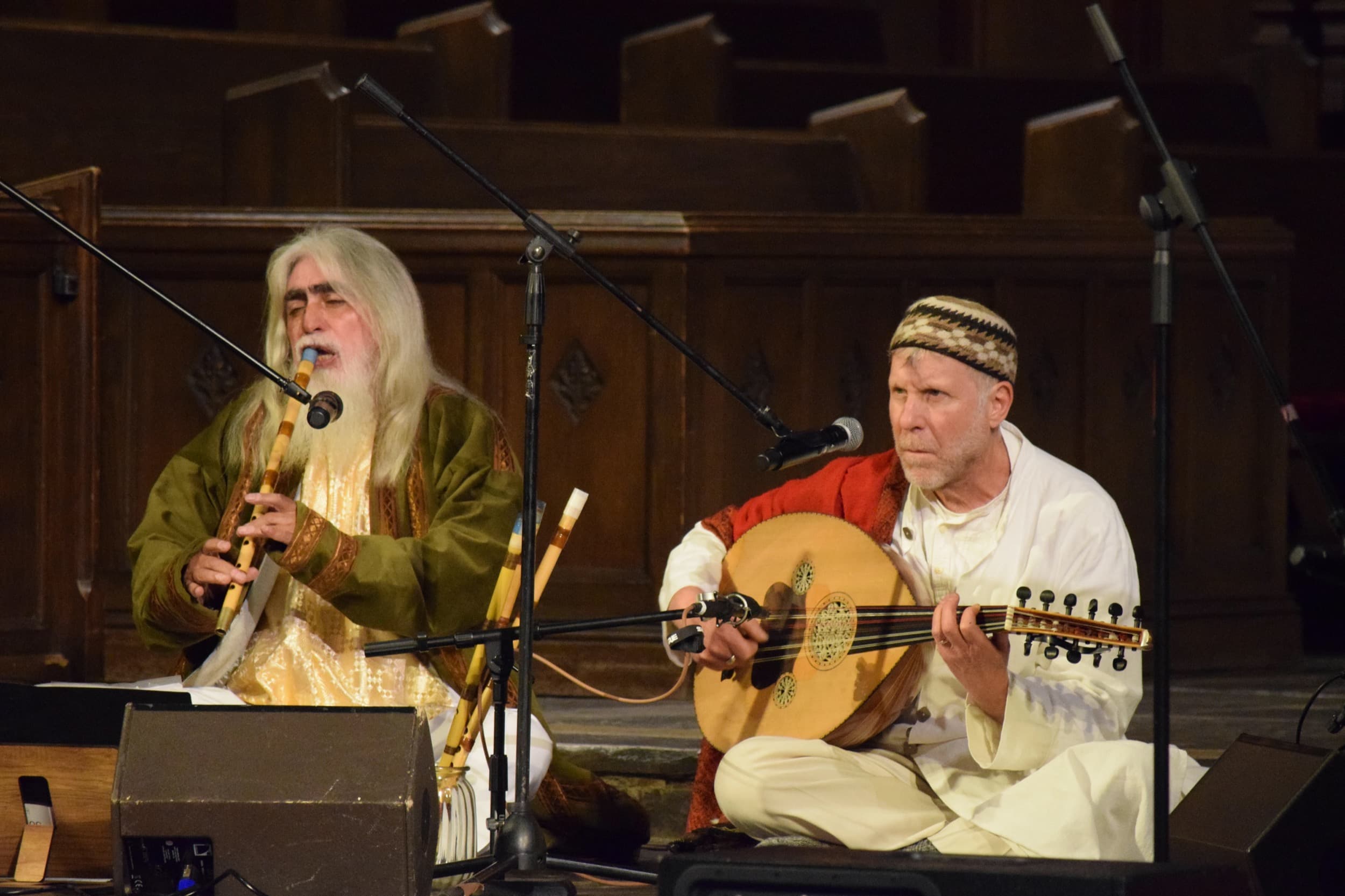
Compared to the oud, the guitar is something of a newcomer. Some version of this pear-shaped, fretless instrument has been central to the music of Southwest Asia and North Africa (SWANA) for thousands of years.
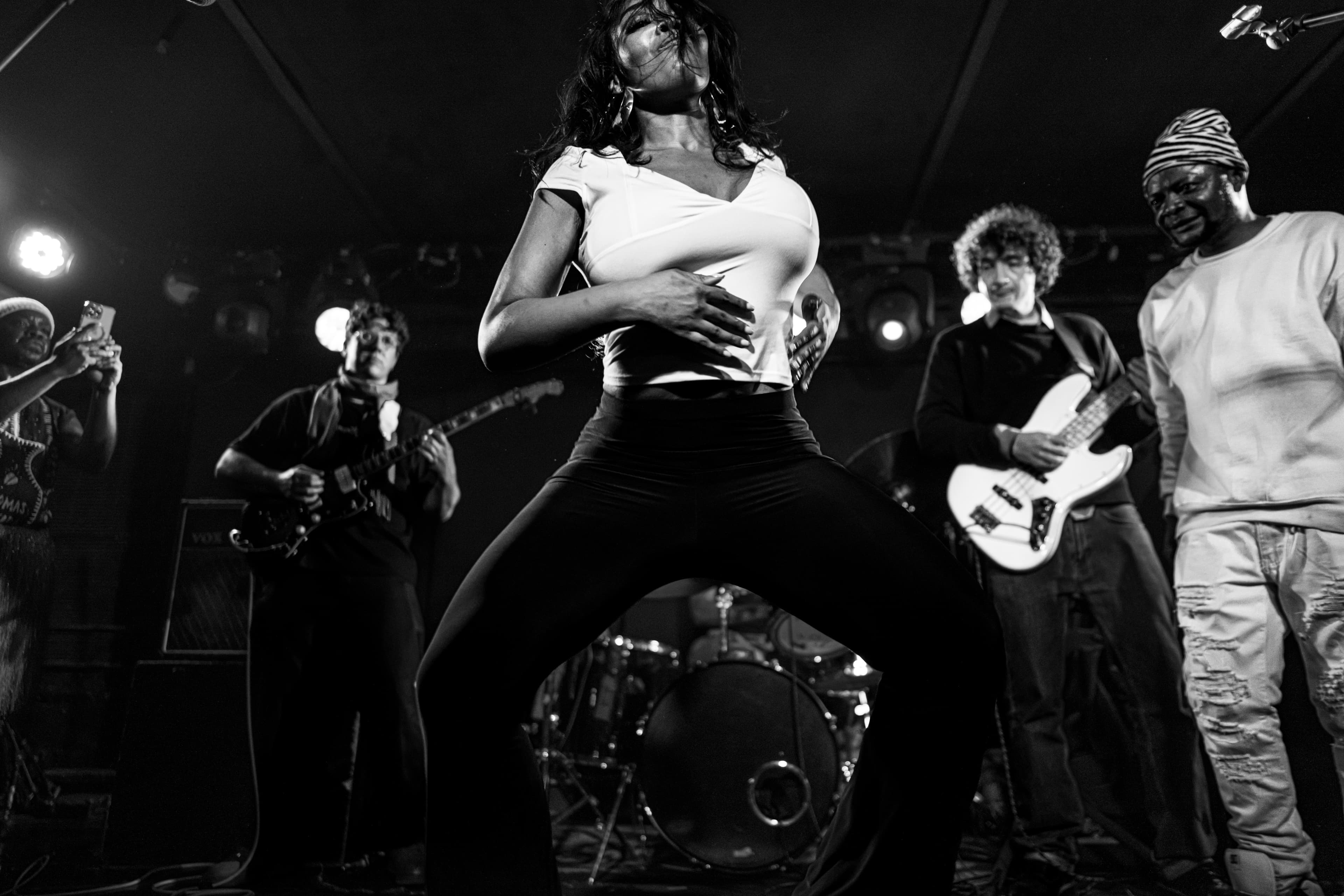
One of the great recurring musical events in New York is the long-running Wednesday night residency by the Mandingo Ambassadors at Barbès.
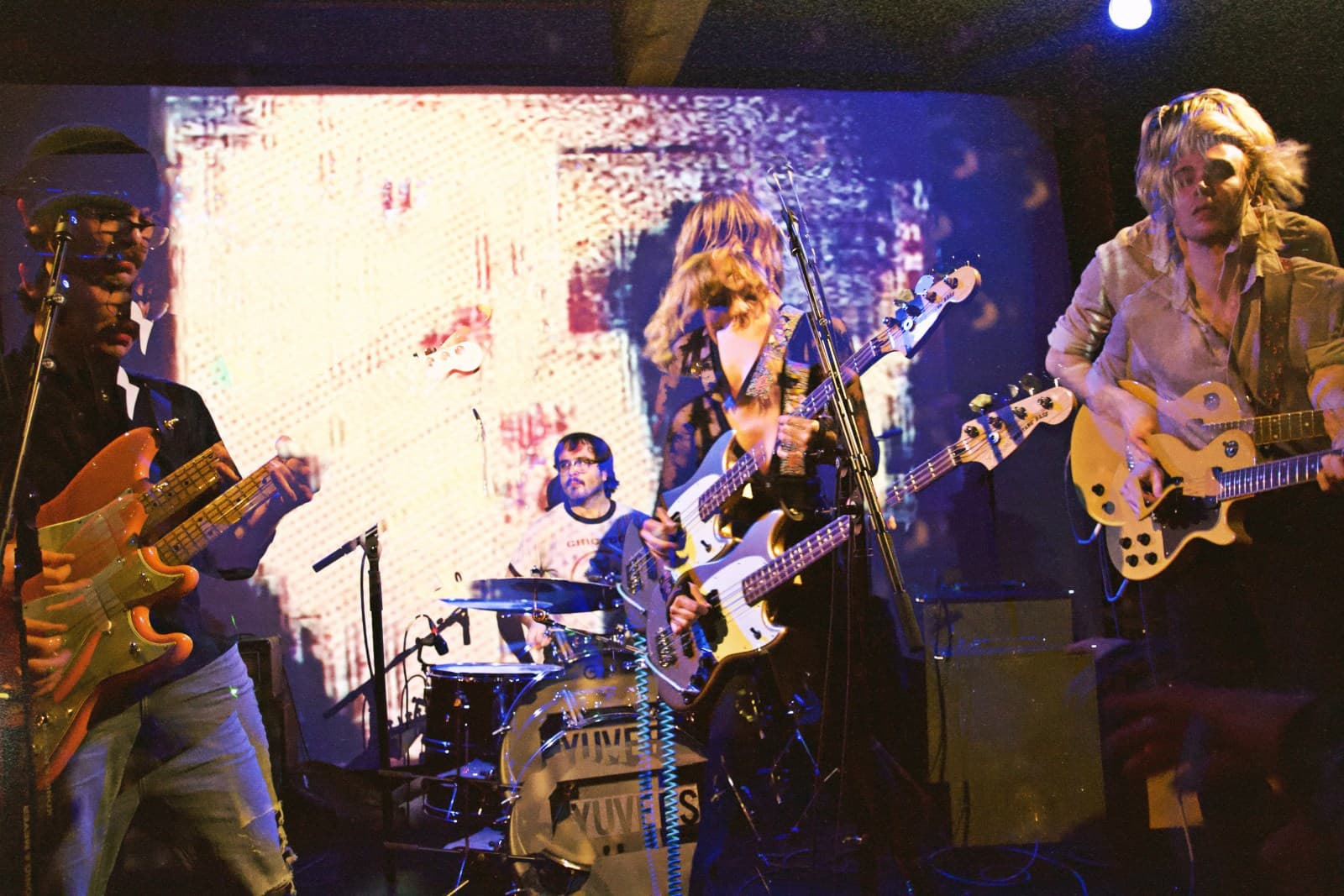
From March 3 to 8, the New Colossus Festival will bring more than one hundred and seventy bands and solo artists to New York. The majority will come from abroad: festival founders Mike Bell and Steven Matrick found that export offices from various countries would provide funds to bands to bring them to the city.
The World Music Institute (WMI) is celebrating its fortieth anniversary this year. Because of this great organization, New Yorkers have been able to experience top-tier music and dance from Afghanistan, Cuba, India, Mexico, Gambia, Ireland, and scores of other countries.
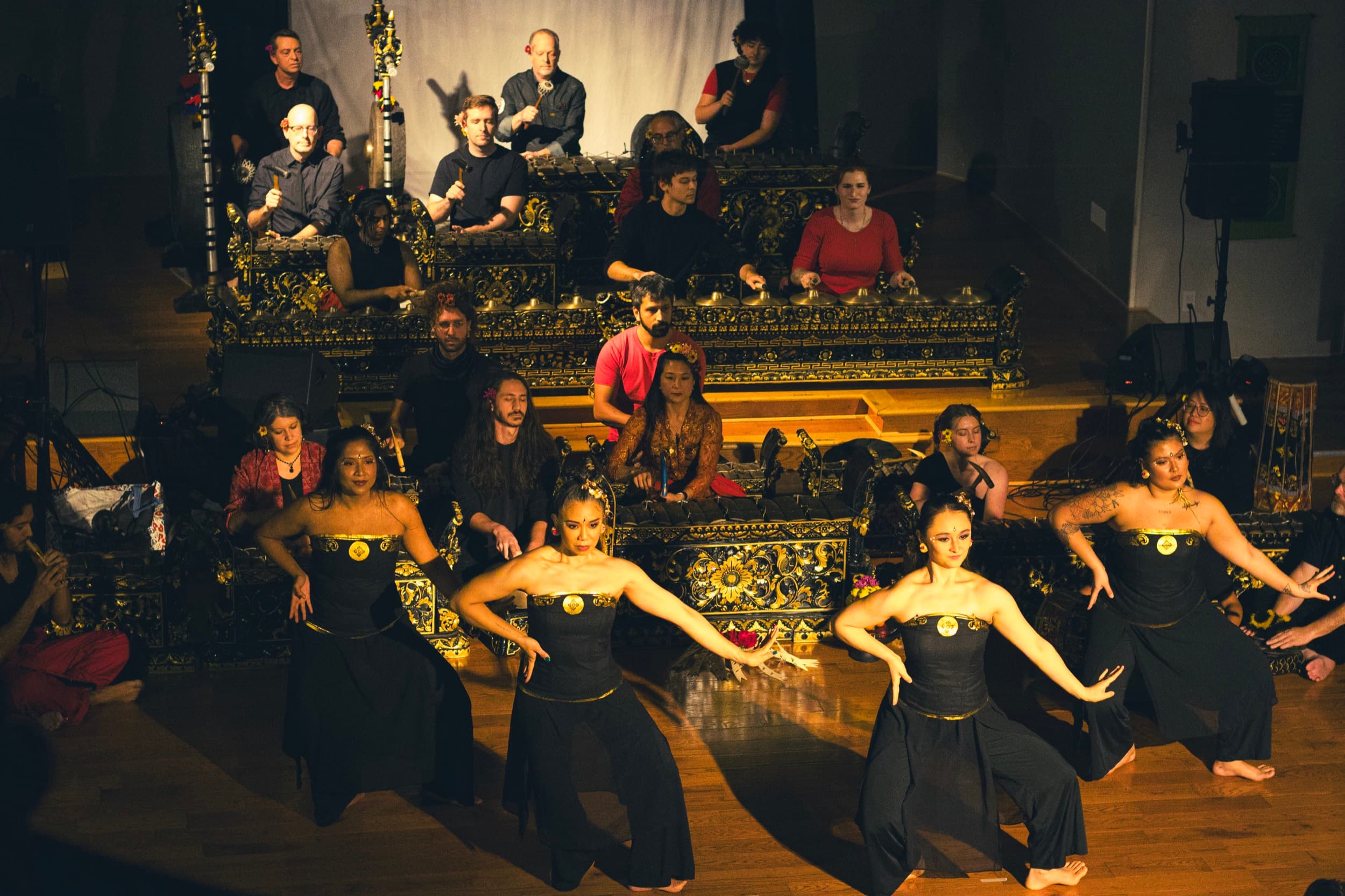
Minimalist art demands the kind of attention that keeps us from racing away from ourselves, our problems, and our possibilities. It’s a useful model at this moment when we desperately need to slow the rush to tear things down before we have any reasonable idea what do with the ruins we are creating.
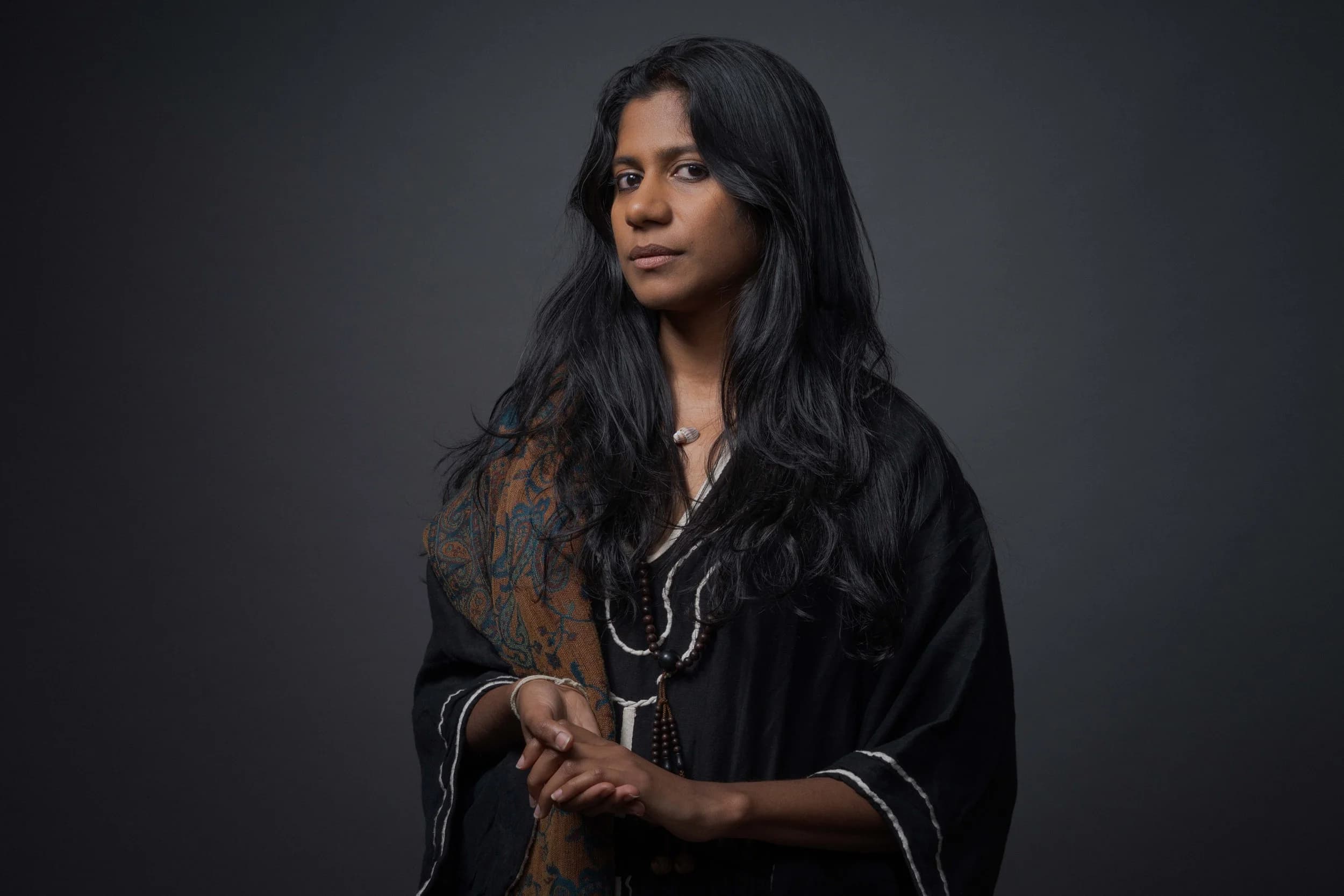
As a performer, ganavya is remarkably inward and self-effacing. She seeks to involve the audience in her sonic journey, eliciting humming ringing tones and repeated selected lyrics. Yet it is her voice—unmistakable, indelible—that is the binding force of her art.
Of all the orchestral instruments, the cello may be the most lovable. There is something about its declarative alto voice that stirs and soothes. The violin often gets top billing, the piano encompasses all with its great range, but the cello unfailingly speaks to us.

The headlines pile up, crashing into each other. Sense becomes nonsense. Six months into Trump’s second term, many of us read the newspaper slack-jawed, tense with wonder about what could possibly come next.

In March of this year, Donald Trump signed an executive order making English the official language of the United States. Lost in the insistence on purity and a single national language is any appreciation for the concept of syncretism, in which different traditions combine to create an enlarged method of communication. Music is a natural wellspring for this kind of cross-current refreshment. When American R&B got picked up by Jamaican musicians, the beat slid over and reggae was born. When English musicians heard American folk-blues, they amplified it and transmogrified it into a potent strain of rock ‘n roll. The process is never neat and tidy, nor is the result, but the vitality of the expression is enhanced.

With the news coming at us full speed daily, fractious and invasive, do we have any sacred space in which to dwell? Two recent recordings, by the ensemble Pitch, Rhythm and Consciousness and by pianist Isaiah J. Thompson, engage in musical explorations of this question, newly imagining how traditional forms of worship can merge with ever-evolving musical practices.

Located a few doors down from the Gowanus Canal, IBeam Brooklyn evokes the days of loft jazz, with its plywood floors, white brick enclosure, and high ceilings. Blank sandstone-colored panels punctuate the walls, and three large canvases surrounding the performers—roughly evoking Gerhard Richter, Franz Kline, and Japanese calligraphy—read as pillars of abstraction, testaments to the possibilities of open-ended thought.

It was not so long ago that celebrating the art of different cultures was the natural outgrowth of music in our country. After all, music is known as the universal language, and recognizing its different paths and ways of growing and recombining fit our national narrative. One of the abrupt shocks of a nativist, isolationist vision of politics is its corrosion of this narrative. Yet Magos Herrera and her fellow transnational musicians continue to resist this approach.

From March through May of this year, Ars Nova Workshop will present special twenty-fifth anniversary programming, with concerts that range across the musical spectrum. These will include John Zorn’s New Masada Quartet, Thurston Moore, The Messthetics with James Brandon Lewis, and Roscoe Mitchell with Tyshawn Sorey. This is a capstone and show of strength for an organization that has presented such major figures as Cecil Taylor, Rhys Chatham, Henry Threadgill, and Vijay Iyer.

Co-founded in 2007 by musicians Rob Garcia, Michel Gentile, and Daniel Kelly, Connection Works’ mission is to operate as “an artist-run non-profit organization that engages the Brooklyn community with world-class jazz performances and educational events.”

Music for Broken Violins is a fascinating project by violinist Marija Kovačević. Born in Serbia and now based in New York, she was working as a violin teacher at the Brooklyn Music School when she happened upon a closet that was stuffed with broken violins. Kovačević decided to work with them as they were—to seek out whatever beauty might remain in their battered forms.

For Black South African artists, the past that needs to be reckoned with includes the intense pain, the ghosts, of apartheid. Yet it was out of this oppressed culture that there arose arguably the first major star of the genre known as world music: Miriam Makeba.

I thought of that when considering the astonishing life and career of the drummer Max Roach, whose centennial is being celebrated with concerts, lectures, and a terrific documentary named after one of his solo percussion pieces, The Drum Also Waltzes.
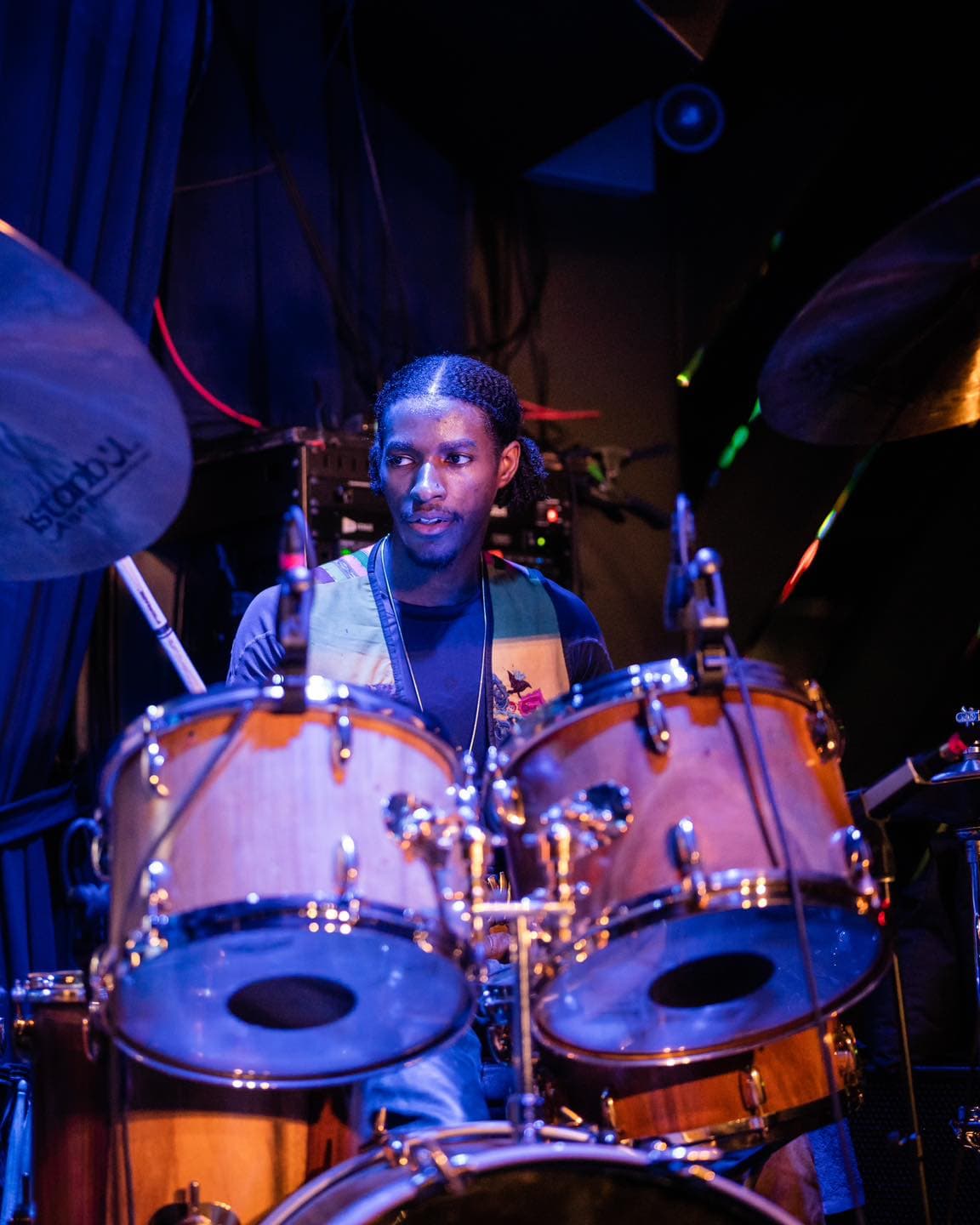
Summoning that will to change, and bringing people together to do so, is an essential challenge. Initiatives like the Habibi Festival allow us not only to envision this transformation, but to accelerate into change.


