Sarah Moroz

Sarah Moroz is a Franco-American journalist and translator based in Paris. She writes about photography, art, and various other cultural topics.

This book not only introduces the breadth of her production but of the thinking and methodology behind it. How Taeuber-Arp executed this creative approach reflects a meticulous, curious mind.
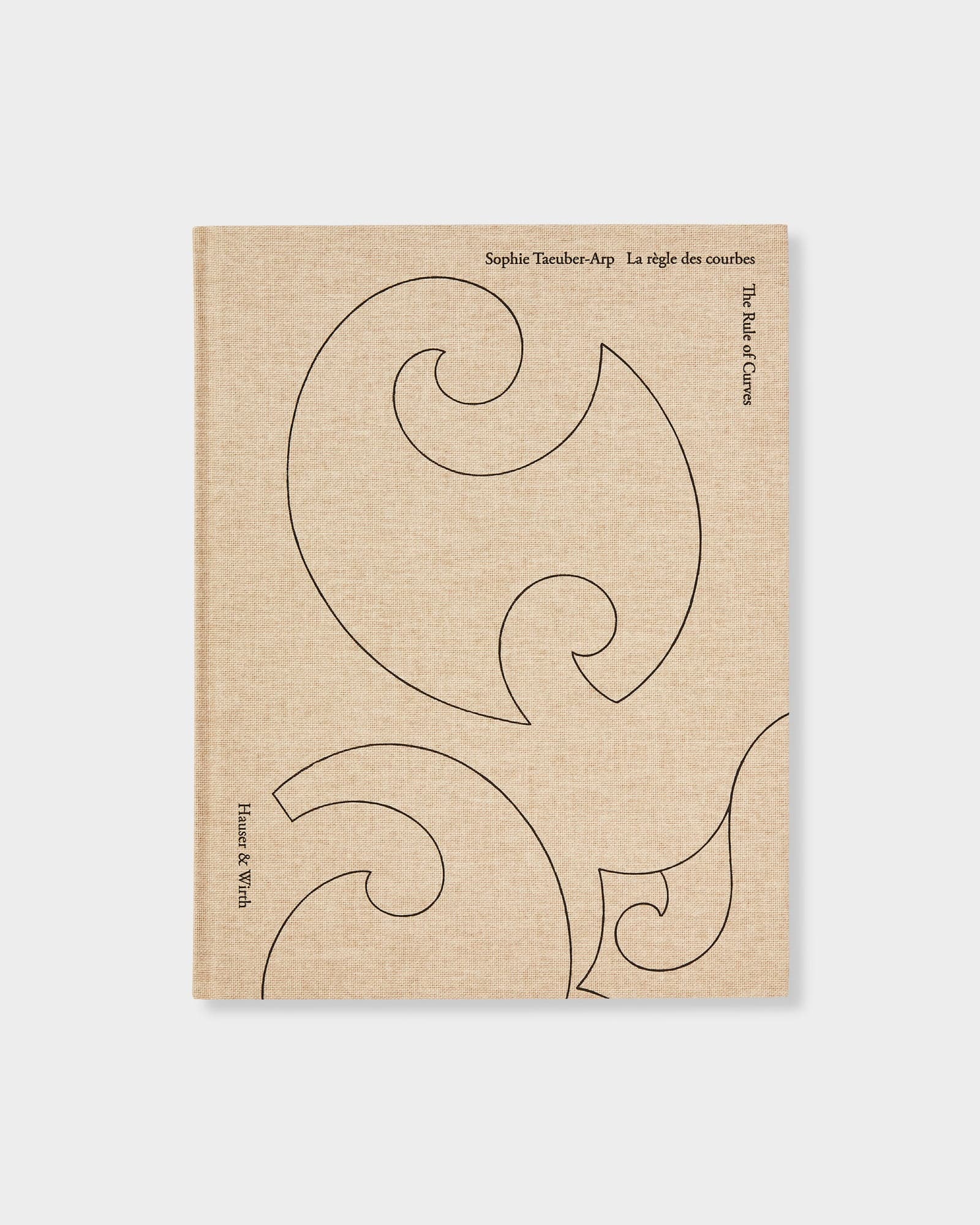
Sophie Taeuber-Arp: la règle des courbes / The Rule of Curves

Play, desire, and possibility underpin the images. But perhaps most delightfully, Peter Tomka equates gestures in the images themselves with the analogue process of making a photo. 
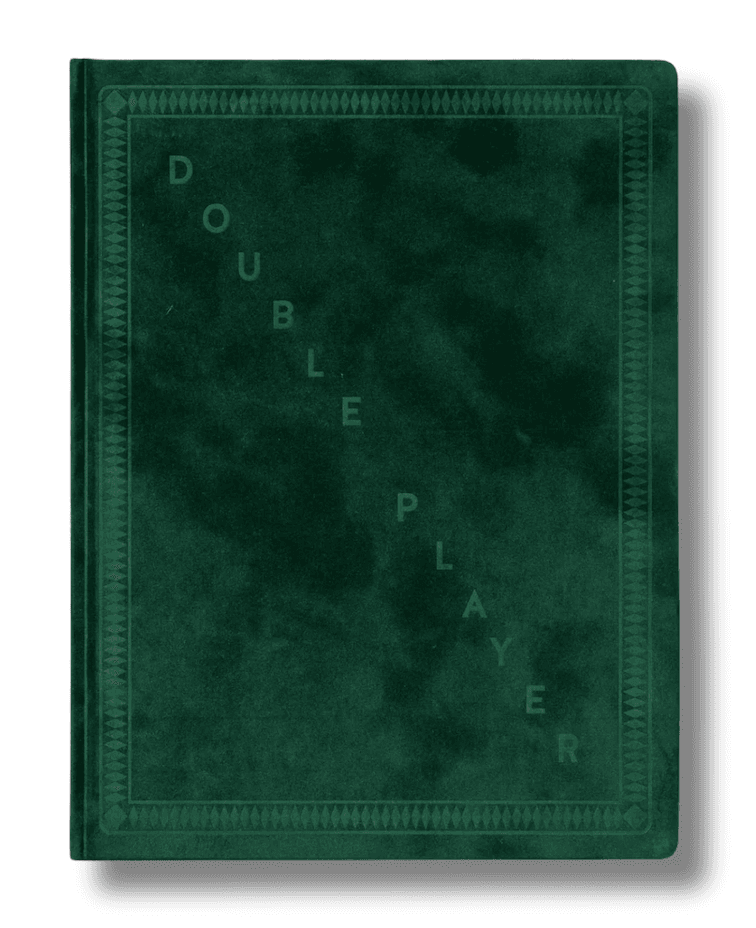
 

Peter Tomka’s Double Player

This book illustrates the artist’s studio, the threshold of which no gallerist or curator had ever crossed. The merit of the project is in the access—understanding the ground zero of how an artist operated.
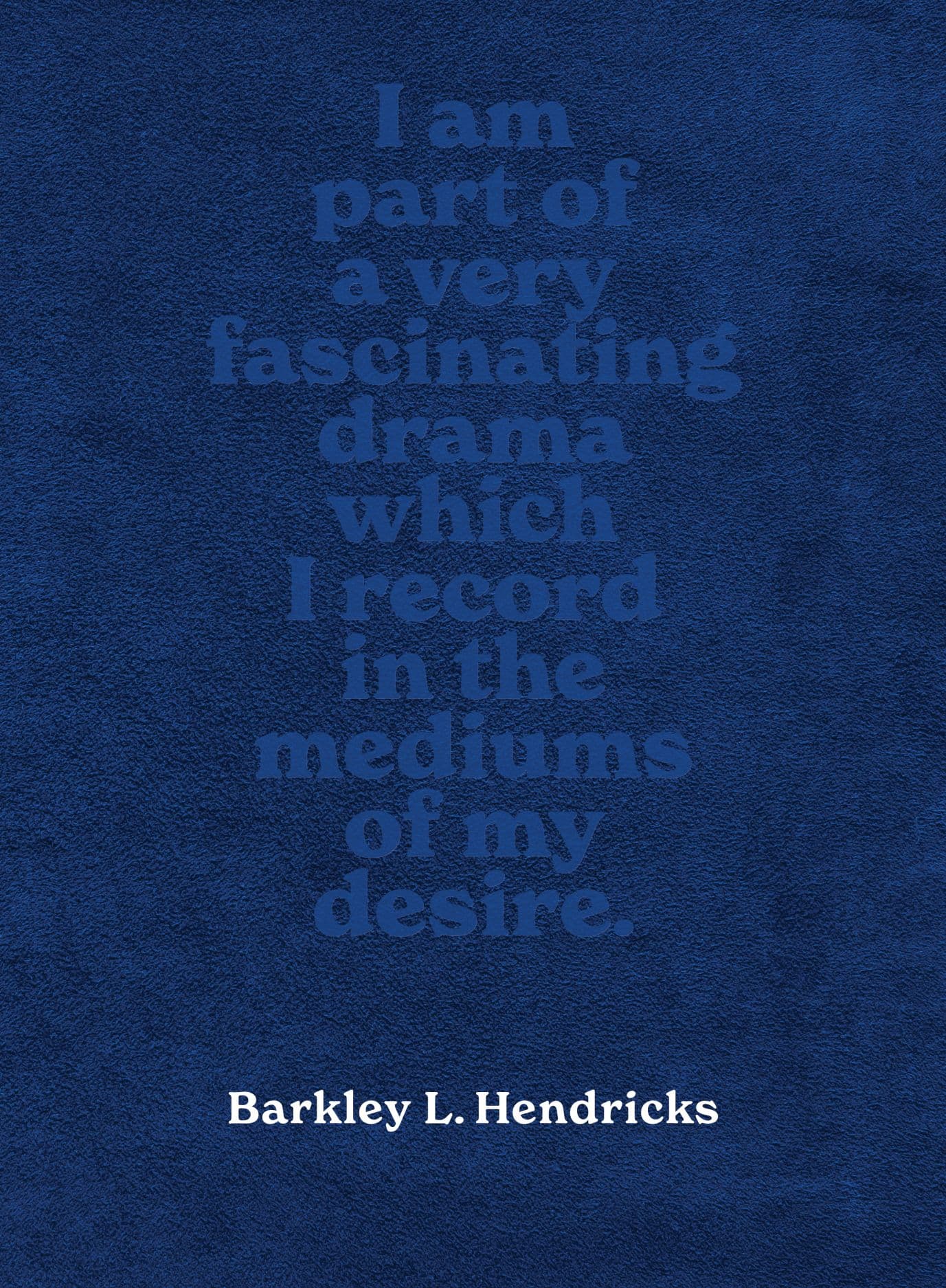
Barkley L. Hendricks: Piles of Inspiration Everywhere

This book reintroduces a forgotten artistic figure whose visibility was squashed by the art world’s racism and misogyny. Although Vivian Browne (1929–1993) was in the same circuit as Faith Ringgold and Howardena Pindell, she has not had an equivalent renaissance in recent years, barring RYAN LEE Gallery in New York showing her work in 2019 and 2022.

Vivian Browne: My Kind of Protest

Of the 108 photos, many present pliant, almost gymnastic silhouettes: arched backs and curved torsos, outstretched balletic arms and upturned chins, bent knees and curtains of hair, standing alone or in intertwined pairings. Facelessness is a kind of recurrent hide-and-go-seek, timid more than coy, the older version of hiding behind your mother’s leg. In an essay by scholar Tiana Reid, she praises the “flourishes and rainbowscapes” of Bobb-Willis’s output, “this romance toward living and creating.”

Arielle Bobb-Willis: Keep the Kid Alive

Love, You Came from Greatness, a slender monograph by American photographer and Spelman College professor Nydia Blas, explores Black community and family portraiture through a mix of contemporary and archival images.

Nydia Blas’s Love, You Came from Greatness

Here we learn how a cohort of women so capably and astutely championed modern art. The book, scholarly in tone, acts as a restitution.

Inventing the Modern: Untold Stories of the Women Who Shaped The Museum of Modern Art
Featured within are images from unprocessed film, exposed to light by Israeli security forces at a checkpoint. The book's design successfully connects material and content, embedding the metaphorical role of censorship into the work and into the reader’s experience of it.
Morgan Ashcom’s Open
“This is a book of portraits absent of the people they represent,” states Michelle Levy, who edited the tome, regarding the still life ensembles that fill the pages. Dreamed up by Polish-born New York-based artist Elisabeth Smolarz, the project began in 2014 and focuses on “opening the channels of communication to the inanimate and the subconscious” in conjunction with people she encounters.
Elisabeth Smolarz's The Encyclopedia of Things
The monograph includes a selection of atmospheric images and graceful portraits of Black communities in the American South. Lee made these images conscientiously, knowing that there was no way to circumvent the charged and often ugly history of this American panorama.
Baldwin Lee
Rather than pure archive, this book shows writer Hunter S. Thompson through the eyes of his assistant.
Chloe Sells’s Hot Damn!
Winant finds aesthetic and symbolic value in the instructional bracket. By reinvesting what the genre can bestow, it suddenly takes on a new breadth: transitioning from dry inculcation to uncanny narrative ensemble.
Carmen Winant’s Instructional Photography: Learning How to Live Now
These dialogues are indirect vehicles for Jafa’s articulation of selfhood, intercut with images from both interviewer and interviewee’s corpus, as well as excerpts of text by Man Ray and Saidiya Hartman. This scrapbook excels at summoning a feeling of intensity, thanks to his sharp-eyed snippets fashioned into observant, charged juxtapositions.
Arthur Jafa: Revue Cahiers d'Art
Artist and educator Nigel Poor, who brings an incredible solicitude and sense of fellowship to The San Quentin Project, began teaching a history of photography class through the Prison University Project. These images reveal not only life inside one of America’s oldest prisons—but also great insight into how prisoners perceived these annals, and themselves.
Nigel Poor’s The San Quentin Project
This composite project incorporates ideas about performance and the pandemic in a narrative that cannily straddles realism and symbolic exaggeration. The project highlights that reportages still contain subjectivity, making storytelling tricky to differentiate from non-fiction.
Alex Majoli's Opera Aperta
Not only a visual showcase of overlooked images, this book further underscores how classifying, sifting, and intuiting what is essential from one’s own production is key to the artistic process, perhaps as much as the creative act itself. It shows how sidelined work can be reconsidered and even reframe a legacy, be it the way the artist regards the work, or the way viewers do.
Elliott Erwitt’s Found Not Lost
This book is a tally of time in lockdown: a beautiful wordless diary in Polaroid glimpses by French photographer François Halard. The images feature corners of his abode, grand rooms, decorated with a bucolic-bourgeois sensibility and strewn with collections and curios, providing a kind of slanted self-portrait.
© 2021 François Halard and Libraryman
Never-before-published intimate portraits of nude men the Zurich-based photographer invited into his makeshift studio, located within the apartment he shared with his mother, show the studio as a refuge for homoerotic desire away from relentless Swiss normativity.
Karlheinz Weinberger’s Photographs: Together & Alone
The photobook documents the laborers in the Persian Gulf with an affable eye, estranged from the grueling and under-compensated work that shapes their days, paired with an impassioned postscript to the images by the publisher that is critical of this exploitative socio-economic system.
Courtesy the artist.
This book of photographs showcases snippets of what one might call the normal, or at least the ordinary, documenting glimpses of small towns using 35mm color film and assorted cheap cameras.
Lorena Lohr's Tonight Lounge
This artist’s book mixes vintage photographs, personal recollections, and hand-written captions to tell the story of one family’s experience before and after the Cambodian genocide.
Charles Fox’s Buried

Close

Home