Patricia L Lewy
Patricia L Lewy is an independent art writer, curator, and artists’ estate manager living in New York City.
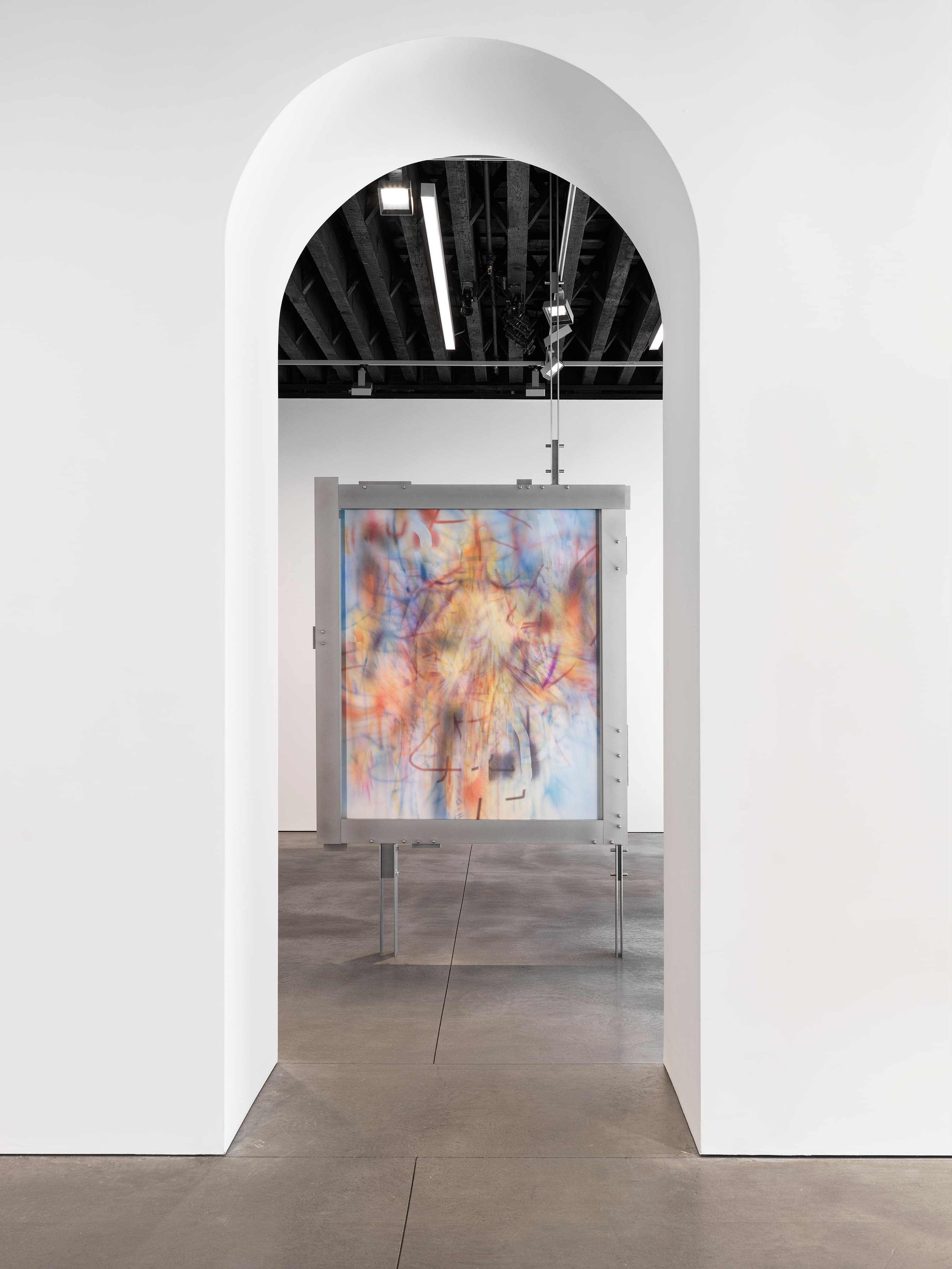
Julie Mehretu has filled three floors of the Marian Goodman Gallery with three discrete bodies of work: paintings, drawings, and a series of hybrid paintings/sculptures made in collaboration with the sculptor Nairy Baghramian.
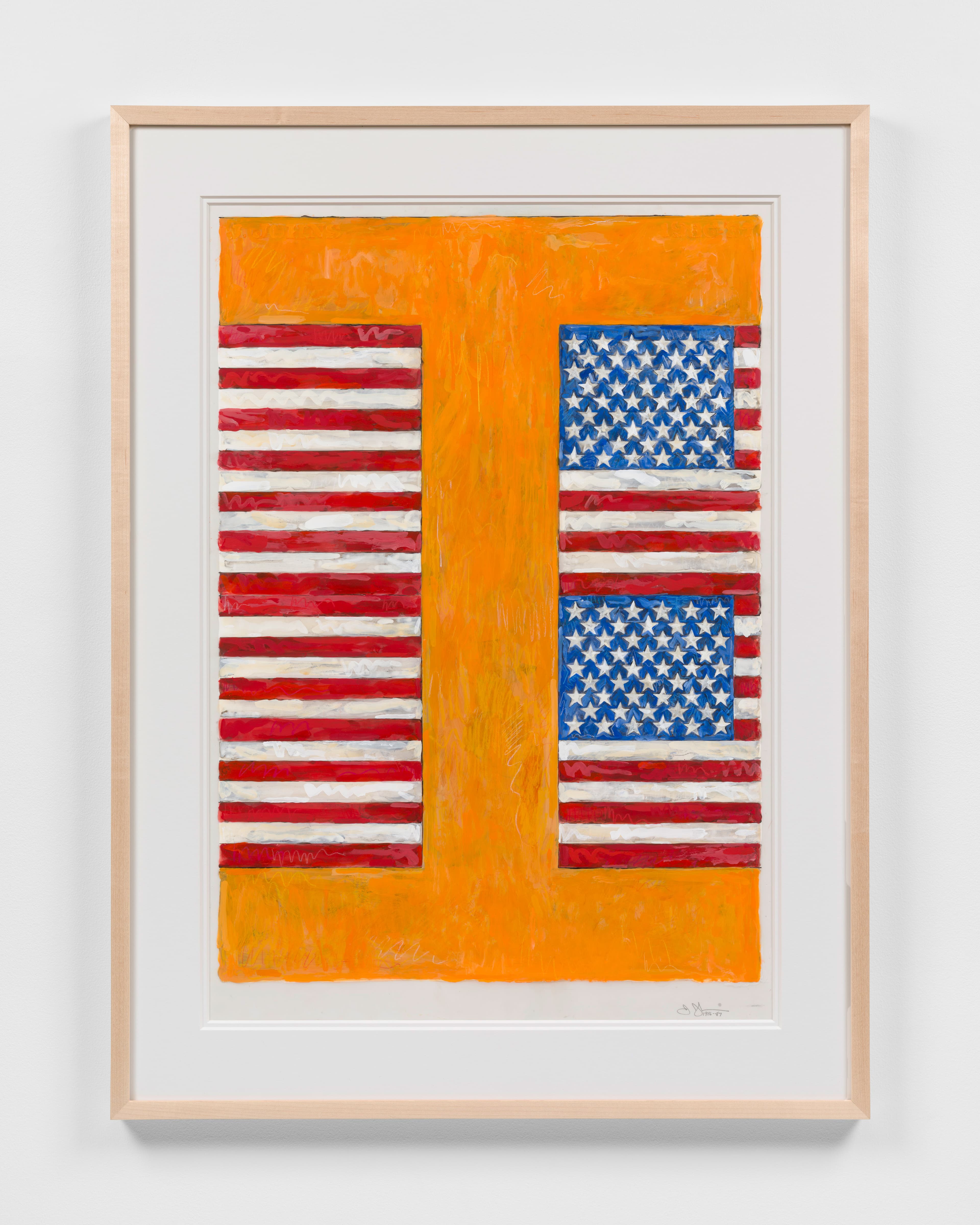
In 1953, when Jasper Johns returned to the United States from army duty in Japan during the Korean War, the Red Scare and the McCarthy-era witch hunts were at full throttle. A year later Johns took up the motif of the American flag.
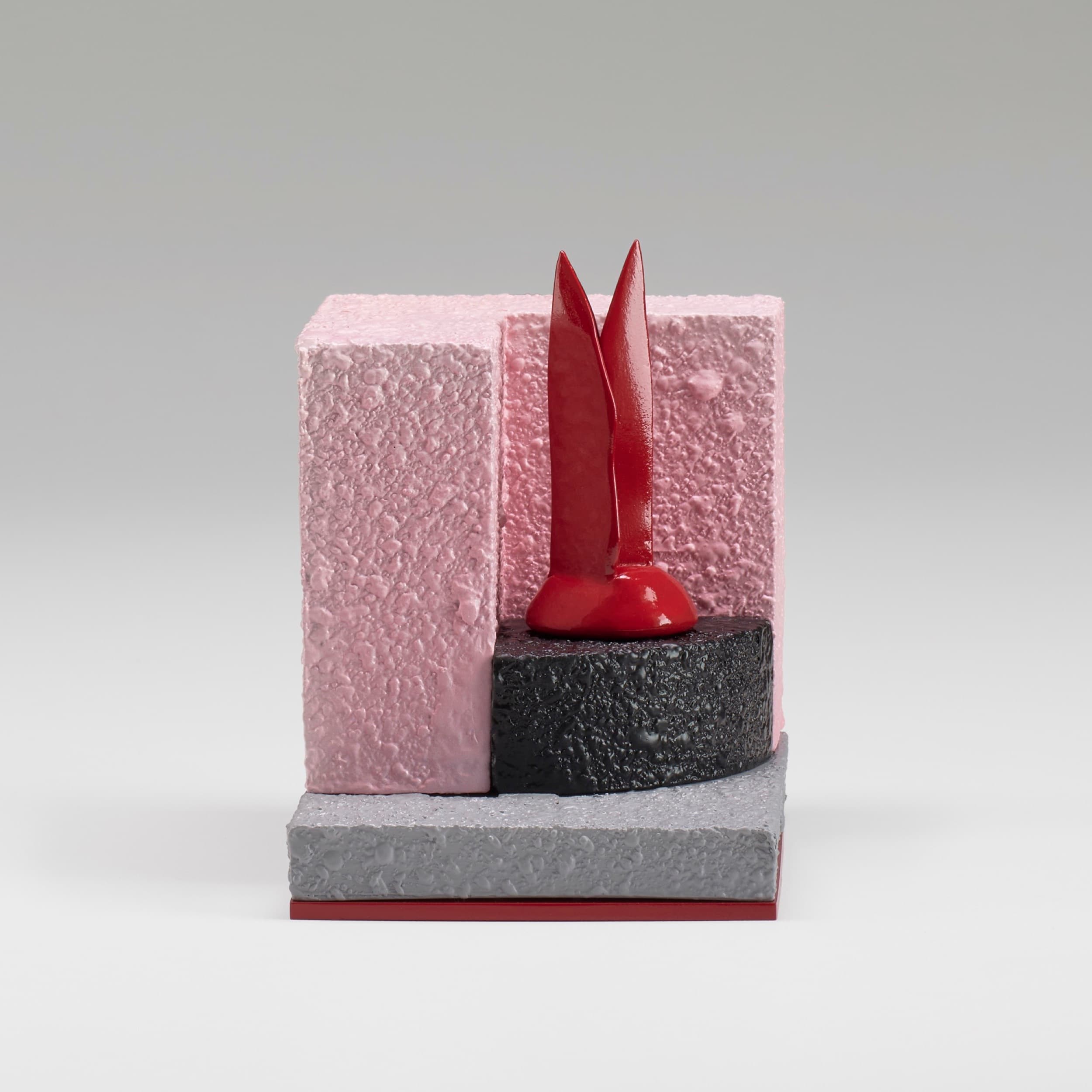
Nagle’s unsparingly off-kilter vibe is strikingly on view in Irrational Discovery. This group of ceramic and porcelain works from 2023–25 both doubles back to and extends his imaginative mediations of the traditional vessel, and, more broadly, of the vessel as frame, pedestal, platform.
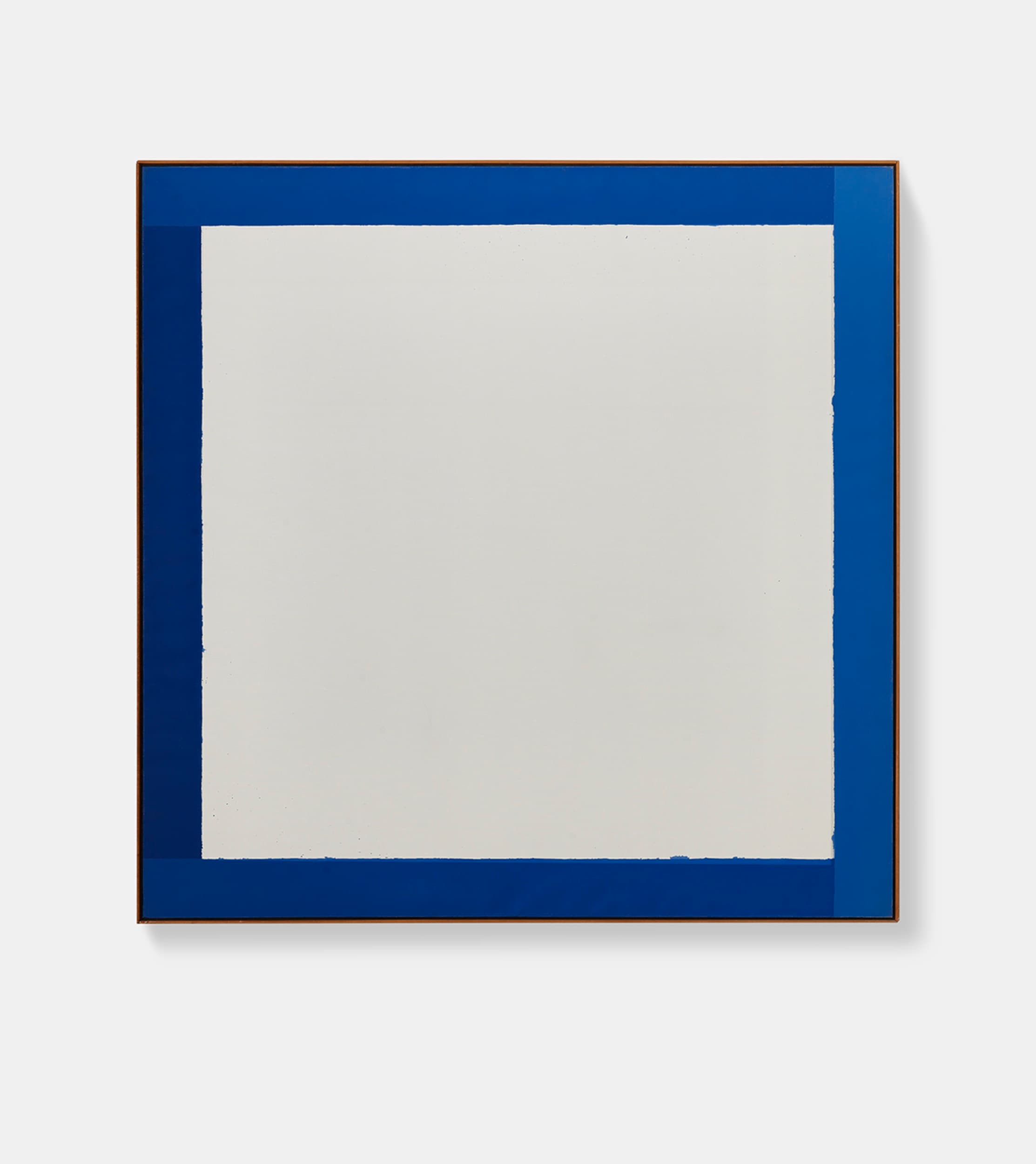
‘To Continue Painting’: James Bishop and New York—eight paintings in oil on canvas and eleven on paper, all made between about 1960 and 1987—is a revelation. Marking the late painter’s first solo exhibition in New York in over a decade, and masterfully curated and hung by Molly Warnock, these works seem to breathe anew in this gallery’s beautifully lit arching spaces.
Michael Fried has been at the forefront of art-critical and art-historical discourse for sixty years and counting; this Critics Page reflects on the wide swath he has plowed through artistic and literary studies from the sixteenth century to the twenty-first.
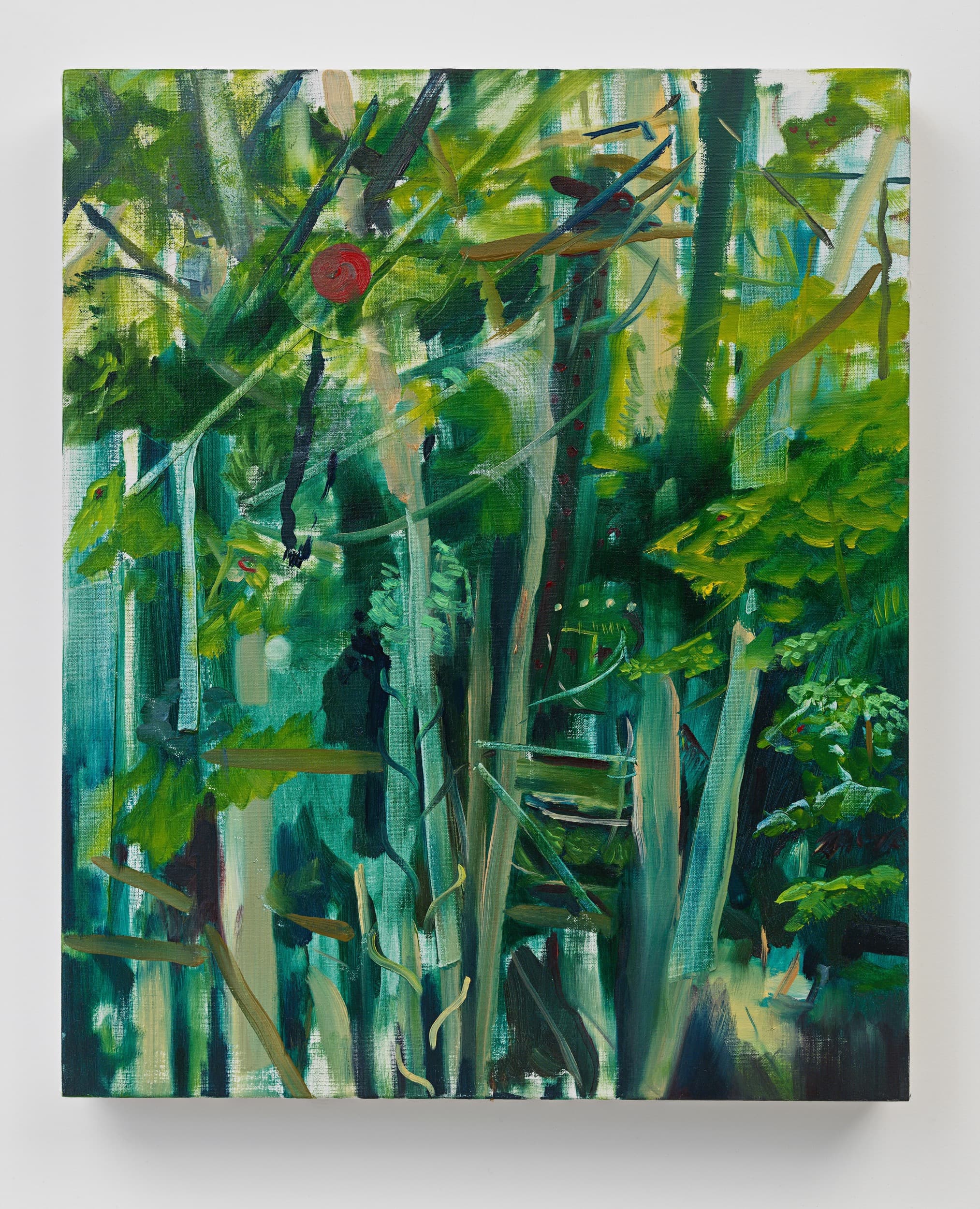
Ali Banisadr: Noble/Savage inaugurates the new Olney Gleason gallery—the cavernous, concrete-coffered space of the late Paul Kasmin.
For her debut exhibition with the Anton Kern gallery, Liz Larner has installed an exquisite encounter with her signature polychromatic clay forms. Titled MAYBE NOT, the phrase suggests uncertainty, instability, and an implied forward motion: “maybe,” followed by a withdrawal, “maybe not.”

This is a realization in formal terms of what Tiona Nekkia McClodden has called the “profane hold: a pressure that goes beyond the desires and limits of human interaction.” What is this “hold”? The earthly, physical hold we see and feel in these objects evokes a ritualized artistic practice that begins with flesh but moves inexorably into the spiritual.

In Bookstein’s “Gallery II,” a small, somewhat confined space, they’ve taken a leap of faith with the first New York showing of fabric artist Janice Redman. Nearly twenty modified found objects are arrayed horizontally on the wall, set on shelves, or placed on the floor. Encased, held: that was my experience of Redman’s art and of the space in which I viewed it.

Such instrumentalization of paint invites formal readings just as surely as it requires intellectual penetration and historical understanding. Yet Tuymans’s sociopolitical agendas do not mask the extraordinarily rewarding aesthetic experience that is in play throughout.

Hans Josephsohn’s concerns began and ended with the figure. Working in parallel with modernism’s expansion into hybridity and fragmentation, his neoclassical throughline lays well outside the aesthetic expressions of his time.

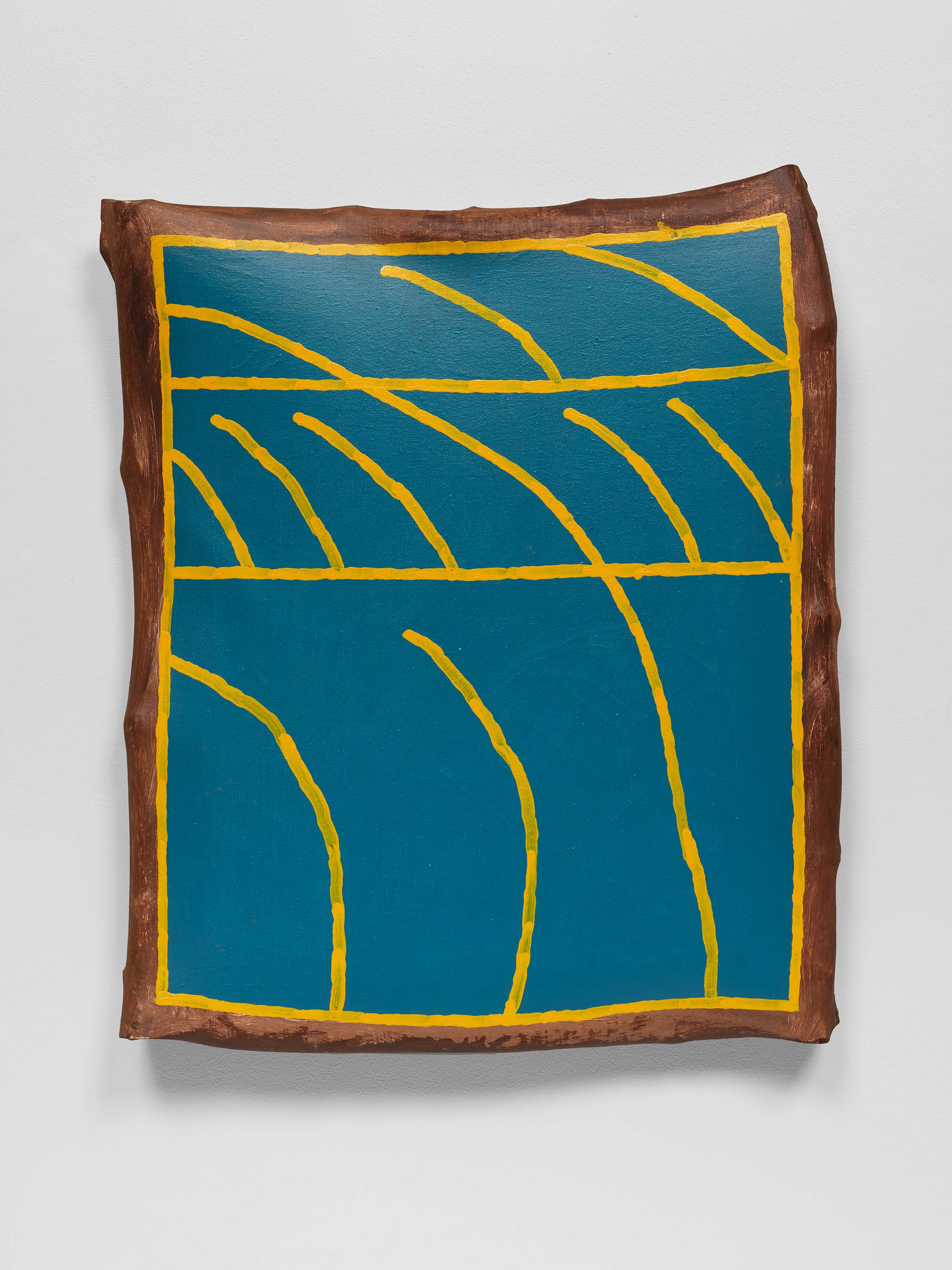
Disrupting this normally hushed Upper East Side sanctum sanctorum, Peter Young’s “Stick” paintings nearly dance off the walls. Their planar surfaces are warped, distorted into curvilinear waves as canvas is forced over and around irregularly formed stretcher bars of ponderosa pine branches, then bound by twists of clear and colored twine.
Celebrated for her haunting compositions of contortionist figures whose legs, arms, buttocks, and boobs hang, flail, distend, and coil against raucous chromatic planar patterns, Christina Quarles, assisted by curator Sara Hatla Krogsgaard, has achieved a tour de force at Copenhagen’s Gammel Strand.


