Nile Greenberg
Nile Greenberg is the editor of the Brooklyn Rail’s architecture section and operates the practice ANY in New York.
In their still young career, Bruther, the French architecture office founded by Stéphanie Bru & Alexandre Theriot, has shifted architecture into a direction characterized by spatial richness and exposed, technical construction. Their impact is clear to architects in the field.
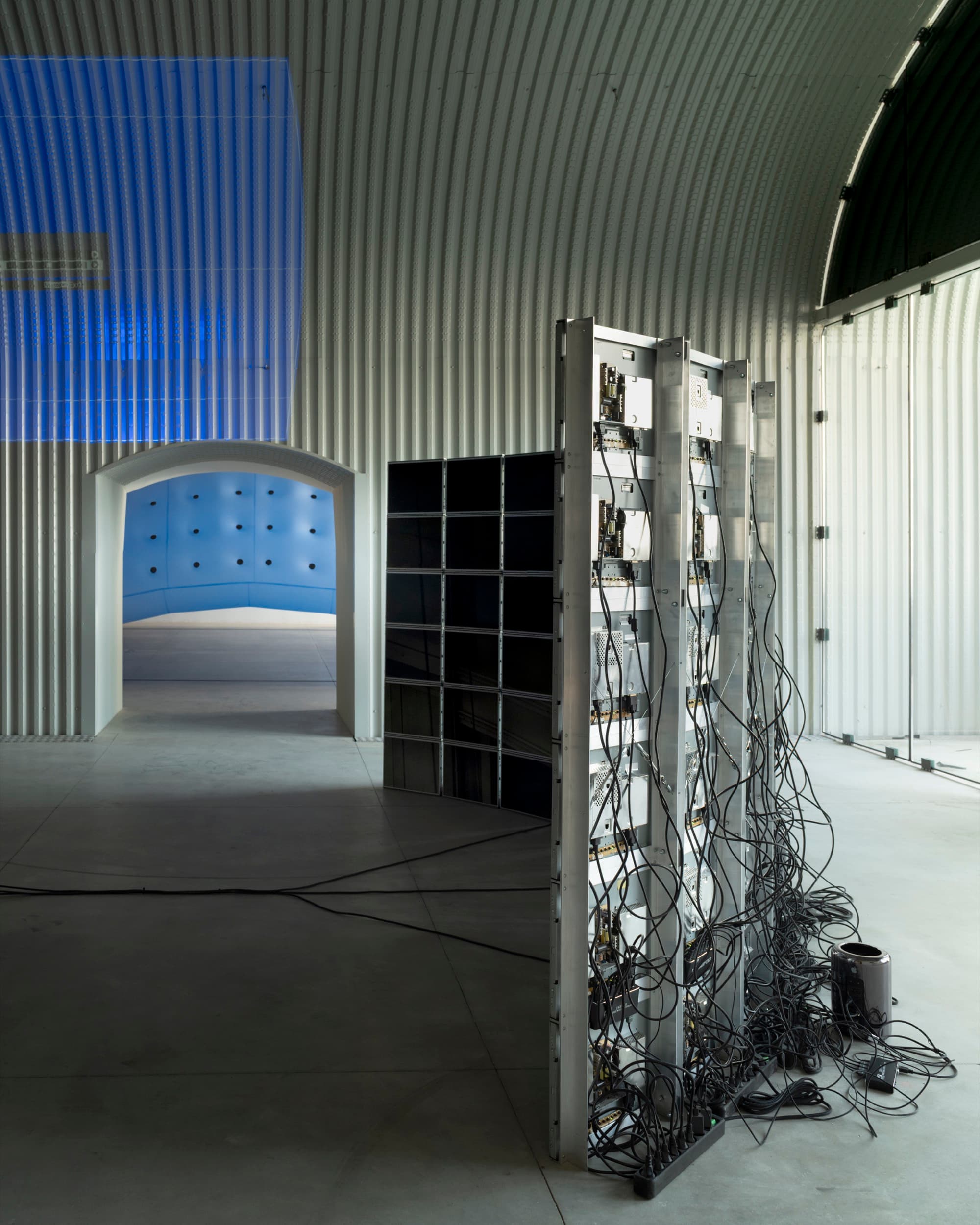
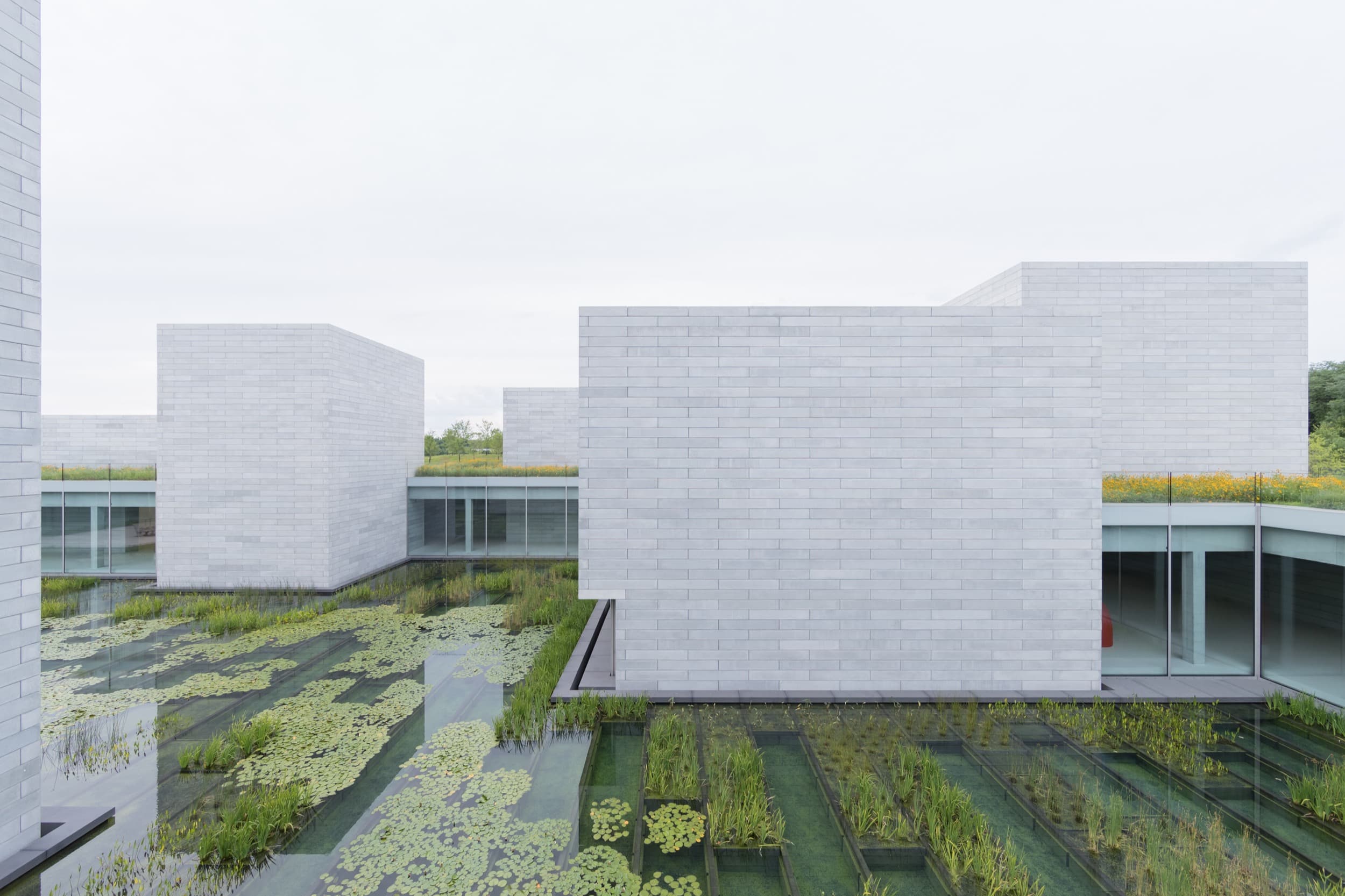
A day after interviewing Thomas Phifer, the New York City architect, I went to the Glenstone Museum’s Pavilions outside of Washington, DC which he designed and which opened in 2018. The fascinating impact of that trip was not about my experience visiting, but my memory the days and weeks afterwards.
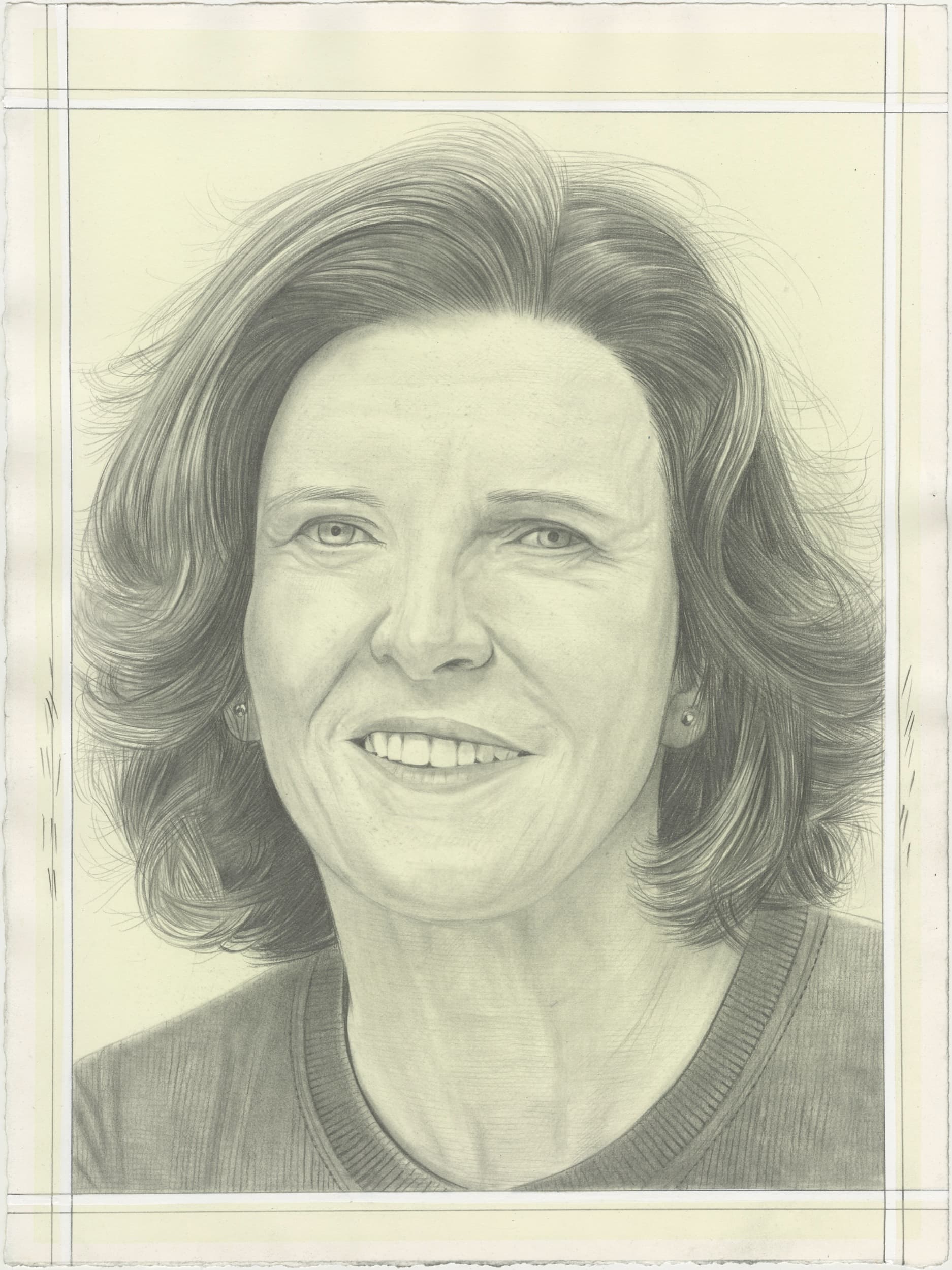
Jeanne Gang is state-of-the-art. The work of her office Studio Gang is embedded in the contemporary world of building. One unexpected realization of this interview is the dominance of architecture models in the design process—this explains the novelty and formal experimentation across projects that might otherwise be non-specific.
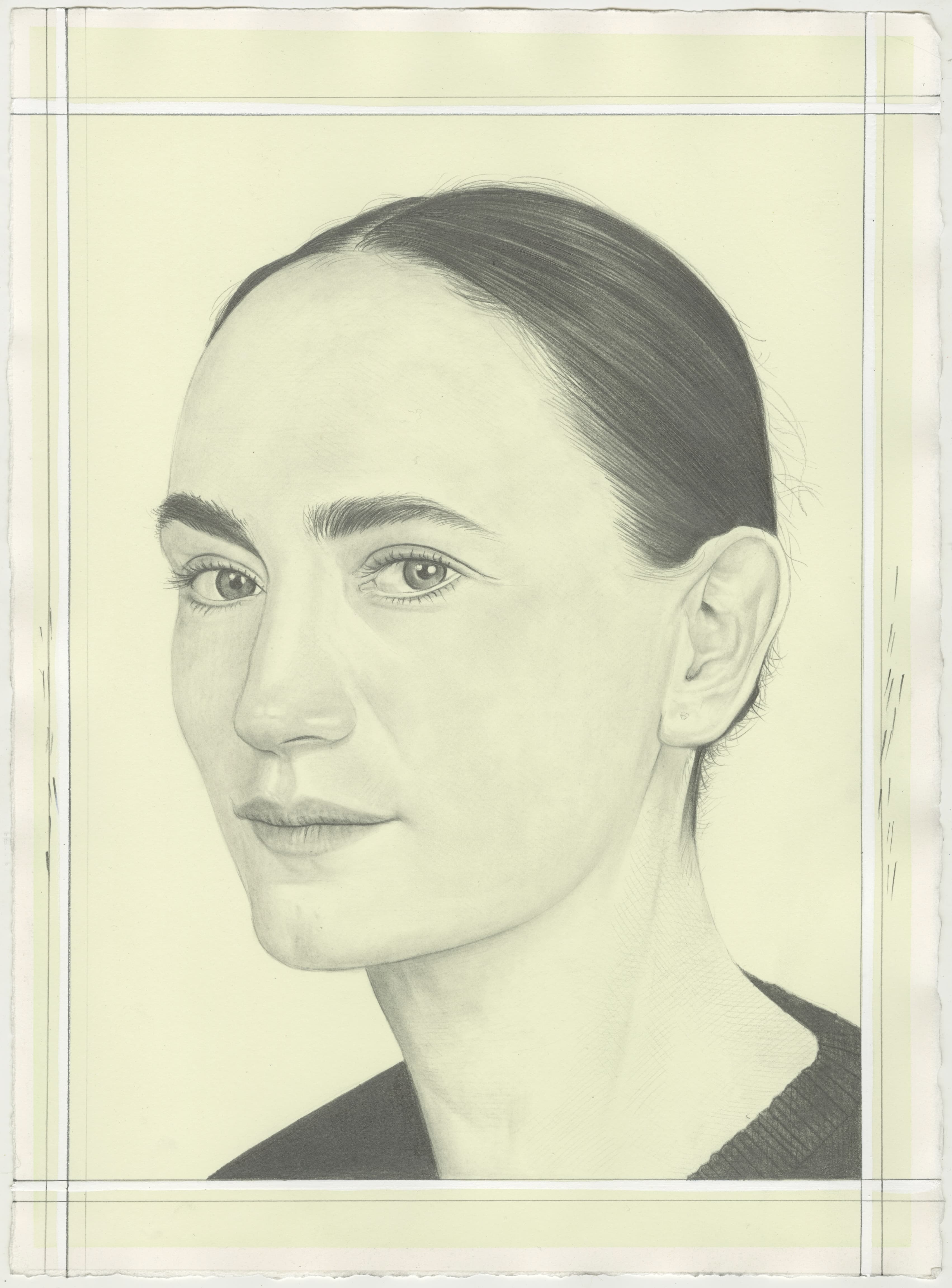
Architect Frida Escobedo is the newly appointed designer of a major addition to the Metropolitan Museum of Art. Her work articulates a form of architecture that resists easy legibility. Drawing from language, textiles, and numbers, her work is notably recessive rather than heroic—a new vision of architecture for a major institution.
The architects Jing Liu and Florian Idenburg, who founded their office SO–IL in 2008, are important figures in New York City architecture. They make it look easy, but they’re doing something hard—helping New York change its mind.

Petra Blaisse has spent four decades transforming spaces through textiles, landscapes, and installations. She is the founder of Inside Outside, now operated with partners Jana Crepon and Aura Luz Melis. Her new book Art Applied is a dense tome dedicated to the craft and fulfilling explorations her practice engages in. She collaborates with architects, engineers, and biologists. Speaking with her reminded me that her work, despite being on the periphery of architecture, has actually shifted its core.

I met with the London architect Tony Fretton to discuss how reality could be incorporated into architecture. It’s not as stupid a question as it sounds.

How can architecture be published? The first year of Architecture in the Brooklyn Rail has been an effort to draw out the transferences and vocabularies between blueprint and newsprint, which is already a natural drift.
Architect Peter Zumthor’s deliberate practice in Haldenstein, Switzerland is a hybrid of workshop, atelier, and school. Despite its remote location, the atelier is currently developing architectural projects for sites in Los Angeles, Antwerp, and Basel. Popular mythology portrays Zumthor’s practice as monastic or distant, but it’s an intensely cultural one—exemplified by the Kunsthaus Bregenz built in 1997.

In their offices in Chelsea, my architecture partner Michael Abel and I met another architecture partnership, Elizabeth Diller and Ricardo (Ric) Scofidio, founding partners of Diller Scofidio + Renfro. As one of the offices that serve as a template for New York City offices, we spoke with them on the basis of searching for solutions to the many crises we are facing and how architects are implicated.

The other half of the chasm is a group of charged intellectuals burying their speculations in dense aesthetic terms.


