John Domini
John Domini is a regular Rail contributor, with eleven books to date. His next will be a critical work that includes many of his Rail pieces, Caliban’s Cry: On a Literature Unhoused.
Glass Century is Ross Barkan's third novel in seven years, and it feels nothing like a side project. Nearly five hundred pages, it works up a complex portrait of greater New York over the last half-century, calling to mind the later, baggier Richard Price. For Barkan, this amounts to a significant artistic break.

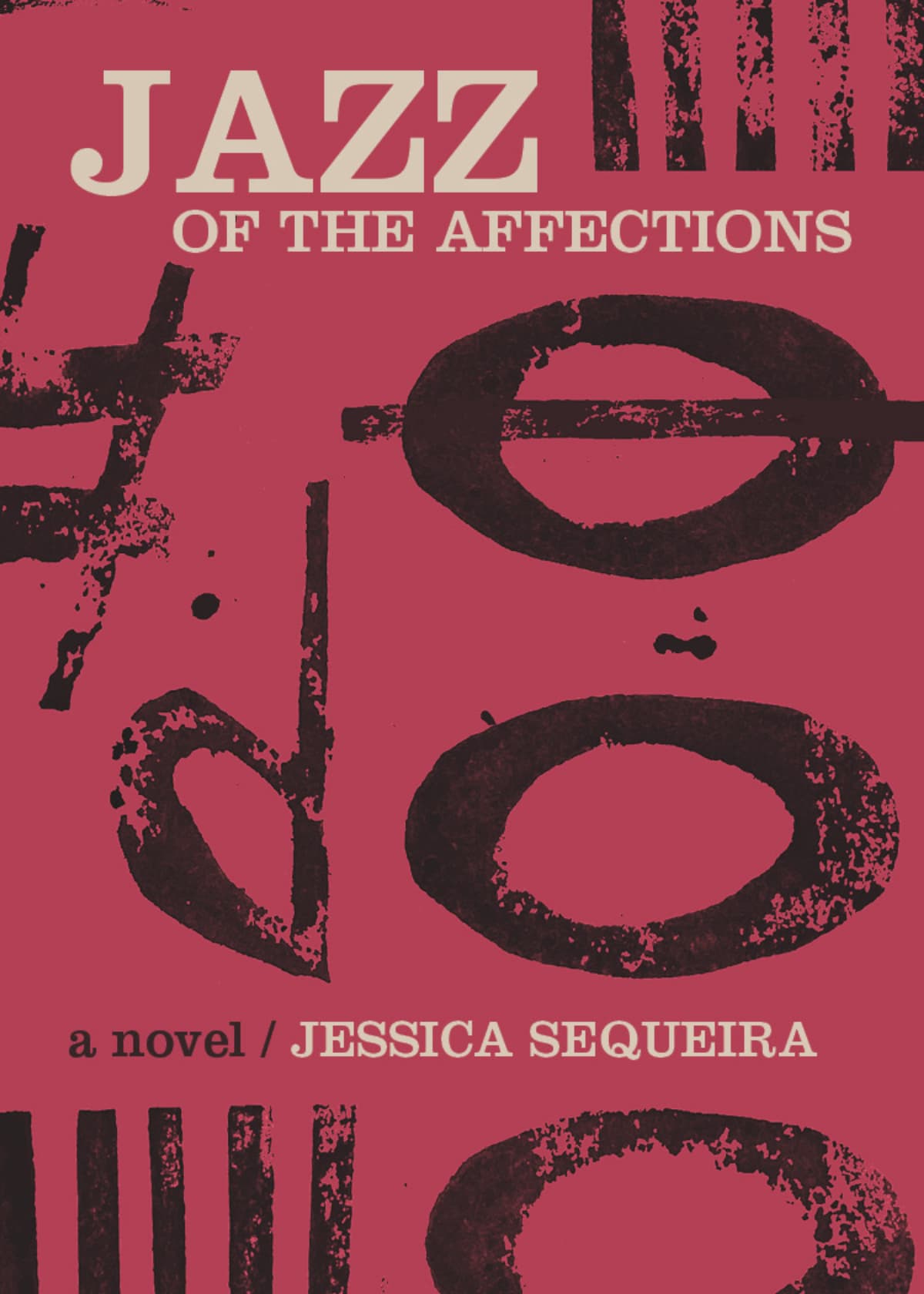
Based in Santiago, Chile, the still-young Sequeira has established herself as a poet and translator⎯she’s fluent in English, plainly⎯and while this first novel delivers a narrative, it might be best appreciated as alt-poetry, a sustained exercise in theme and variation.
The family in Only Stars Know tends to be accepting of its new home, if in no way blind to its downsides. Play-spaces are measly and any decent school demands a wheelbarrow of tuition, yet in nearly every such story these people notch some new benchmark in wholeness.

Sand-Catcher is a novel of the Palestinian diaspora, yet it dwells remarkably little⎯ fascinatingly little⎯on the grief and loss. On rare occasions, someone mentions a refugee camp, and just once, over a couple of pages, the oldest character tosses off brief and contradictory recollections of the Nakba, the violence of 1948 that left thousands of Palestinians dead or in exile. Omar Khalifah’s imagination is far more engaged, rather, with how those ghosts come groaning back generations later, in the era of texting and Facebook.

A Muzzle for Witches treats the interview format as a kind of trampoline. An interlocutor poses brief, mild questions, and the responses erupt into furious spins, double and triple-loop, oopsie-daisy. The high bouncer, however, is the late Dubravka Ugresic, among the most brilliant voices of the twenty-first–century refugee experience.

In a 2018 Paris Review interview, rangy yet thoughtful, the Hungarian genius László Krasznahorkai announced he was through. That year he’d turned sixty four, and he’d brought off perhaps a dozen novels (the count is complicated by his idiosyncrasy), none of them brief, plus as many texts in other genres, including brilliant shorter fictions like “The Last Wolf” (2009).

Chigozie Obioma long ago quit his Biafran homeland⎯that is, south-central Nigeria, along the Gulf of Guinea⎯but his fiction has never emigrated.


June 2020Books
Joyelle McSweeney’s Toxicon and Arachne and Rachel Eliza Griffiths’s Seeing the Body: Poems


June 2019Books
The Trouble with Men: Reflections on Sex, Love, Marriage, Porn & Power essays by David Shields


