Jason Rosenfeld
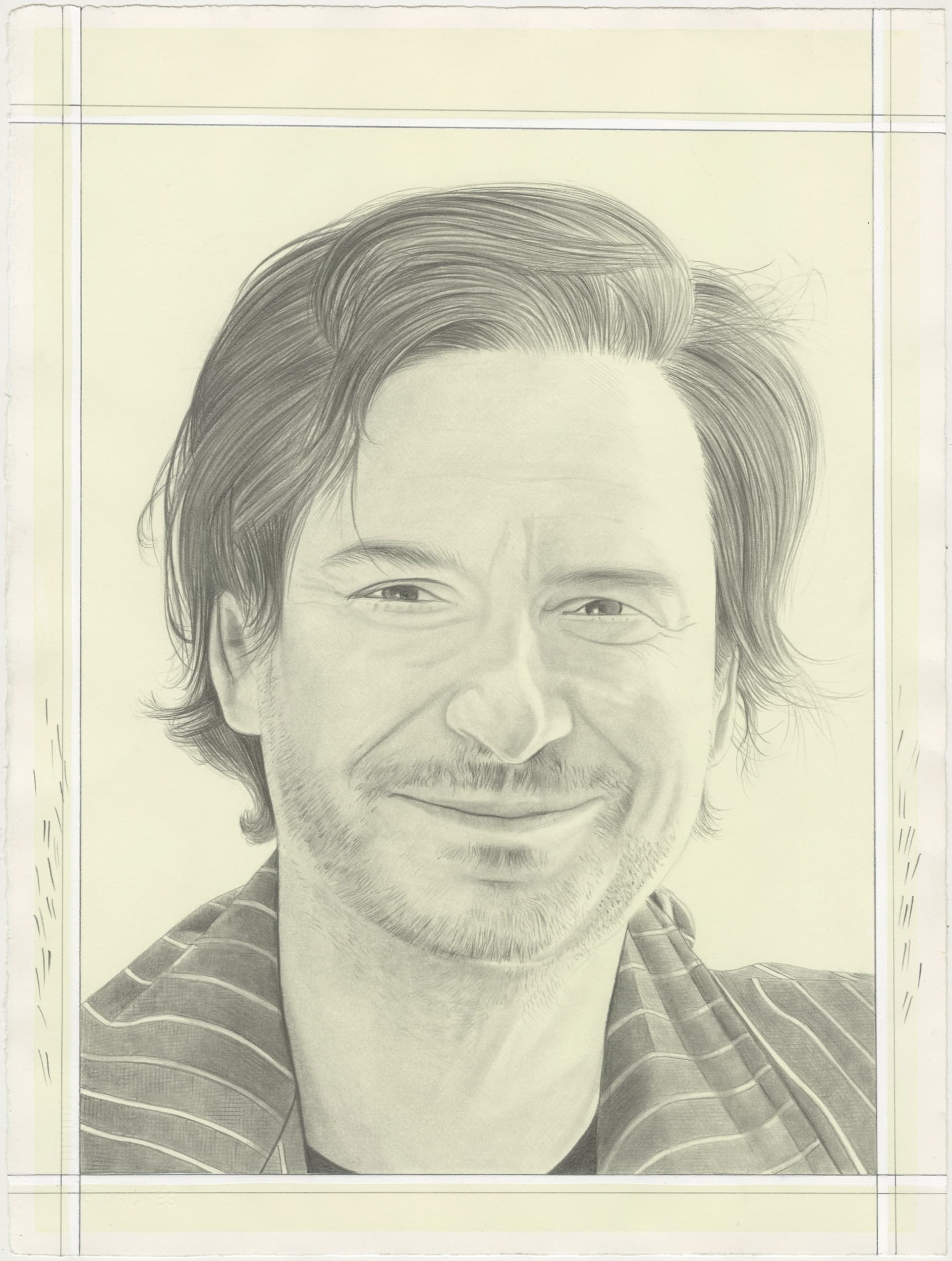
Jason Rosenfeld Ph.D., is Distinguished Chair and Professor of Art History at Marymount Manhattan College. He was co-curator of the exhibitions John Everett Millais (Tate Britain, Van Gogh Museum), Pre-Raphaelites: Victorian Avant-Garde (Tate Britain and the National Gallery of Art, Washington, D.C.), and River Crossings (Olana and Cedar Grove, Hudson and Catskill, New York). He is a Senior Writer and Editor-at-Large for the Brooklyn Rail.
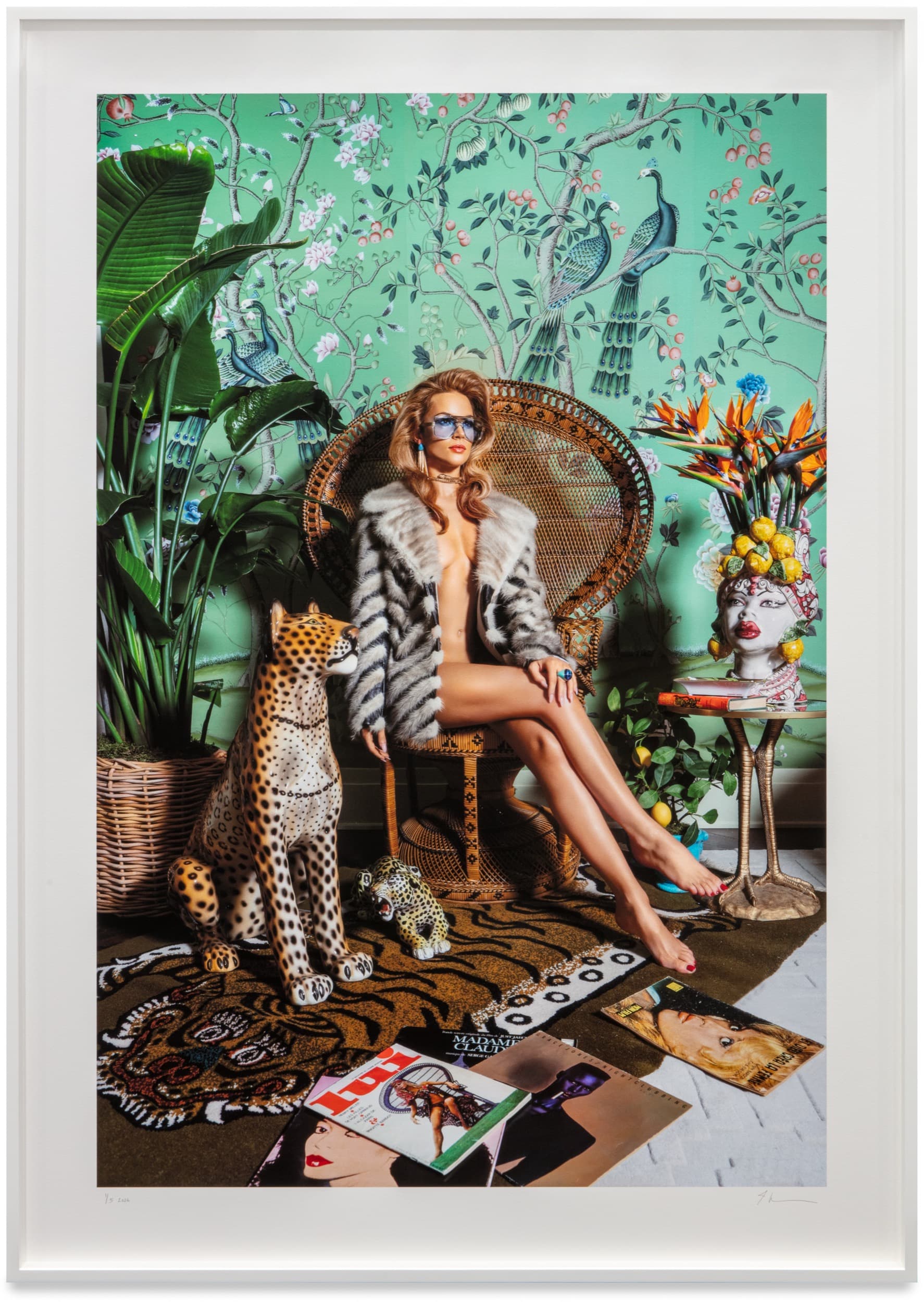
Maryam Eisler lives in London but plies her trade in the alternately luxe and retro haunts of Palm Beach, the south of France, and the Hamptons. Her second show at Harper’s includes seventeen large color pigment prints shot in these settings and seven Polaroids framed with small versions of the larger works.
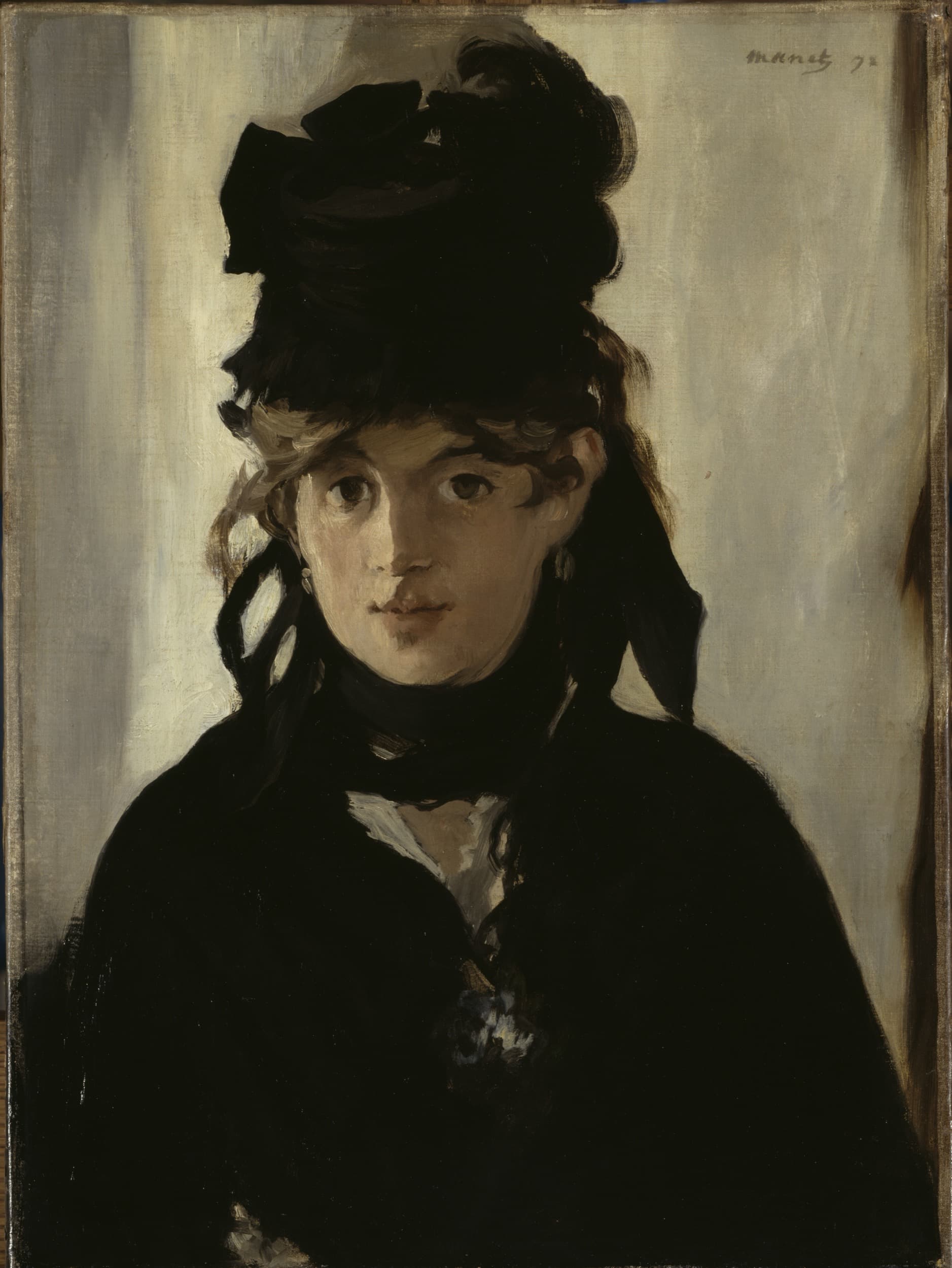
The focused and absorbing Manet & Morisot exhibition at the Cleveland Museum of Art, curated here by Heather Lemonedes Brown, begins with a room of four oils and three prints out of Manet’s existing thirteen portraits of Morisot, including the stunning painting from the Musée d’Orsay noted above.
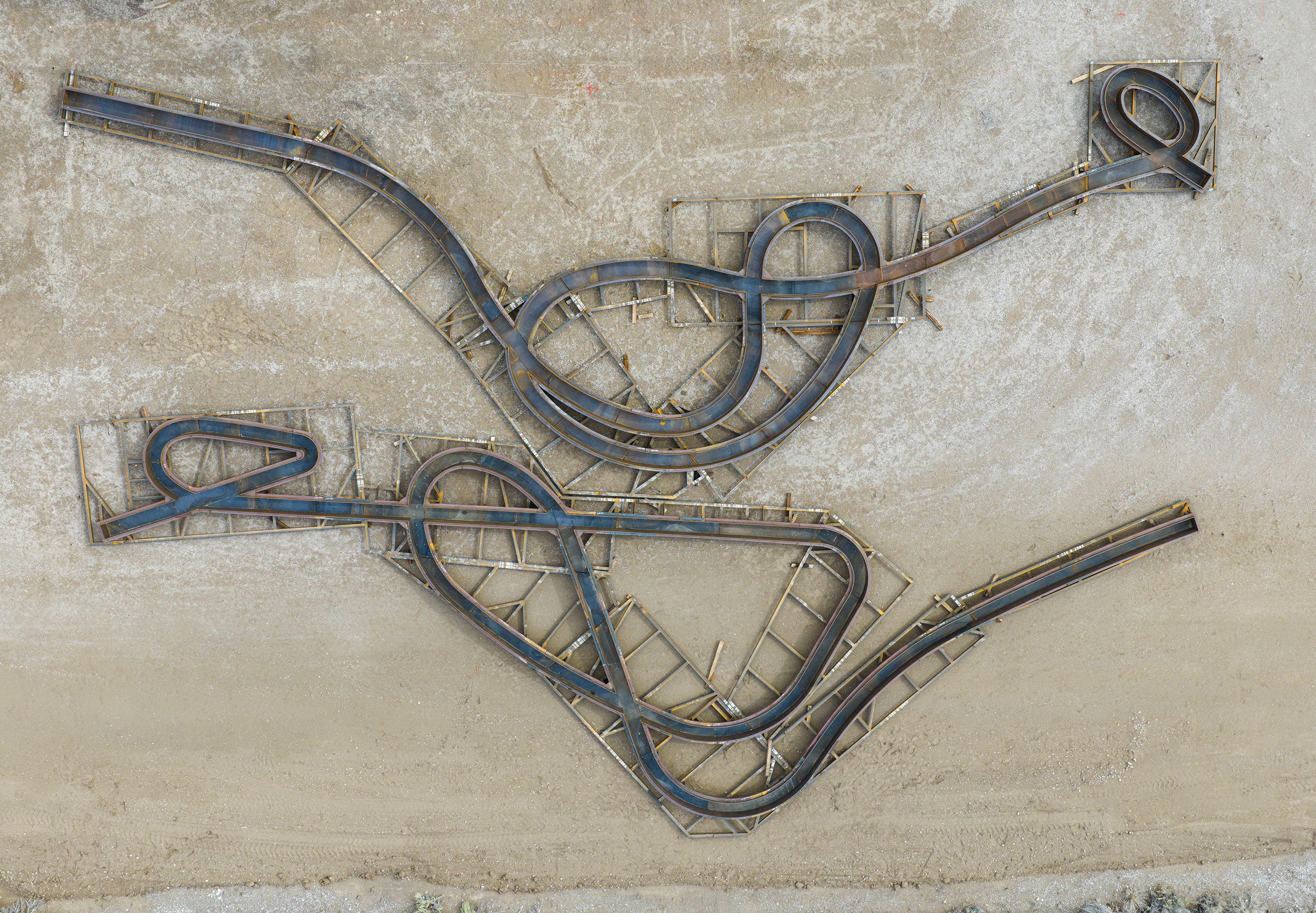
Michael Heizer, now eighty-one and due to health issues residing in Manhattan, has lived much of his creative life in the public imagination as a cowboy artist, roaming and reshaping the open spaces of the American West.
Raves about the grand David Hockney 25 retrospective at the Fondation Louis Vuitton in Paris (on view until August 31), which I will not have an opportunity to see, have been wafting over the English Channel and across the Atlantic all spring and early summer.

Marcel Dzama’s new show, Empress of Night, opened at David Zwirner in Los Angeles on June 28 and runs through August 8, 2025. It includes one film, twenty-four small medium works, and eleven large works on paper. I spoke to Mr. Dzama in his Brooklyn studio about working with David Zwirner and his gallery over nearly his whole career, his recent subject matter, his stunning mosaic installations for the Metropolitan Transportation Authority, and the resonance of the opulent and large new paintings with respect to the state of America and Los Angeles.
Cecily Brown’s chromatic sensations, glistening in their varnished brilliance in the early works, and assured in their bravura crimson or blue/black glory over the past seven years, fit well into this modernist milieu. Themes and Variations features thirty-three oils, watercolors, and monotypes, about six fewer than in its initial incarnation at the Dallas Museum of Art.

The first time I saw Monk by the Sea (1808–10) was in Intro to Art History at Duke University in the spring of 1986. Tough to say how good a slide Professor Walter Melion had when he projected it on the screen in the East Duke building lecture hall—until recently it was still difficult to get a good image of it. I now realize that it is because it is largely unreproducible.

Orphism and its American cousin-once-removed, Synchromism, are receiving a welcome airing at the Guggenheim in an exhibition with a title like a Pink Floyd album, and art aiming for similarly multi-sensorial trippy and sonorous feelings.
![František Kupka, Disks of Newton (Study for “Fugue in Two Colors”) (Disques de Newton [Étude pour “La fugue à 2 couleurs”]),1912. Oil on canvas, 39 1/2 x 29 inches. The Philadelphia Museum of Art: The Louise and Walter Arensberg Collection, 1950 © 2024 Artists Rights Society (ARS), New York / ADAGP, Paris. Courtesy the Guggenheim. Photo: The Philadelphia Museum of Art.](/_next/image/?url=https%3A%2F%2Fstudio.brooklynrail.org%2Fassets%2Ffaa16969-2998-4992-a4a2-7fe6ea97b22b.jpg&w=3840&q=75)
Playfulness and pointedness in equal measure preside in Fixed Crane, Nicole Eisenman’s largest public sculpture to date, and first in New York, another memorable project by an incisive artist in Madison Square Park..

Surrealism was the art movement that most attracted dillettantes. With less of a premium on the technical quality of painting, and more of an interest in sign systems and constructions and illustrations, amateur artists with a literary bent and an active imagination could find some traction around the more accomplished practitioners.

Now we have Stan Douglas’s sharp and controlled take on the early-eighteenth century British writer John Gay’s little-known sequel to his Beggar’s Opera (1728): a ballad opera titled Polly published in 1729 and never produced in his lifetime. The exhibition's title, The Enemy of All Mankind, refers to maritime law of the period that encouraged attacks on pirates—reflecting colonial nations threatened by the outlaws’ freedom and democratic codes.






Dec/Jan 16–17ArtSeen
Ragnar Kjartansson Scenes from Western Culture/Architecture and Morality/World Light


