Natalie Prizel
Natalie Prizel is a writer and scholar based in New York City. Most recently, she was Andrew Mellon Senior Fellow in European Paintings at the Metropolitan Museum of Art. She has taught at various institutions, including Bard College and Princeton University. Her book, Victorian Ethical Optics: Innocent Eyes and Aberrant Bodies was published by Oxford University Press in 2024.
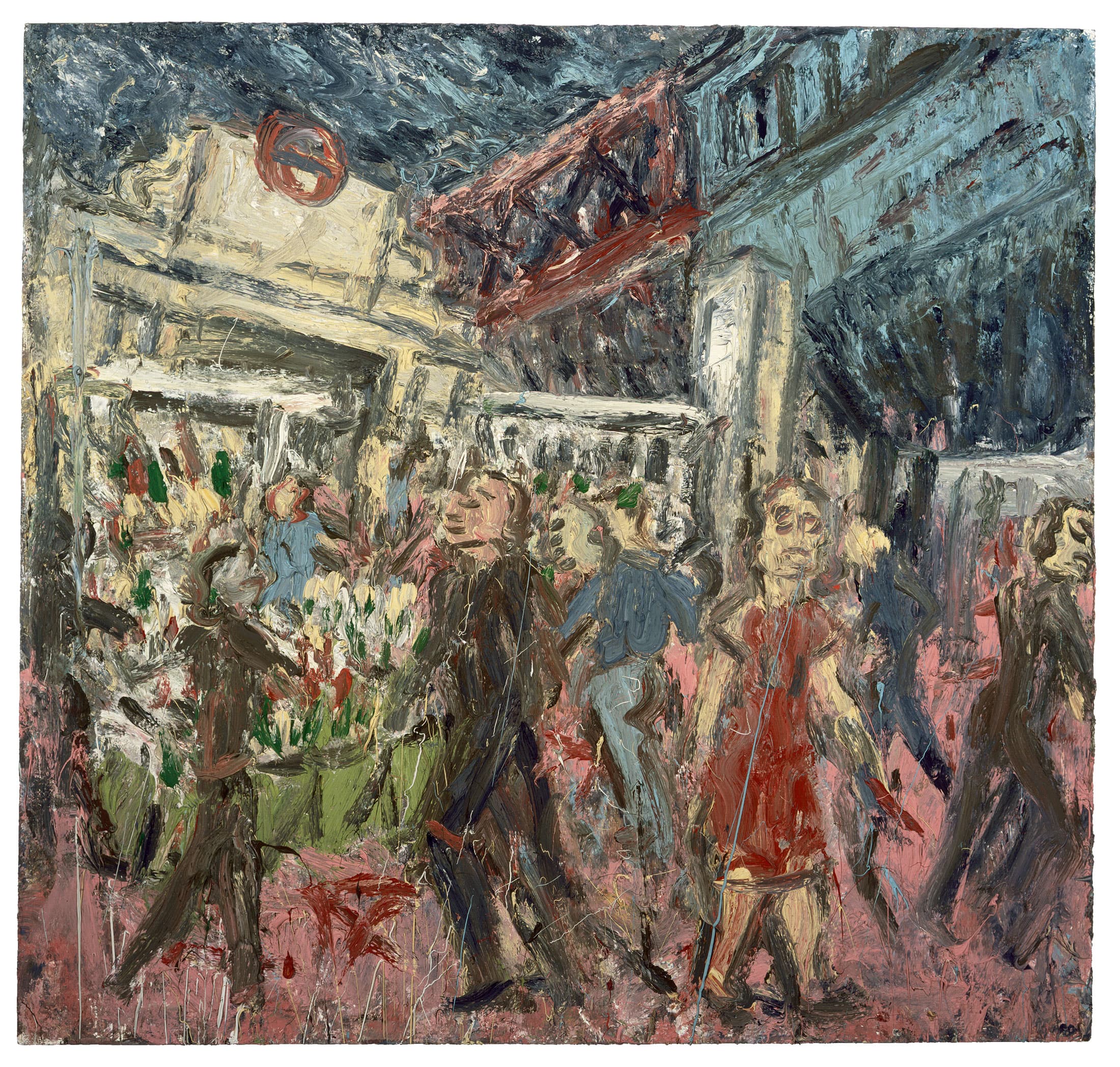
Rarely does one encounter impasto so thick that paint chafes at its own limitations, bursting at its seams in a frenetic reach for a third dimension, but that is precisely what paint in the hands of Leon Kossoff does.
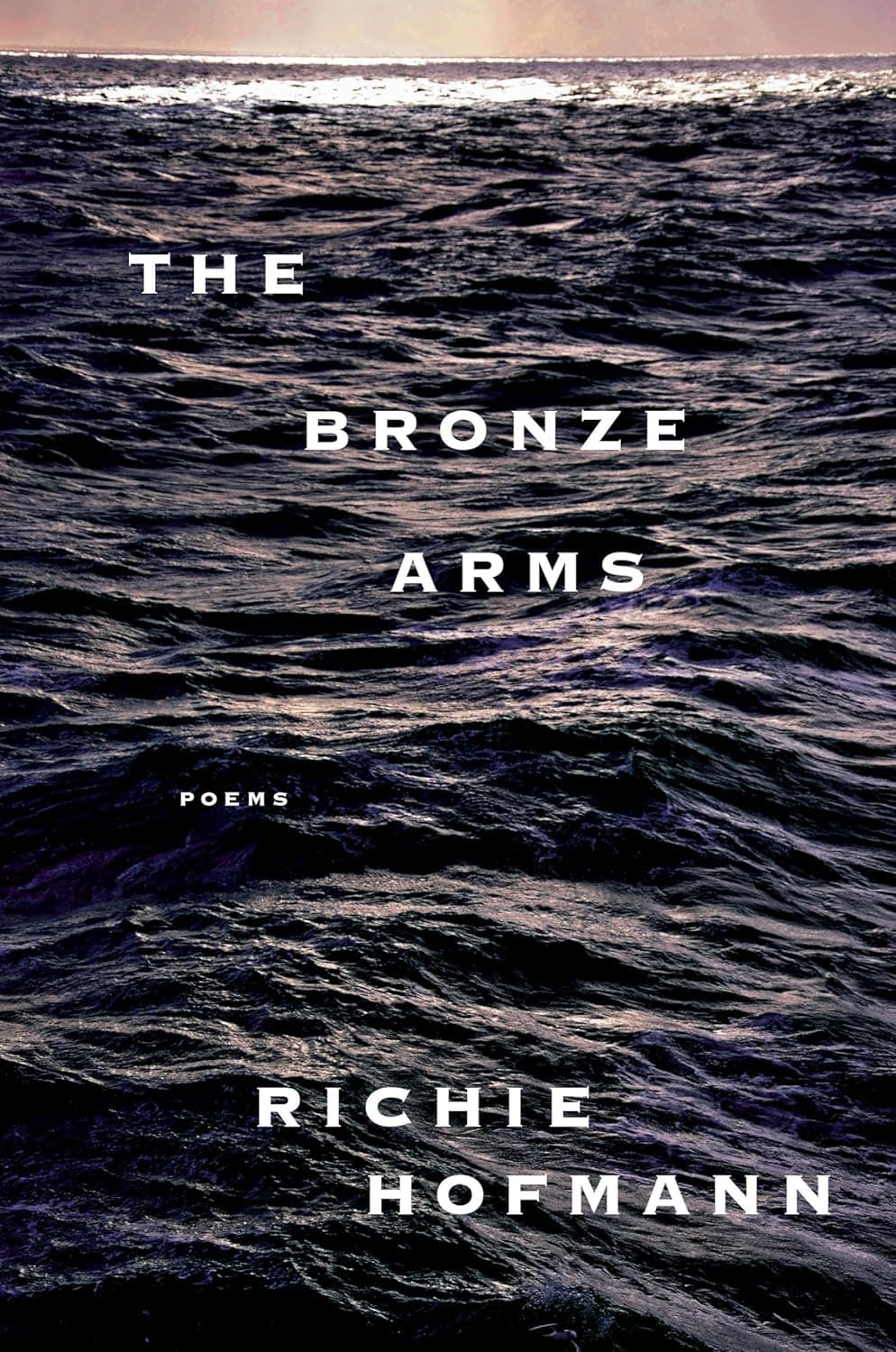
In one of the many aphorisms that makes up Oscar Wilde’s “Preface” to The Picture of Dorian Gray, the author writes, “All art is at once surface and symbol.” Richie Hofmann’s exquisite volume of eroto-aesthetic poems, The Bronze Arms is concerned less with symbol than it is with surface and its often literal penetration.
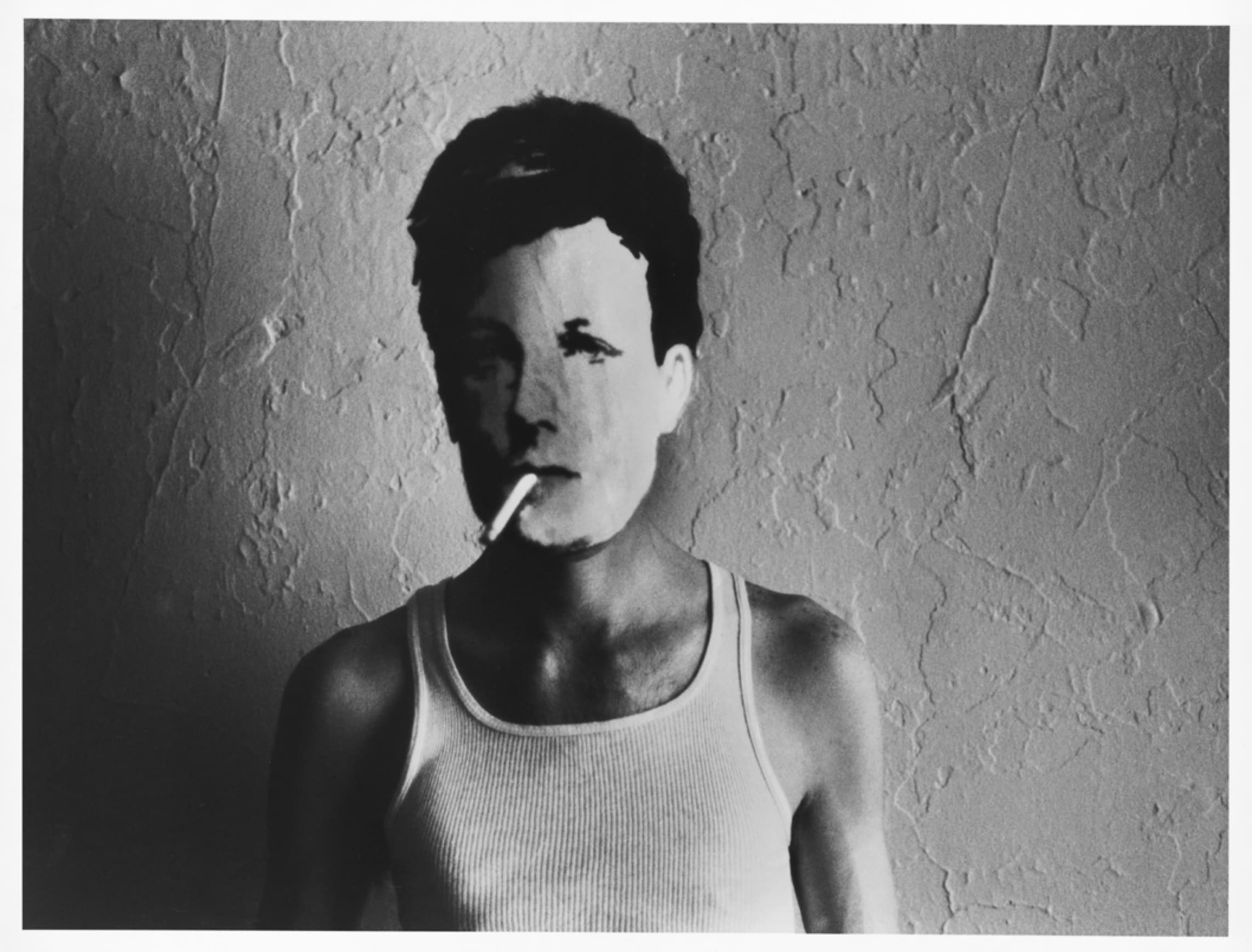
In 1873, French poet Arthur Rimbaud published A Season in Hell, in which the speaker declaims in the first poem, “I laid myself down in the mud. I dried myself in the air of crime. I played sly tricks on madness.” So speaks the gleefully damned, the poet who would inspire a series of photographs by gay artist David Wojnarowicz beginning a century later in 1978.
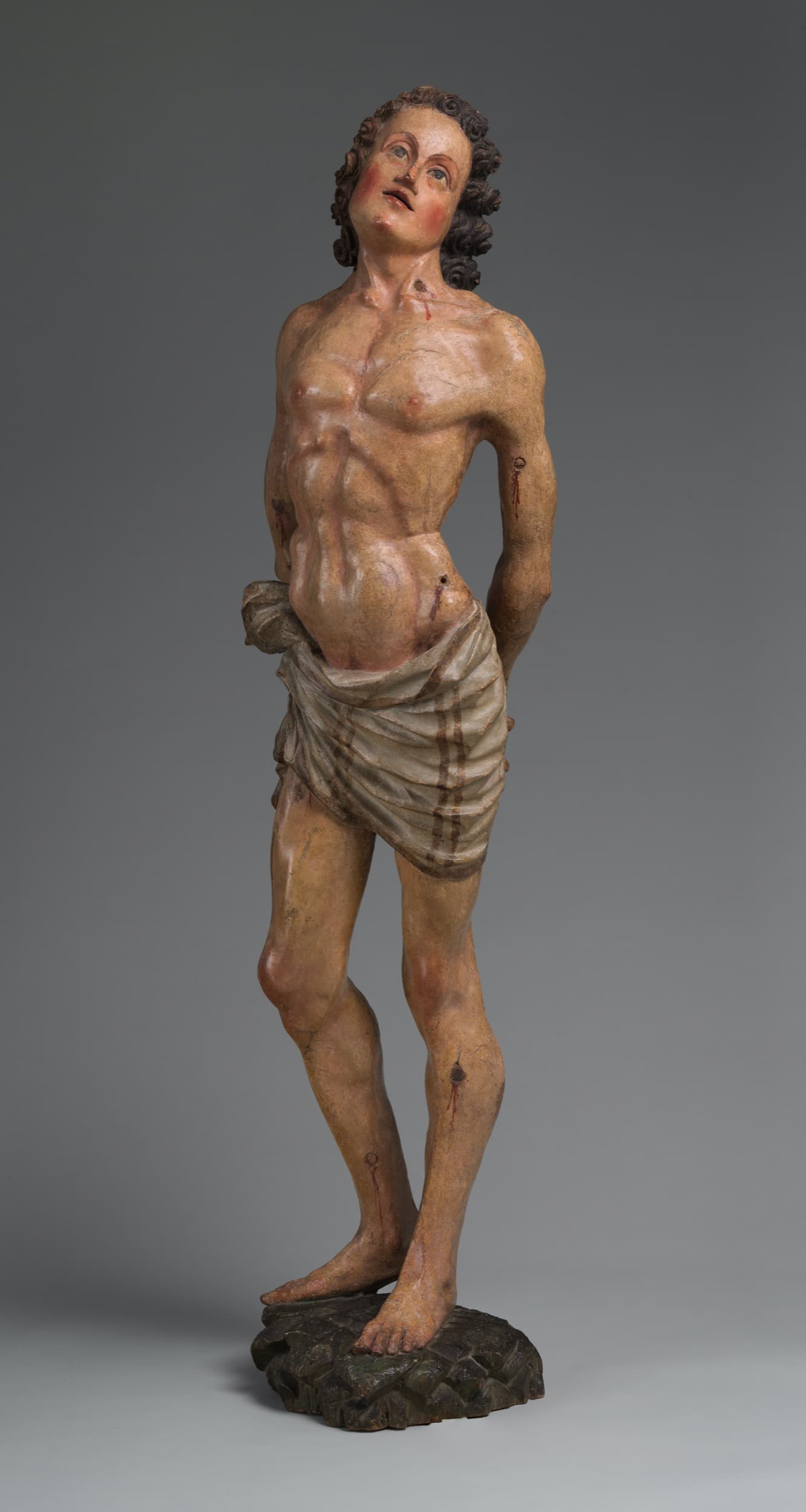
It’s hard to convey ecstasy after seeing Gian Lorenzo Bernini’s The Ecstasy of Saint Teresa (1647–52). Or maybe, it’s hard to do so before. It would be an overstatement to say that Bernini invented religious ecstasy, even more so to suggest he originated orgiastic religious expression.
Yukhnovich wants to stop our breath, at least for a moment, and the painterly accomplishment of her work might have.

The title of the Susan Weil retrospective at the Shirley Fiterman Art Center at Borough of Manhattan Community College not only suggests the belated recognition of the ninety-five-year-old’s work, but also speaks to the question of “aboutness.”

In New Haven, where I’ve been looking at pictures for fifteen years or more, I found myself navigating the Yale Center for British Art (YCBA)’s exhibition, J. M. W. Turner: Romance and Reality backwards.

Kang Seung Lee’s Body of Memory uses an array of visual and tactile materials to ask the questions that perhaps all queer art must ask in the purported aftermath of the AIDS crisis: what does it mean to mourn the loss of a body to processes of aging when that body has survived the apex of the plague years?

Jonas began her career as a sculptor, and, with Empty Rooms, it is to sculpture that she has returned.

Edward E. Boccia’s 1958 diptych, Dreams of a Sea Myth, one of several panel paintings on view in a remarkable show at the Calandra Italian American Institute, takes the foreshortening techniques of one of the painter’s influences—in this case, Jacopo Tintoretto—to their (il)logical conclusions.

When I was eight years old, I told my mother in no uncertain terms that Italy was my favorite country. I couldn’t really tell you why—not then, not now. Something about the boot shape, I think. Something about my mom having traveled to Italy when she was eight.

Renato Miracco is an Italian scholar, curator, and art critic. He has served as the Cultural Attaché for the Italian Embassy in Washington and has curated exhibitions around the world at venues including the Metropolitan Museum of Art, the Phillips Collection, the National Gallery of Art, and Tate Modern among many others. He is widely published: two of his recent works include Italian and American Art: An Interaction, 1930s-1980s (5 Continents, 2024) and Oscar Wilde’s Italian Dream: 1875-1900 (Damiani, 2020). He also recently published “An Italian Impressionist in Paris: Giuseppe De Nittis,” the catalogue of a 2023 exhibition at the Phillips Collection that won a Washington Post award as one of the ten best exhibitions in the world.