Killian Wright-Jackson
Killian Wright-Jackson is a contributor to the Brooklyn Rail.
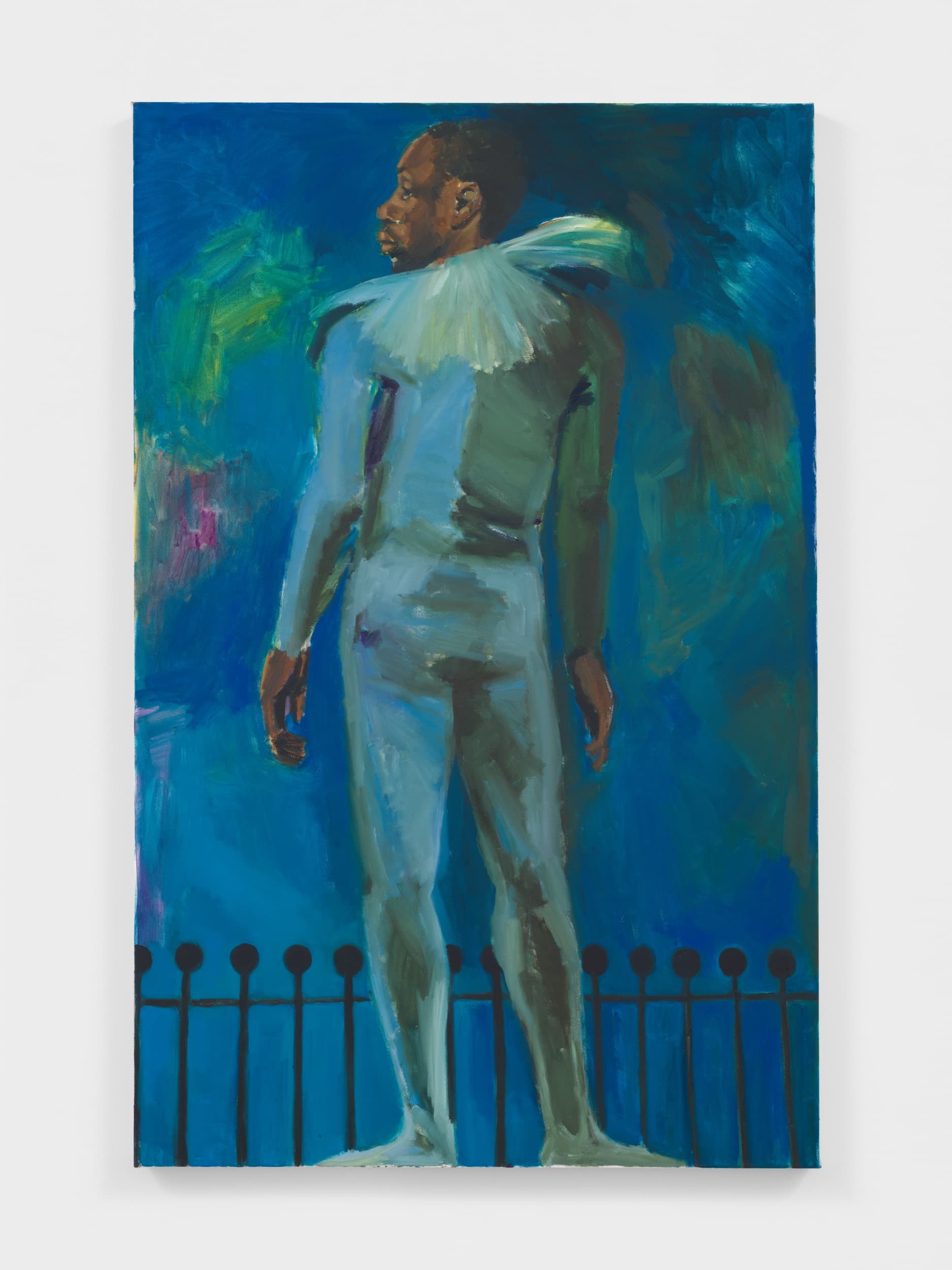
Many A Moonlit Caveat, Lynette Yiadom-Boakye’s latest exhibition at Jack Shainman, across both its New York locations, moves through this sinister knowing.
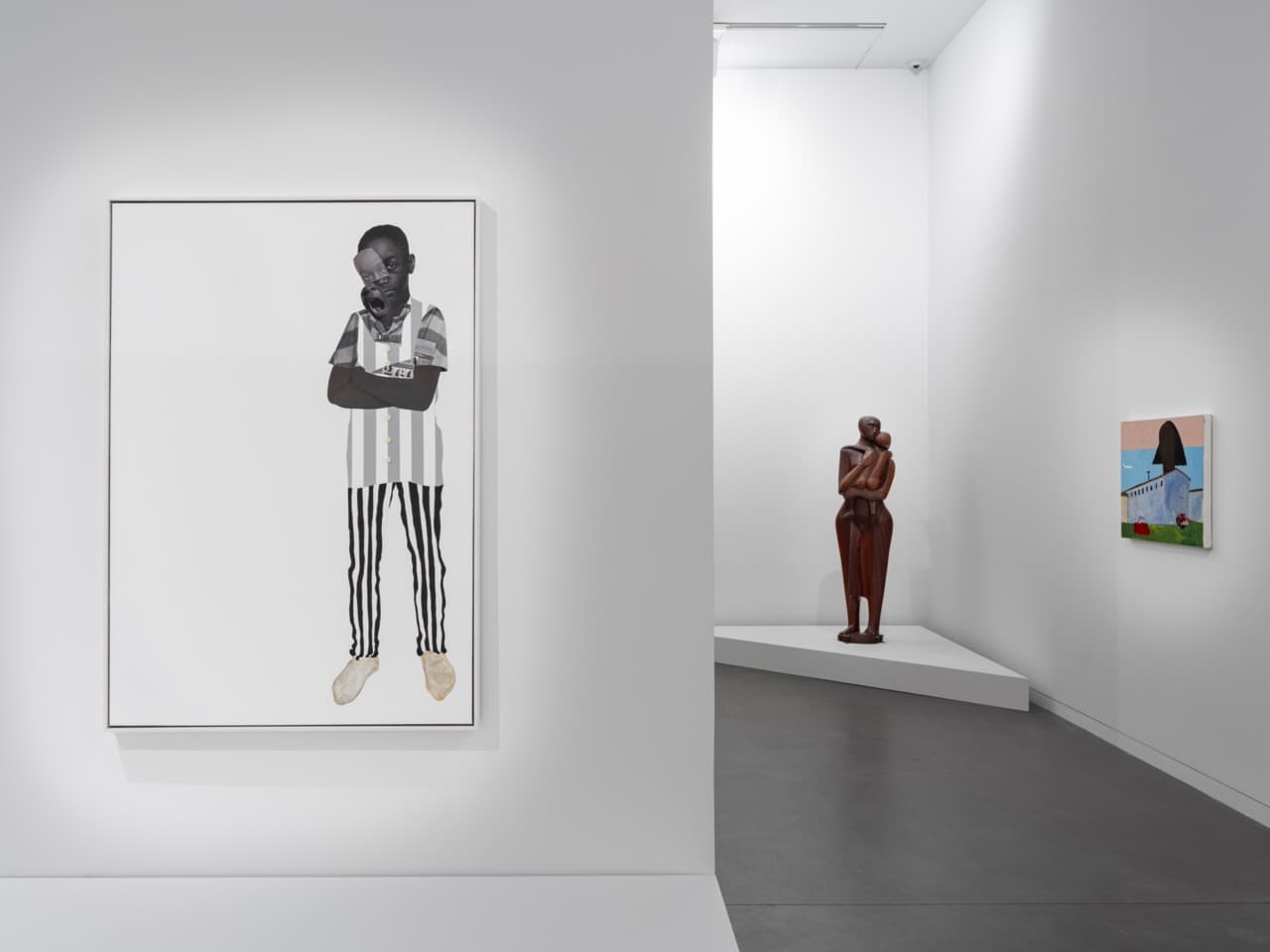
From Now: A Collection in Context, the Studio Museum’s inaugural exhibition in its new building, advances like a battalion covering large swaths of land, prepared to blitz history’s stunted standards with its flank defending a border of the sacred imagination.
Ron Norsworthy’s American Dream, on view at Edwynn Houk Gallery, stages this question not as provocation but as philosophical adventure.

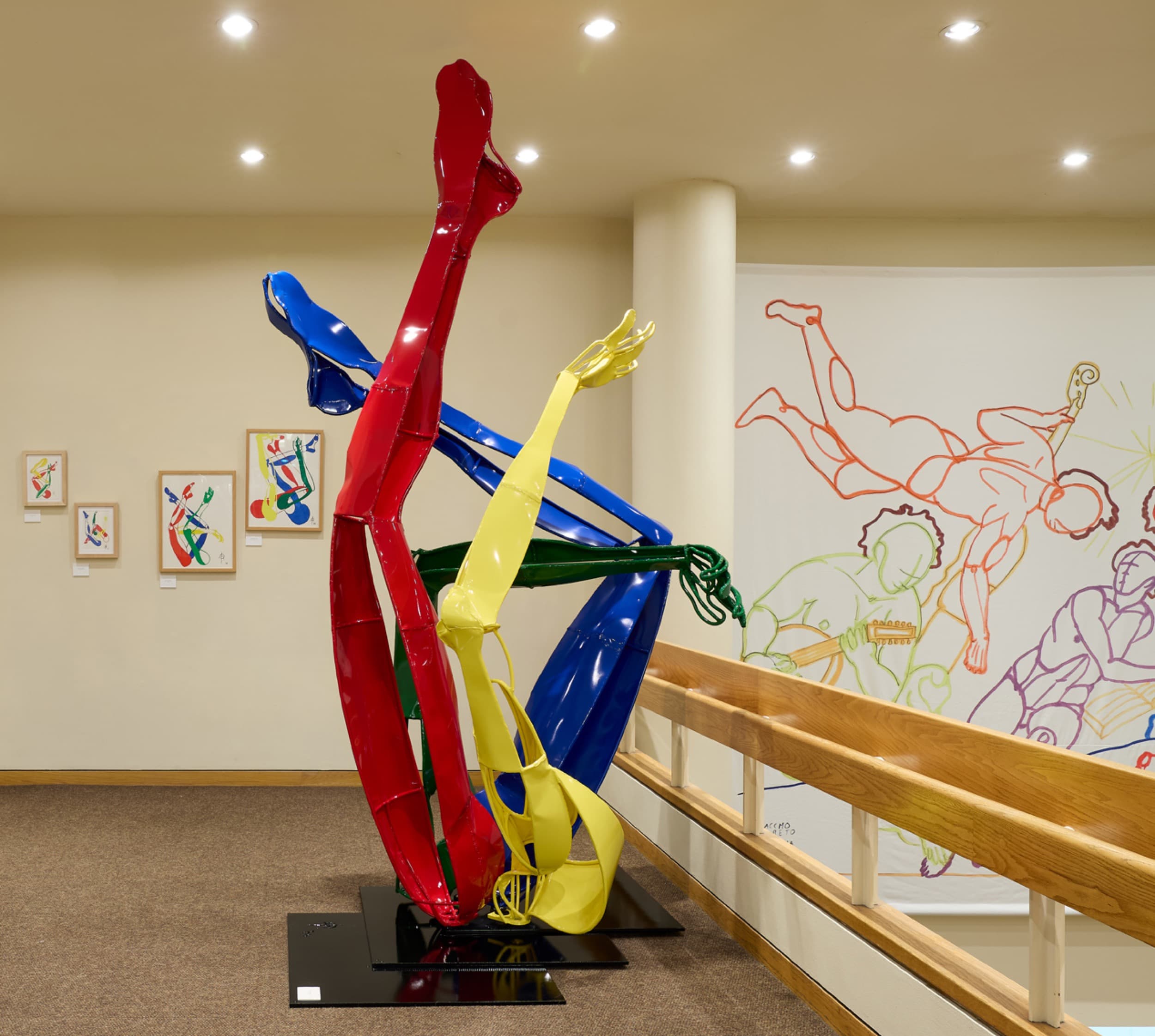
Upon stepping into Nevelson Chapel for Jack Howard-Potter’s exhibition Body Part Bouquets the body is restored to its oldest meanings: a cosmology, a spiritual architecture, a living site of transformation.
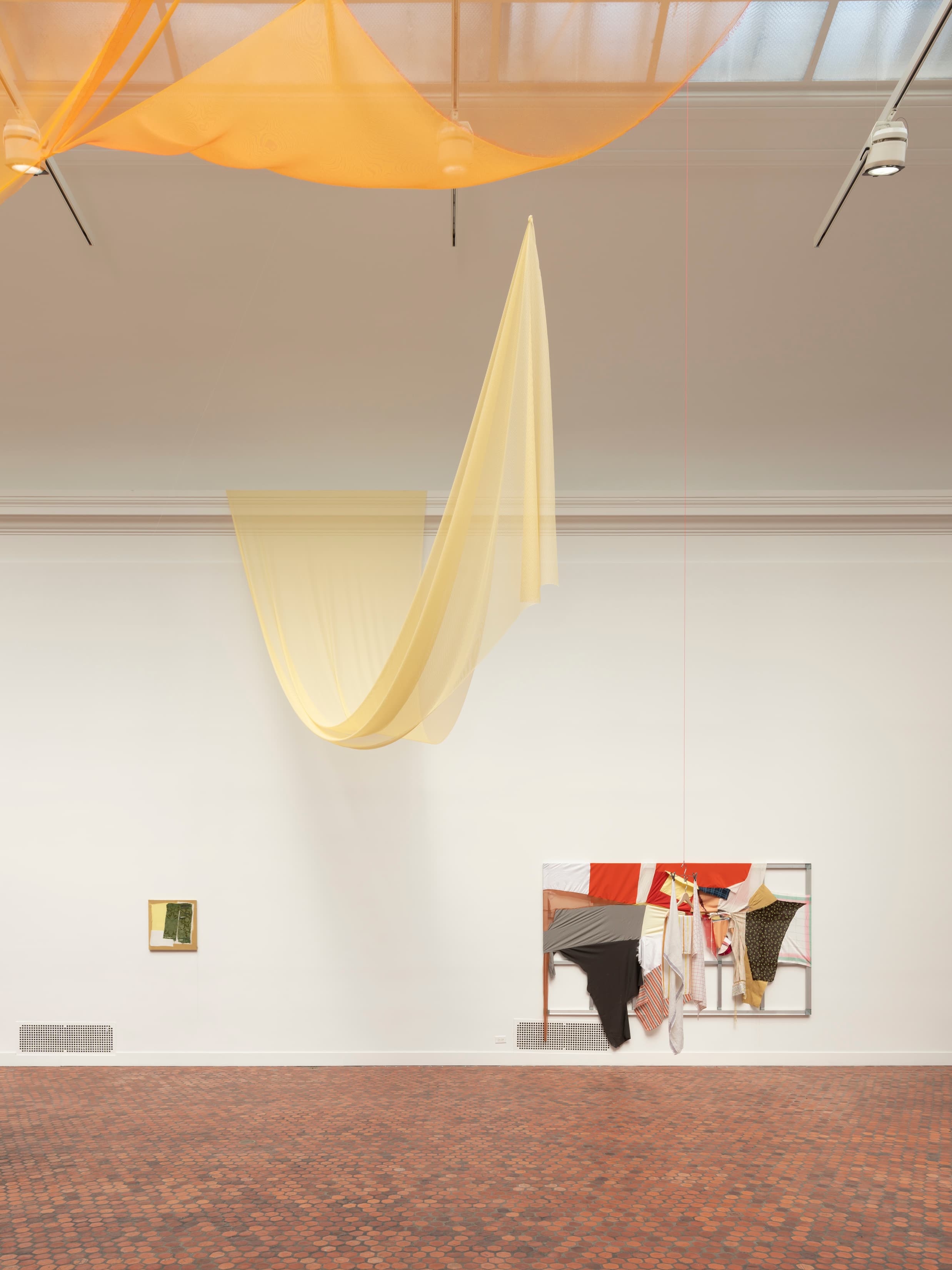
The first textile portrait greets you at the threshold of Erin N. Mack: Fishers of Men, suspended like a veil and a proposition. It changes the room before you’ve entered it—softening what you can see beyond, shifting the light, emphasizing the fluttering of the veils.
Paolo Roversi’s latest exhibition, Along the Way at Pace Gallery reminds us that beauty, when unleashed and at its most potent, is vengeance. In a world of sustained barbarism, fear-mongering, a world of war and all its porous traumas, how often are romantic dreams seized and slaughtered?

John Mayer’s guitar solo circles toward the end of “Pyramids”—ciphers of generational losses, the desire for time regained—Theaster Gates has revisioned in brick and mortar. His latest project, the Land School, represents nine years of patient archaeology.

Reality is the only museum that matters, and the appetite for fewer, finer works is not a retreat, but a return to a more primordial way of seeing. Nowhere is this more vividly embodied than in Catch the sun with your hand, Solange Pessoa’s latest exhibition at the Aspen Art Museum.

Ricco/Maresca’s latest exhibition, American Vernacular: Art and Objects by Unknown Artists, offers a cinema of western perception. Not the Hollywood of glinting studio lots and immaculately trained voices, but a quieter, more atavistic approach. In Untitled (Two Hands Reaching) (1993) and Untitled (Seated Female Nudes with Bird) (1997), the body becomes a site of spiritual combat. Figures twist into serpentine postures, their limbs doubling as arrows and talons, mouths slackened into masks of both ecstasy and dread. Nipples bloom like wounded eyes; the sex is rendered with a quick, ceremonial blush of red.

Founded last year by Andrew Kreps, James Cohan, Bortolami, Anton Kern, Kaufmann Repetto, and Kurimanzutto—The Campus is a site for cross-disciplinary experimentation and communal study. Occupying over 22 acres, the project aims to elevate the stunted standards typical of white-cube presentation.
