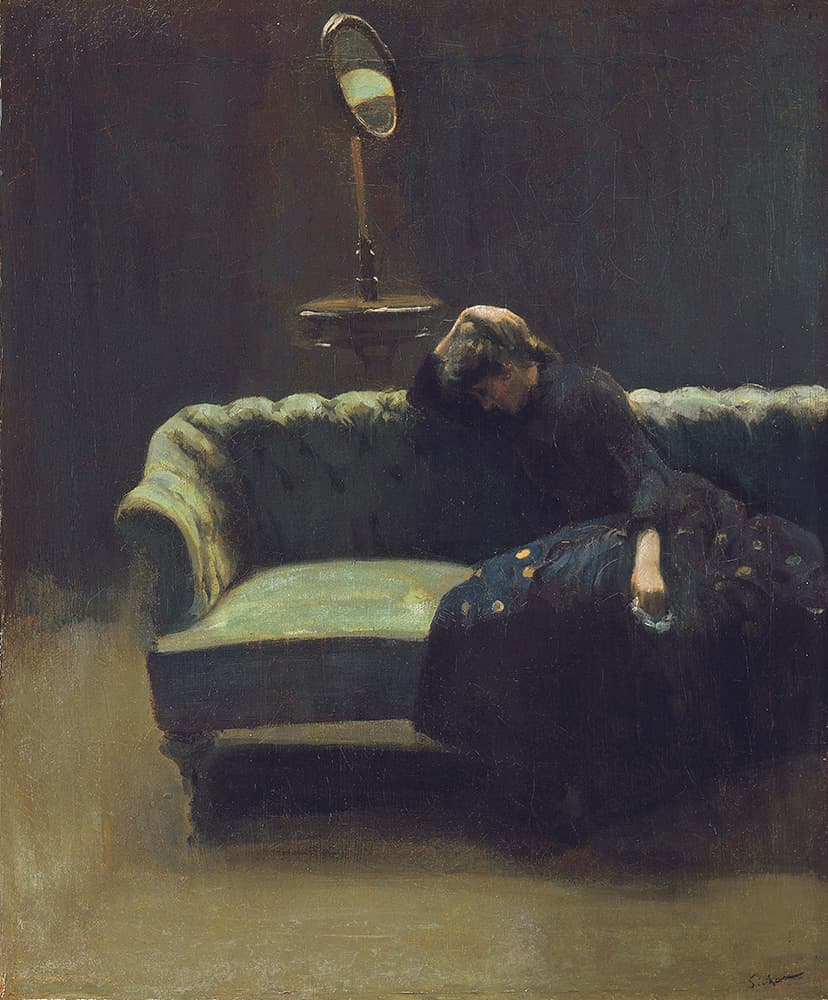
Joe Fyfe
Joe Fyfe is a painter and a writer who lives and works in New York.
Have been reading Elias Canetti, first Auto da Fé, a dizzyingly grotesque novel where money and violence are in every encounter. Looking at reports of the Iran war and the continual pillaging by the current US government it seems more than appropriate.
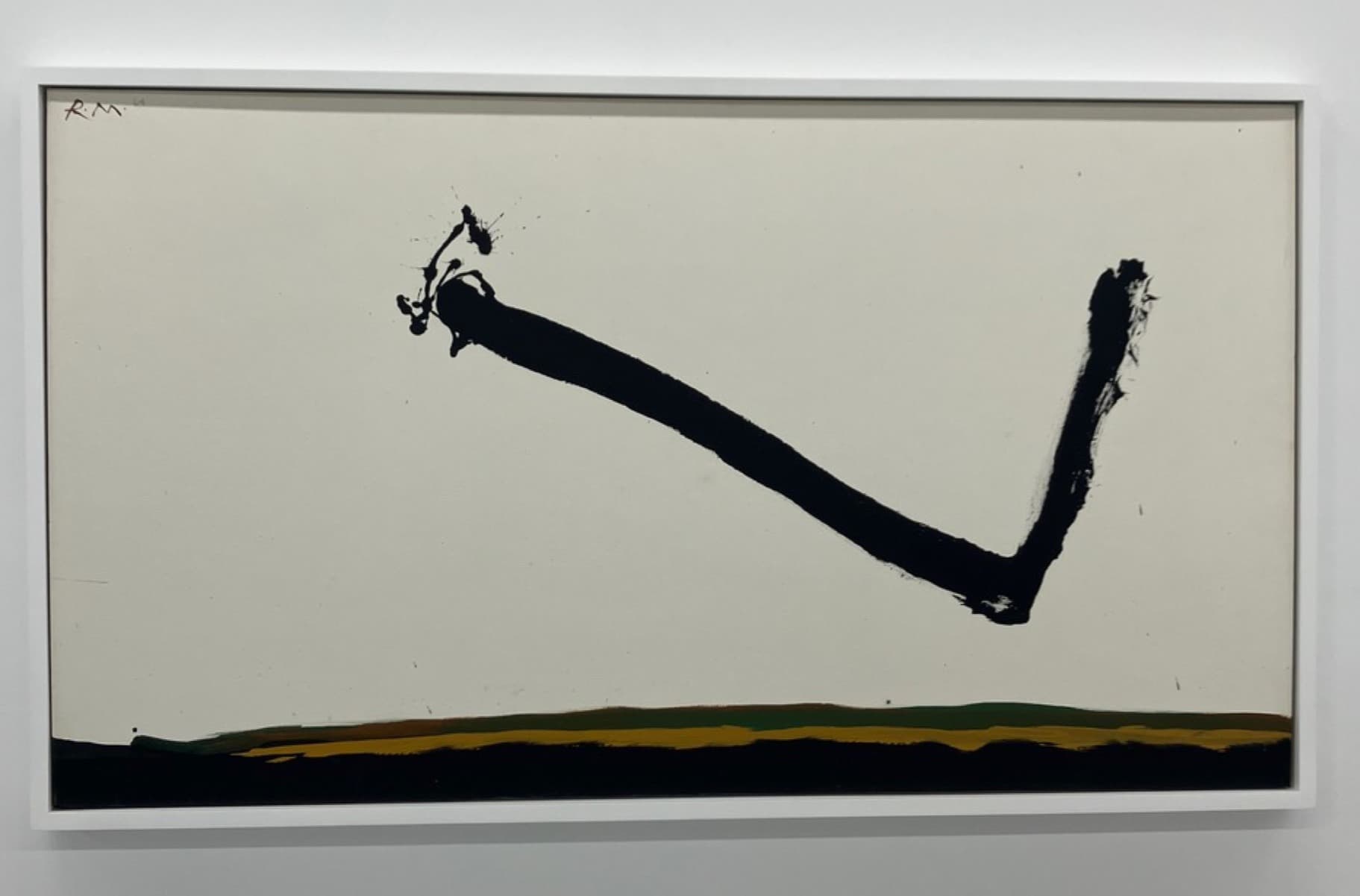
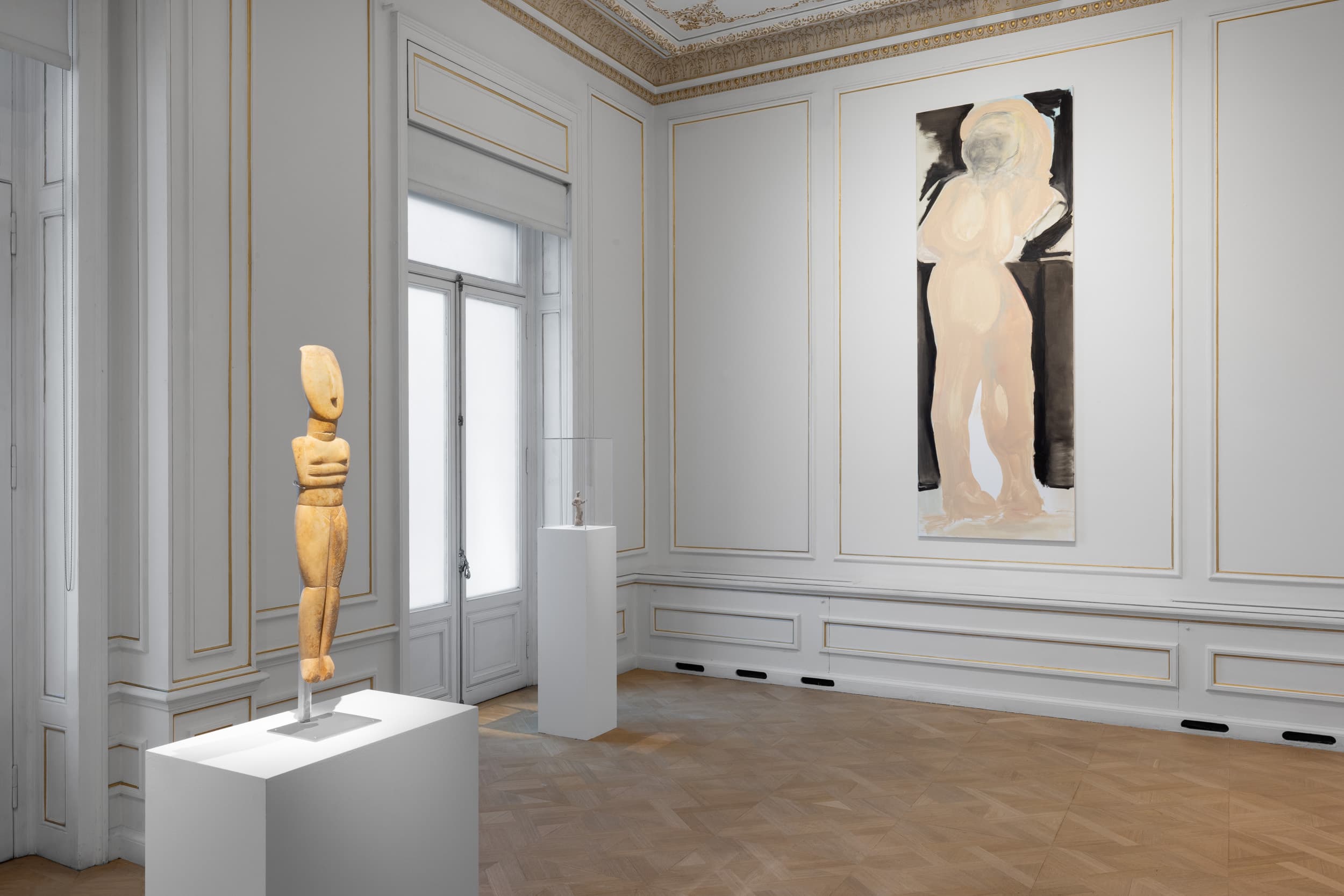
This smallish, elegant museum in an old mansion on an Athens boulevard has an ongoing program of monographic exhibitions of internationally recognized artists. In every recent case, the artists received their first museum show in Greece here. In each the context afforded new insights into the artist’s output.
When I first moved to New York after art school in 1977 I was often asked who my favorite artists were. I said, “June Leaf and Lee Lozano.”

In the MoMA lobby, the painter Odili Donald Odita has taken on the difficult task of executing the first commissioned installation to occupy that underwhelming space. Titled Songs from Life, it will remain in place for a year. Exhibition didactics tell us that Odita sees the painted murals he has executed for this space as communal and “a gathering space for people from different walks of life confronting life’s challenges and finding redemption.”

This elegantly designed exhibition features contemporary artists and craftspeople of the Upper Midwest states, a region encompassing North and South Dakota, Iowa, Minnesota, Wisconsin, and the Upper Peninsula of Michigan, where the largest populations of Scandinavian descent in the United States live. The accompanying literature specifies that its focus is on those “whose practices are informed by Nordic traditional skills.”

This extensive exhibition celebrating the artistic and intellectual influence of the painter and writer Jeremy Gilbert-Rolfe, contains approximately 250 individual pieces by nearly as many artists.

Other than myself, I know of two artists who are the sons of roofers. One is Watteau. The other is Theaster Gates.

David Diao’s current exhibition at Greene Naftali, Put to the Test, surveys his paintings from the early seventies through to the present. In December he sat down with painter and writer Joe Fyfe, who first met him in the early eighties and has kept up with him and his work since that time.

Many years ago, the feisty, open, and unpredictable Cynthia Carlson was one of my teachers in art school (Philadelphia College of Art, as it was called then, now closed). Carlson (and Ree Morton, who was also teaching there, they were as thick as thieves) would blow in weekly on what felt like fresh winds from New York—which was made to appear as an exciting, accessible scene.

The artist Stephen Dean, who has installed a remarkable temporary artwork there, quotes Suger’s description of this sacral effulgence: “lux mirabilis et continua”: wonderful and continuous light. Entitled Crescendo, Dean’s sculpture, a fifteen-meter-long ladder inset with variegated panels of dichroic glass that change color depending on viewing conditions, hovers at an angle above the heads of the visiting pilgrims and tourists.