Chenoa Baker
Emirati photographer and musician Farah Al Qasimi’s Psychic Repair explores self-presentation and consumerism.
Sky Hopinka is from the Ho-Chunk Nation and Pechanga Band of Luiseño Indians. His video, photo, and text work centers around personal positions of Indigenous homeland and landscape designs of language as containers of culture expressed through personal and non-fictional forms of media. On the occasion of Hopinka’s commission for the Barnes Foundation’s Annenberg Court, Red Metal Dust, the artist joined Chenoa Baker on the New Social Environment (Episode #1334).

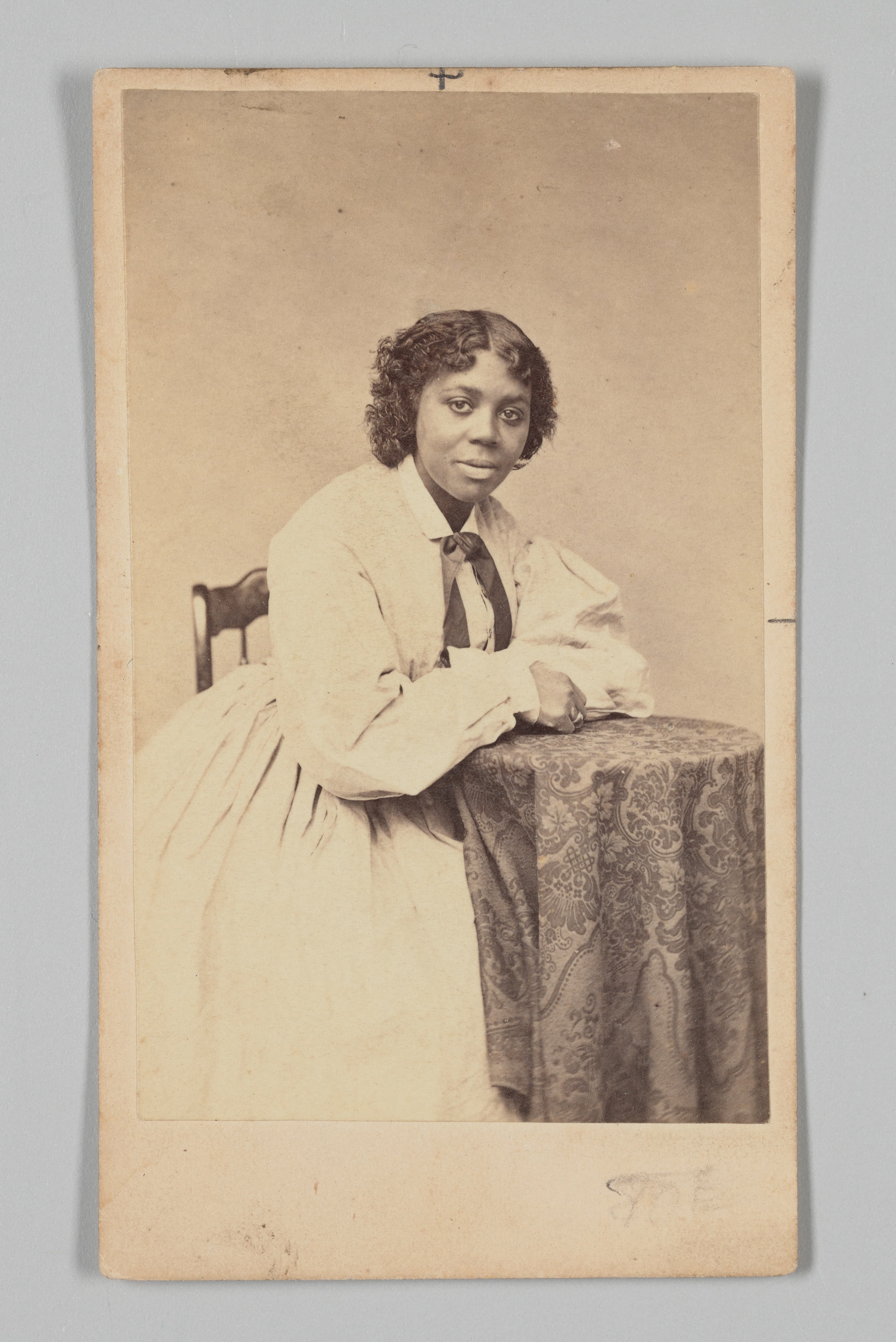
Was Edmonia Lewis (b. 1844, New York; d. 1907, London) a feminist? While I’m aware of the theoretical challenges of holding a presentist view toward history before new verbiage has formed, the question resounded in my mind, nonetheless.
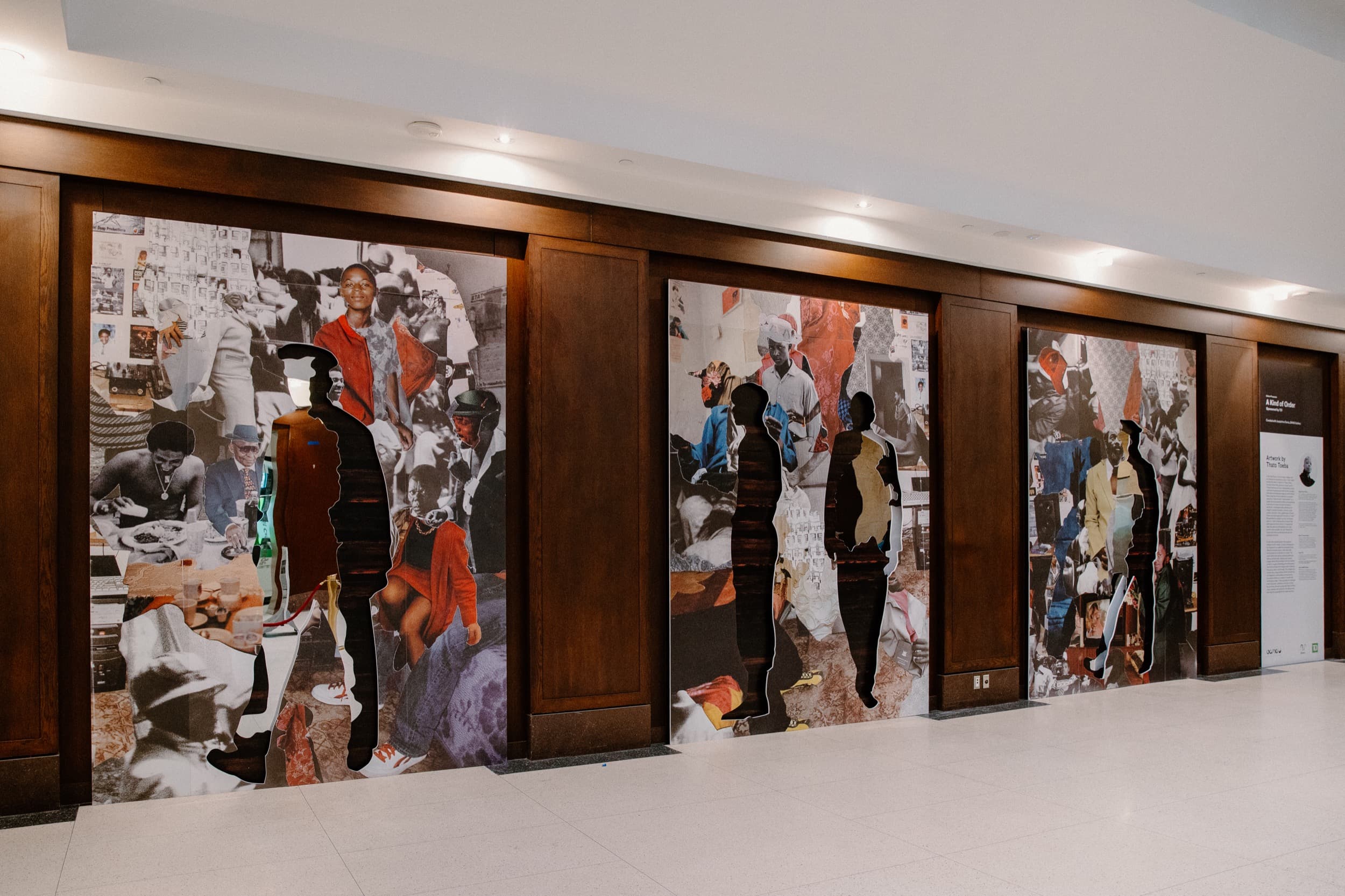
Union Station, a Palladian heritage space that prohibits significant building alteration, is a local, regional, and national transportation hub, home for the unhoused, thirty retailers, and a confluence of 300,000 people a day. Osmington Inc. champions the station as a cultural destination.
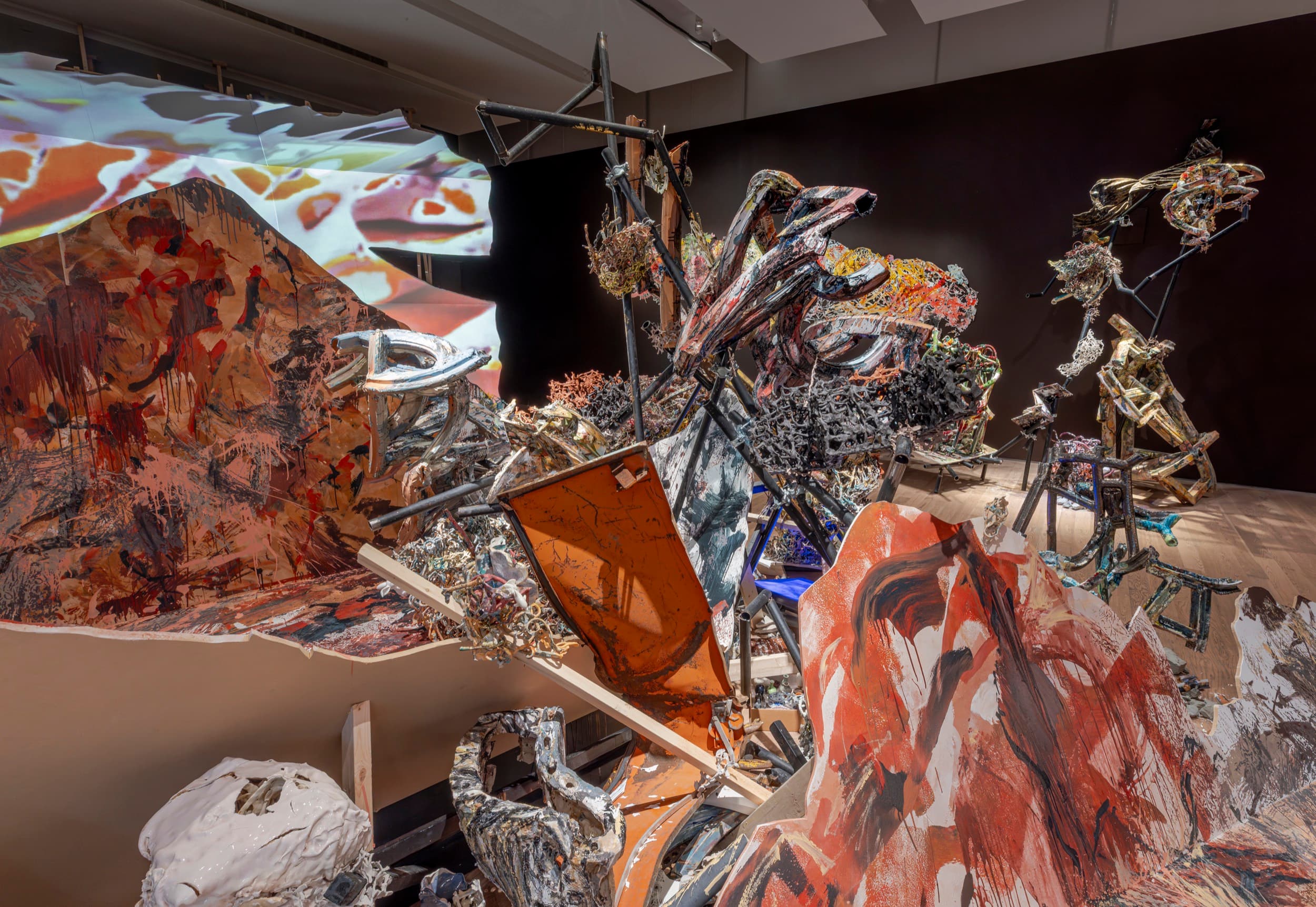
Nature’s kiln, a volcano, spat fire thousands of years ago. With the destructive force of fire dredging and creating islands, Indonesia, the home of the Batak people, was formed. In Uncertain Ground, Linda Rotua Sormin replicates this cosmology and her family’s stories.
Sprawling across 140 acres, the second edition of Ground/work at the Clark Art Institute is curated by Glenn Adamson and features six artists. I visited on the cusp of autumn on a rainy morning with incremental leaf senescence, where lichens blanket logs and katydids warble in the distance.

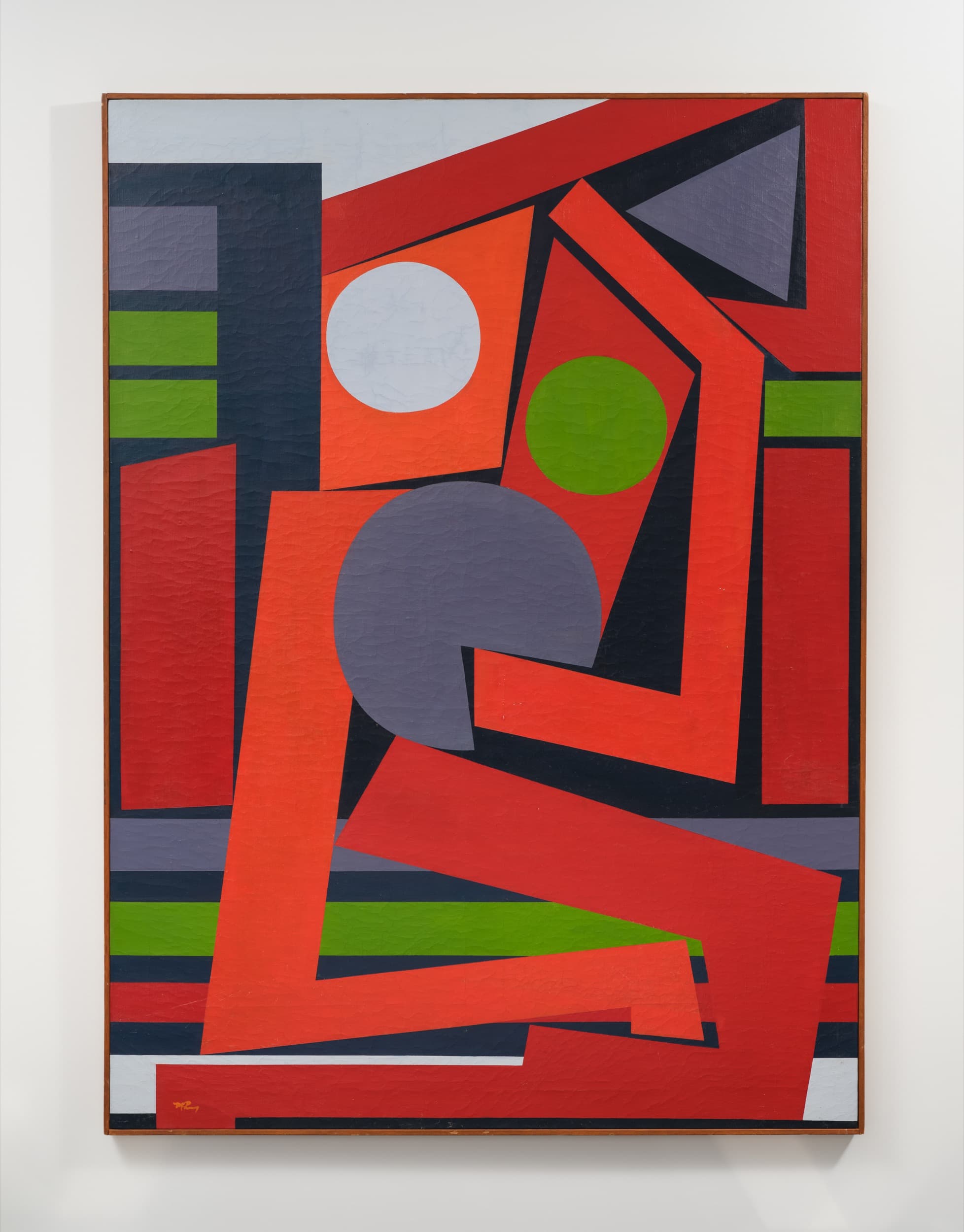
By virtue of the title, Mavis Pusey: Mobile Images, movement is the goal of the exhibition at the Institute of Contemporary Art Philadelphia. Its namesake is a 1970 work, likely made during Pusey’s time in London given its foggy quality, at the end of the exhibition. The show ushers us into three sections—the body, construction, and music—but offers more than categories. It extends a generous intimacy and whispers a different narrative, one far more humanizing of a woman attuned to the rhythms of the world around her.
Visiting Experimentum at Kunsthalle Budapest was the first time I saw an exhibition of twenty-seven artists orbiting an impactful art educator, Pál Nagy, who influenced the artists in the seventies and eighties during Nicolae Ceauşescu’s totalitarian regime in Romania. Some of the artists even fled Romania and sought refuge in Hungary. Experimentum unearths the hidden role of arts education as a driver of radical thinking and making that is process-based and sometimes evident in the artwork itself, revealing that oftentimes what takes place in the classroom is the most transcendent work.
![Pál Nagy, El nem küldött képlevelek sorozat [Unsent Picture Letters series], 1975. Paper, mixed technique, 116 x 80 7/10 inches. Courtesy Műcsarnok Kunsthalle.](/_next/image/?url=https%3A%2F%2Fstudio.brooklynrail.org%2Fassets%2Fbe1ea04e-b433-41af-9f9a-218ff82ab7a2.jpg&w=3840&q=75)
The book suggests that our views about tomorrow show how we think today; accuracy is less important than the thought process in futurology. I wonder if the art of our time communicates our current escapism and dreams of more inclusive futures.

The show emphasizes technological and natural agency, which in no way imbues either with supremacy. They work in symbiosis. For example, a vinyl quote elucidates this concept. It reads, “Breakdown repair, breakdown, repair, !@#$%^&*@$@# Whoops, I have to treat it like my loving relationship with my cats. ‘How are you feeling today, my purring machine?’– John Doe Co., ‘Out-of-Order Technology,’ 1975.”

Dec/Jan 2024–25Art Books
Crafted Kinship: Inside the Creative Practices of Contemporary Black Caribbean Makers
This book leads the reader into the questions of multigenerational Caribbean artists. Prioritizing the artists’ voices in this way allows direct access that many coffee-table books like this don’t feature.

