Duchamp Now
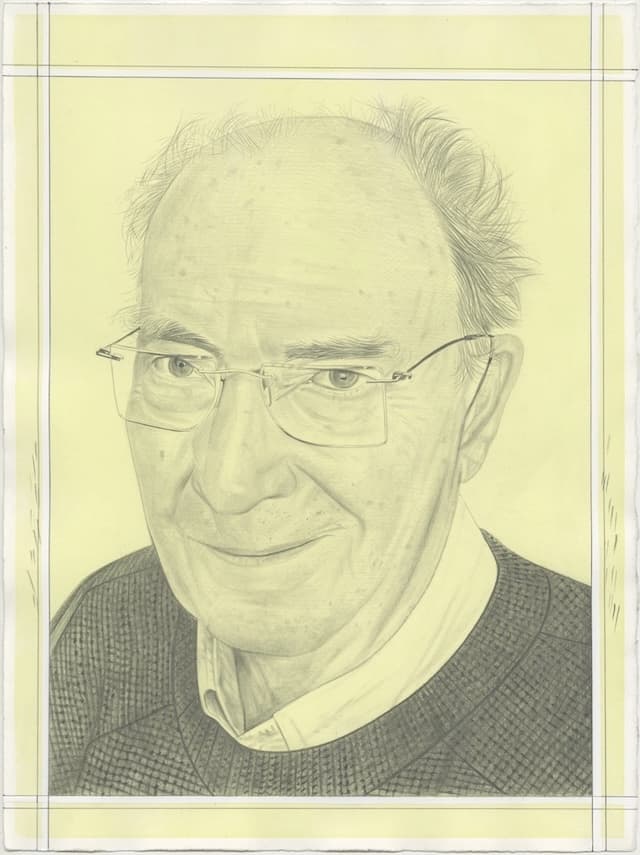
Portrait of Thierry de Duve, pencil on paper by Phong H. Bui.
Word count: 225
Paragraphs: 2
The new generation of artists that emerged in the late fifties/early sixties—helter-skelter: Pop artists; Nouveaux Réalistes: members of the Zero, Fluxus, Gutai, and Mono-Ha groups; Op art and Kinetic artists; neo-Concretistas; Minimalists; proto-Conceptual artists; and the list goes on—did not wait for the seventy-six-year-old Marcel Duchamp to be given his first museum exhibition at the Pasadena Art Museum in 1963 to be—or so the story goes—under his influence. Diverse as they were in mood, style, and ambition, these new art movements seemed to have one thing in common: like Duchamp before them, they went out of their way to escape the traditional media of painting and sculpture and to venture into the unbounded domain of art at large. Yet the wobbly concept of influence seems inadequate to account for such sudden efflorescence. How would you personally account for it? How would you situate your own position as an artist or an art historian vis-à-vis Duchamp, the past and present reception of his work, and its relevance for today, if any? Fifty-three years have elapsed since the first posthumous retrospective at the Philadelphia Museum of Art in 1973 opened Pandora’s box, and almost fifty years since the Pompidou Center in Paris was inaugurated—not by chance—with a Duchamp retrospective. Do you think that the current MoMA exhibition will—or should—significantly change our critical perception of Duchamp’s work?
Thierry de Duve is Evelyn Kranes Kossak Professor at Hunter College, CUNY. His last published book is Duchamp’s Telegram, From Beaux-Arts to Art-in-General (London: Reaktion Books, 2023).