Williams Cole
Williams Cole is a founding contributing editor of the Rail and a documentary filmmaker. His most recent film is Rebel Rossa.
May 2019Film
Change as Real as New York Schist: “This Used to Be New York” at the 2019 Tribeca Film Festival
My father hailed from Staten Island and called himself a “True New Yorker.” The New York City of his time was everything to him.
Virtual Reality,” “Immersive,” “Augmented Reality”—these monikers have been buzzed about for decades, often promising to “revolutionize” the flat-screened media environment but perennially not living up to the hype or finding a commercial or artistic niche that works.

There has been much talk over the last year of the “post-truth era” and significant hand-wringing about how to reinstate a respect for “reality” (i.e. “the world or state of things as they actually exist as opposed to an idealistic or notional idea of them”).
The documentaries at Tribeca this year covered many of the world's current ills, from the perennial destruction of the environment (The Last Animals, A River Below) to the cataclysmic Syrian Civil War (Hell on Earth).
May 2015Film
Docs in Sight: Systemic Ills, Dark Fetishes, Drugs, and Guns at the Tribeca Film Festival
The Tribeca Film Festival has grown exponentially since it was largely founded as part of the rebound from a destroyed lower Manhattan post-9/11. And, as New York City has gone into gentrification overdrive, TriBeCa (Triangle Below Canal for those unaware) is no longer a desolate area associated with artist lofts and underground clubs represented in the now unthinkable 1985 Scorsese film After Hours (though, to be fair, that was mostly SoHo).
2014 brings many more films and thematic slates to DOC NYC, the festival that has staked its claim as “New York’s documentary festival” and “America’s largest documentary film festival.”
“Art attracts us only by what it reveals of our most secret self,” Jean-Luc Godard once said.
When watching Art and Craft, the deeply intriguing new documentary by Sam Cullman (If a Tree Falls), Jennifer Grausman, and Mark Becker, one wonders what the film’s odd but alluring protagonist Mark Landis would think of Godard’s weighty assertion.
When thinking about the role of money on the United States political stage, I am reminded of a joke a Hungarian art dealer told me recently:
The Pessimist says: “Nothing can get worse than this!”
The Optimist says: “Yes it can! Yes it can!”
When thinking about the role of money on the United States political stage, I am reminded of a joke a Hungarian art dealer told me recently:
The Pessimist says: “Nothing can get worse than this!”
The Optimist says: “Yes it can! Yes it can!”
As part of the Sundance Film Festival has grown into a ridiculous scene of celebrity watchers, Party People, and wealthy “producers”—at least during the first weekend—the non-profit Sundance Institute (which sponsors and runs the festival) still works hard to support the innovative and non-commercial in independent filmmaking. This seems most pronounced in the documentary feature categories where there is a consistent adherence to the role of documentary storytelling around social-political issues and where new works re-engage creatively with perennial themes of human rights, mediated culture, and international chaos.

As part of the Sundance Film Festival has grown into a ridiculous scene of celebrity watchers, Party People, and wealthy “producers”—at least during the first weekend—the non-profit Sundance Institute (which sponsors and runs the festival) still works hard to support the innovative and non-commercial in independent filmmaking. This seems most pronounced in the documentary feature categories where there is a consistent adherence to the role of documentary storytelling around social-political issues and where new works re-engage creatively with perennial themes of human rights, mediated culture, and international chaos.
DOC NYC is now officially the biggest documentary festival in the United States and that gives a bit more credence to the feeling that documentary film is playing a larger and more prominent role in our collectively morphing and imploding media landscape.
DOC NYC is now officially the biggest documentary festival in the United States and that gives a bit more credence to the feeling that documentary film is playing a larger and more prominent role in our collectively morphing and imploding media landscape.
Williams Cole reflects on the importance of Bill de Blasio's victory in Brooklyn.
Williams Cole reflects on the importance of Bill de Blasio's victory in Brooklyn.
“We don’t say Irish writers are more important than writers from any other place,” says Mac Barrett, one of the producers of CUNY-TV’s 13-part series Irish Writers in America, which debuts November 22 and runs into next year. “Instead,” he says, “we pose the question, ‘What is it about this rock on the edge of Europe that has caused such a preponderance of enduring literary works, by not only those who have been raised there but by those connected through their genes?’”
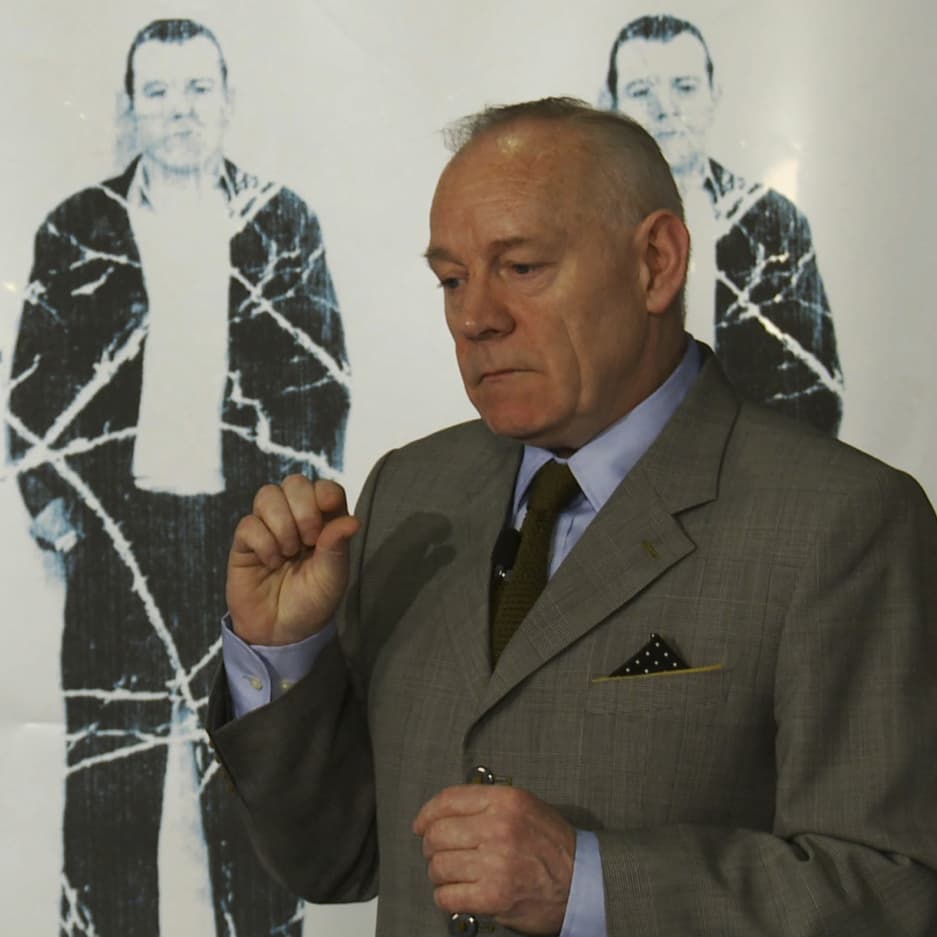
Williams Cole sits down with photojournalist and filmmaker Shaul Schwarz to discuss Schwarz's upcoming film, Narco Cultura.
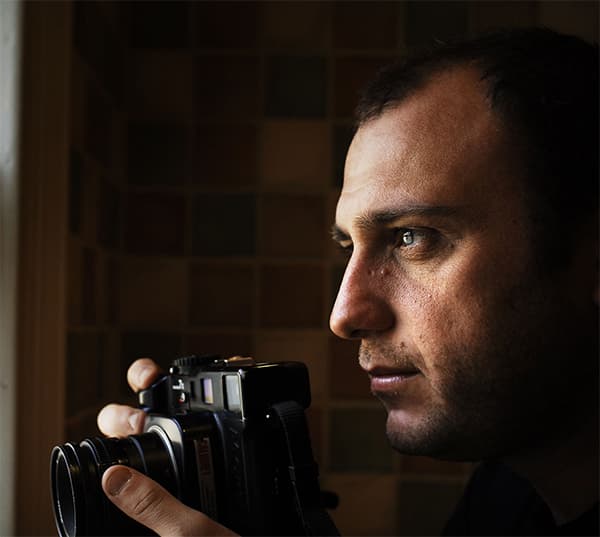
Williams Cole sits down with photojournalist and filmmaker Shaul Schwarz to discuss Schwarz's upcoming film, Narco Cultura.
“We don’t say Irish writers are more important than writers from any other place,” says Mac Barrett, one of the producers of CUNY-TV’s 13-part series Irish Writers in America, which debuts November 22 and runs into next year. “Instead,” he says, “we pose the question, ‘What is it about this rock on the edge of Europe that has caused such a preponderance of enduring literary works, by not only those who have been raised there but by those connected through their genes?’”
I’d met him when I was young, but the first encounter with Seamus Heaney that I vividly recall came when I was a teenager in the 1980s.
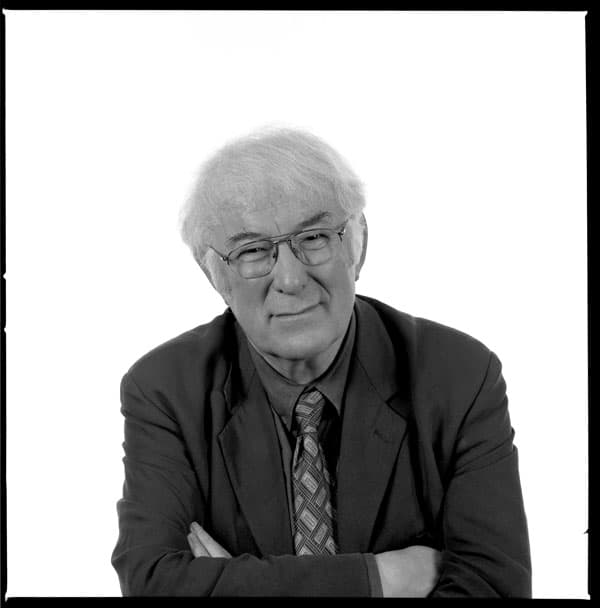
I’d met him when I was young, but the first encounter with Seamus Heaney that I vividly recall came when I was a teenager in the 1980s.
Reynoso is a young up-and-comer who is the antidote to someone like Lopez. Even so, the landscape of the neighborhood has been irrevocably altered over the last decade.
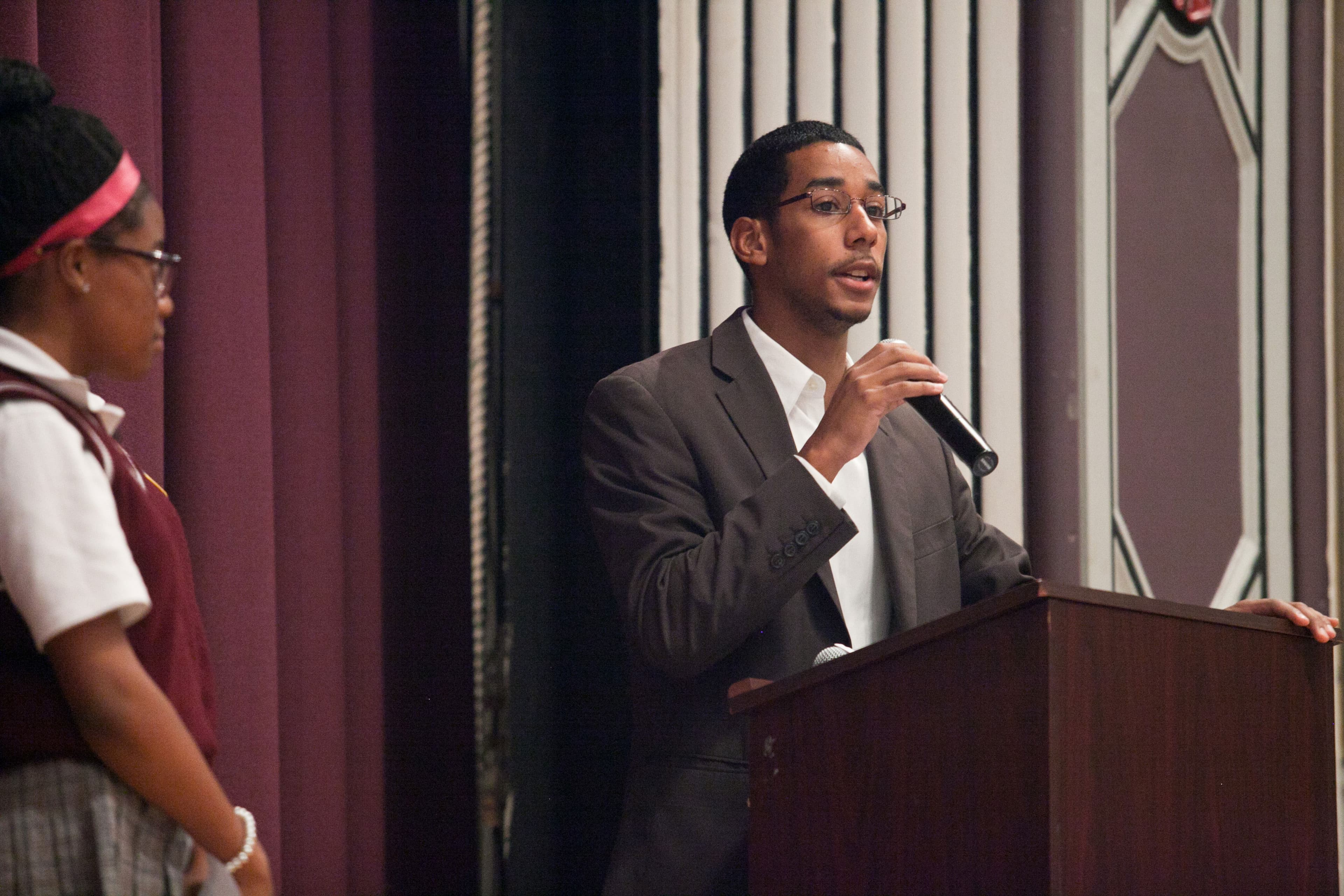
Reynoso is a young up-and-comer who is the antidote to someone like Lopez. Even so, the landscape of the neighborhood has been irrevocably altered over the last decade.
Brad Bernstein is the director of Far Out Isn’t Far Enough: The Tomi Ungerer Story, a documentary opening at Lincoln Plaza Cinemas on June 14.
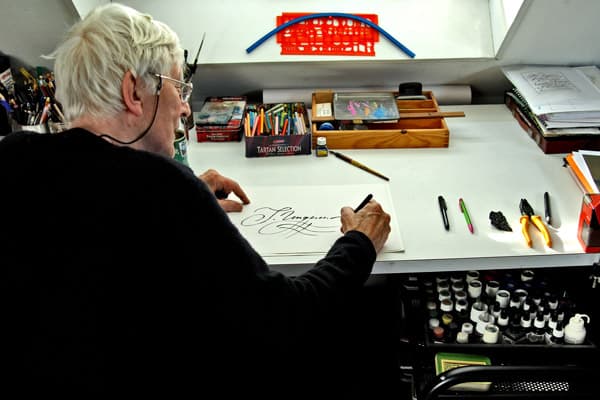
Brad Bernstein is the director of Far Out Isn’t Far Enough: The Tomi Ungerer Story, a documentary opening at Lincoln Plaza Cinemas on June 14.
Sandy’s aftermath brought with it many stories of how individuals organized spontaneous yet highly efficient relief efforts. I spoke to one person, Eric Moed, who has been helping organize the People’s Relief project in Coney Island since shortly after the storm hit at the end of October.
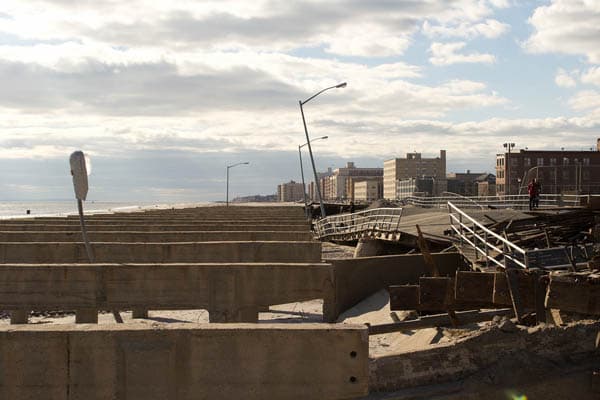
Sandy’s aftermath brought with it many stories of how individuals organized spontaneous yet highly efficient relief efforts. I spoke to one person, Eric Moed, who has been helping organize the People’s Relief project in Coney Island since shortly after the storm hit at the end of October.
“In my mind, New York City is the world’s documentary capital,” says Thom Powers, Artistic Director of DOC NYC, an all-nonfiction film festival that runs from November 8 – 15. “More documentary makers live here than anywhere else. And New York is full of great stories.”
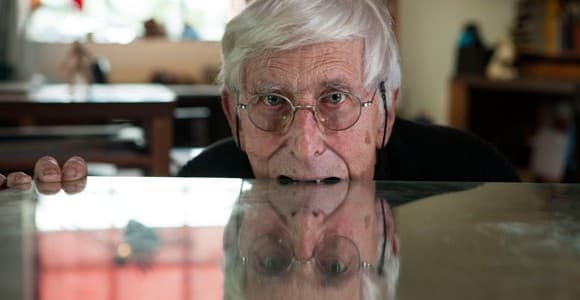
“In my mind, New York City is the world’s documentary capital,” says Thom Powers, Artistic Director of DOC NYC, an all-nonfiction film festival that runs from November 8 – 15. “More documentary makers live here than anywhere else. And New York is full of great stories.”
Lincoln Restler, a district leader in North Brooklyn, strikes one as a go-getting and earnest young man with an objective. I encountered him in person in July as he was going door to door on my block in Williamsburg asking people, “What issues are important to you?”
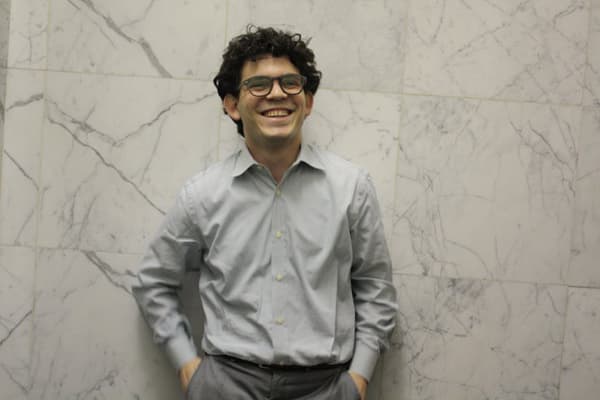
Lincoln Restler, a district leader in North Brooklyn, strikes one as a go-getting and earnest young man with an objective. I encountered him in person in July as he was going door to door on my block in Williamsburg asking people, “What issues are important to you?”
Lincoln Restler, a district leader in North Brooklyn, strikes one as a go-getting and earnest young man with an objective. I encountered him in person in July as he was going door to door on my block in Williamsburg asking people, “What issues are important to you?”
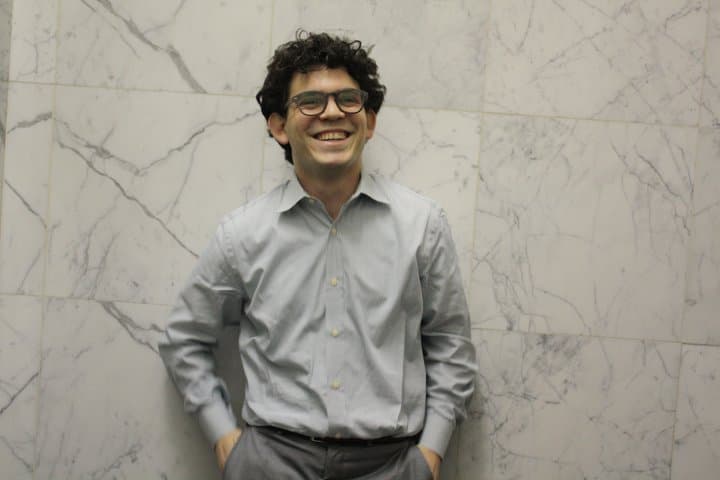
Lincoln Restler, a district leader in North Brooklyn, strikes one as a go-getting and earnest young man with an objective. I encountered him in person in July as he was going door to door on my block in Williamsburg asking people, “What issues are important to you?”
The epic violence that has plagued Mexico in the last decade or so can seem incomprehensible in its brutality and scope—especially as it manifests in cities near the U.S.-Mexico border. And given our many ties with Mexico, it’s nothing less than an outrage that its issues are not more prominent on our national radar.
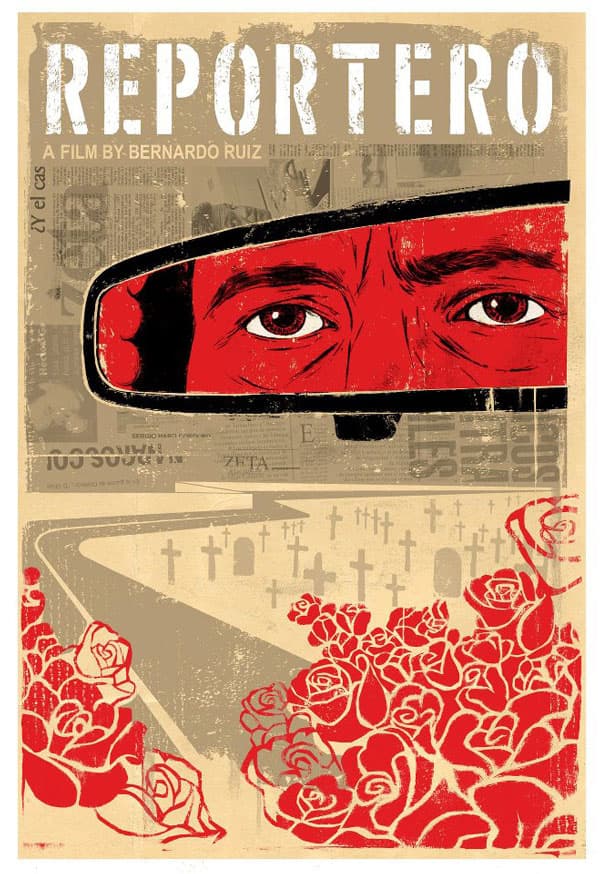
The epic violence that has plagued Mexico in the last decade or so can seem incomprehensible in its brutality and scope—especially as it manifests in cities near the U.S.-Mexico border. And given our many ties with Mexico, it’s nothing less than an outrage that its issues are not more prominent on our national radar.
Publishing legend Barney Rosset passed away on February 21, at the age of 89. Rosset’s Grove Press brought Tropic of Cancer, Naked Lunch, Lady Chatterley’s Lover, The Autobiography of Malcolm X, and many other seminal works to American audiences.
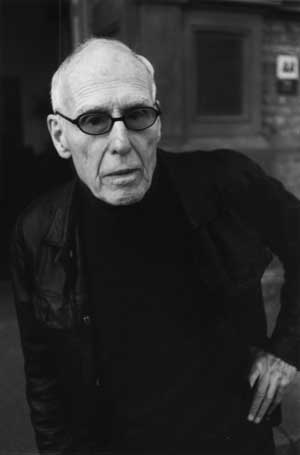
Publishing legend Barney Rosset passed away on February 21, at the age of 89. Rosset’s Grove Press brought Tropic of Cancer, Naked Lunch, Lady Chatterley’s Lover, The Autobiography of Malcolm X, and many other seminal works to American audiences.
Over the last decade there has been much talk about the fracturing, transformation, implosion, and even the annihilation of the dominant paradigms in music, journalism, movie-making, and, most recently, publishing. What might have been a slow burn in a once-stable media landscape is on the verge of ashing out, as book publishing is now seen by many as the last victim of such a “crisis.
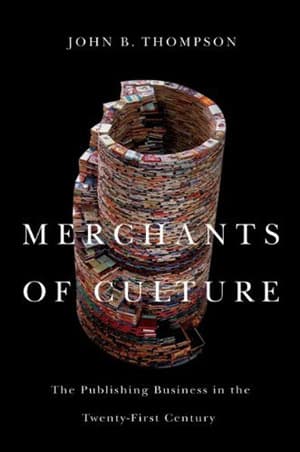
Over the last decade there has been much talk about the fracturing, transformation, implosion, and even the annihilation of the dominant paradigms in music, journalism, movie-making, and, most recently, publishing. What might have been a slow burn in a once-stable media landscape is on the verge of ashing out, as book publishing is now seen by many as the last victim of such a “crisis.
Alex Gibney’s new film Client 9: The Rise and Fall of Eliot Spitzer tells the story of one of the most dramatic falls from political power in the last decade.
Alex Gibney’s new film Client 9: The Rise and Fall of Eliot Spitzer tells the story of one of the most dramatic falls from political power in the last decade.
It was in the spring of 2001 when Williamsburg-bred basketball legend Red Auerbach first asked “What the hell is the Brooklyn Rail?” Not long afterward, that very same question was posed to the two of us by a current Brooklyn figurehead, who followed it by saying, “You’re the guys who want to live here; we’re the ones who couldn’t leave.”

It was in the spring of 2001 when Williamsburg-bred basketball legend Red Auerbach first asked “What the hell is the Brooklyn Rail?” Not long afterward, that very same question was posed to the two of us by a current Brooklyn figurehead, who followed it by saying, “You’re the guys who want to live here; we’re the ones who couldn’t leave.”
July/August 2010Express
Abortion Battle's Hidden Front: Heidi Ewing and Rachel Grady In Conversation with Williams Cole
Directing team Rachel Grady and Heidi Ewing made the Academy Award-nominated Jesus Camp, a film about an evangelical boot camp for children that many lauded for its skillful cinema vérité technique in exploring a controversial topic.
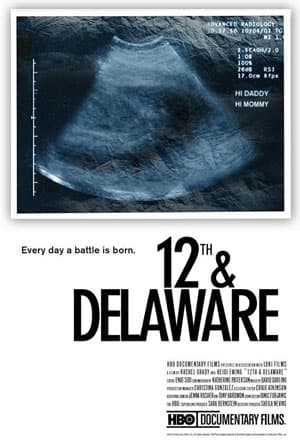
July/August 2010Express
Abortion Battle's Hidden Front: Heidi Ewing and Rachel Grady In Conversation with Williams Cole
Directing team Rachel Grady and Heidi Ewing made the Academy Award-nominated Jesus Camp, a film about an evangelical boot camp for children that many lauded for its skillful cinema vérité technique in exploring a controversial topic.
For many in media and intellectual circles, the paparazzi—those camera-wielding misfits who know no boundaries—are seen not only as money-grubbing parasites of culture but as potentially one reason why in-depth reporting has been sidelined by celebrity news.
Unfortunately for the human species, war is one of the most dramatic things that life can offer, so there’s no surprise that documentary films about combat hold a much-vaunted place in the non-fiction canon.
Unfortunately for the human species, war is one of the most dramatic things that life can offer, so there’s no surprise that documentary films about combat hold a much-vaunted place in the non-fiction canon.
For many in media and intellectual circles, the paparazzi—those camera-wielding misfits who know no boundaries—are seen not only as money-grubbing parasites of culture but as potentially one reason why in-depth reporting has been sidelined by celebrity news.
This October marks 10 years in print for The Brooklyn Rail.

I have a relic of sorts that I hold dear. It’s a green foam beer cozy, worn thin from carrying hundreds of bottles of Michelob.
This October marks 10 years in print for The Brooklyn Rail.
I have a relic of sorts that I hold dear. It’s a green foam beer cozy, worn thin from carrying hundreds of bottles of Michelob.
Many Americans know—or at least have a hunch—that the corridors of power on Capitol Hill are rife with shenanigans that would make even a Wall Street broker blush.
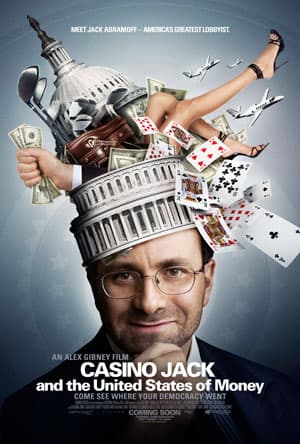
Many Americans know—or at least have a hunch—that the corridors of power on Capitol Hill are rife with shenanigans that would make even a Wall Street broker blush.
April 2010Express
Tibet's Continuing David and Goliath Story: Tenzing Sonam and Ritu Sarin with Williams Cole
Tibetan directing partners Tenzing Sonam and Ritu Sarin have produced a catalogue of films spanning more than two decades that have cemented them as not only award-winning filmmakers but as prominent voices in the Tibetan exile community and beyond.

April 2010Express
Tibet's Continuing David and Goliath Story: Tenzing Sonam and Ritu Sarin with Williams Cole
Tibetan directing partners Tenzing Sonam and Ritu Sarin have produced a catalogue of films spanning more than two decades that have cemented them as not only award-winning filmmakers but as prominent voices in the Tibetan exile community and beyond.
In the 1992 independent film Laws of Gravity (set and shot in the gritty Williamsburg of that era), there’s a scene where Jimmy lets his childhood pal Frankie, who’s up from Florida, crash with him in his shabby apartment.

In the 1992 independent film Laws of Gravity (set and shot in the gritty Williamsburg of that era), there’s a scene where Jimmy lets his childhood pal Frankie, who’s up from Florida, crash with him in his shabby apartment.
The Dalai Lama’s visit to the White House in mid-February has brought the plight of Tibet back into the news. Yet even when that story does resurface, there is rarely much insightful explanation.
The Dalai Lama’s visit to the White House in mid-February has brought the plight of Tibet back into the news. Yet even when that story does resurface, there is rarely much insightful explanation.
While the millions of dollars spent by big Hollywood studios to dish up films like 2012 and Avatar guarantees them at least a fighting chance to make profits in the multiplexes, independent films—especially documentaries—often have an impossible time making money in the theatrical venue.
While the millions of dollars spent by big Hollywood studios to dish up films like 2012 and Avatar guarantees them at least a fighting chance to make profits in the multiplexes, independent films—especially documentaries—often have an impossible time making money in the theatrical venue.
One result of the latest downfall of the American financial system is that there’s been more critical discussion and news coverage of unemployment, lack of economic development, homelessness, and hunger in the U.S.
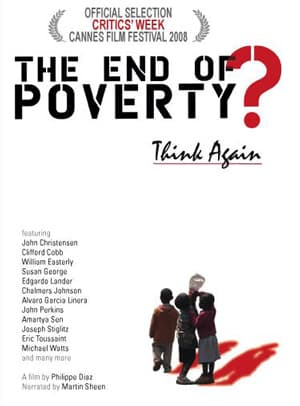
One result of the latest downfall of the American financial system is that there’s been more critical discussion and news coverage of unemployment, lack of economic development, homelessness, and hunger in the U.S.
Capitalism has Big Problems these days. Even the most loyal Milton Friedman fanatic must feel the sting from having been bitch-slapped by the “invisible hand” of the Market. Looking back, it’s shameful that the many critiques of those who spoke of a flawed system and cataclysm before the economy collapsed were hardly noticed. But it’s certainly not surprising.
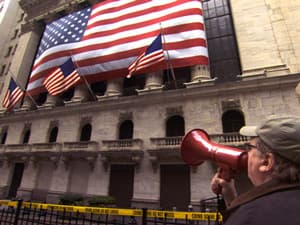
Capitalism has Big Problems these days. Even the most loyal Milton Friedman fanatic must feel the sting from having been bitch-slapped by the “invisible hand” of the Market. Looking back, it’s shameful that the many critiques of those who spoke of a flawed system and cataclysm before the economy collapsed were hardly noticed. But it’s certainly not surprising.
In the so-called “post-9/11 world,” the stability of India and especially Pakistan have become of paramount geopolitical importance. Yet the vast history of this region—and especially the creation of the Pakistan-India border—is a subject woefully underexamined in American media.
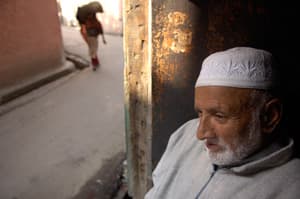
In the so-called “post-9/11 world,” the stability of India and especially Pakistan have become of paramount geopolitical importance. Yet the vast history of this region—and especially the creation of the Pakistan-India border—is a subject woefully underexamined in American media.
Over the last decade—and certainly in the last four years—Williamsburg-Greenpoint has experienced some of the most dramatic growth in the city, from the plethora of steel and glass condos—as well as empty lots—where industrial buildings used to stand to the legions of new residents that pile into the L and even the G trains.
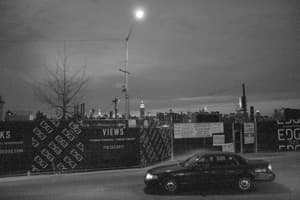
Over the last decade—and certainly in the last four years—Williamsburg-Greenpoint has experienced some of the most dramatic growth in the city, from the plethora of steel and glass condos—as well as empty lots—where industrial buildings used to stand to the legions of new residents that pile into the L and even the G trains.
For 20 years now, the Human Rights Watch International Film Festival (June 11th-25th at the Walter Reade Theater) has programmed documentary, narrative and animation from all over the world—including the U.S.—that engage issues and present stories that are often only blips in the American mainstream news.
For 20 years now, the Human Rights Watch International Film Festival (June 11th-25th at the Walter Reade Theater) has programmed documentary, narrative and animation from all over the world—including the U.S.—that engage issues and present stories that are often only blips in the American mainstream news.
Chris Marker’s Grin Without A Cat (Le Fond de L’Air Est Rouge)
My father was an anthologist who published dozens of volumes on themes as diverse as eroticism, plants and cats.
My father was an anthologist who published dozens of volumes on themes as diverse as eroticism, plants and cats.
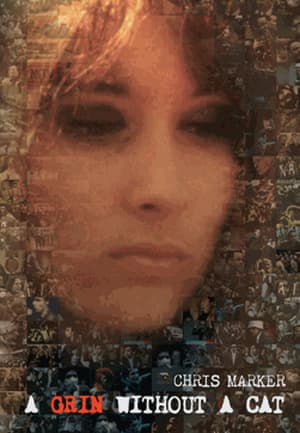
Chris Marker’s Grin Without A Cat (Le Fond de L’Air Est Rouge)
My father was an anthologist who published dozens of volumes on themes as diverse as eroticism, plants and cats.
My father was an anthologist who published dozens of volumes on themes as diverse as eroticism, plants and cats.
April 2009Express
The Perils of a Young Fixer in Afghanistan: Ian Olds in conversation with Williams Cole
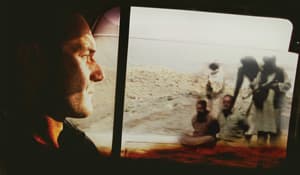
Fixer: The Taking of Ajmal Naqshbandi is a new documentary by Ian Olds which tells the tragic story of Ajmal Naqshbandi, a young fixer for foreign journalists in Kabul who ends up apprehended by the Taliban along with an Italian journalist.
April 2009Express
The Perils of a Young Fixer in Afghanistan: Ian Olds in conversation with Williams Cole
Fixer: The Taking of Ajmal Naqshbandi is a new documentary by Ian Olds which tells the tragic story of Ajmal Naqshbandi, a young fixer for foreign journalists in Kabul who ends up apprehended by the Taliban along with an Italian journalist.
Why did the death of the Cramps’ lead singer Lux Interior seem like the unanticipated punch to the gut? Maybe it’s because the Cramps were the band from the early days of punk that had the feeling of a staple, like the exotic jelly in your fridge—or that old stash—that you dip into once in a while: surprisingly, it never goes bad and you actually enjoy it whenever you bring it out.
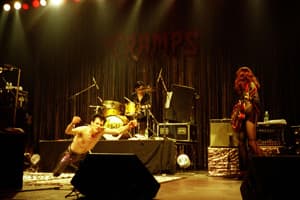
Why did the death of the Cramps’ lead singer Lux Interior seem like the unanticipated punch to the gut? Maybe it’s because the Cramps were the band from the early days of punk that had the feeling of a staple, like the exotic jelly in your fridge—or that old stash—that you dip into once in a while: surprisingly, it never goes bad and you actually enjoy it whenever you bring it out.
Beneath the hullabaloo that surrounds our “wired” contemporary life, replete with internet-ready communication devices and esoteric online communities, local and community media outlets have diminished, largely due to the bottom-line imposed by media conglomeration.
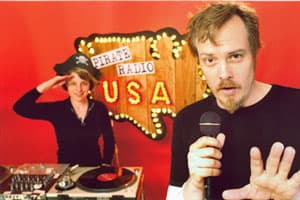
Beneath the hullabaloo that surrounds our “wired” contemporary life, replete with internet-ready communication devices and esoteric online communities, local and community media outlets have diminished, largely due to the bottom-line imposed by media conglomeration.
Dec/Jan 2008–09Express
From Laos to Brooklyn: Ellen Kuras and Thavisouk Phrasavath in conversation with Williams Cole
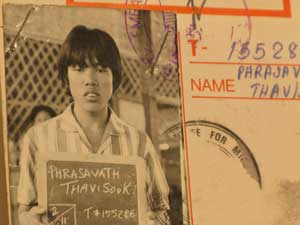
Ellen Kuras is highly regarded as the innovative cinematographer responsible for films from Spike Lee’s Summer of Sam and Bamboozled to Michel Gondry’s Eternal Sunshine of the Spotless Mind and Be Kind: Rewind. The Betrayal (Nerakhoon) is her directorial debut, a documentary she filmed over 23 years in an amazing collaboration with Thavisouk Phrasavath (Thavi), the film’s subject and its co-director.
Dec/Jan 2008–09Express
From Laos to Brooklyn: Ellen Kuras and Thavisouk Phrasavath in conversation with Williams Cole
Ellen Kuras is highly regarded as the innovative cinematographer responsible for films from Spike Lee’s Summer of Sam and Bamboozled to Michel Gondry’s Eternal Sunshine of the Spotless Mind and Be Kind: Rewind. The Betrayal (Nerakhoon) is her directorial debut, a documentary she filmed over 23 years in an amazing collaboration with Thavisouk Phrasavath (Thavi), the film’s subject and its co-director.
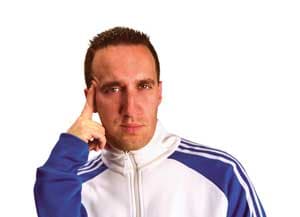
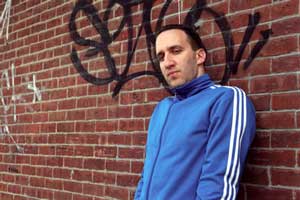
Danny Hoch’s new one-man show, Taking Over, starts its run at the Public Theater on November 7th. Taking Over is comprised of diverse characters of different race and class, including Hoch as himself, who embody the dilemmas and problems of gentrification in Brooklyn.
Danny Hoch’s new one-man show, Taking Over, starts its run at the Public Theater on November 7th. Taking Over is comprised of diverse characters of different race and class, including Hoch as himself, who embody the dilemmas and problems of gentrification in Brooklyn.
Danny Hoch’s new one-man show, Taking Over, starts its run at the Public Theater on November 7th. Taking Over is comprised of diverse characters of different race and class, including Hoch as himself, who embody the dilemmas and problems of gentrification in Brooklyn.
Danny Hoch’s new one-man show, Taking Over, starts its run at the Public Theater on November 7th. Taking Over is comprised of diverse characters of different race and class, including Hoch as himself, who embody the dilemmas and problems of gentrification in Brooklyn.
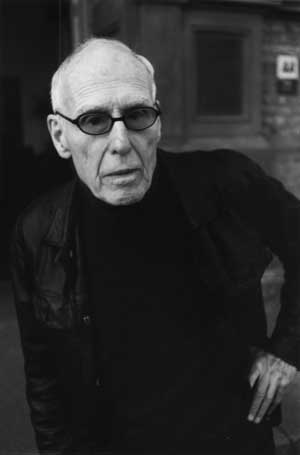
Barney Rosset is the publishing legend responsible for the seminal Grove Press and the highly influential cultural journal Evergreen Review. Tropic of Cancer, Naked Lunch, Lady Chatterley’s Lover, the Autobiography of Malcolm X, Ginsberg, Kerouac, Beckett, Che Guevara, Genet—these are just some of the books and authors that Rosset published in the ’50s, ’60s, and ’70s, many for the first time in the country.
Barney Rosset is the publishing legend responsible for the seminal Grove Press and the highly influential cultural journal Evergreen Review. Tropic of Cancer, Naked Lunch, Lady Chatterley’s Lover, the Autobiography of Malcolm X, Ginsberg, Kerouac, Beckett, Che Guevara, Genet—these are just some of the books and authors that Rosset published in the ’50s, ’60s, and ’70s, many for the first time in the country.
While the 3rd anniversary of Hurricane Katrina recycles the same distant aerial images of families waving for help from houses submerged in a fetid swamp, Carl Deal and Tia Leeson’s Trouble the Water presents a direct, on-the-ground story of people who were literally at the center of the storm. The film effectively uses home video shot throughout the chaos, footage that illustrates with grueling clarity what it was like for so many people who couldn’t afford to leave yet, through innovation and fortitude, endured nonetheless.
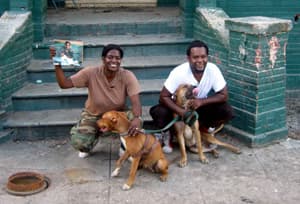
While the 3rd anniversary of Hurricane Katrina recycles the same distant aerial images of families waving for help from houses submerged in a fetid swamp, Carl Deal and Tia Leeson’s Trouble the Water presents a direct, on-the-ground story of people who were literally at the center of the storm. The film effectively uses home video shot throughout the chaos, footage that illustrates with grueling clarity what it was like for so many people who couldn’t afford to leave yet, through innovation and fortitude, endured nonetheless.
July/August 2008Express
Inside the American Ruling Class: John Kirby And Libby Handros in conversation with Williams Cole
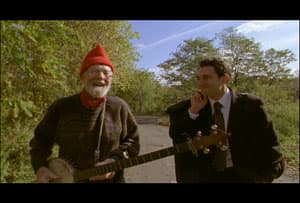
The American Ruling Class is a self-proclaimed “dramatic-documentary-musical” featuring ex-Harper’s editor Lewis Lapham as guide on a voyage of discovery into what is America’s “ruling class.” Part of the conceit involves following two Yale grads, one coming from a wealthy family and the other coming from more modest means, as they consider their career choices or “inevitabilities.” The film not only dives into a daunting and complex subject but its style is also highly experimental. For example, one memorable segment has Lapham bring the guys into a diner where, lo and behold, the immersion journalist Barbara Ehrenreich is waiting the tables, thus starting a musical number called “Nickel and Dimed that various low-wage workers sing in their real places of employment.” The Rail’s Williams Cole sat down with the film’s director, John Kirby, and its producer, Libby Handros, to discuss power, wealth, and happiness, and how Obama might not actually offer that much change.
July/August 2008Express
Inside the American Ruling Class: John Kirby And Libby Handros in conversation with Williams Cole
The American Ruling Class is a self-proclaimed “dramatic-documentary-musical” featuring ex-Harper’s editor Lewis Lapham as guide on a voyage of discovery into what is America’s “ruling class.” Part of the conceit involves following two Yale grads, one coming from a wealthy family and the other coming from more modest means, as they consider their career choices or “inevitabilities.” The film not only dives into a daunting and complex subject but its style is also highly experimental. For example, one memorable segment has Lapham bring the guys into a diner where, lo and behold, the immersion journalist Barbara Ehrenreich is waiting the tables, thus starting a musical number called “Nickel and Dimed that various low-wage workers sing in their real places of employment.” The Rail’s Williams Cole sat down with the film’s director, John Kirby, and its producer, Libby Handros, to discuss power, wealth, and happiness, and how Obama might not actually offer that much change.
Here is a spring roundup of some documentaries that are premiering theatrically, available on DVD or included in festivals like the ever-important Human Rights Watch International Film Festival (running from June 12th-26th). For additional reviews, please go to www.brooklyrail.org

Here is a spring roundup of some documentaries that are premiering theatrically, available on DVD or included in festivals like the ever-important Human Rights Watch International Film Festival (running from June 12th-26th). For additional reviews, please go to www.brooklyrail.org
Directed by Oren Jacoby, the film is based on a nearly 800-page book by James Carroll titled Constantine’s Sword: The Church and the Jews—and that subtitle is the main focus of the film.
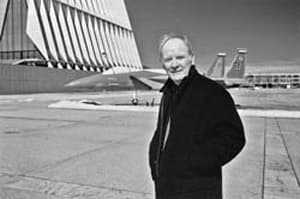
Directed by Oren Jacoby, the film is based on a nearly 800-page book by James Carroll titled Constantine’s Sword: The Church and the Jews—and that subtitle is the main focus of the film.
Can media criticism again form the basis of a “movement”? I remember meetings of the now-defunct “New York City Free Media Alliance,” or feeling the fleeting buzz at big media conferences like the “Media and Democracy Congress” that were held at places like the Great Hall at Cooper Union in the 1990s.
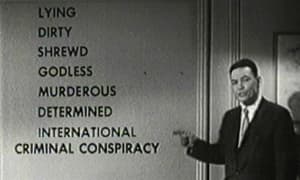
Can media criticism again form the basis of a “movement”? I remember meetings of the now-defunct “New York City Free Media Alliance,” or feeling the fleeting buzz at big media conferences like the “Media and Democracy Congress” that were held at places like the Great Hall at Cooper Union in the 1990s.
By probing the homicide of an innocent taxi driver named Diliwar at Bagram Air Force Base in Afghanistan, Taxi is a powerful film that exposes the Bush administration’s torture practices in Afghanistan, Iraq and Guantanamo Bay.