Suzaan Boettger

Suzaan Boettger is an art historian and critic in NYC and author of Inside the Spiral, and The Passions of Robert Smithson.

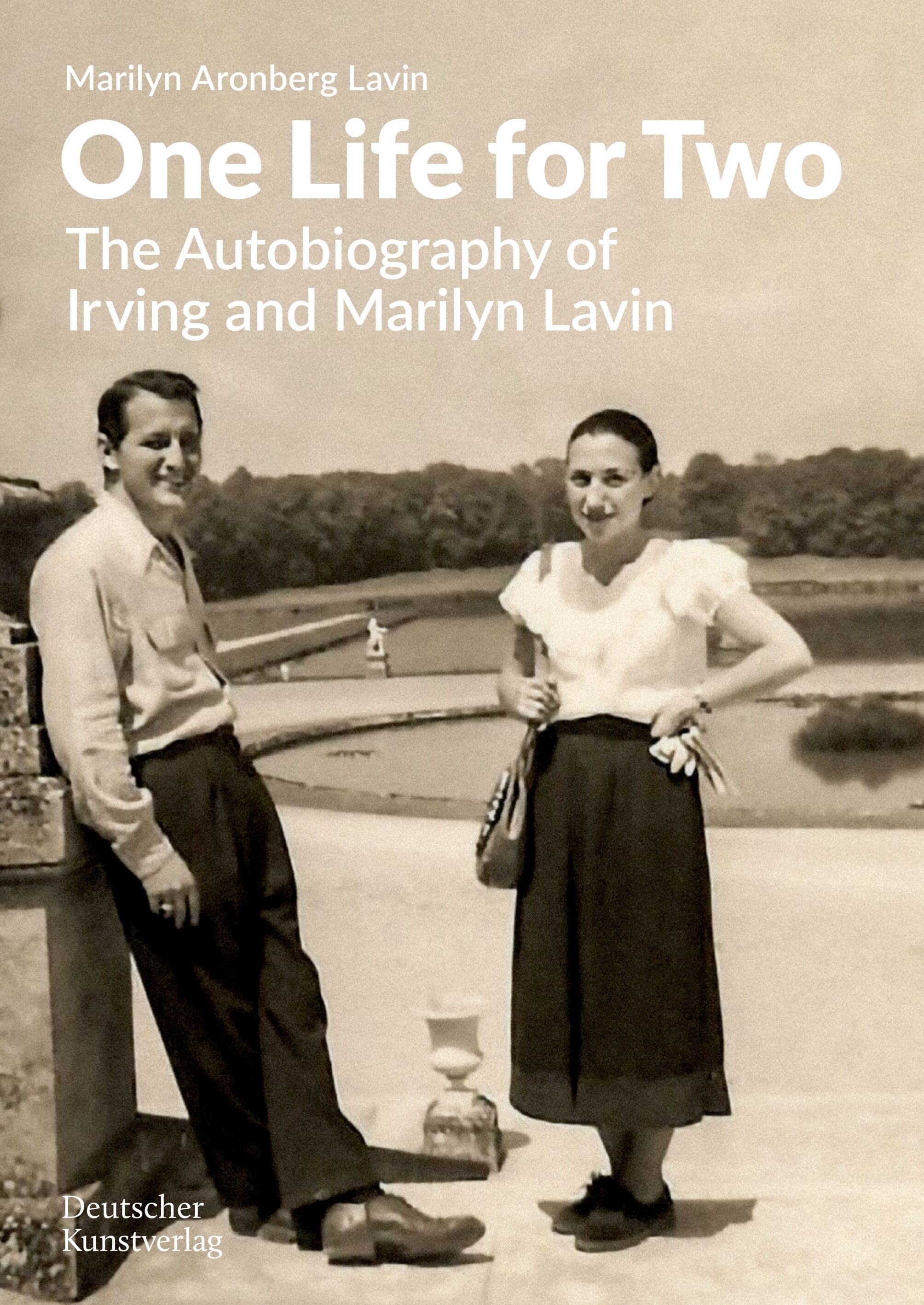
In One Life for Two, The Autobiography of Irving and Marilyn Lavin, art historian Marilyn Aronberg Lavin succumbs to the temptation to settle scores. But the 400-plus diaristic pages present more fascinating anecdotes and informative accounts than a revenge narrative.
Marilyn Aronberg Lavin with Suzaan Boettger

The Metropolitan Museum of Art’s spectacular Caspar David Friedrich: The Soul of Nature is the first major survey of his paintings and drawings in the United States. Only five Friedrich paintings are owned by US museums; many of the more than seventy-five works in oil, pencil, and ink came from substantial repositories of Friedrich’s work at the show’s German co-organizer museums in Berlin, Dresden, and Hamburg.

Caspar David Friedrich, Wanderer above the Sea of Fog, ca. 1817. Oil on canvas, 37 3/8 × 29 1/2 inches. Courtesy Hamburger Kunsthalle and the Met. Photo: Elke Walford.
A historical exhibition aims to show us past life, but sometimes the retrospective becomes reflective, a two-way mirror seeing through to the present. So it is with New York 1962–1964 at The Jewish Museum, certainly at the moment our fair city’s most enveloping visual and aural museum experience.
Nancy Grossman, Black Landscape (aka Landscape), 1964. Leather, fabric, metal, wood, fur, bristle, paper, nylon and paint assemblage mounted on plywood. 49 7/8 x 38 x 3 1/2 inches, signed. Courtesy Michael Rosenfeld Gallery LLC, New York, NY. © Nancy Grossman.
When the current Venice Biennale compilation, All the World’s Futures, incited critics’ antipathy as “morality-based,” “provocative but also confining,” and “morose, joyless, and ugly,” I knew I had to see it.
John Akomfrah, Vertigo Sea, 2015. Three channel video installation, 48 min. Courtesy the artist & Lisson Gallery.
Oil is the elixir of the economy and venom to the environment. Beyond its materialization as myriad synthetics from furniture to foodstuffs, this contentious fluid has become the elan vital of development—at once pervasive, productive, and perverse.

Close

Home