Eana Kim
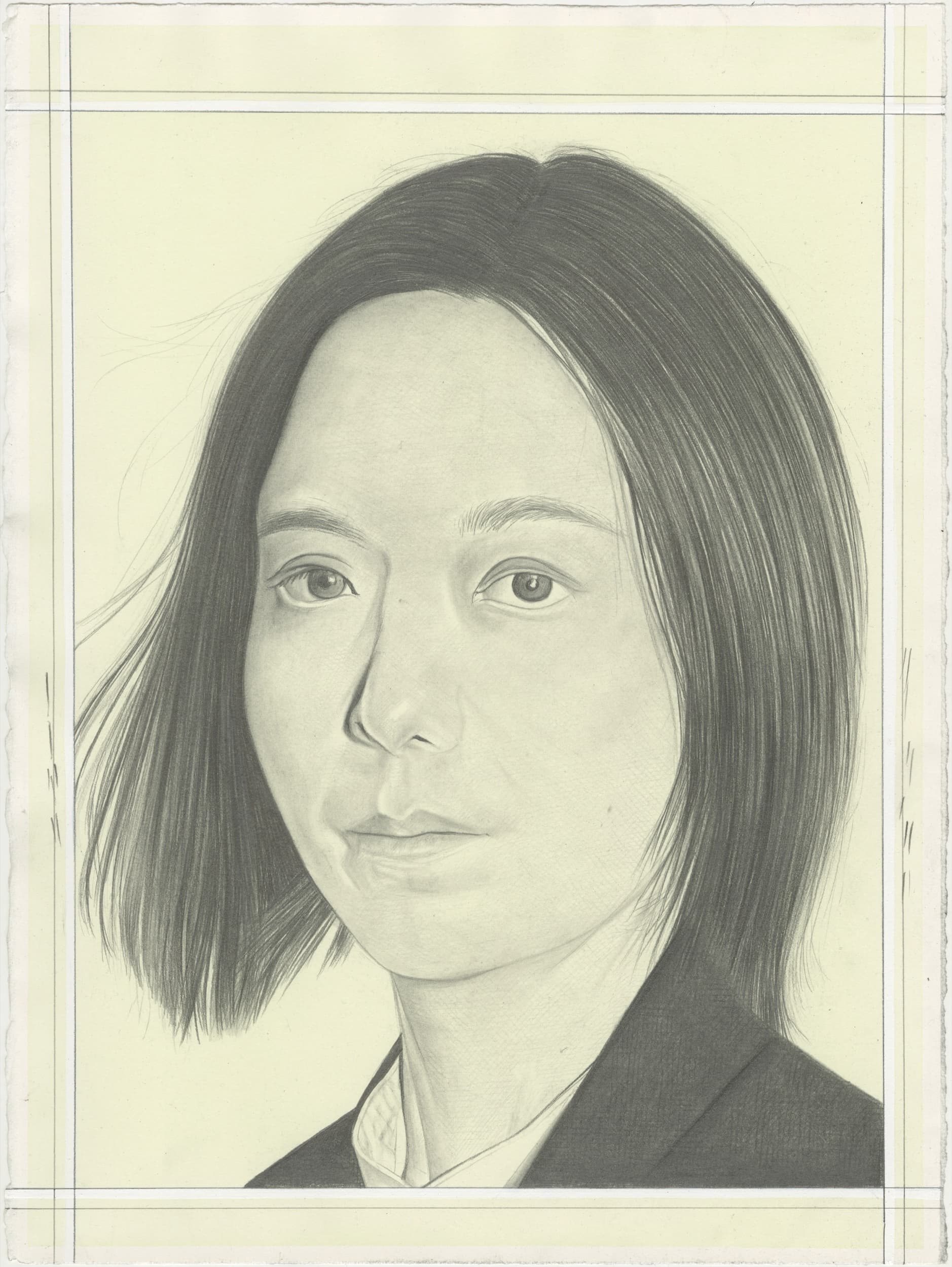
Eana Kim is an art historian and curator based in New York. She holds a Ph.D. from the Institute of Fine Arts, New York University, and teaches modern art history at NYU.
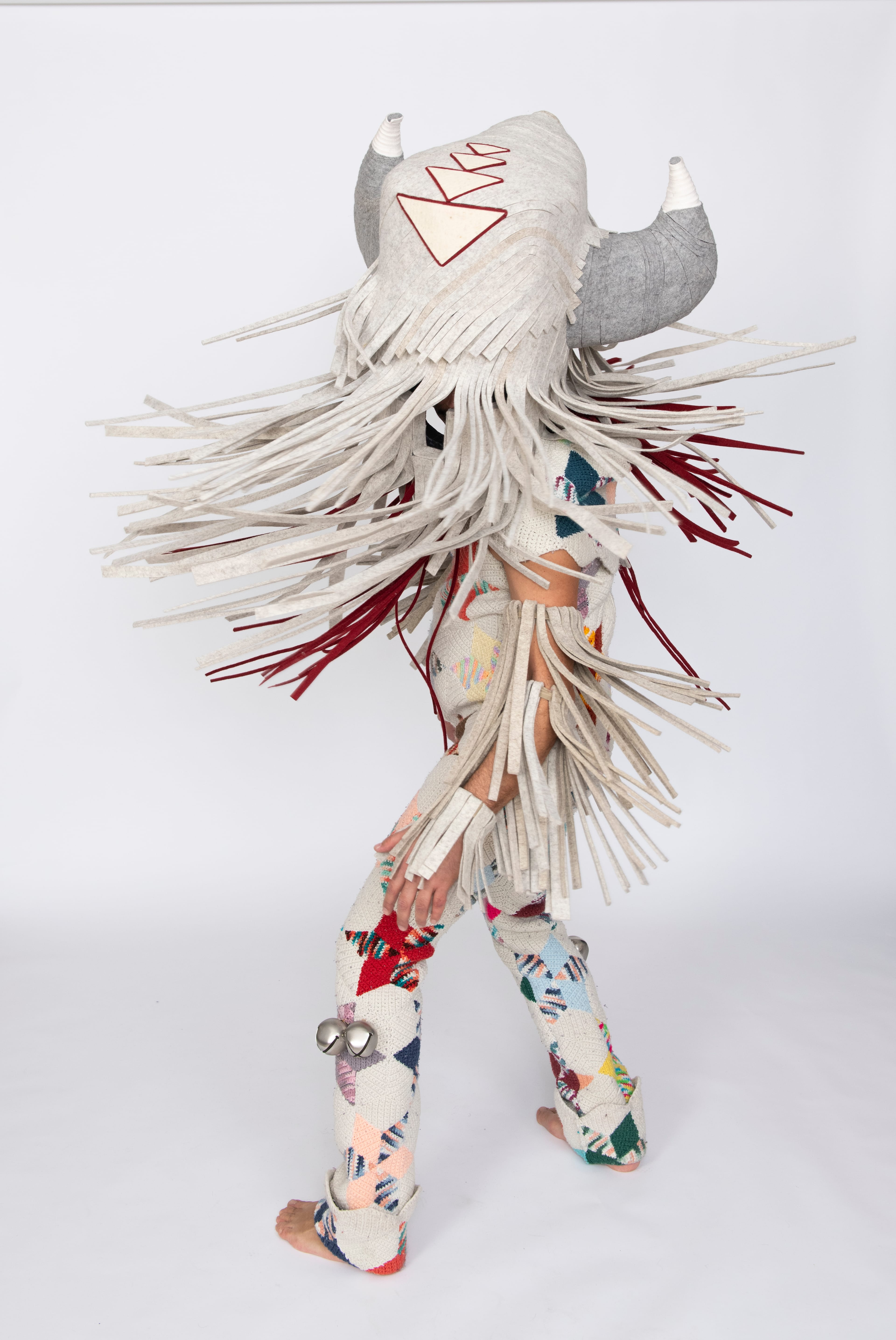
Cannupa Hanska Luger imagines a future that breaks the script. No cybernetic sheen, no techno-utopian glow—rather, clay, willow, blankets, and the cast-off materials of American life.
I met Ayoung Kim at the start of this year in her studio in central Jongno, Seoul, following a fall season in which her work drew significant attention in New York. After a whirlwind of exhibitions and international visibility, encountering the artist at Nakwon Arcade—one of Seoul’s most unassuming yet historically layered sites—felt unexpectedly grounding. I arrived at her compact studio almost by chance, alongside a delivery courier. We pressed the same elevator button, walked the same corridor, and rang the same doorbell. The courier disappeared immediately; when the door opened, I alone stepped inside. The studio’s walls and tables were densely layered with handwritten notes, sketches, and project plans—evidence that beneath the spectacle of recent success, everything still begins here.
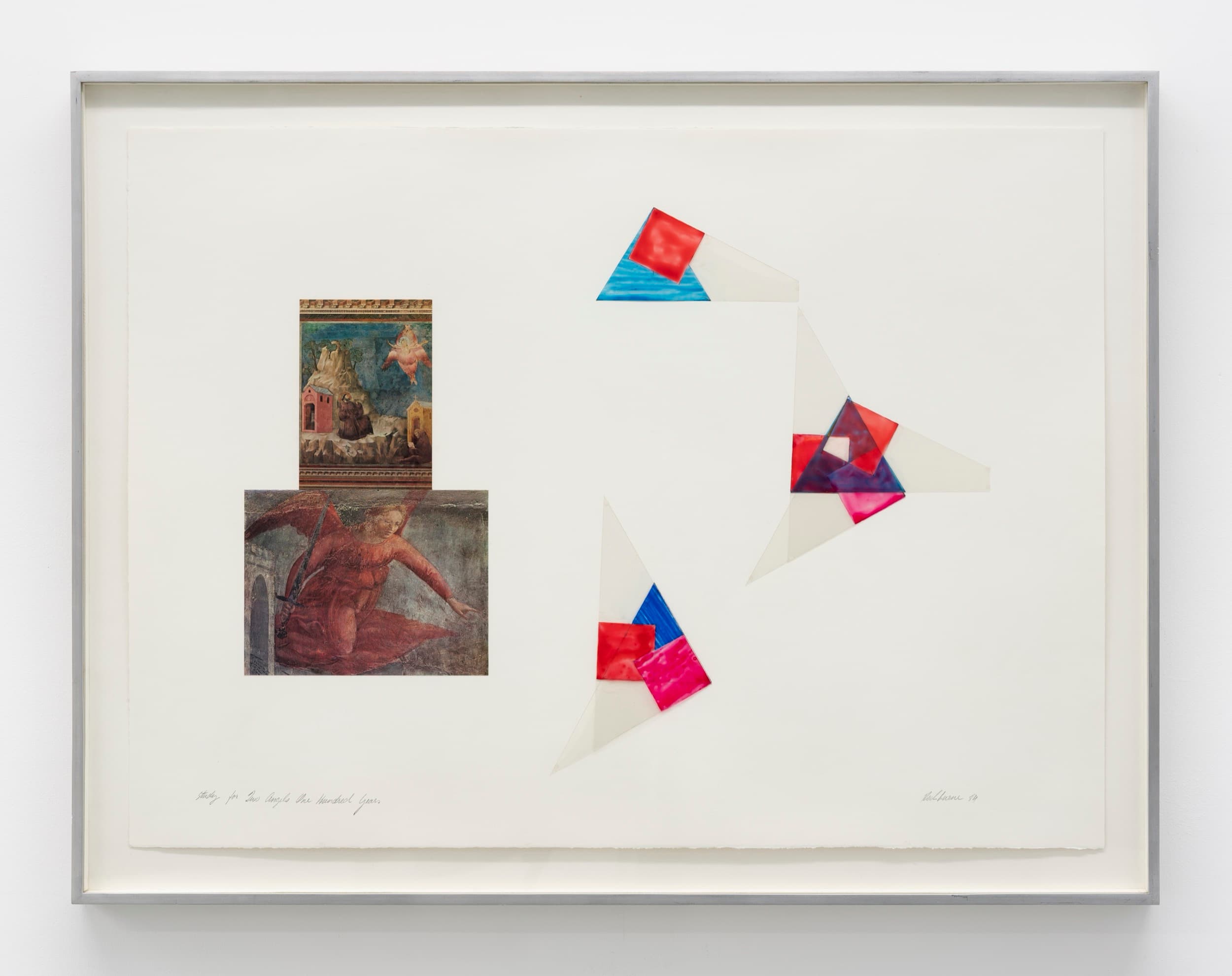
The moment you step into Ulrik, the exchange between Dorothea Rockburne and Hanna Hur feels improbably vast for work so compact.
Step closer, and the face retreats. Lee Yong Deok’s sculptures at Gallery AP Space turn vision back on itself, transforming convex into concave, solidity into void. What appears to emerge from the wall is, in fact, a hollow—an image produced through absence.

“Pása,” Icelandic for pause, could not be more fitting for this year’s Sequences Biennial. At a moment when global biennials often resemble speed tours of spectacle, Sequences invites visitors to do the opposite—to stop, to breathe, to pay attention.

Nathaniel Mary Quinn paints the human figure as fractured yet deeply humane. Since his breakthrough in the mid-2010s, his canvases have staged confrontations of beauty, violence, and memory.

Jack Whitten's commitment to abstraction expanded the conceptual and political potential of painting. For him, painting was a dynamic process of emergence—attuned to quantum rhythms, indeterminate systems, and relational space.

At this time of social upheaval, artist Ai Weiwei’s presence in all his works spanning his four-decade career reverberates more powerfully than ever. Given his fame, Ai, Rebel: The Art and Activism of Ai Weiwei, his first US retrospective in over a decade on view at the Seattle Art Museum (SAM), which features his work in all mediums—crafts, voice, film, sculpture, and activism—feels late, but perhaps has arrived at the most relevant time.

Jasmine Gregory’s exhibition Who Wants to Die for Glamour exposes the lure of capitalism and its forgotten, behind-the-scenes operations, captured in the variety of scraps, debris, and copies—from a makeup palette to perfume, gift wrap, and luxury ads—all of which are made and promoted to brush up on the quotidian reality.

Southern California’s PST ART: Art and Science Collide—a five-month–long exhibition (the largest art event in the United States)—has been releasing a sprawl of dazzling energies from the much-needed collision. Since its opening in September, the spark between the two fields has ignited the wonder of the world, enhanced or challenged by old and new technologies and science.

In a semi-black box theater of the Kravis Studio at MoMA, one encounters a hefty string of mycelial structures dangling from the ceiling in Nour Mobarak's Dafne Phono. The overall mysterious compositions appear as silent props on a stage—but only until one finds out that the mycelial sculptures emanate sounds, specifically human voices.
