Meghan Racklin

Meghan Racklin is a writer in Brooklyn. She writes about books and culture.

In her novel and her stories, Nora Lange is a chronicler of all that is strange and secret about people, mining that strangeness for comedy and pathos.
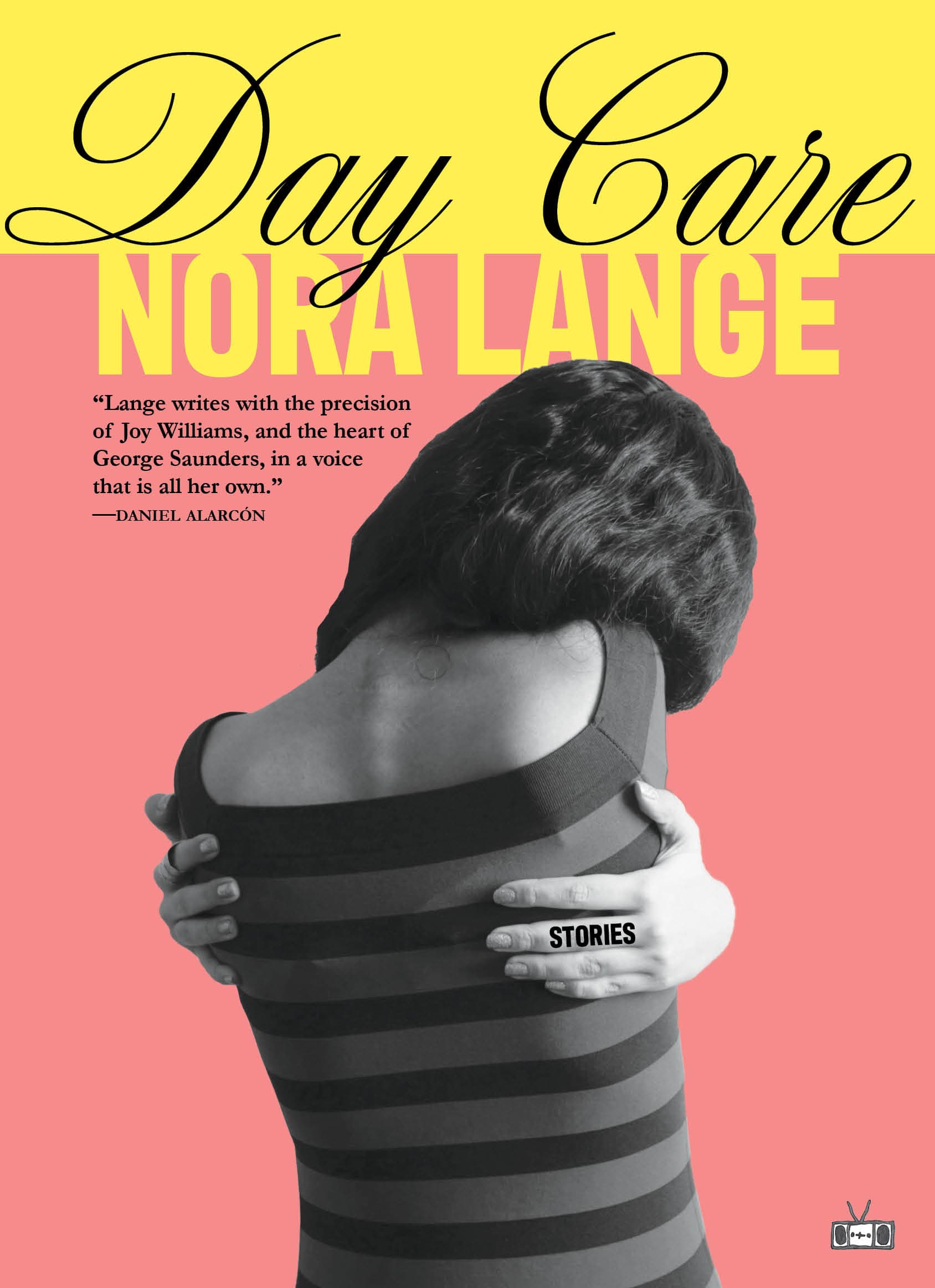
Nora Lange’s Day Care

Helle Helle’s they is equally attuned to mundanity and mortality, which are, perhaps, the same thing. It is a novel suffused with a daily grace, documenting the cozy details of mother and daughter’s life, the small pleasures of cheese toast and comfy clothes, and the way dread thrums alongside dailiness, each giving the other a different cast.
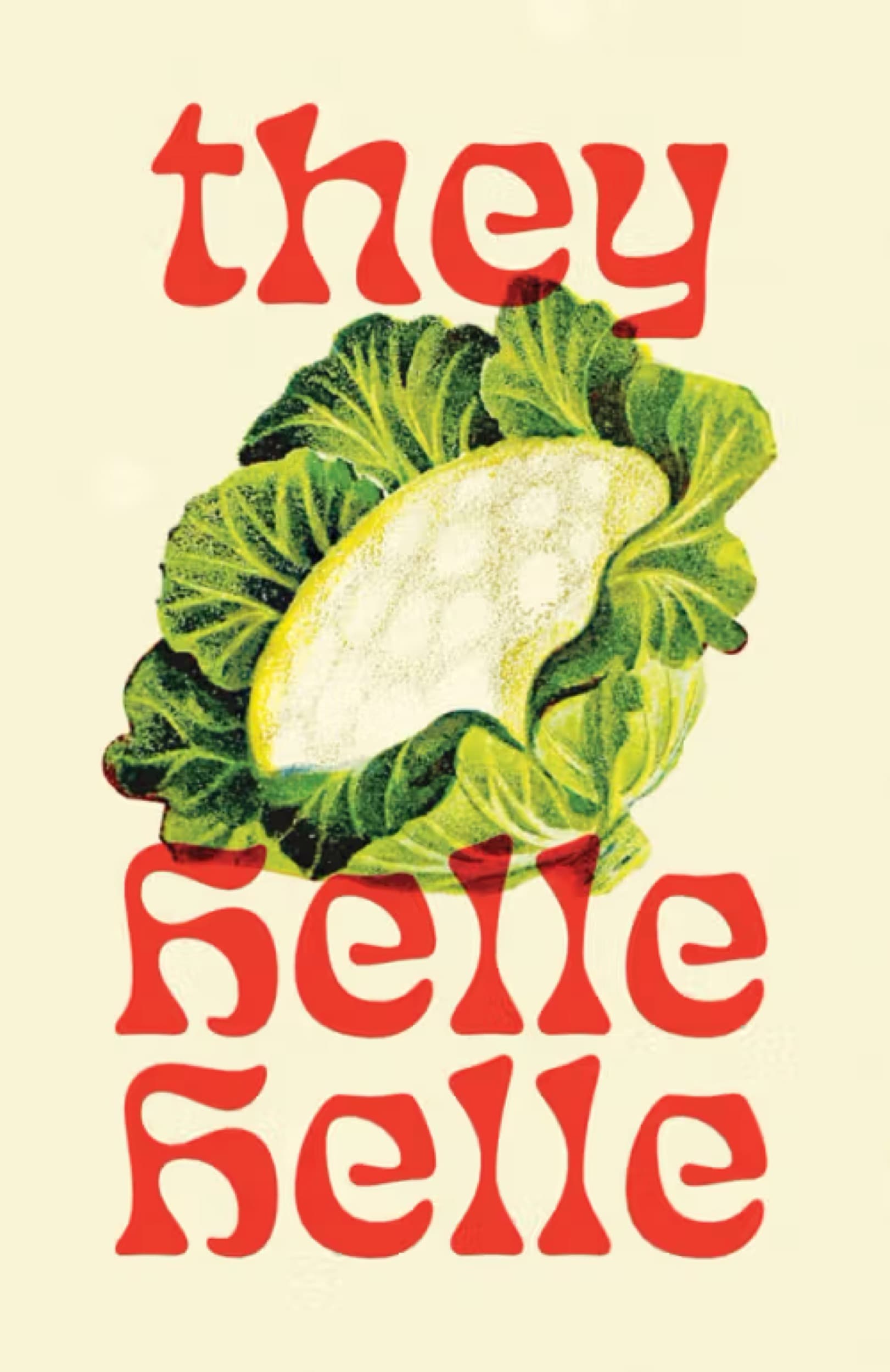
Helle Helle’s they

Not long ago, I found myself near Edinburgh, in a church dating back to the twelfth century. I kept thinking of that church, cold and quiet, as I read Josephine Rowe’s Little World, a compact, sacred marvel of a book about a child “maybe-saint” in Australia.

Josephine Rowe’s Little World

“In general, the world seems like a system of allusions and signs, like Baudelaire’s forest of symbols but with treeless areas,” says Natalia, one of the protagonists of Daniel Saldaña París’s novel The Dance and the Fire, translated from Spanish by Christina MacSweeney. The world is, for Natalia, “a Morse code of objects and people that is only partly legible; a book chewed to shreds by a furious dog.”

Daniel Saldaña París’s The Dance and the Fire

In one of the stories in Thrilled to Death, a newly published selection of stories from her singular career, Lynne Tillman describes Clint Eastwood as “a tall, lean man, who seemed he would never fall, like the Twin Towers.” It’s a very Lynne Tillman joke: only funny because it’s sad.

Lynne Tillman’s Thrilled to Death

It is a story that would be unbelievable if it were not true: a pilot who worked on aeronautical oxygen regulation for high-altitude flying invented the first reliable, mass-produced ventilator because he recognized a commonality between the wings of a plane and the alveoli in our lungs. A man of the air, in every sense.

Jamieson Webster’s On Breathing: Care in a Time of Catastrophe
“Like all Irish Catholic families, mine was suspicious of admitted alcoholics,” says Dennis Monk, the narrator of Michael Deagler’s Early Sobrieties. This is a problem, because Dennis Monk is newly sober and staying with his parents in the Pennsylvania suburbs. “An admission of alcoholism meant that a frank conversation was about to be had, and an Irish Catholic family abhors nothing so much as a frank conversation.”
Michael Deagler’s Early Sobrieties
There are two ways of denying reality: silence and sensationalism. This is the subject of Megan Nolan’s sophomore novel, the story of a child killed on a British council estate and the Irish immigrant family of Lucy Green, the little girl suspected of the crime.
Megan Nolan’s Ordinary Human Failings
Anne Serre, the story goes, wrote her first novel in an effort to seduce a teacher of hers—whether this is true or just a tale she likes to tell is somewhat beside the point, this being the perfect creation myth for a writer supremely attuned to the things fiction can and cannot accomplish. A Leopard-Skin Hat, the fourth book by Serre to be translated into English by Mark Hutchinson, is, like Serre’s other work, exuberantly anti-realist and avowedly fictional.
Anne Serre's A Leopard-Skin Hat
“Our toddler is now at an age where she’s likely to feel a sensitivity to Small Objects,” Kate Zambreno writes in The Light Room, her new memoir about caring for her two small daughters early in the COVID pandemic and amidst the ongoing disaster of climate change. With schools shut down, she develops an obsession with child development and progressive education methods—it is from Maria Montessori that she learns that children go through many “Sensitivity Periods.”
Kate Zambreno's The Light Room

Close

Home