Henry Hicks IV
Henry Hicks IV (he/him) is a Washington, DC-based writer and organizer. A graduate of Oberlin College and a Harry S. Truman Scholar, his work has appeared in The Guardian, Mother Jones, The Drift, In These Times, and more.
There are lessons to be learned in Tolani Akinola’s debut novel, Leave Your Mess at Home.
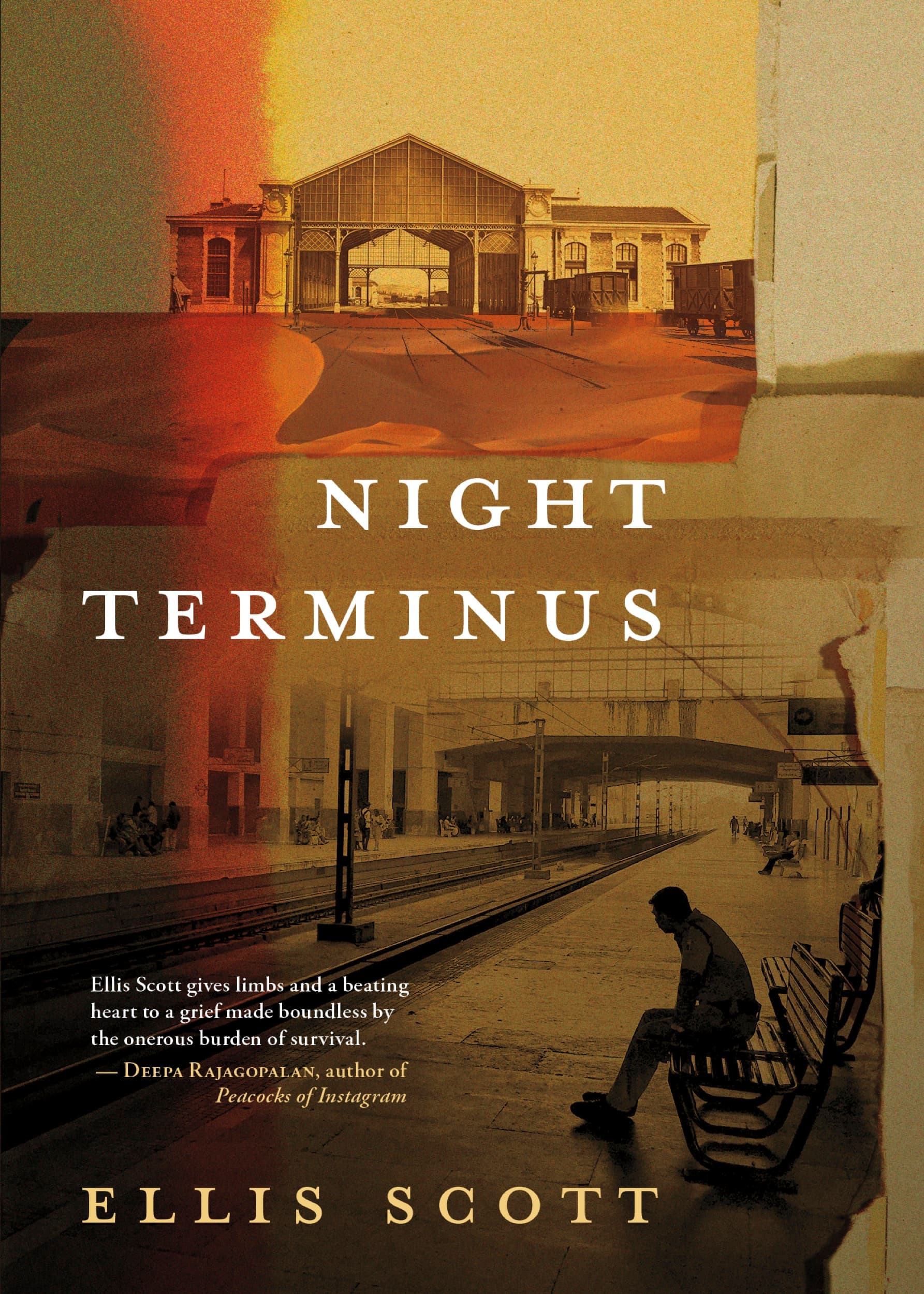
Queer literature can oftentimes feel lonely. In perusing through the canon of queer stories, you’ll find no shortage of novels or short stories within isolation. In some ways, this is the obvious approach. The form creates limits. You only have so much room on the page. Night Terminus, however, resists this.
Touching on themes of intimacy and conflict, identity and becoming, Palaver is ultimately a story about family—in every sense of the word. On the occasion Palaver's publication, Bryan Washington and I spoke about his approach to writing, his taste in music and film, and being okay with unanswered questions.

Minor Black Figures, Brandon Taylor’s third novel, follows Real Life and The Late Americans in offering reflections on art and culture, race and identity, and the way in which we connect to one another.

The premise of Deep House: The Gayest Love Story Ever Told is simple. Jeremy Atherton Lin displays two parallel, interwoven narratives: a sprawling memoir of his love story with his long-term partner, and a historic overview of the complicated and winding debate over gay marriage. In his first book, Gay Bar: Why We Went Out, he took a similar approach, exploring queer history through a more personal lens. But don’t be confused. Despite the expectation, Deep House is more than a historic archive or a love-obsessed confession.

In the case of Open, Heaven, a reader might expect to have a steady grasp on Hewitt’s narrative before it can even begin; however, the novel reaches beyond assumption in its ingenuity. Hewitt doesn’t make an attempt at overturning the trope, but rather tactfully distills it.

Death is at the center of Sam Sax’s Yr Dead. The poet’s debut novel is, after all, a nearly 300-page meditation on the very process of dying. Sax has never been one to shy away from ambition in their poetry, often tackling imposing subjects through lyricism and extended metaphor.

Bluff is a sharply-focused feat, meditating on grief, home, the next world—both here and thereafter—and most unexpectedly, guilt.


