Daniel Pateman
Daniel Pateman is a freelance writer based in the UK. He has an MA in Contemporary Literature and Culture and writes for Aesthetica magazine, Photomonitor, Eyeline, and This is Tomorrow among others.
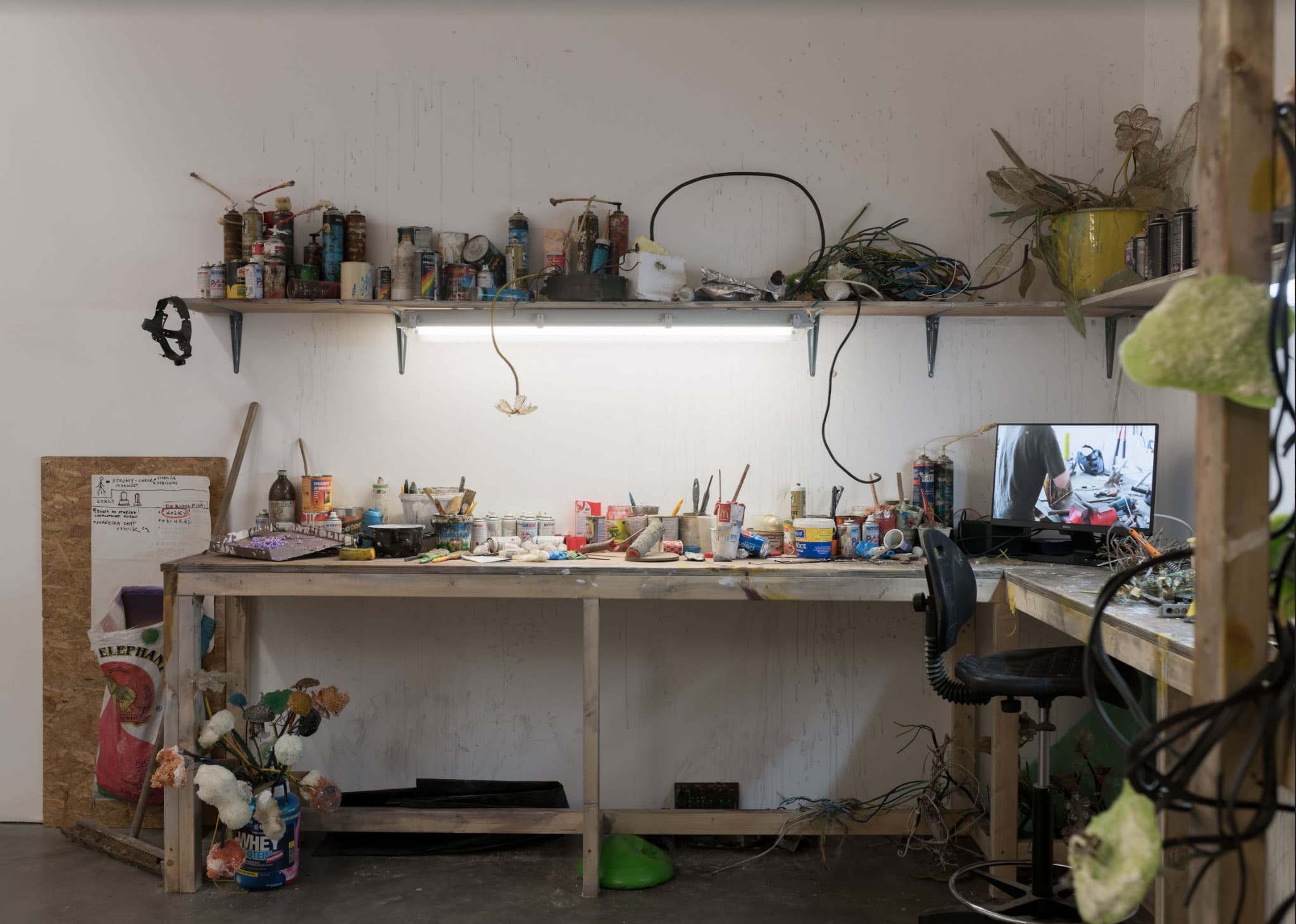
THE END OF FUN! opened at Birmingham’s Ikon Gallery during the Coronavirus pandemic in September 2020, then the largest exhibition of work by Czech artist Krištof Kintera in the UK. Curated by Melanie Pocock, it engaged with topics of environmental degradation, waste, technology and the natural world, although in a mode of compelling ambiguity rather than strident didacticism.
Barbican curator Alona Pardo has united more than 50 artists of different gender identities, sexualities, ethnicities, and cultural backgrounds, whose divergent approaches—spread across six themed sections—challenge a singular, prescribed definition of masculinity. Rigorously exploring how it has been imagined, socially constructed, and performed from the 1960s to today, this timely show is an ambitious testament to the breadth of male experience.

Facilitated by non-profit organization NEON and curated by art historian David Anfam, the show unites 36 of the artist’s singular creations, beguiling and bewitching with their evocation of fluid transformation. Carefully chosen, the works celebrate the sensual materiality characteristic of Benglis’s oeuvre, while also highlighting the influence of both modern and ancient Greece on her artistic practice.
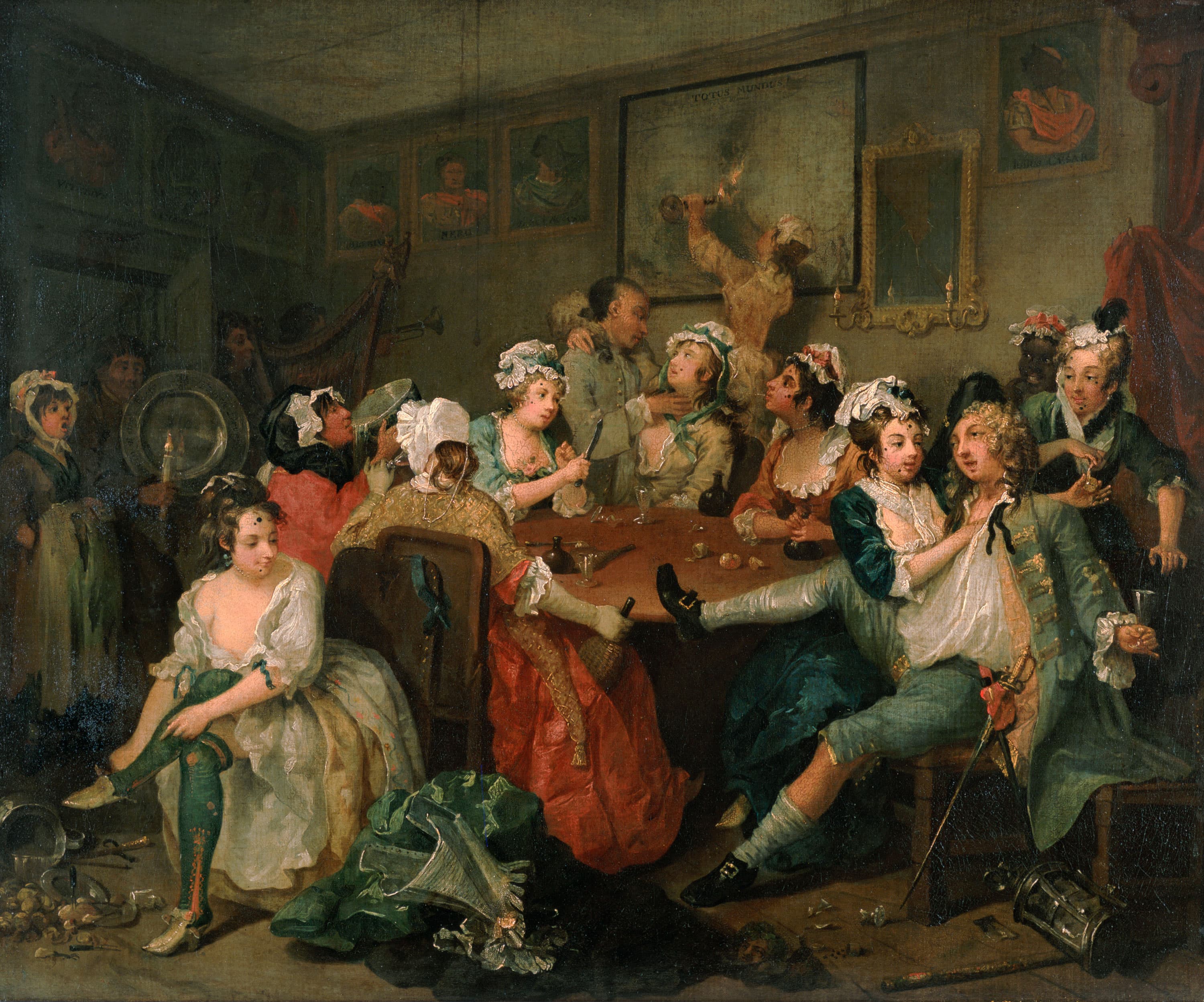
William Hogarth’s ‘Modern Moral Subjects’ have been brought together for the very first time, in the former residence of Sir John Soane. Loaned from institutions across the country, these paintings and engravings dramatize the grubby reality of 18th century London, while retaining a contemporary charge, despite their conception some 280 years ago.
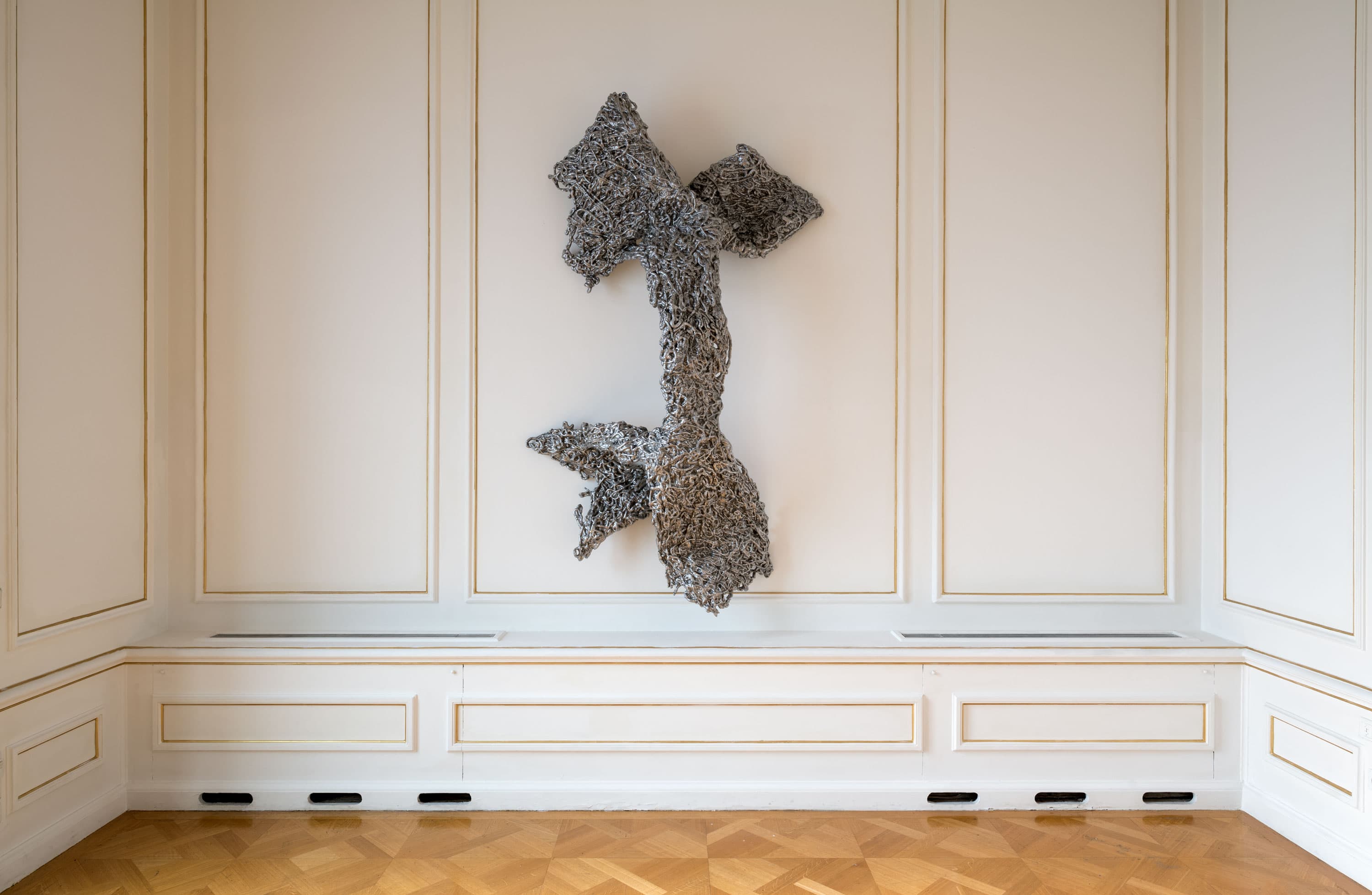
Antony Gormley at London’s Royal Academy is a confounding bundle of contradictions. With this solo show—the artist’s most significant in the UK for over a decade—curators Martin Caiger-Smith and Sarah Lea have united iconic older works with newly commissioned pieces, arriving at a blend of the imposing, the minimalist, and the aesthetically austere.

Leaching the prismatic splendour from his landscapes, Doug Fogelson’s latest additions to his “Chemical Alterations” series combine the photographic with the painterly, the representational with the abstract.

Gray reality with a streak of pink exuberance, themes of protest and popular culture, monochrome photography and full color: Urban Impulses sets up these structural dichotomies and largely manages to reconcile them.

The still life painting—that most quotidian of art genres—is given a modern makeover in Hauser & Wirth’s latest exhibition

Channelling the influence of Iranian culture through an eclectic array of artistic approaches, curator Ziba Ardalan unites nine early to mid-career artists born in Iran but in several cases, living across the globe.

Each artist honors a legacy of mark-making in their work: finding inspiration in the cave petroglyphs of our most distant ancestors; the mutable materiality of the urban environment; and the accumulated etchings of the city milieu.

On the threshold of "a dream of countless doors," Dorothea Tanning looks out towards us bare-chested and forlorn, standing behind a strange winged-lemur and wearing a theatrical jacket from which a profusion of roots descends.

Immediately upon entering Waddington Custot gallery, photographer Nick Brandt's series "This Empty World" dazzles with its imposing scale, colorful detail, and technical ambition.

Commemorating the centenary of the armistice of the First World War, the Tate Modern presents Magic Realism: Art in Weimar Germany 1919 – 1933. Comprised substantially of loans from The George Economou Collection, the show attempts to revive the overlooked artistic term Magic Realism, while also exploring the changing fortunes of the short-lived Weimar Republic.

Alluding to Charlie Brooker’s dystopian TV series, Black Mirror primes the viewer for a dark and critical engagement with contemporary culture and technology. Unfortunately, those expecting a dark vision of our politically fragmented and technology obsessed times are likely to be disappointed.
