Ara H. Merjian
Ara H. Merjian is an art historian and Professor of Italian Studies at New York University.
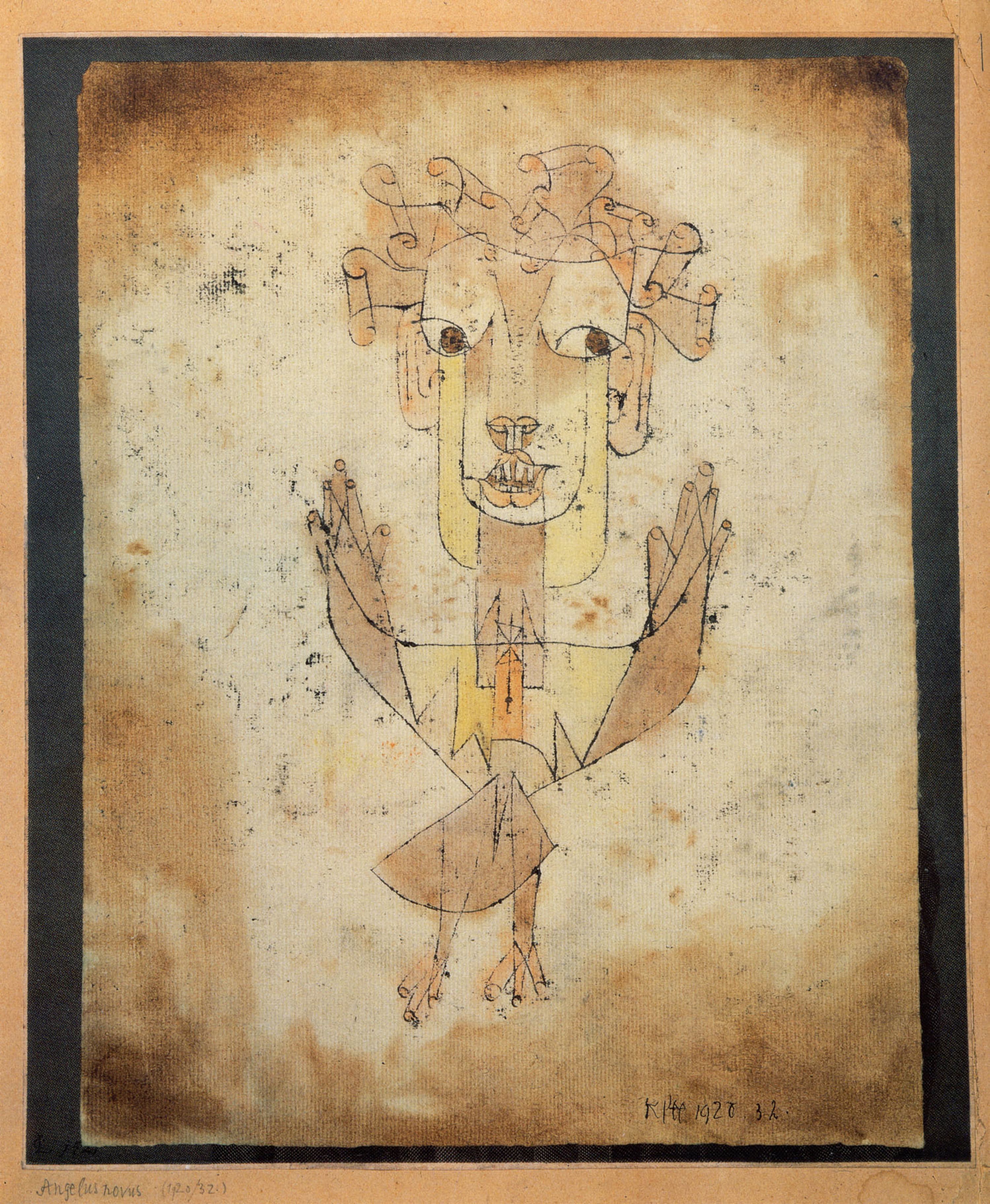
Having exited a rousing concert in the Jewish Museum’s second-floor event space, a teenage girl burst through the galleries of the Paul Klee: Other Possible Worlds exhibition nearby, querying the security guard on hand—“What is this? Is it Jewish?”—before dashing off as he (justifiably) shrugged his shoulders.
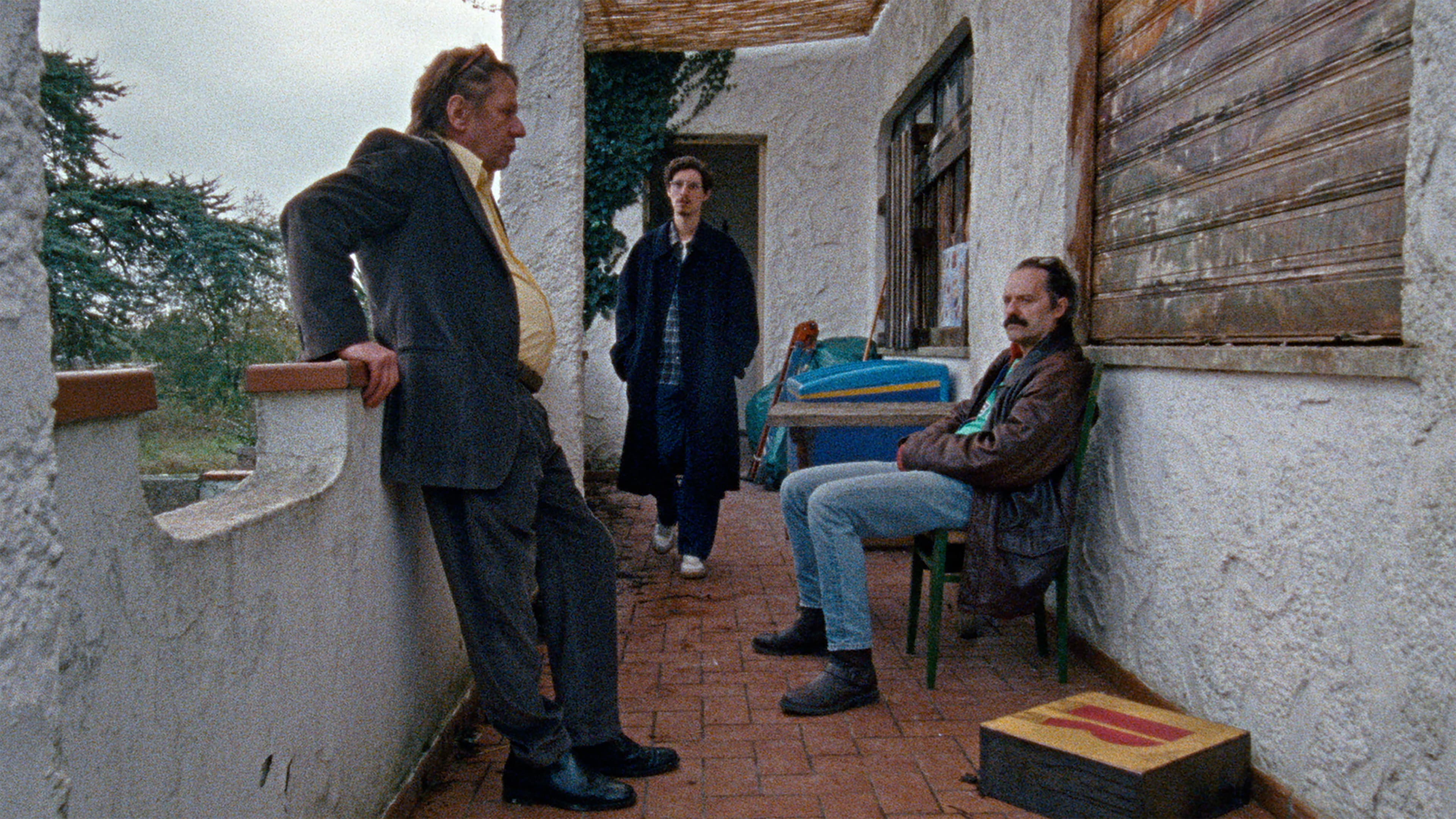
The three central protagonists differ significantly in temperament and trajectory, from the two roguish and affable middle-aged men, Carlobianchi and Doriano, to Giulio, the Neapolitan architectural student whom they befriend and help to “come of age” with encouragement both sentimental and sexual. By turns hard-bitten and caricatural, the lessons they teach their young charge occasionally brush up against the cliché. Yet the film’s peculiar mix of cynicism and insouciance, along with some striking cinematography, rescue it from platitude.
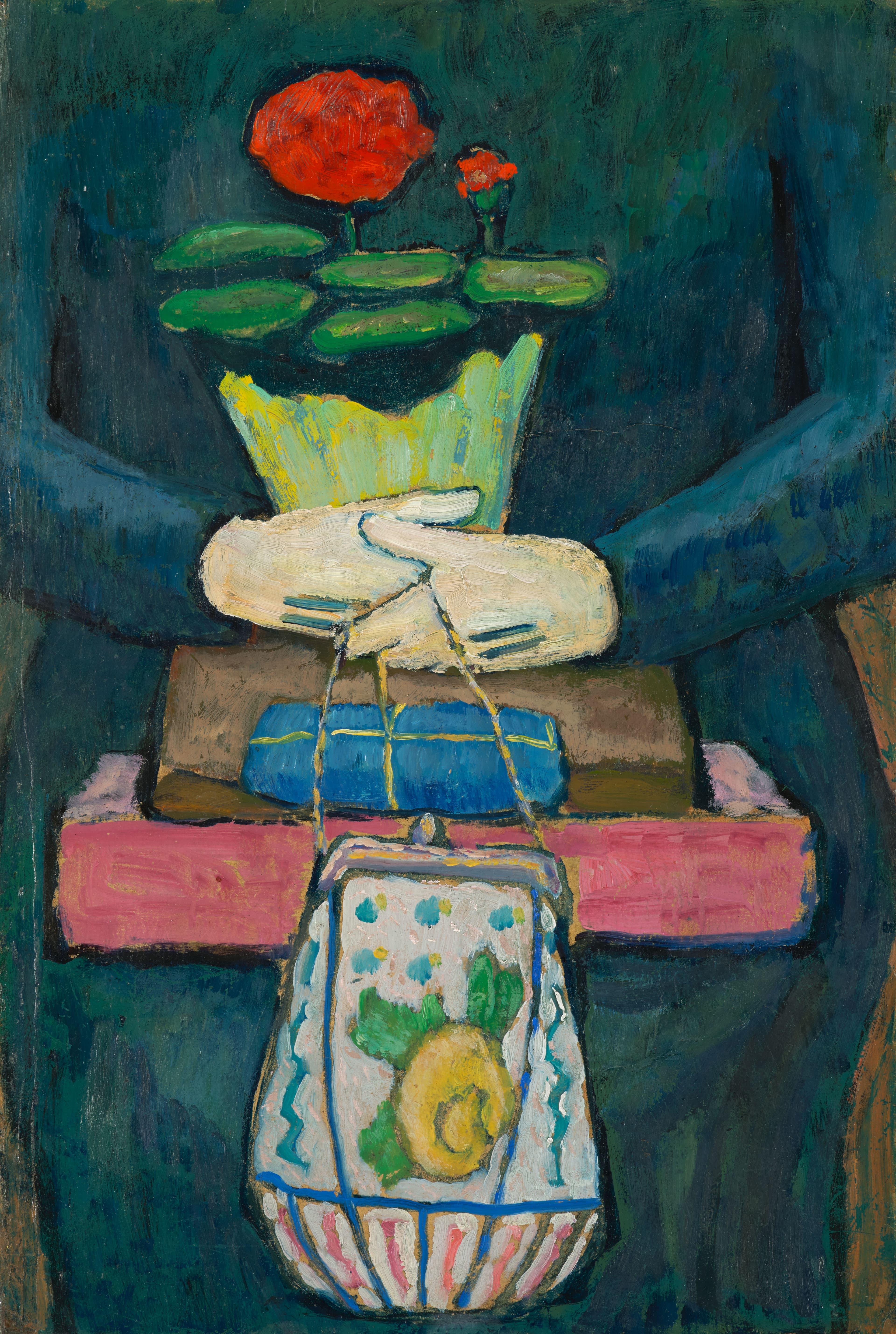
This Guggenheim’s survey helps place Münter (1877–1962) back at the center of modernism’s early twentieth-century development—a role still frequently eclipsed by her erstwhile partnership to Wassily Kandinsky and his outsized legacy.
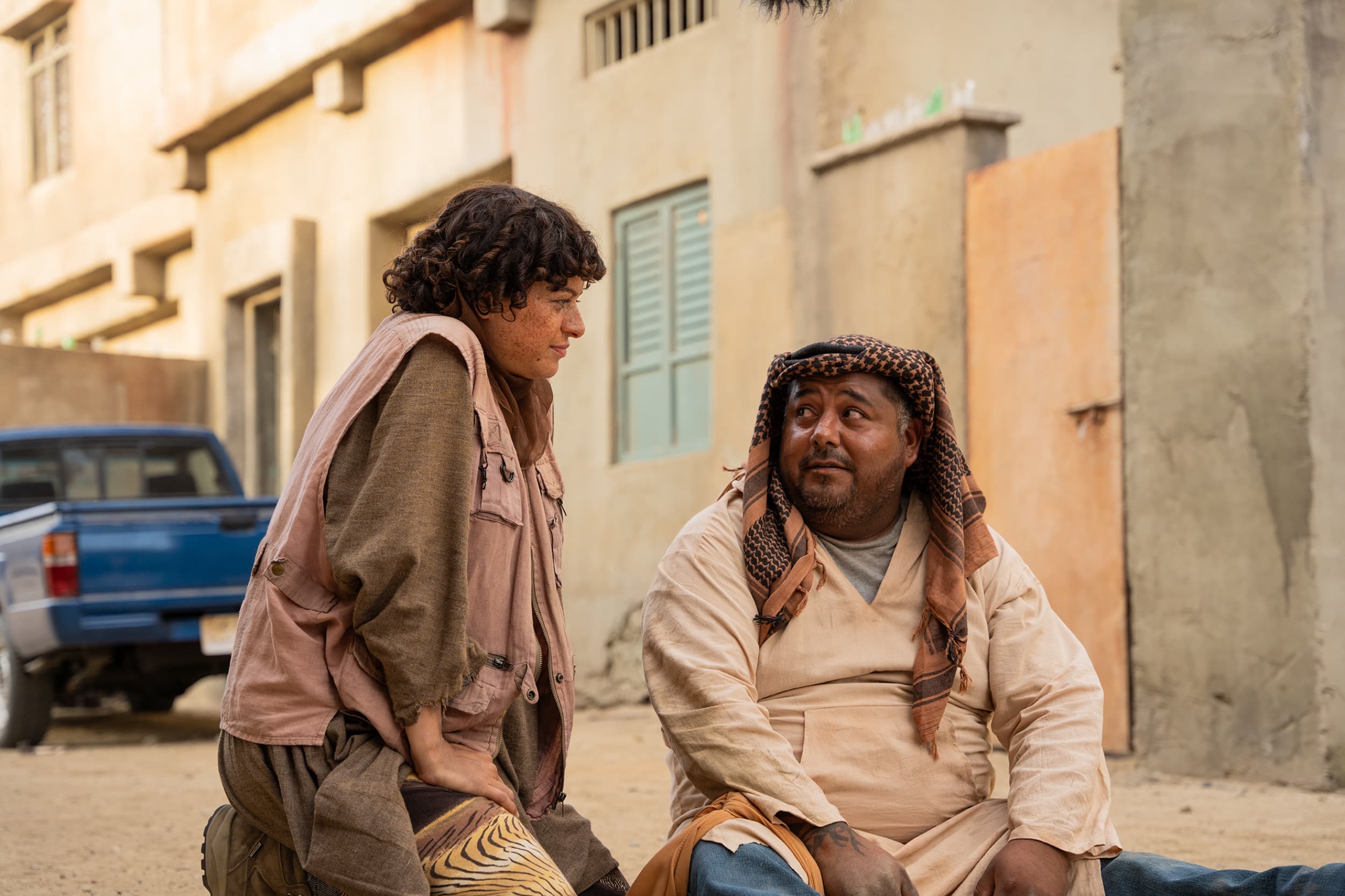
Stocked with a rotating cast of mock-Middle Eastern actors, the simulated villages stage “live-play scenarios” for soldiers on the ground: chief among them, locals recusant in language, cooperation, and attitude. It is in one such faux village, named Medina Wasl, that Atropia is set.
Opened recently, the Shepherd is one of a thriving set of non-profit art centers on Detroit’s east side, from LANTERN to the Progressive Art Studio Collective. If its religious origins persist only in name, the Shepherd remains a lively site of community congregation—Seen/Scene adds a thoughtful chapter to that history.

First mounted at Vienna’s Museum moderner Kunst Stiftung Ludwig Wien (mumok), this stimulating exhibition reveals the breadth and depth such appreciation came to take in the century to follow.
![Medardo Rosso, Bambino malato [Sick Child], 1895. Gypsum plaster, 6¾ × 7¾ × 7 ½ inches. Credit Museo Medardo Rosso, Barzio, Italy. Photo: mumok / Markus Wörgötter.](/_next/image/?url=https%3A%2F%2Fstudio.brooklynrail.org%2Fassets%2Fe8be9f2a-2c00-44d0-8a91-cd26a51aef13.jpg&w=3840&q=75)
Bruce LaBruce’s The Visitor (2024) opens with a screen of electric yellow, the words “To PPP” emblazoned in bright red. The film’s debt to Pier Paolo Pasolini—more specifically to his Teorema (1968)—thus appears spelled out from the start. Its precise relationship to the original remains, however, fittingly provocative.

![Giorgio de Chirico, Interno metafisico (con piccolo officina) [Metaphysical Interior (with Small Factory)], 1917. Oil on canvas, 18.1 × 14.2 inches. Private Collection. © 2016 Artists Rights Society (ARS), New York / SIAE, Rome.](/_next/image/?url=https%3A%2F%2Fstudio.brooklynrail.org%2Fassets%2F11b50fea-3319-45e6-a6dc-179af09fe15a.jpg&w=3840&q=75)