Wally Lamb’s The River Is Waiting
Word count: 987
Paragraphs: 12
The River Is Waiting
Scribner, 2025
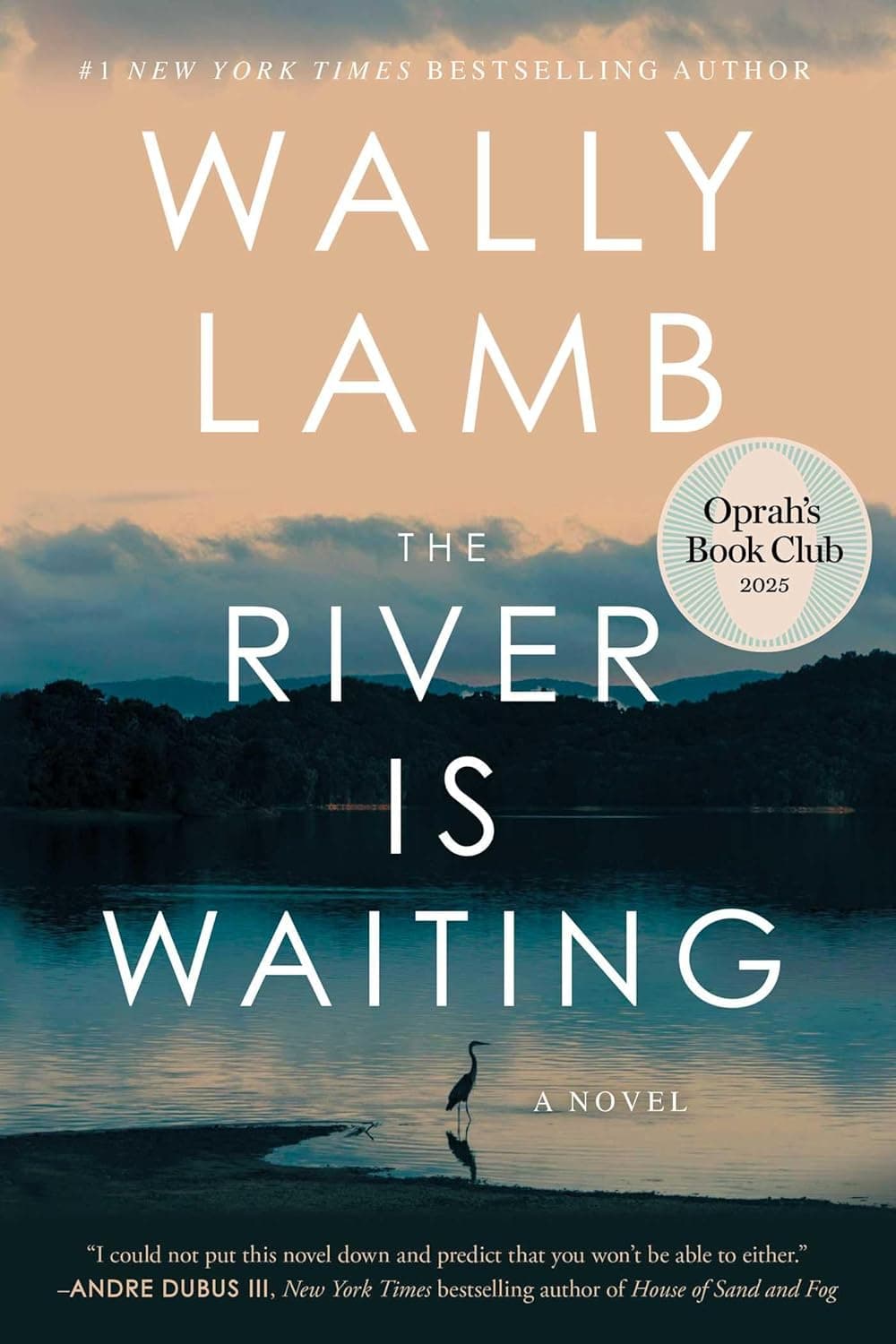
Forgiveness can sometimes feel unachievable. Forgiving someone else for causing harm can be hard, but forgiving yourself for inflicting it is even harder. Bestselling author Wally Lamb explores the idea of forgiveness in his latest novel, The River Is Waiting (a recent Oprah Book Club selection), which depicts the fallout from an unthinkable accident that changes one family forever, and tests whether a husband and wife are able to forgive themselves and the other.
After losing his job in the art department of an advertising firm, Corby Ledbetter relies on benzodiazepines and alcohol to get him through the day, trying his best to keep his habit hidden from his wife Emily. Yet, as a stay-at-home parent to two young twins, this secret obsession becomes more frightening and serious: “I take an Ativan and chase my morning coffee with a couple of splashes of hundred-proof Captain Morgan.… Then I fill the twins’ sippy cups and start making French toast for breakfast.”
The humdrum routine of the day-to-day combined with Corby’s depressed state of mind and the young children’s complete dependence on their father, all cause the reader to be more and more on edge until the worst nightmare of an accident a parent can imagine happens. After which, all of Corby’s hidden addictions become public in the most horrific way possible: he reverses the family car over his infant son as the neighbors watch on in horror screaming and gesticulating, which is lost on the intoxicated Corby.
It feels nearly impossible for forgiveness to ever come for this family. It’s hard not to side with his wife, Emily, throwing blame on Corby for getting behind the wheel while being under the influence of drugs and alcohol, and killing their son. But in Lamb’s careful, unjudgmental hands, it’s also difficult not to consider Corby’s excruciating pain and terrifying guilt at causing this accident. How can he even have the space to grieve when all his energy is taken up by the burden of dealing with what he did?
Corby is sentenced to three years in prison, which may or may not seem like justice served. Corby, a straight white male in his thirties, encounters men of color in this all-men’s prison who are serving life sentences for oftentimes less severe crimes. Teaching within a correctional facility has allowed Lamb to offer some powerful, closely observed insights into everyday prison life within our often-unfair justice system. He portrays the daily boredom the inmates experience as well as the brutal bullying that is perpetrated by both fellow inmates and prison guards. It is unsettling and even disturbing, yes, but, unfortunately, not uncommon.
Most of the book is written while Corby is in prison, counting down the days until he is released back into the world in hopes of winning his wife back and seeing his remaining little girl, Maisie. At 480 pages, Corby’s days can often feel a bit monotonous, until of course, they aren’t. During his time locked away, the reader witnesses the horrors of incarceration and the power and corruption that can go along with it. However, more positive themes are also explored, including spirituality and art-as-redemption, especially when Corby gets a chance to use his creativity to help inspire and offer hope for those in prison. Friendship and queerness are major topics that we see between Corby and his cellmate Manny, a gay man whom Corby initially feels uncomfortable with, then ultimately trusts with his deepest secrets.
Whether slipping it in as a period reference or diving deep into the angst it brought to humanity, writers seem to be bringing in COVID as a subject more and more lately in publishing. Lamb brings us back to this time by shedding light on how it was for inmates who were in close proximity to one another and were at increased risk of contracting the virus without getting the help they may need.
Emily’s anger toward Corby is prevalent throughout the novel, which many readers can undoubtedly understand. She has yet to forgive him—that is until she learns of Corby’s life in prison told through another character. The discovery of the brutality unleashed against him and the good he tried to do while imprisoned causes Emily to soften and eventually see a new version of Corby and allow her to forgive him as well.
Corby, also, has a difficult time forgiving himself. In prison, he tortures himself by reliving that tragic day when his family changed forever, and it’s hard not to sympathize with him in these moments. After all, he is a father, a human being, who messed up without ill intention. It was a horrible accident, to say the least, one Corby has to live with forever after. We see his internal struggle of continuously comparing himself to his intimidating and absent father: “What good does it do to keep prosecuting him when I’m here because of my own way-more-colossal failure of a father?” It’s harrowing to read but such moments deepen and even possibly redeem his character. At the beginning of the novel, Corby succumbed to playing the victim with his job loss and feeling inadequate as a husband, a provider, and a man, but time in prison allows for an awakening: to take responsibility and move past blaming others, and ultimately work towards accepting blame and then forgiving yourself.
Lamb’s writing is clean and simple, evoking emotional resonance and depicting sensory details vividly, making for an easy story to get lost in. Even at its length, it won’t take long to devour this book. Lamb’s ability to capture the human spirit while probing difficult subjects and themes allows a comfortable and heartening balance. He shows us that not all is gloom and doom, and beyond tragedy, you can still walk away feeling consoled and reassured that some good may be left in this world.
Carissa Chesanek is a writer in New York City with an MFA from The New School. Her work has appeared in Electric Literature, PANK Magazine, The Rumpus, among others.