Paul Rodgers
Paul Rodgers is an independent writer with a focus on the history of modern art. This extract serves as the introduction to his forthcoming book Simon Hantaí and the Modern Aesthetic, to appear in the fall 2026.
Friedrich Nietzsche, in the Birth of Tragedy (1872), clearly asserts that there is a conflict between art and science. The issue was explicitly remarked by the Nietzsche translator and commentator, Walter Kaufman, in a footnote to his edition of The Gay Science,(Book Two, footnote 57). This later book, written between 1882 and 1886, prompts Kaufman to forthrightly make the claim: “it was there that he (Nietzsche in The Birth of Tragedy) first raised the problem of the relationship of art to science.” A commentator today might feel some surprise at learning of this. The current record of philosophical thought since 1872 has hardly acknowledged that an epistemological schism has taken place. Such has been the effacement of aesthetic thinking in modern culture.
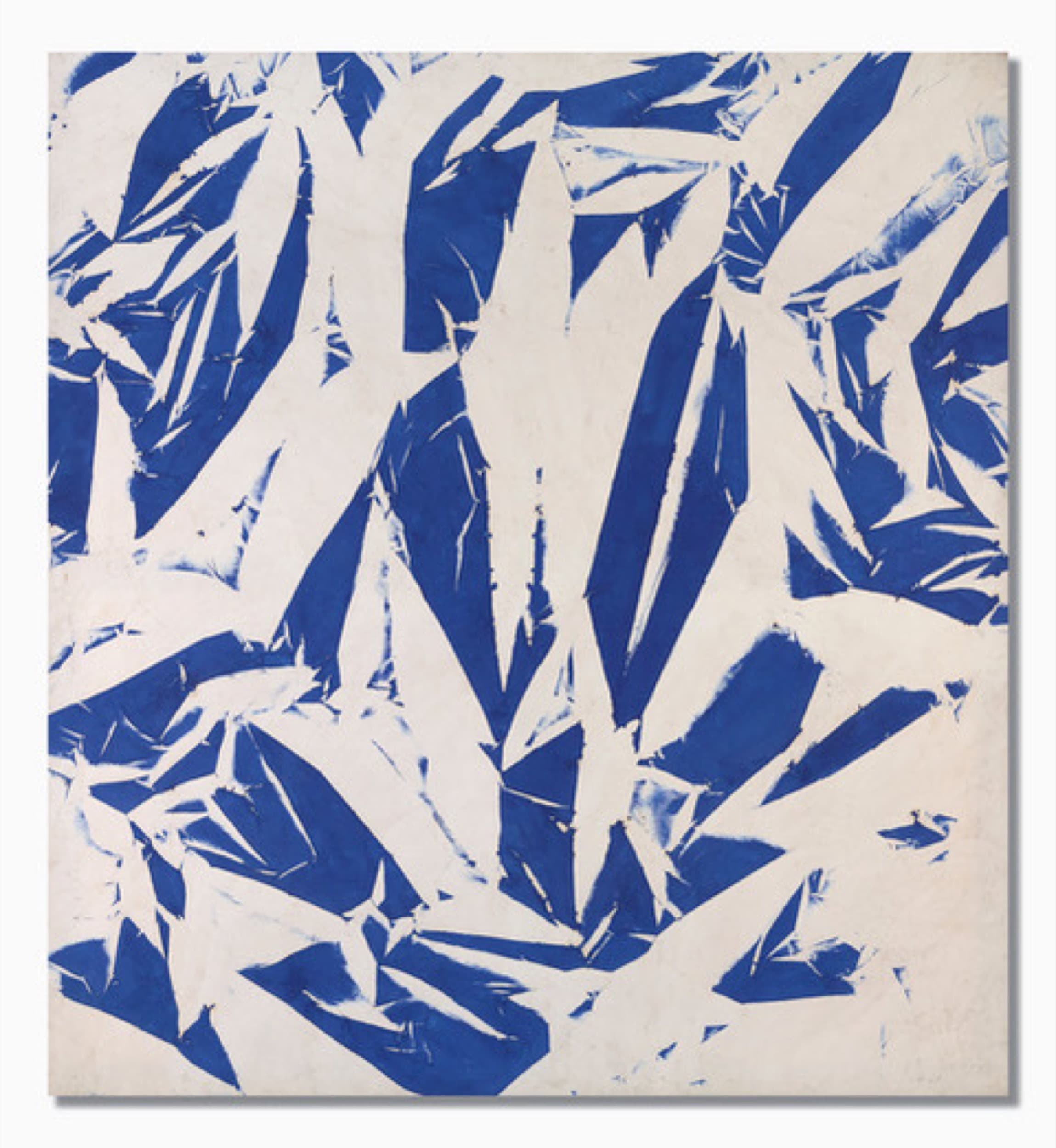
The phenomenon which interests me is modern art. It is the great art of our time. I think it is a much larger affair than we want to acknowledge. It constitutes a new form of art and a new way of thinking about art and the world. Today, it is a tradition of two hundred years and counting. I believe it has not run its course; though, I acknowledge, the majority of contemporary artists lack the ability, for the moment, to think about it and seem unable to practice it. The result is that we get a lot of very bad art out there.