Payton McCarty-Simas

Payton McCarty-Simas is an author, programmer, and film critic based in NYC. Payton’s writing has been featured in The Hollywood Reporter, RogerEbert.com, and others. She’s also the author of two books.

Ducournau’s adroit play with ambiguity previously earned her the Palme d’or for Titane in 2021. Here, though, she’s succumbed to her worst impulses. Wildly over-burdened with meaning while simultaneously leaning far too heavily on the concept of ambiguity, Alpha finds itself infected by its own contradictions, its promise utterly hijacked by its commitment to the systems of meaning it ostensibly seeks to collapse.
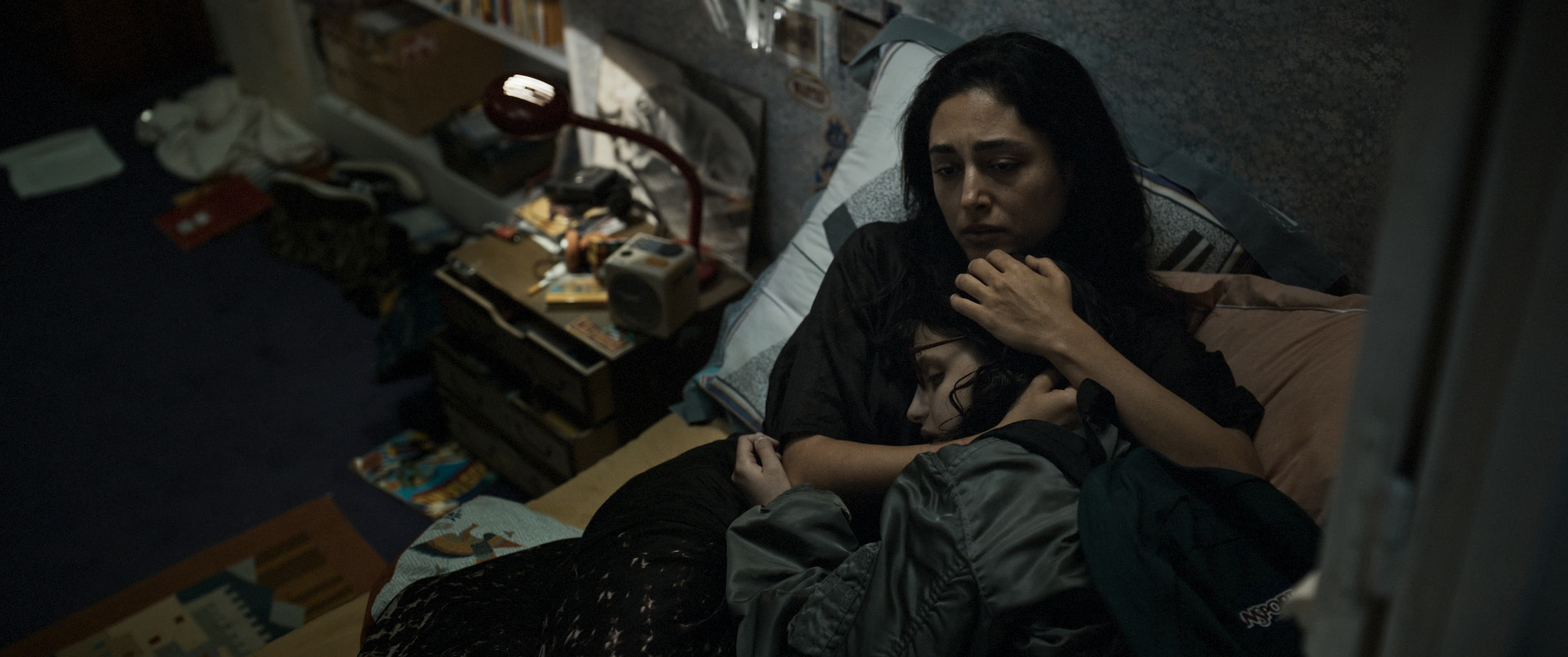
Julia Ducournau, Alpha, 2025. Courtesy NEON. © Mandarin & Compagnie Kallouche Cinema Frakas Productions France 3 Cinema.

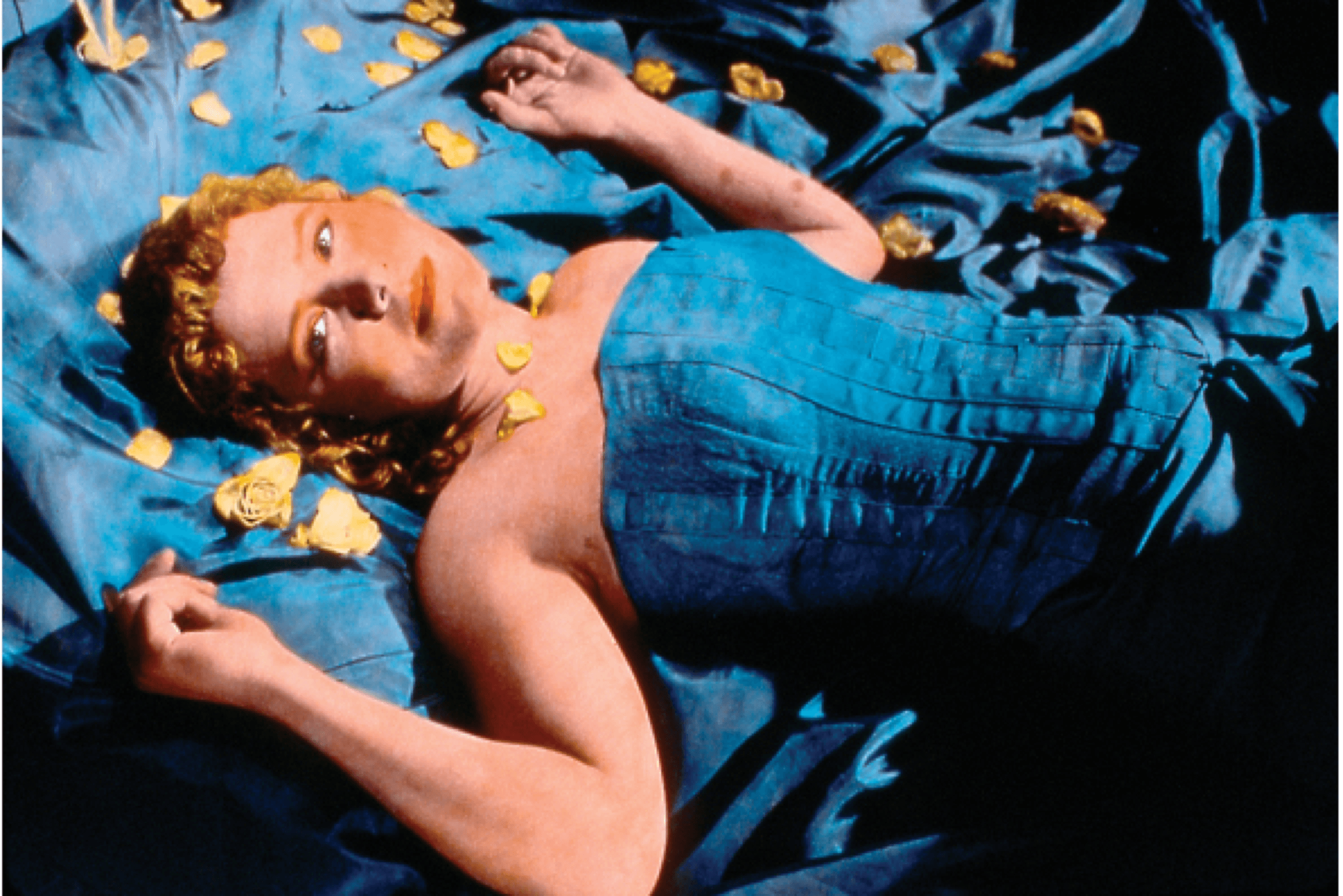
The emotional power Pink Narcissus brings to its blend of breathtaking sensual delicacy and the gaudy pleasures of a raucous vaudeville revue serve as a testament to Bidgood’s artistic dedication and unabashed investment in his passions.

© Estate of James Bidgood (1933–2022); “Pan,” early 1960s; Digital C-print; Courtesy of CLAMP, New York.

Revitalizing the film maudit: Coppola’s 120 million dollar picture resists the dictum of neat definition that characterizes internet era criticism as a film people have heard was “bad” and movie buffs argue about.

Courtesy TIFF.

Coralie Fargeat’s deeply Brechtian sophomore feature combines slick, elegant satire and no-holds-barred Grand Guignol body horror to deliver a potent takedown of showbiz misogyny.

Coralie Fargeat’s The Substance
Nichols’s new film explores not the lives of bikers per se so much as the contours of their oft-painful cycle of self-fabulation.
(L to R) Boyd Holbrook as Cal, Austin Butler as Benny and Tom Hardy as Johnny in director Jeff Nichols's The Bikeriders, a Focus Features release. Credit: Mike Faist/Focus Features. © 2024 Focus Features, LLC. All Rights Reserved.
Jane Schoenbrun’s virtuosic, neon-soaked sophomore feature, I Saw the TV Glow, expands on their debut feature’s themes on a larger scale, presenting existential anxieties around queer self-acceptance in terms both granular and cosmic.
Courtesy A24.
Lanthimos’s typical brutal curiosity for his creations, each a world of stylized sexual misanthropy and giddy, affected alienation, loses its bite, replaced instead with what Bella Baxter terms “sugar and violence”–– this time, heavy on the sugar.
Emma Stone and Mark Ruffalo in Poor Things. Courtesy Searchlight Pictures.© 2023 Searchlight Pictures All Rights Reserved. Photo: Atsushi Nishijima.
Belladonna blends erotica, violence, and anti-establishment feminist politics, establishing a precedent for representations of the witch as a feminist icon.
Belladonna of Sadness, 1973. Courtesy Gold View Ltd.
Ari Aster’s latest is about a mama’s boy caught up in a trippy maze of psychological anguish.
Joaquin Phoenix. Credit: Takashi Seida.
We’re All Going to the World’s Fair is a journey down an internet rabbit hole. Its teenage protagonist, “Casey,” takes the challenge and allows its lore to consume her life. Beyond her relationship to her computer, we learn virtually nothing about her.
Courtesy Reel Suspects.
Replete with kidnappings, superfan and superspy antics, and references to Cage’s filmography that only the most dedicated Cage acolyte will be able to catch, the film is designed as a love letter to, as Cage himself describes in the film, the actor’s “contribution to one of the oldest professions: storytelling and mythmaking.”
The Unbearable Weight of Massive Talent. Photo: Katalin Vermes/Lionsgate.
For the last few years, A24 has critically dominated the horror genre with films such as Robert Eggers’s The Witch (2015) and Ari Aster's Hereditary (2018). Both directors’ follow-up films (Eggers’s The Lighthouse and Aster’s Midsommar, both from 2019) concretized the studio’s reputation for horror films with a penchant for hyper-formalist attention to detail, broader social commentary, and references to folklore, witchcraft, psychedelia, and the supernatural.
Midsommar (2019). Courtesy A24.

Close

Home