TheaterOctober 2024In Conversation
DAKOTA ROSE & CHRISTOPHER FORD with Andrew R. Butler
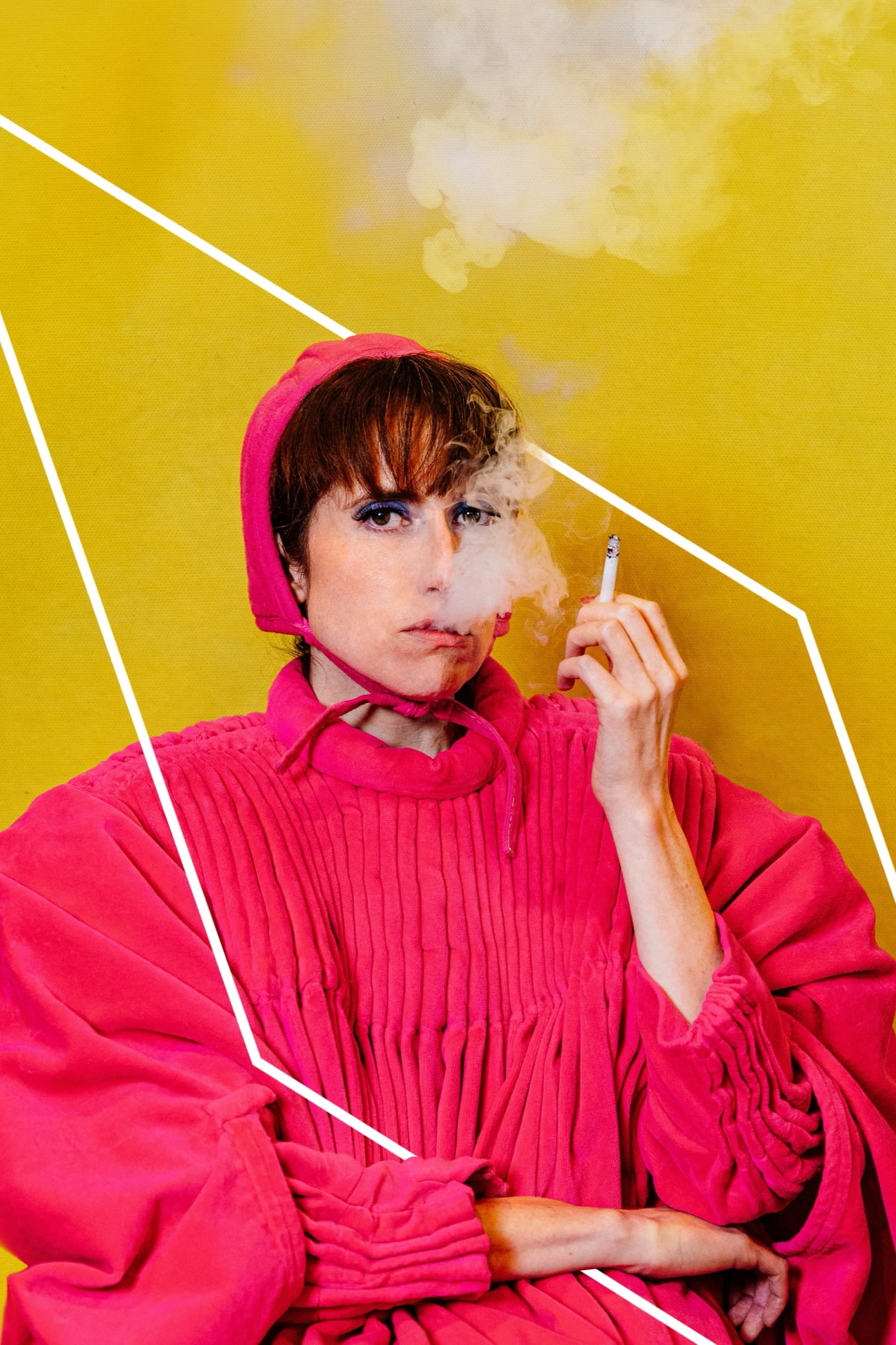
Rebeca Miller. Photo: Marc J. Franklin.
Word count: 1217
Paragraphs: 22
On The Rocks Theatre Co.
Ars Nova at Greenwich House
October 7–November 9, 2024
New York
On The Rocks Theatre Co. is currently premiering their years-in-the-making play The Beastiary with Ars Nova at Greenwich House in the West Village. A frequent collaborator with the company, I sat down with creatives Dakota Rose and Christopher Ford just before rehearsals began this fall to talk about the inspiration behind their Boschian spectacle and their unusual collaborative process. This interview has been edited and condensed for clarity.
Andrew R. Butler (Rail): Hey! So, let’s just start with: how would you describe your show, The Beastiary?
Dakota Rose: The Beastiary is a play about an apocalypse, told within the framework of a medieval pageant play. It is about humans consuming the last unicorn on Earth, and the thirty years that follow the apocalypse, where three suns have risen and medieval beasts have taken over the Earth. The story follows the last ten-ish characters who have survived this apocalypse and what they have done to survive.
Rail: We don’t see a lot of medieval pageant plays in NYC, not that I’ve attended; how did you end up with this as the setting for your story?
Christopher Ford: The way Dakota and I typically work is we choose a genre or a theme or a concept and we go our separate ways and we research it, and then we come back to the table with certain ideas, characters, and references that excite us and we put those in the middle of the proverbial table and we start to see how the things she’s interested in rub up against the things I’m interested in. With this show, the impetus was a history play. So we went our separate ways and when we came back Dakota was really interested in attempting to put climate catastrophe onstage, and I was really interested in mythological medieval beasts. So the history play became the pageant play, which—a pageant play is a history play of the bible, essentially. You know, pageant plays are designed to tackle insane biblical events, right? Floods—
Rose: The creation story—
Ford: So the pageant play in that regard seemed like the perfect structure to tackle a global warming allegory, and the beasts became part of that apocalypse within the story itself.
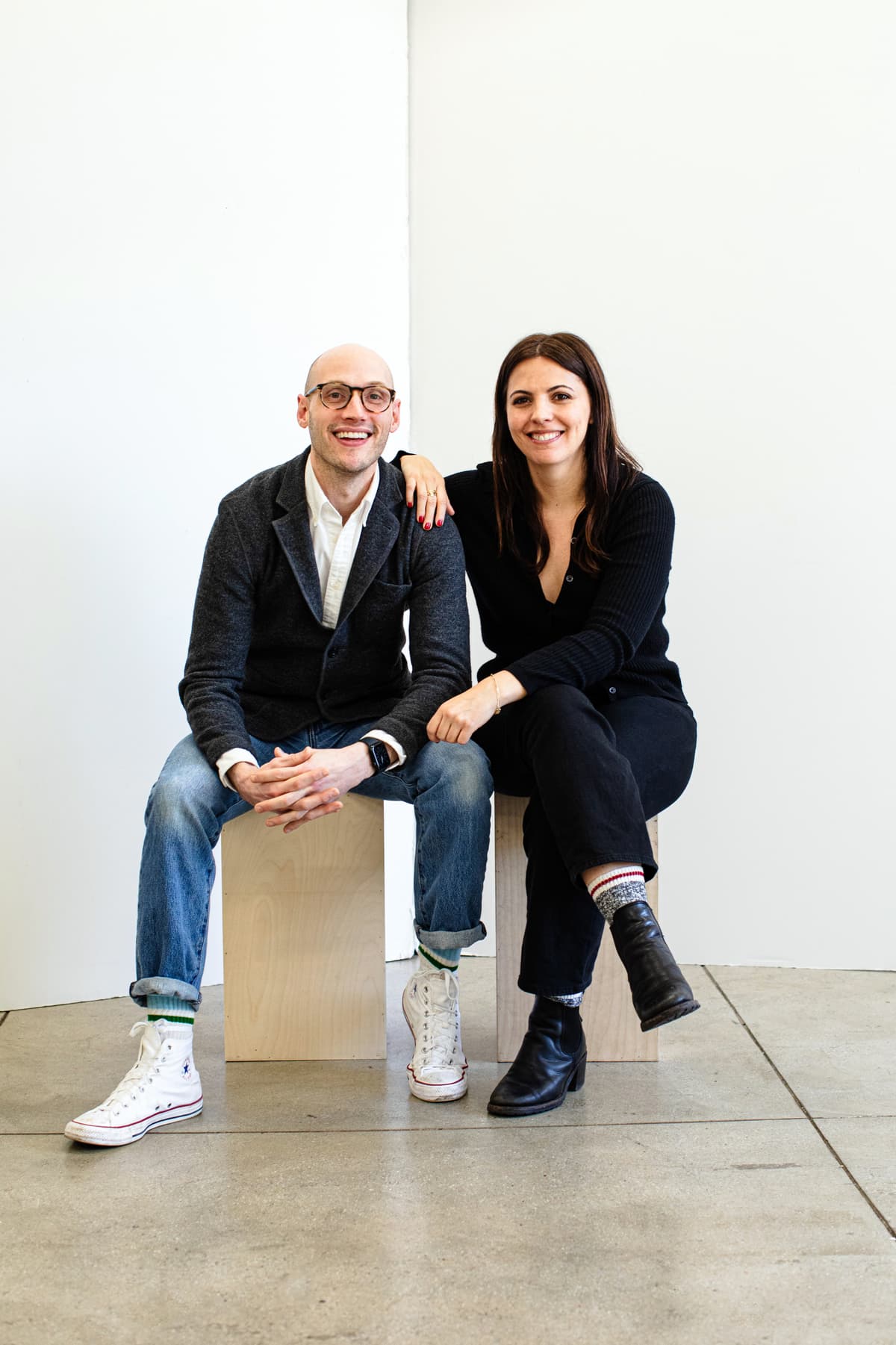
Dakota Rose and Christopher Ford. Photo: Marc J. Franklin.
Rail: You’re a two-person theater company, which to my brain sounds small for a theater company, but the two of you play a lot of the roles in your productions. What are those roles?
Rose: We always co-write. I direct the plays. On this production, Chris and I are co-scenic designing. Chris is designing the costumes and the puppets. Generally, some mix of us co-design certain elements. Chris hand-makes a lot of the materials.
Rail: So Chris, for this show you’re hand-making all of the beast puppets and you’re also making the costumes, right?
Ford: Yes, I have a wonderful team of people that are helping. But yeah, there are I think about twenty puppets in the play and there are a whole bunch of costumes in the show. It’s pretty big! It’s a costume drama. But it has been so much fun learning from all the puppet people that I’ve loved watching growing up, and I’ve had so much fun learning about costume history of the Middle Ages. It’s just been a delight, I love it so much.
Rail: One of things I get excited about in your work is how integrated the design elements are, how core to the storytelling those layers of the production feel. Can you talk a little bit about how design enters into your creative process?
Ford: We don’t really talk about the aesthetic of it early on, but only because we’ve built up years of unspoken shared aesthetics for different genres and themes. Then as we start to build the characters and build the narrative, we will outline the play for a long time, for six months or so, until we get it beat by beat, and at that point we make a visual book. We’ll compile a bunch of visual imagery, and that confirms a tonal visual world of the play. Then we both need to not think about that, and we start writing it without thinking about design, and it’ll read like an HBO series or like a movie, and we’ll be like “how the fuck does that happen.” So then once you’ve created all these problems with this text it’s like this incredible delightful puzzle you’ve made for yourselves of how you stage the unstageable.
Rail: You mentioned having shared aesthetics for different genres. Can you speak to what that is for The Beastiary?
Rose: Yeah, no surprise we go back to a lot of mid-century references and, you know, we both looked at a lot of films that were made in the fifties, sixties, seventies that took place in a medieval period and how that was interpreted. We also looked at a ton of medieval art and illuminated manuscripts and bestiaries. What was interesting was that the mid-century stuff feels very colorful and chintzy, but when you actually look at medieval art there’s so much color and flatness that feels quite mid-century when you put them together. They felt quite closely connected actually. Like Richard Burton in Camelot, you know, for example—huge reference.
Rail: That pings for me the framework of the pageant. How does that framework operate within The Beastiary?
Rose: What’s exciting about this show is it’s five actors playing fourteen parts and doing all of the puppeteering, and we have two musicians, and we’ve come to this thought with our cast that we’re sort of creating a medieval guild. It was the guilds that put on these pageant plays at the time. But we’re looking at the guild not as truly medieval people. In combination we’re looking at theater actors, European theater actors from the fifties. We looked at Orson Welles transforming into Falstaff on The Dean Martin Show. So it’s like this guild of actor-puppeteers who—the idea is they’ve created the sets; they’ve painted the drops; they’ve sewn the costumes; they’ve made the puppets; they’re doing the entire show, and that is how it’s presented.
Rail: What is the tone of the show like? Medieval pageant global warming allegory could go a lot of ways I feel—what’s the vibe?
Rose: It’s pretty absurd. The entire show is scored with electronic music with a thereminist, which takes you to some kind of surreal places. There’s a lot of humor in it. We’re trying to do a thing in the text where each of the different story lines are done in a different style—one scene is quite clownish, one scene is commedia, one scene has a weird naturalism, so I think you’re kind of on a fun ride following what they’re gonna do next. It’s very funny, really.
Ford: It’s very crafted—everything feels very homemade, which is an interesting juxtaposition with the violence in the show. It’s the apocalypse, so there’s violence. The violence isn’t crafty.
Rose: Violent, but in a very highly theatrical way. And the vibe is also extremely visually stimulating. It’s a show about the apocalypse, but it’s so bright and vibrant and saturated.
Rail: I can’t wait to see it!
Andrew R. Butler is an actor, writer, and composer. He wrote and starred in Rags Parkland Sings The Songs Of The Future at Ars Nova, garnering a Lortel Award for Outstanding Musical. He is currently performing in David Adjmi’s Stereophonic on Broadway.