From a Scream To a Whisper: Anahata
Word count: 801
Paragraphs: 8
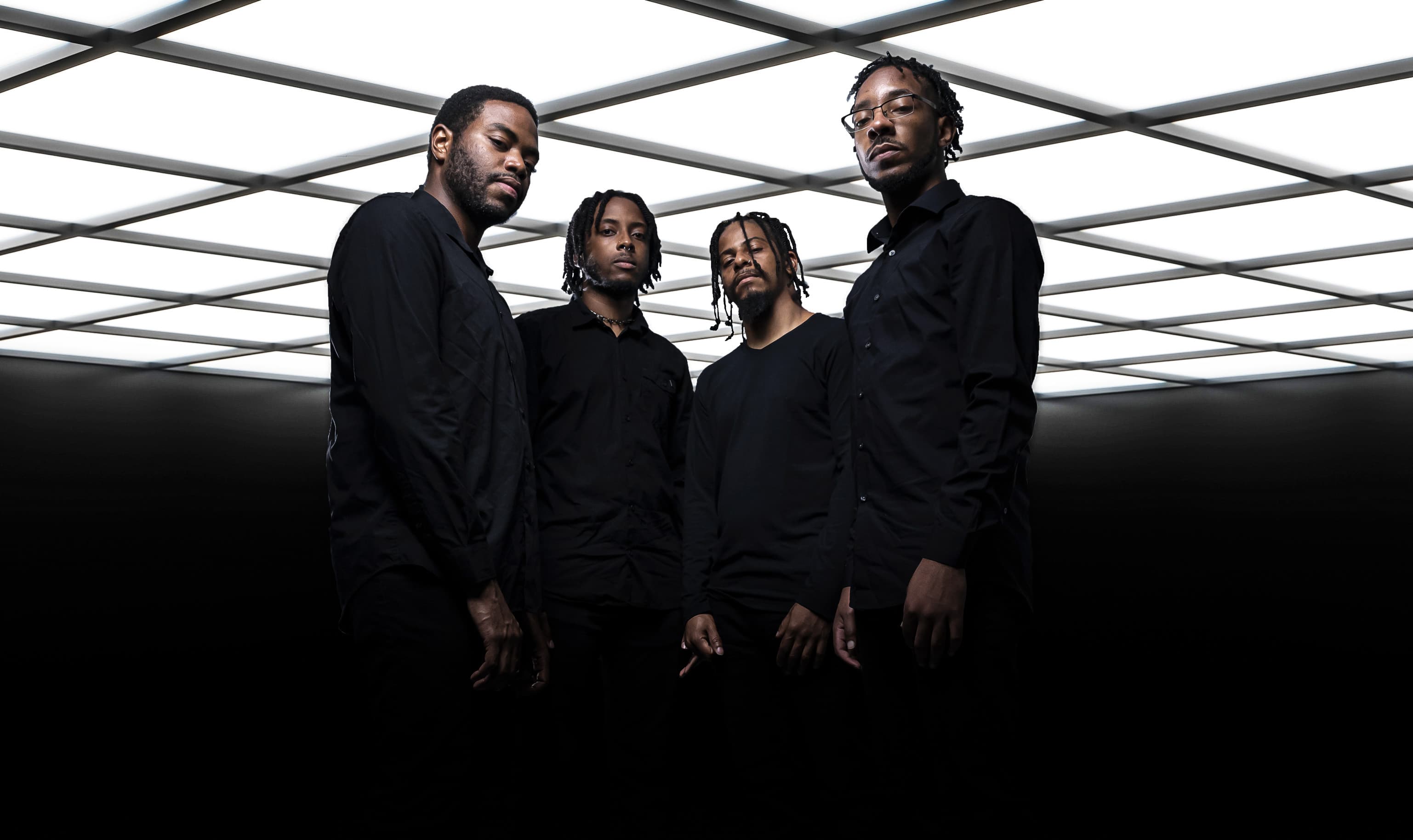
Anahata. Courtesy the artist.
Anahata is not a band lightly named. The heart, or fourth primary chakra of yoga, it translates from Sanskrit as “unhurt” or “unbeaten.” The concept applies to revolving personnel—since being founded in 2011 by singer/songwriter and sometimes guitarist/bassist Christopher Leyba—across several EPs and singles. But it also has more personal meaning to Leyba’s arc as a musician working to address personal struggles. “You make a band name that does exude a sense of strength and resiliency,” says Leyba, “but then sometimes you end up sort of living that, because you can be struck a thousand times, but what matters is if you actually go down.”
Anahata is classified on its Bandcamp page as “post-hardcore,” and Leyba speaks of bands like Thursday, Underoath, Senses Fail, and Story of the Year as formative influences, embodying an idea of “not staying in one place for too long, one of those things where you know the band by the band, you don't know the band by style.” The music is both aggressive and vulnerable, jagged and rounded, pummeling and cathartic. “STUCK,” Anahata’s latest single, released in June, keeps with the band’s characteristic emphasis on churning rhythms, underpinning lyrics like, “this devil on my shoulder / is always poking / at the beast,” with electronic additions changing the feel from hopeless to defiant and back again.
Leyba positions himself as “a TV baby growing up. So everything that I'd ever seen or witnessed, it was all from TV.” From middle school through college, Leyba found himself moving from punk, pop-punk, screamo, hardcore, metal, metalcore, deathcore, black metal, hair metal, and beyond: a progression that may sound familiar to anyone who has felt out of place in their environment, including a young Black kid in New York diagnosed with ADHD. Leyba always felt “ostracized by just opening my mouth or just telling a joke or answering a question at school,” and never related to “rap and R&B and some of the pop records. Because back then, I didn't have a girlfriend, talking about, ‘Please take me back. I know I cheated, but forgive me!’, or somebody moving fifty-two bricks and losing them after a bad drug deal.”
So Leyba writes lyrics “that I feel I need to hear, the things that I feel like I need to say to someone … moments where I didn't feel strong and I needed to manifest that strength,” like the chorus of the 2020 single, “Suffer”: “I swear I'll never let you win / you'll never see my soul again / you can't throw stones at something that won't break // I'll suffer in silence / make no mistake.” As he has grown older, Leyba has begun to believe in those words—his own strength to persevere—as he feels “a little more together, and … in my skin a little more.”
With Leyba are the paired guitars of Tevin Chin and Andrew Hines, plus drummer Kwanté Greenidge, a lineup nearing its third year together, playing shows and developing new music and comfort as a unit, allowing Leyba to continue expanding the band’s sound. He describes present Anahata as having “a lot more of that aggression that we could use a little bit of, but also a little bit of sexy—like a little, teeny tiny bit. Not sex, like intimacy, but sex, more of … a sexual freedom, like the boastful big feeling that you get when you feel that level of confidence.”
One of the most appealing parts of Anahata’s aesthetic is how the vocals move from raw and strangled—barely containing themselves within the speakers—to softer and cleaner, keening for something almost unobtainable. This is post-hardcore at work, the influence of all those aforementioned styles Leyba absorbed as a young man, but also a dichotomy present in all of us: inner monologue versus what we present to the world. “Let's say we're having a conversation,” Leyba explains, “and in this framework of screaming versus singing, the only time that I am singing is when you physically hear me speak words to you, whereas whatever I'm thinking is the screaming, what we're—all the way back here—really thinking that we can't get out.” “STUCK” uses the contrast masterfully, with Leyba adding grunts, whispers, and spoken word to sound like multiple singers across the track’s four-plus minutes.
“Now we're taking the fight to whomever or whatever it is,” Leyba emphasizes. “Now we're battling the chemicals in our body for real. Now we're actually facing that person who caused us so much harm, and who put us in such a weakened state that the only thing we can do now is whimper until we don't want to whimper anymore. It very much feels like a transition of someone who's been suppressed for a long time finally being able to let themselves out.”
Andrey Henkin is a writer based in Harlem whose work has appeared in various magazines and gazettes and accompanying numerous albums. He maintains the obituary website JazzPassings.com.